How Personalization Redefines the Picture Book | StorytimeHero
Upload a photo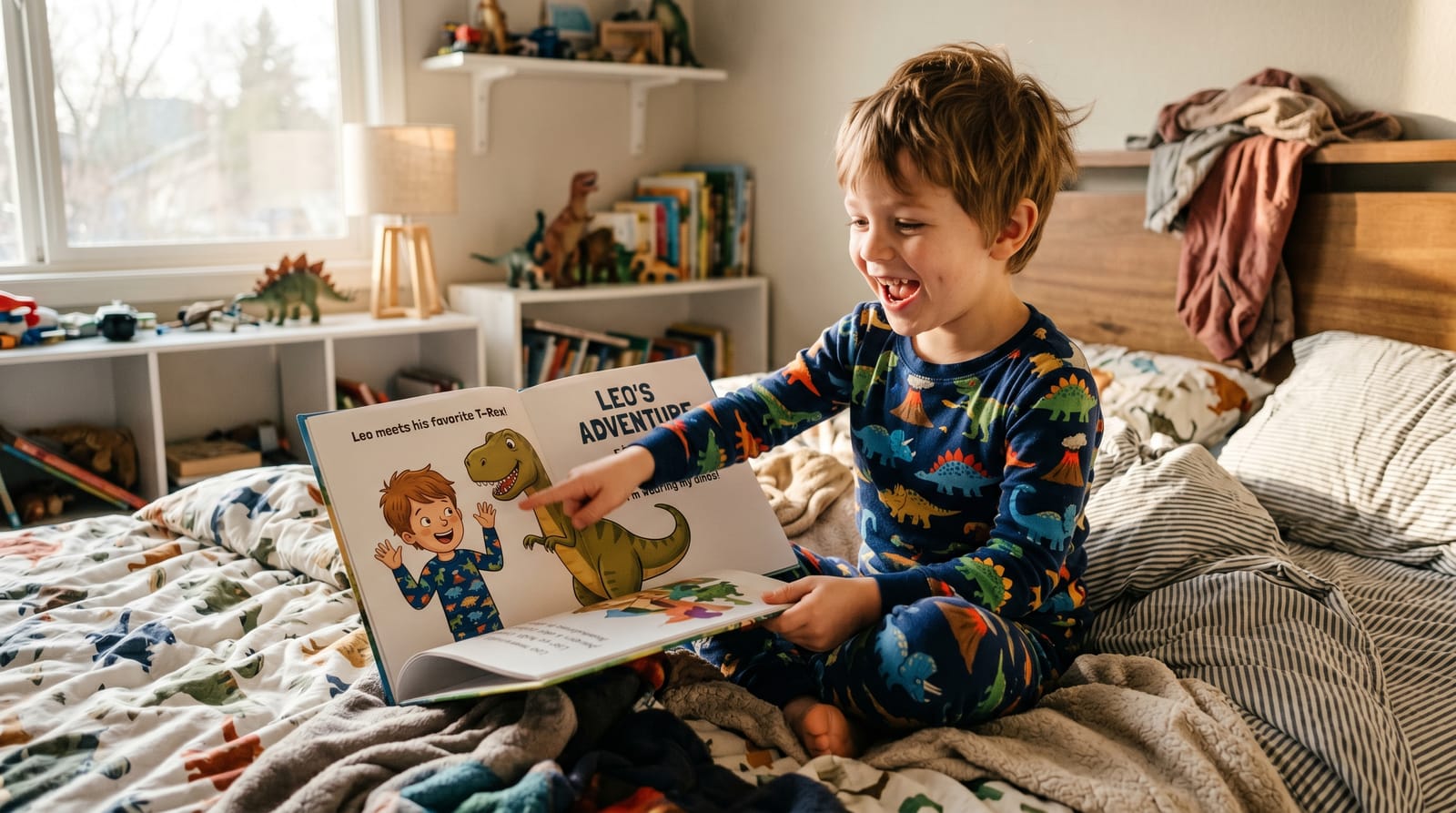
The landscape of children’s literature is undergoing a quiet but profound transformation. If you stroll through a library or a local bookstore in {YEAR}, you’ll notice that the standard "once upon a time" formula has evolved. Today’s picture book is no longer just a passive vehicle for entertainment; it has become a sophisticated tool for identity formation, emotional resilience, and cultural connection.
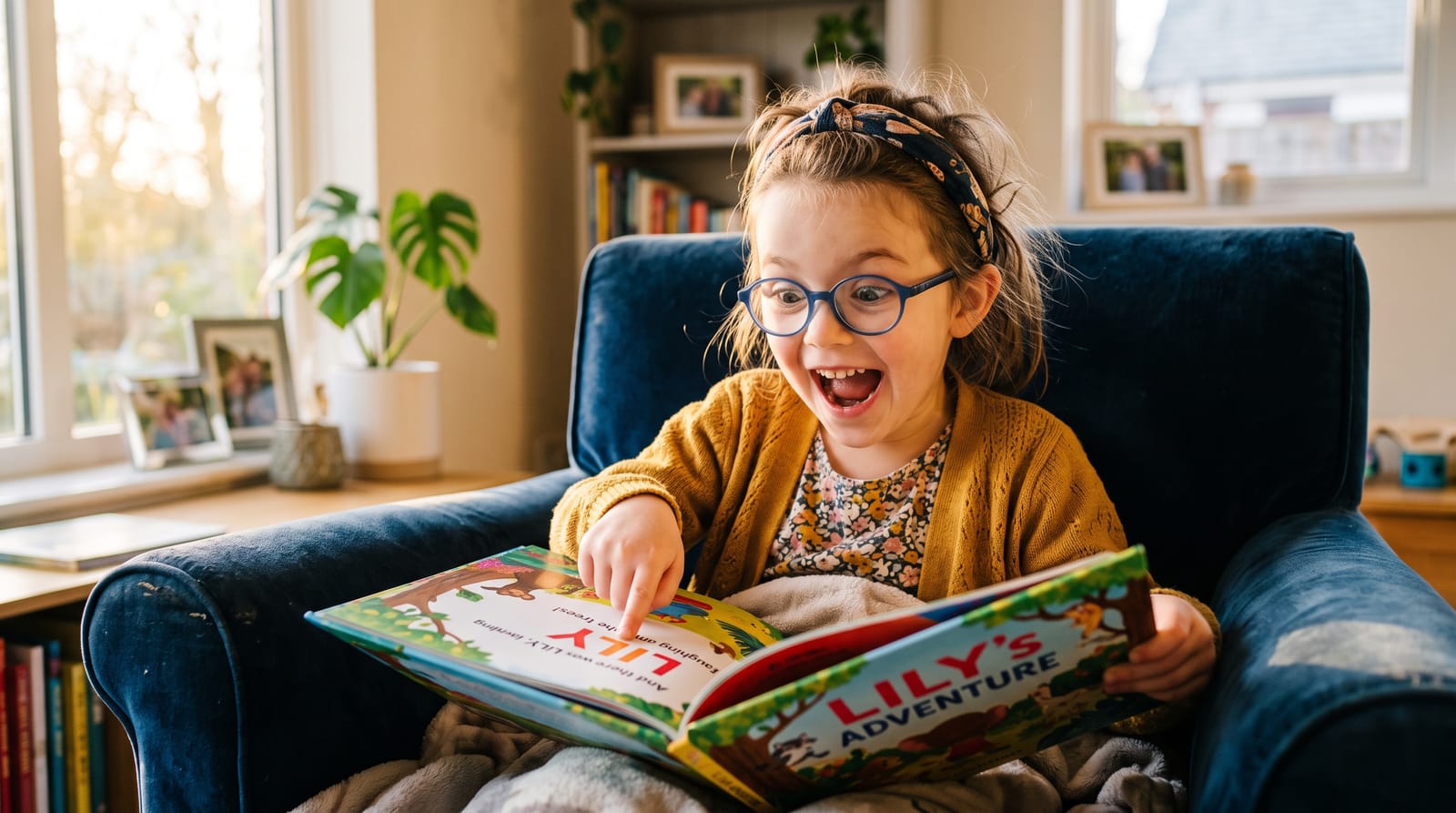
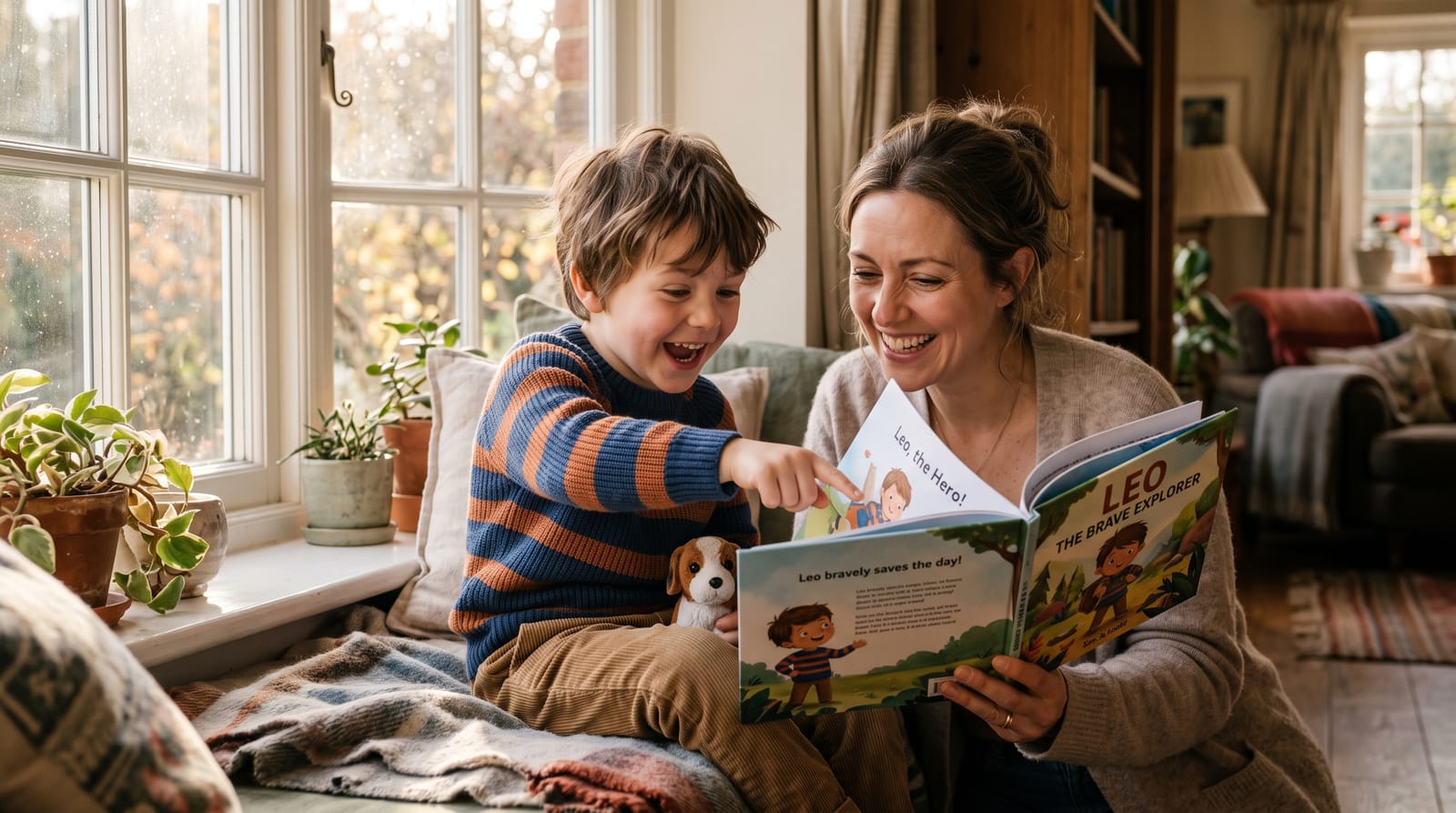
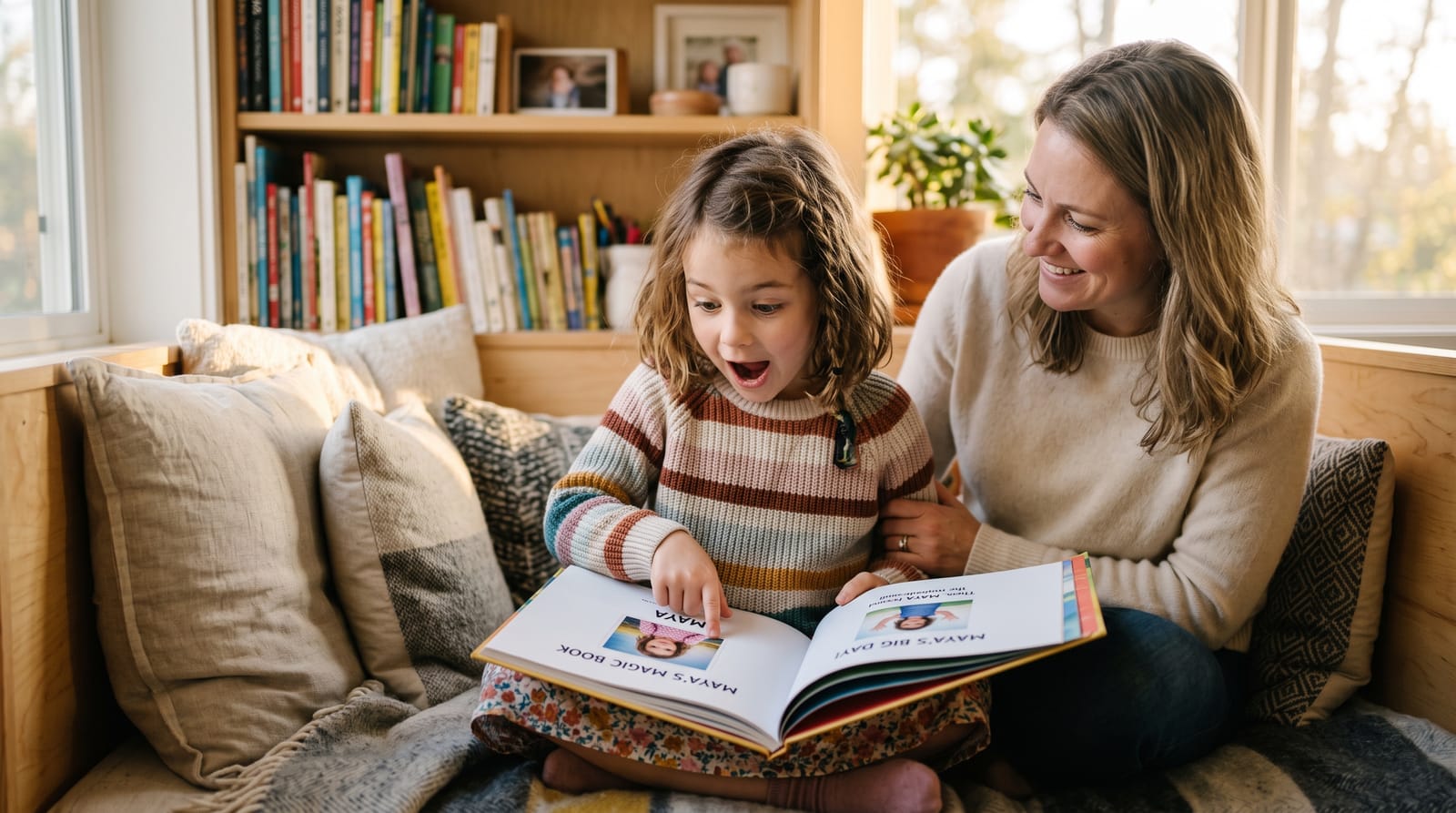
As parents and educators, we are seeing a shift toward stories that don't just tell a tale but invite the child to sit at the table. At StorytimeHero, we’ve observed that while traditional books are doing incredible work in introducing complex themes, personalized books are the bridge that helps a child internalize those themes. When a child sees their own name and likeness navigating the challenges of the world, the story stops being about "someone else" and starts being a blueprint for their own life.
The Shift Toward Biographical Inspiration and Creative Agency
One of the most exciting trends in the modern picture book world is the rise of biographical stories featuring literary legends and creative icons. We are seeing beautiful tributes to authors who paved the way—figures who used their pens to fight censorship, process childhood trauma, or celebrate their heritage. These books serve a dual purpose: they educate children about history while simultaneously demystifying the creative process.
When children read about the early lives of great writers, they learn that storytelling is a form of power. They see that even the most legendary authors once struggled to find their voices. However, there is often a "relevance gap" for very young readers. A child might admire a famous author's journey, but they may still feel like a spectator.
This is where personalized books create a breakthrough. By placing the child in a narrative where they are the one discovering the "extraordinary magic" of words, we move from observation to embodiment. Instead of just learning that a famous author found their voice, the child experiences a story where they find their voice. This shift from "they did it" to "I can do it" is the cornerstone of building early confidence.
Beyond Generalities: The Power of Specific Representation
The conversation around diversity in children’s literature has matured. We are moving past broad, umbrella terms and toward a more nuanced appreciation of specific cultures, communities, and individual family traditions. Whether it’s a story about a child visiting their father’s homeland in the Philippines or a granddaughter learning the ancient art of indigo dyeing, the modern picture book is embracing the "Specificity Paradox"—the idea that the more specific a story is, the more universally it resonates.
Personalization takes this a step further. While a traditional book can show a beautiful cultural tradition, a personalized book allows a family to integrate their own specific nuances. It acknowledges that every child’s "world" is unique. For a child of the AAPI community, for example, seeing themselves in a story that celebrates their specific heritage—rather than a generic "diverse" character—validates their personal history.
By using StorytimeHero to customize narratives, parents can ensure that the "mirrors" their children see in books aren't just blurry reflections, but high-definition portraits of their actual lives and surroundings. You can read more about how this impact is shaping the industry in our exploration of The Living Protagonist: Modern Picture Book Trends.
Addressing Modern Hurdles: From Allergies to Growth Mindset
Modern childhood comes with a unique set of challenges that weren't always addressed in the classics of the past. Today’s picture book creators are tackling topics like food allergies, neurodiversity, and the importance of a growth mindset with grace and humor. These stories are essential for helping children navigate social situations where they might feel "different."
Consider the impact of a story about a child managing a food allergy. In a standard book, the child learns empathy for the character. But in a personalized story, the child with the actual allergy becomes the hero who solves the problem. They see themselves successfully navigating a birthday party or a school lunch, which reinforces a sense of agency and safety.
This application of a "growth mindset"—the belief that abilities can be developed through dedication and hard work—is naturally amplified through personalization. When the protagonist (who happens to have the reader’s name) fails at a task but tries again, the lesson is etched into the reader’s self-image. This is a key part of Shaping Modern Childhood through Personalized Narratives, as it turns the reading experience into a rehearsal for real-life resilience.
Nature, Curiosity, and the Intergenerational Connection
Many contemporary picture books are refocusing on the natural world and the bonds between generations. We see stories of children who are initially skeptical of the outdoors, only to be won over by a mother’s enthusiasm or a grandfather’s wisdom. These narratives are vital in an increasingly digital age, reminding us of the sensory joys of the physical world.
Personalization acts as a catalyst for these themes. When a book describes a "trip to the mountains" or "gardening in the backyard" and features the child and their actual family members, it transforms a fictional event into a family mission statement. It encourages the child to look up from the book and out the window, looking for the same wonders they just read about.
This connection between the page and the porch is what we call the "participatory revolution." It’s not just about what is happening in the story; it’s about how the story changes the child’s interaction with their environment. To understand how this is evolving, check out our piece on The Participatory Revolution in Picture Books.
The Psychological "Protagonist Effect"
Why does it matter so much if a child is the lead in their picture book? Psychologically, the "Protagonist Effect" suggests that children have higher levels of engagement, better reading comprehension, and stronger emotional empathy when they identify closely with the main character.
In a world filled with distractions, the personalized book is a "sticky" medium. It commands attention because it is inherently about the person the child is most interested in: themselves. However, this isn't about vanity; it's about relevance. When the narrative is relevant, the brain is more likely to store the information. Whether the lesson is about kindness, scientific curiosity, or bravery, the "personalized" delivery system ensures the message hits home. You can dive deeper into this phenomenon in our article on Why Kids Read More When They're the Main Character.
Building a Library of Values
As we look toward the future of children's literature in {YEAR}, the goal for many parents is to build a library that reflects their family's values. We want books that celebrate community, honor history, and prepare our children for the complexities of the future.
The modern picture book is doing the heavy lifting of introducing these values. StorytimeHero simply provides the final piece of the puzzle: the emotional glue that sticks those values to the child’s heart. By integrating personalization into your nightly reading routine, you aren't just reading a story; you are co-authoring your child’s sense of self.
For more on how these trends are converging, explore Modern Values & Community in Picture Books.
FAQ: What Parents Want to Know About Personalized Books
Related Reading
- Modern Picture Books & Personalization
- How Personalization Enhances Modern Picture Books
- Personalized Books: Bridging Fantasy & Resilience
- The Best-Keep Strategy for Kids' Books
In the end, every picture book is an invitation. By embracing personalization, we make that invitation impossible to refuse. We tell our children: "This world is big, it is complex, and it is beautiful—and you are exactly the hero it needs."
Free preview checklist
Get the personalized book gift checklist
Know what photo to use, what to write in the dedication, and what to review before ordering.