Modern Values & Community in Picture Books | StorytimeHero
Upload a photo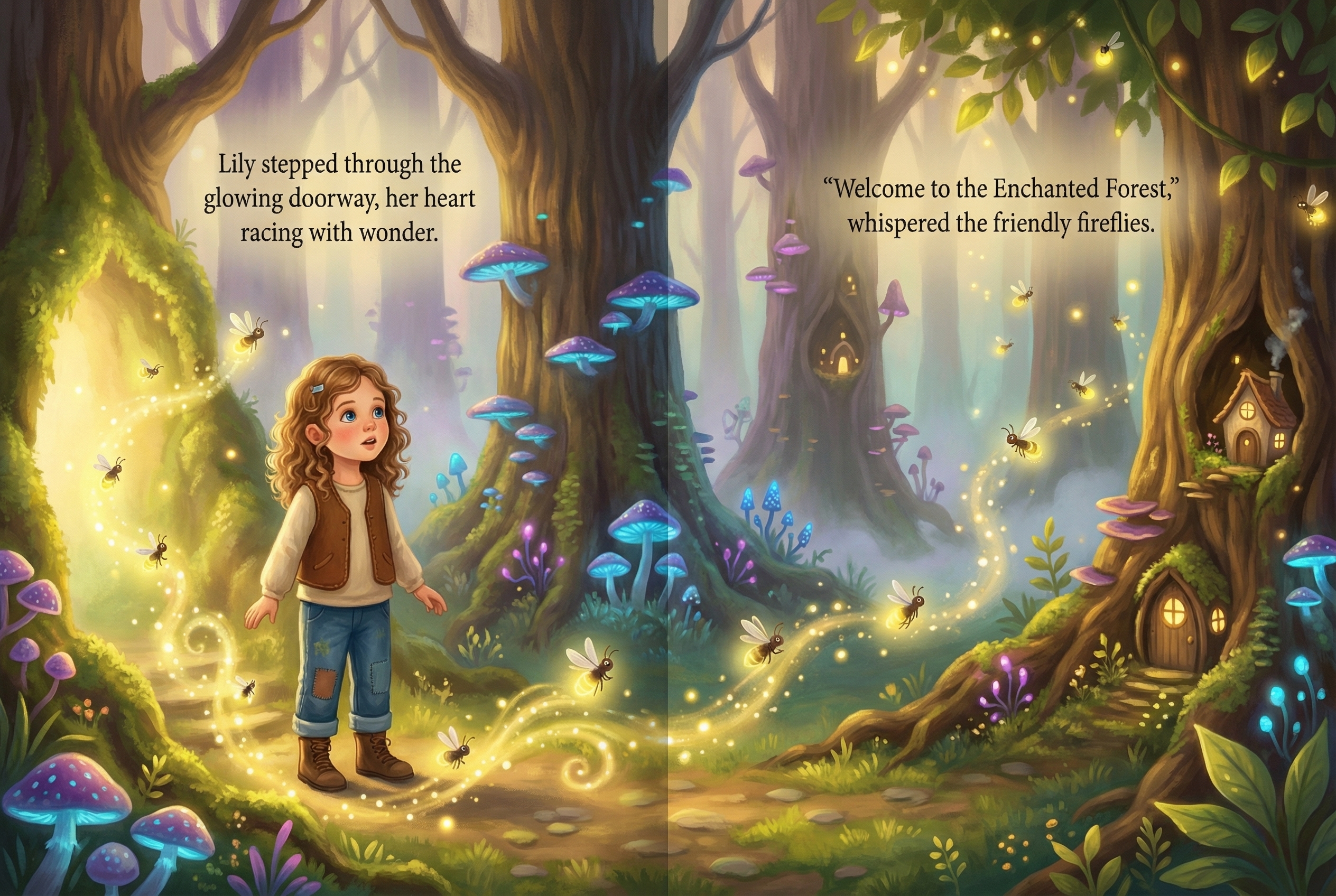
The ritual of the bedtime story is one of the few remaining "sacred" spaces in a world that feels increasingly digital and fragmented. For generations, the picture book has served as a child’s first window into the world beyond their nursery walls. It is here that they learn what a "neighbor" is, what "bravery" looks like, and how "kindness" is practiced.
However, as we move through {YEAR}, many parents are discovering that the windows provided by classic literature don't always reflect the landscape outside their front doors. The world has changed. Our understanding of community, our definitions of success, and our expectations for representation have shifted significantly. This has led to a fascinating evolution in how we approach the picture book, moving away from passive consumption toward a more active, personalized, and relevant experience.
The Shift from Hyper-Independence to Neighborhood Connection
In the modern era, many parents—particularly those in the millennial generation—have mastered the art of "hyper-independence." We live in a world where groceries appear on our doorsteps without a word exchanged, and where "avoiding the phone call" has become a relatable social trope. While these conveniences are modern marvels, they have inadvertently created a gap in how we demonstrate community to our children.
The traditional picture book often romanticizes the "neighborhood" as a place of white picket fences and effortless synergy. But in {YEAR}, building a community requires intentionality. It requires "showing up" in ways that might feel slightly inconvenient or uncomfortable for a generation used to digital barriers.
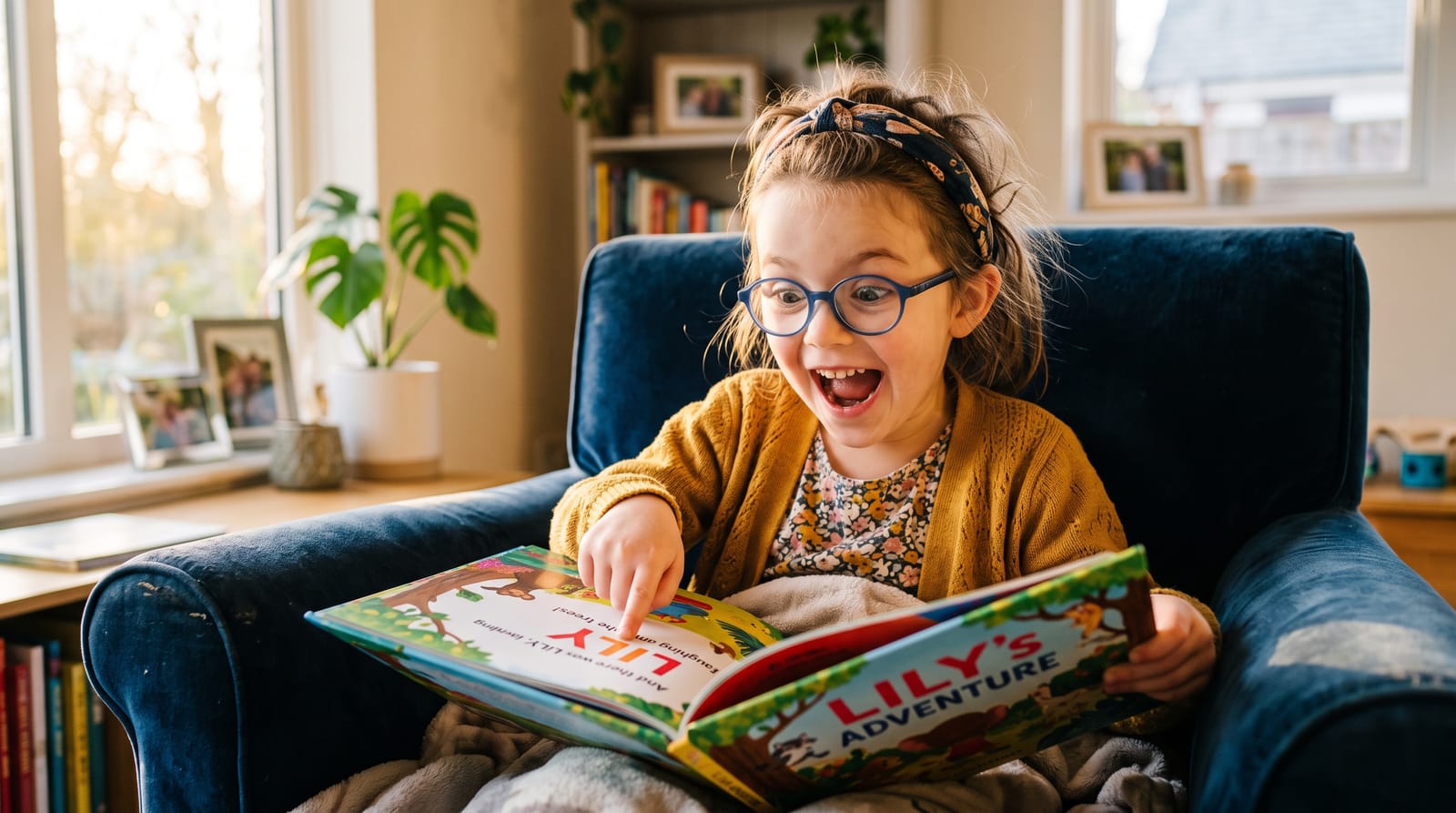
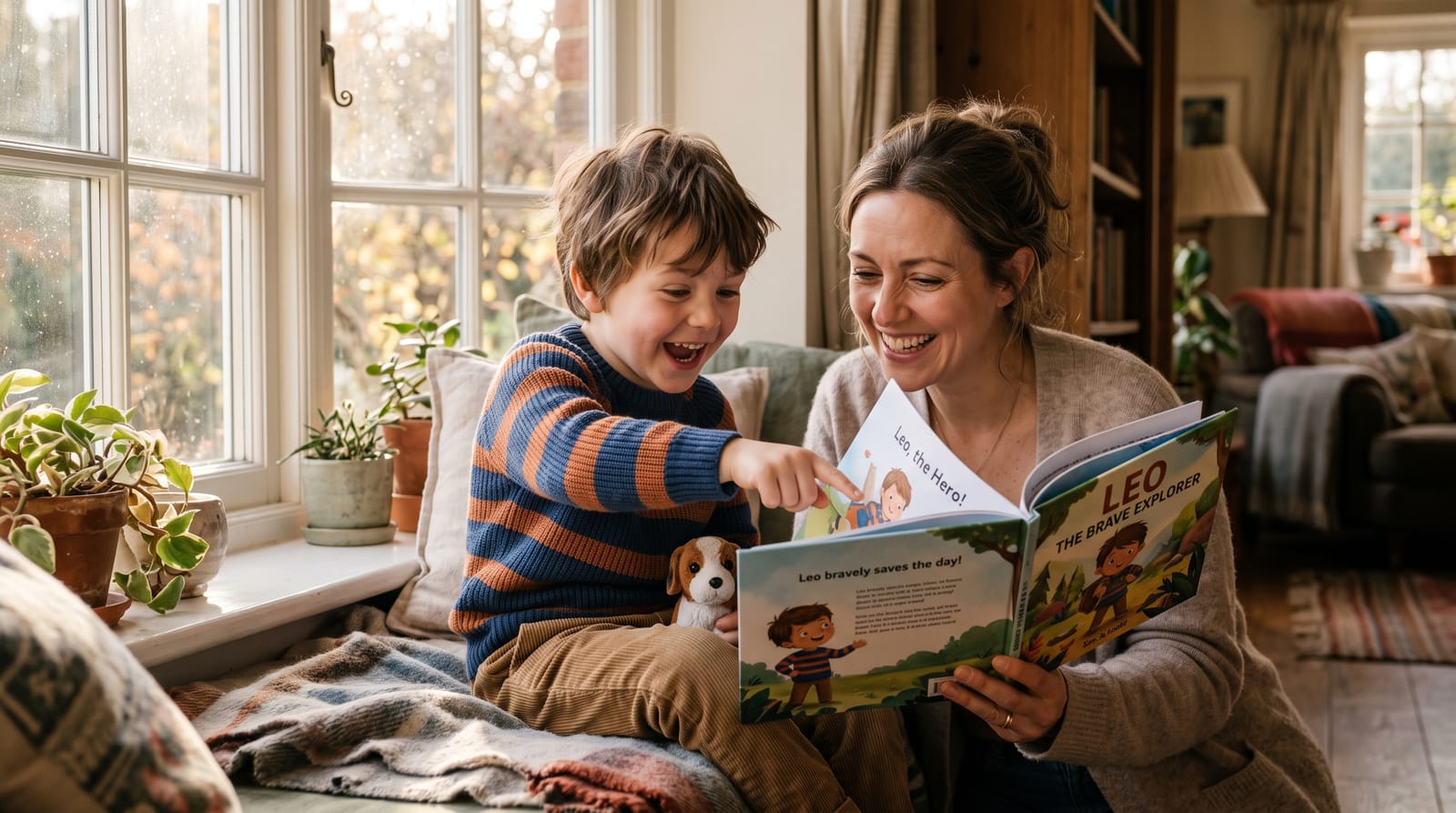
Parents are now seeking stories that teach children to "look for the helpers" and, more importantly, to be the helpers. This is where the transition to personalized books becomes so powerful. When a child sees themselves as the protagonist who checks on an elderly neighbor or helps tidy a local park, the lesson shifts from a theoretical concept to a personal identity. It isn't just a story about a "good neighbor"; it’s a story about them being a good neighbor. This subtle shift helps bridge the gap between the isolation of modern life and the essential human need for connection.
Re-evaluating the Classics: Why Relevance Matters
Nostalgia is a powerful force. Many of us grew up with a specific set of "essential" picture books that we can’t wait to share with our own children. However, as we revisit these stories with modern eyes, we sometimes find that the messages haven't aged as well as the illustrations.
Take, for example, the themes of unconditional sacrifice often found in mid-century children's literature. While generosity is a beautiful trait, many modern parents are looking for stories that also emphasize reciprocity, healthy boundaries, and self-respect. We want our children to be kind, but we also want them to understand that their own needs and voices matter.
The "relevance gap" is a real challenge for parents today. If a child cannot see their own life, their own family structure, or their own values reflected in a book, they are less likely to form a deep, lasting connection with reading. The modern picture book must do more than just entertain; it must act as a mirror.
By utilizing personalized books, parents can ensure the narrative aligns with their family’s specific values. Instead of struggling to explain why a character in a 50-year-old book is acting in a way that feels outdated, parents can choose stories that place their child in modern scenarios—navigating digital etiquette, practicing emotional intelligence, or exploring diverse career paths—that feel immediate and meaningful.
Representation as a Daily Practice, Not a Monthly Event
One of the most significant shifts in the world of children’s literature is the demand for consistent, deep-rooted representation. In the past, diversity in a picture book was often treated as a "special topic" or relegated to specific months of the year. In {YEAR}, that is no longer enough.
True representation means that children of all backgrounds, abilities, and identities see themselves as the "default" hero of the story every single day. It means celebrating female athletes not just during the Olympics, but as a normal part of the sporting landscape. It means seeing different family structures, religious practices, and cultural traditions integrated into stories about everyday life—going to the store, solving a problem, or going to bed.
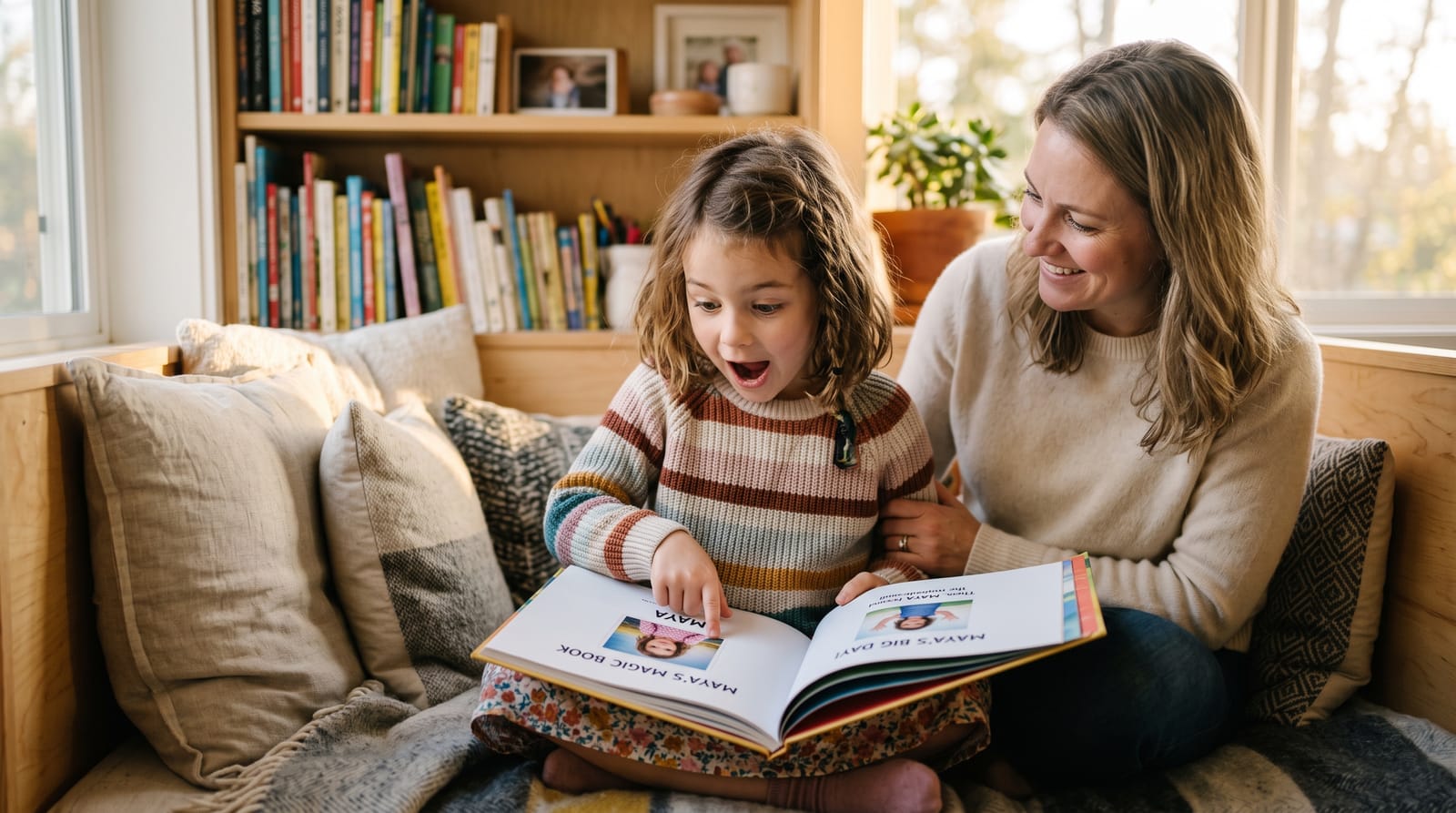
StorytimeHero approaches this by allowing the child’s own identity to lead the narrative. When representation is personalized, it moves beyond a checklist of diversity and becomes an act of embodiment. For a young girl to see herself as a champion rock climber or a brilliant scientist in her own book is a transformative experience. It reinforces the idea that success is not something "other people" achieve—it is something she is already practicing in the pages of her favorite story.
The Power of Presence: Moving Beyond the Static Page
Why does personalization matter so much in the context of the modern picture book? It comes down to the psychology of "presence." When a child hears their name and sees a character that looks like them navigating a challenge, their brain processes the information differently than if they were watching a stranger.
This "embodied learning" is particularly effective for teaching complex social-emotional skills. If a story is about a generic character being brave at the dentist, it’s a nice story. If the story is about your child being brave at the dentist, it becomes a rehearsal.
At StorytimeHero, we believe that the goal of a great book isn't just to get a child to sleep; it's to help them wake up the next day feeling a little more capable, a little more connected, and a little more seen. The evolution of the picture book is moving toward this "active participant" model, where the boundary between the reader and the story begins to blur.
Building a Modern Library: A Guide for Parents
As you curate a collection of stories for your child, consider how each picture book serves as a tool for their development. Here are a few ways to ensure your library meets the needs of a {YEAR} childhood:
1. Balance the "Classic" with the "Custom"
While there is always a place for the whimsical classics of the past, balance them with personalized books that reflect your child’s current reality. This ensures they have a mix of "windows" (looking into other worlds) and "mirrors" (seeing themselves).
2. Prioritize Emotional Reciprocity
Look for stories where kindness is a two-way street. In a world that often asks children to "give until it hurts," books that model healthy sharing, saying "no" when appropriate, and expecting respect from others are vital for building a healthy sense of self.
3. Seek Out "Everyday" Representation
Choose books where diversity isn't the "point" of the story, but simply the setting. A story about a child who uses a wheelchair going on a space adventure, or a story about a multi-generational household baking a cake, helps normalize the beautiful complexity of our world.
4. Focus on the "Helpers"
In an era of 24-hour news cycles, the world can feel overwhelming even to the youngest among us. Choose books that highlight community resilience. Stories about neighbors helping neighbors or small acts of local heroism provide a sense of safety and agency.
Conclusion: The Future of the Picture Book
The picture book is not a static medium. It is a living, breathing part of our culture that must evolve as we do. By embracing the power of personalization, we are doing more than just putting a child's name in a book; we are validating their existence and their potential.
We are telling them: You belong in this story. You are a helper. You are a champion. You are a part of this community.
As we look toward the future, the most successful stories will be those that recognize the child not just as a listener, but as a hero in training. Whether it’s through a tale of a girl conquering a "climbing problem" or a boy learning the names of everyone on his street, these stories are the building blocks of a more connected, empathetic, and resilient generation.
***
Frequently Asked Questions
Related Reading
Free preview checklist
Get the personalized book gift checklist
Know what photo to use, what to write in the dedication, and what to review before ordering.