Modernizing the Picture Book: The Power of Personalization | StorytimeHero
Upload a photo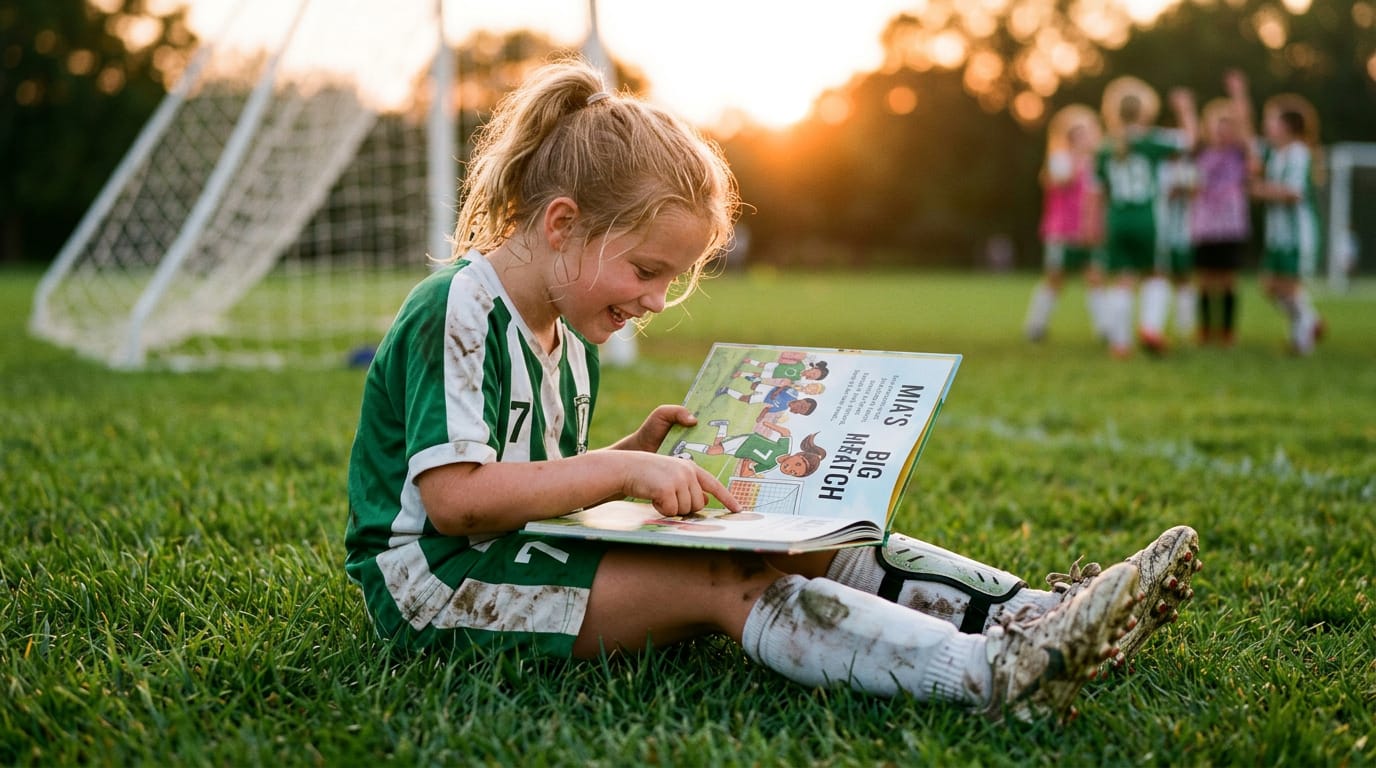
For many of us, the scent of a library or the weight of a thick, glossy picture book triggers an immediate rush of nostalgia. We remember the laps we sat on, the voices that read to us, and the specific illustrations that felt like windows into another world. These books are more than just paper and ink; they are the foundations of our earliest memories and the blueprints for how we began to understand the world.
However, as we move through {YEAR}, many parents and educators are discovering a quiet tension. While we love the classics, we often find that the "windows" they provide don't always reflect the landscape our children live in today. Some stories feel stuck in a different era, others lack the diversity of the modern playground, and many fail to speak to the unique ways our children’s brains actually work.
This is where the concept of the personalized book has stepped in—not just as a novelty, but as a necessary evolution of the medium. By placing a specific child at the center of the narrative, we aren't just changing a name; we are solving the modern "relevance gap" that traditional publishing often struggles to bridge.
Moving Beyond the 'Giving Tree' Mentality: Updating Our Values
We’ve all been there: you open a beloved classic from thirty years ago, ready to share a piece of your childhood, only to realize halfway through that the message is… well, a bit complicated.
Take, for instance, the common critiques of books like The Giving Tree. While many remember it as a story of selfless love, modern eyes often see a narrative of one-sided depletion. In {YEAR}, we want to teach our children about boundaries, reciprocity, and healthy emotional exchange. We want them to understand that love shouldn't mean giving until you are a stump, and receiving shouldn't mean taking without gratitude.
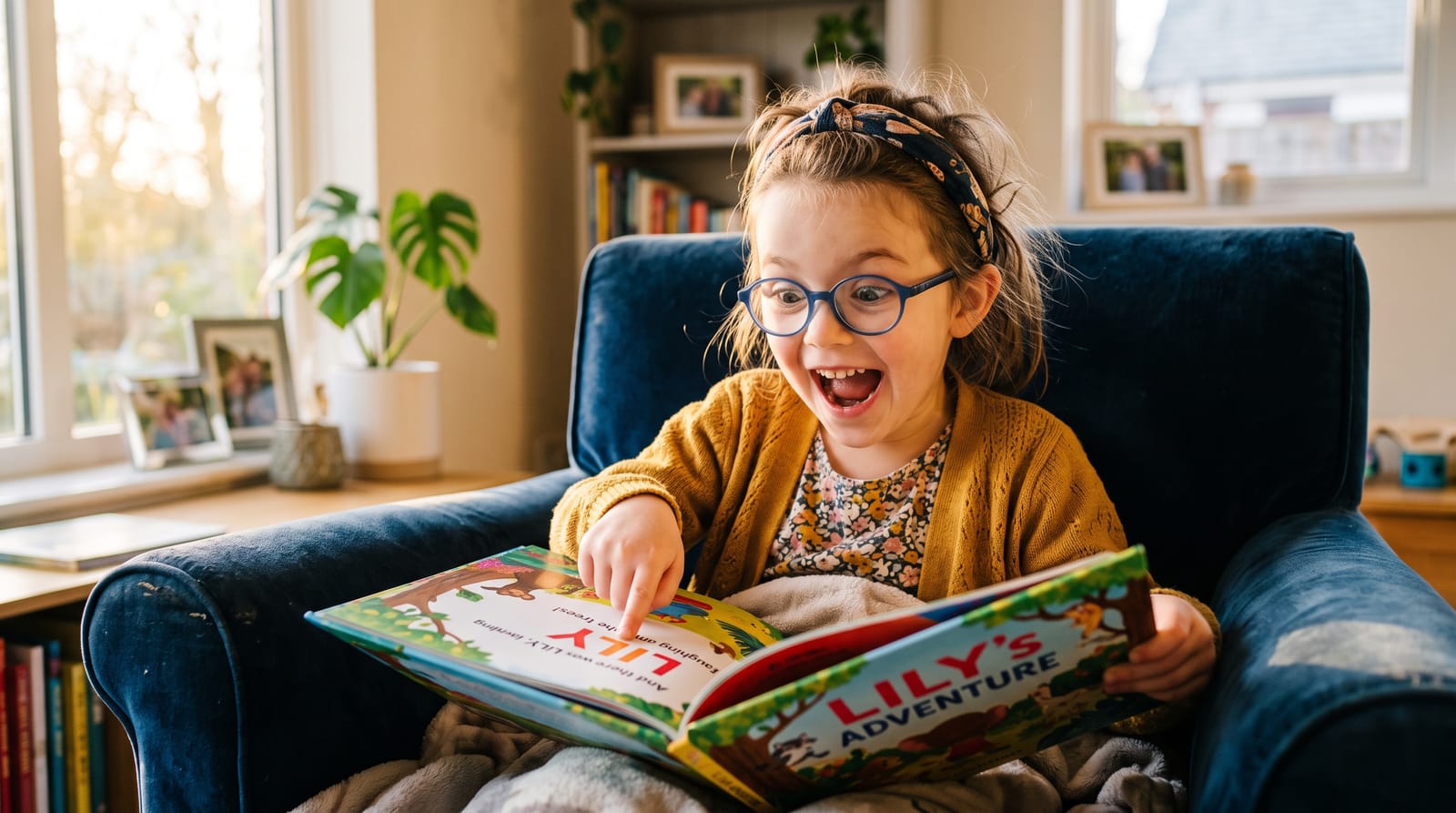
The modern picture book needs to do more than just exist; it needs to resonate with the emotional intelligence we are trying to foster in our kids. Personalized books offer a unique solution to this. When a story is built around your child, the narrative can be tailored to reflect the values of your home. Instead of a child observing a character make questionable choices, they are the hero of a story where they practice kindness, assert their needs, and engage in the world as an active, empowered participant.
By shifting the focus from a generic protagonist to "The Hero Who Is You," we move away from passive consumption and toward active identity formation. This shift helps ensure that the stories we read at bedtime are aligned with the lessons we teach at the dinner table.
Every Child an Athlete: Representation Beyond the Sidelines
Representation in children’s literature has made incredible strides, yet there is still a long way to go, particularly in how we portray strength and ambition. We often see books celebrating "extraordinary" figures—the Olympic gold medalist or the world-renowned scientist. While these are inspiring, they can sometimes feel out of reach for a child who just wants to know they belong on the local soccer field or in the science club.
Source materials often highlight the importance of celebrating female athletes and diverse heroes all year round, not just during specific heritage months. This is a core philosophy at StorytimeHero. We believe that a child shouldn't have to wait for a special occasion to see someone who looks like them, or has their name, achieving something great.
In a traditional picture book, a child is a spectator. In a personalized book, they are the one breaking the record, solving the mystery, or climbing the mountain. This is particularly powerful for girls in sports or children from underrepresented backgrounds. When a child sees their own name associated with words like "strong," "fast," "determined," and "champion," the psychological barrier between "that person" and "me" disappears.
We are moving into an era where children don't just read about heroes; they rehearse being them. Whether it’s a story about a young girl dominating the ping-pong table or a boy finding his rhythm in a new hobby, personalization ensures that the "rager" of celebration for their identity happens every single night.
Celebrating the Neurodivergent Mind: Stories That 'Talk Like a River'
One of the most profound shifts in modern parenting is our growing understanding of neurodiversity. We recognize now that every brain is wired differently—some are like quiet forests, some like rushing rivers, and some like vibrant, bustling cities.
Traditional publishing is beginning to catch up, with beautiful stories about characters who stutter, children with Tourette’s, or those on the autism spectrum. These books are vital because they build empathy in neurotypical children and provide mirrors for neurodivergent ones. However, even the most well-written book about a "character with ADHD" might not capture the specific way your child experiences the world.
This is the "Heart of the Story" that we often discuss. When you use personalized books to address neurodiversity, you can create a safe, predictable narrative environment. For a child who finds the world overwhelming, a story that features them in a calm, supportive setting can be a form of "social rehearsal."
If a child "talks like a river"—finding their voice in their own time and rhythm—a personalized story can validate that journey. It can turn a "bad speech day" or a sensory-overload afternoon into a chapter of a hero’s journey where the resolution is found in community, patience, and self-love. By centering the child, we acknowledge that their specific way of interacting with the world isn't a "problem" to be solved, but a curiosity to be explored.
The 'Name-Recognition Effect': Why Personalization Sticks
Why does it matter so much if the book says "Sam" instead of "The Little Boy"? From a developmental perspective, the impact is significant.
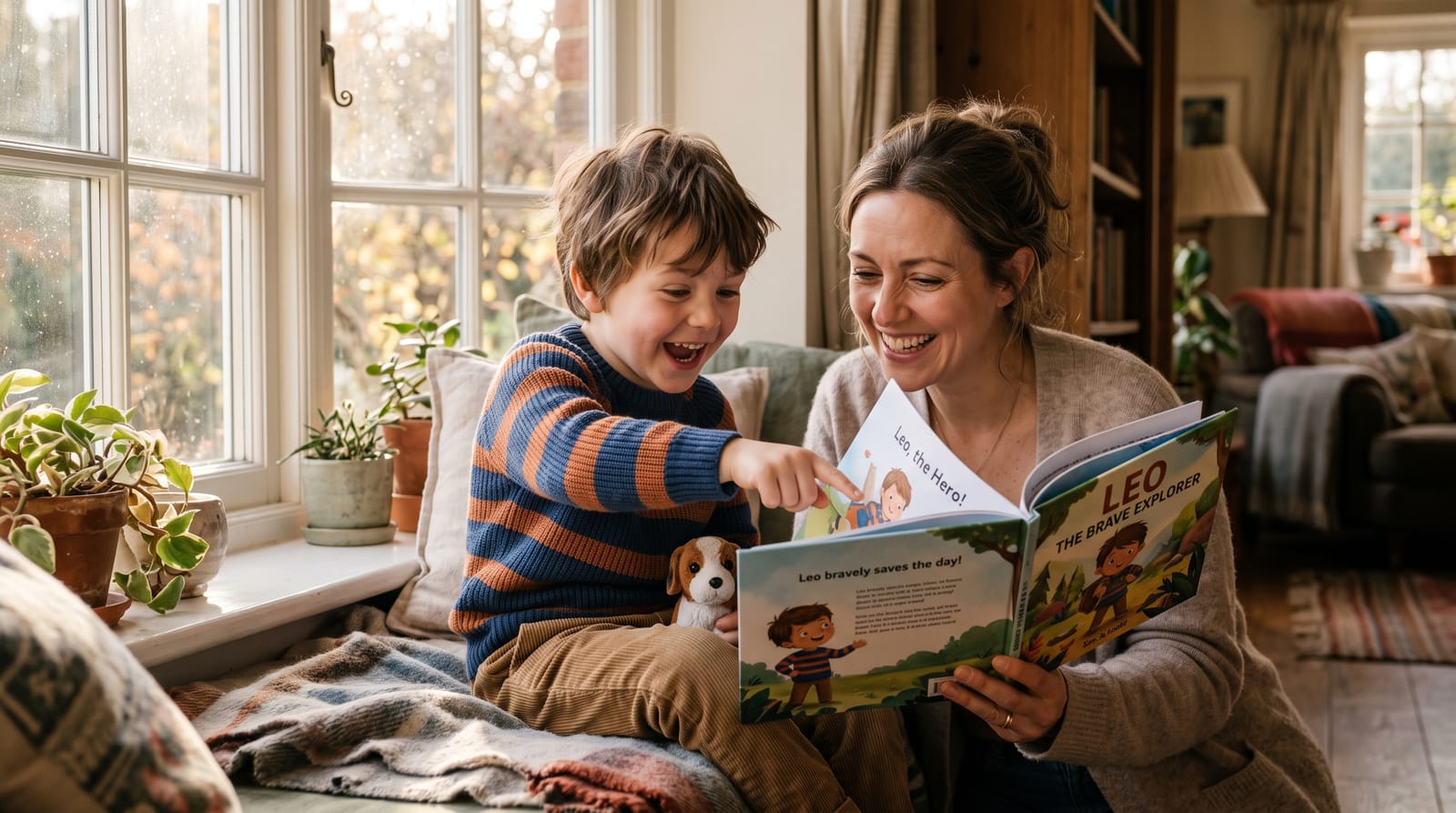
Psychologists often point to the "Self-Referent Effect," which is the tendency for people to encode information differently when it is related to themselves. When a child hears their own name in a story, their brain "levels up" its attention. They aren't just listening to a sequence of events; they are building a memory of an experience.
In the context of a picture book, this means:
- Increased Engagement: Even reluctant readers are drawn in when they are the star.
- Higher Retention: The lessons about bravery, sharing, or curiosity stick because the brain treats them as personal experiences.
- Emotional Safety: For children dealing with anxiety or big life changes (like moving or a new sibling), seeing themselves navigate these challenges successfully in a book provides a blueprint for real-life resilience.
At StorytimeHero, we see this every day. Parents tell us that their children don't just want to read the book once; they want to live in it. This is the "Mirror and the Map" at work—the book reflects who the child is today while mapping out who they can become tomorrow.
Building Modern Traditions: A New Kind of Keepsake
We often save the books that were read to us as children, hoping to pass them down. But the ultimate keepsake isn't just a story that survived the decades; it’s a story that captured a specific moment in a child’s life.
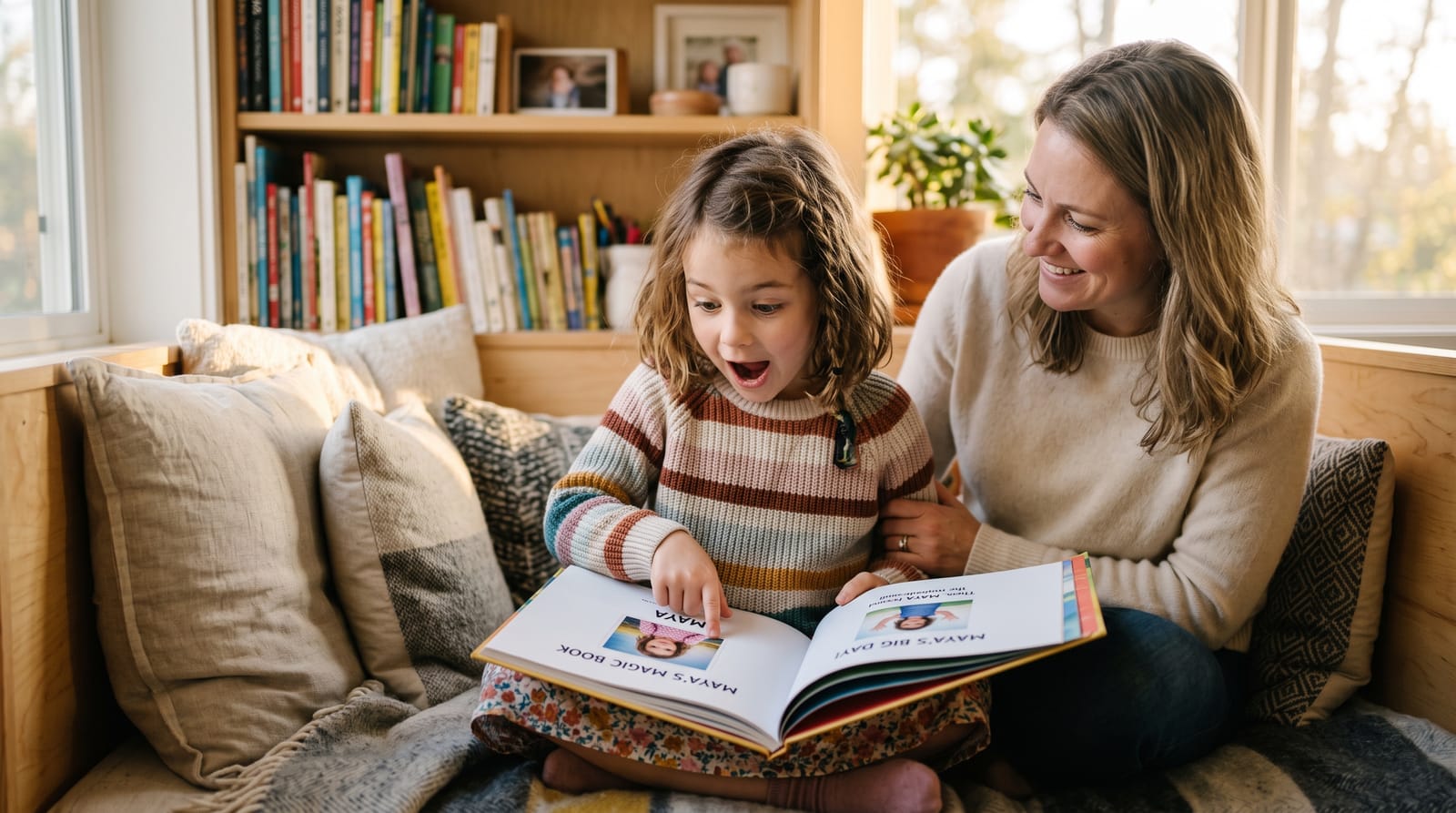
The modern picture book landscape is shifting toward "The Living Narrative." This means stories that grow with the family. A personalized book about a child’s first day of school or their specific relationship with a grandparent becomes a historical document of that family’s culture.
Instead of an overrated story that doesn't quite fit your family's vibe, you can create a new tradition. These are the books that don't end up in the "donate" bin because they are too tied to the child's identity to ever be truly "outgrown." They are anchors of belonging in a world that often feels fast-paced and impersonal.
How to Choose the Right Story for Your Child
When looking for the perfect picture book in {YEAR}, consider these three pillars:
- Relevance: Does the story reflect the world your child actually sees?
- Empowerment: Does the protagonist (especially if it’s your child!) have agency and make meaningful choices?
- Inclusivity: Does the book celebrate the wide spectrum of human experience, from physical ability to neurodiversity?
By opting for personalization, you aren't just buying a gift; you are investing in a tool for identity building. You are telling your child, "You are important enough to be the hero of the story."
FAQ: Common Questions About Personalized Picture Books
Q: Are personalized books only for kids who can’t read yet?
A: Not at all! While they are fantastic for toddlers to build name recognition, older children (ages 5-9) benefit immensely from the increased engagement. It can be a powerful "hook" for reluctant readers who find standard school books boring.
Q: Can personalized books help with specific behavioral challenges?
A: Yes. Many parents use them to "rehearse" routines or social situations. Seeing themselves successfully navigate a "bad day" or a new experience in a book can reduce anxiety and provide a sense of mastery.
Q: How do these books compare to "classic" picture books?
A: Classics provide a shared cultural language, but personalized books provide a private, familial language. They aren't meant to replace the classics, but to supplement them by providing the "mirror" that generic stories sometimes lack.
Related Reading
- /blog/personalized-books-redefining-modern-picture-book-landscape
- /blog/living-narrative-representation-resilience-modern-picture-book
- /blog/personalization-bridging-gaps-modern-picture-books
- /blog/meaningful-personalized-book-gift-ideas
Final Thoughts: The Future is Personal
The picture book is not a static object; it is a developing technology of the heart. As our understanding of childhood, psychology, and social justice evolves, our books must evolve too.
By choosing personalized books, we ensure that our children aren't just reading about a world that was—they are imagining a world where they are the central, capable, and celebrated actors. In {YEAR}, the greatest story you can tell your child is the one where they are the hero.
Whether they are navigating a "problem" like a rock climber, finding their voice like a river, or simply learning the value of a balanced, reciprocal friendship, your child deserves a narrative that fits them perfectly. After all, the best stories are the ones we can see ourselves in.
***
StorytimeHero is dedicated to helping parents create these moments of magic and connection. Explore our collection of personalized stories and start building your own modern traditions today.
Free preview checklist
Get the personalized book gift checklist
Know what photo to use, what to write in the dedication, and what to review before ordering.