The Evolution of the Picture Book: Bridging Gaps with Personalization | StorytimeHero
Upload a photo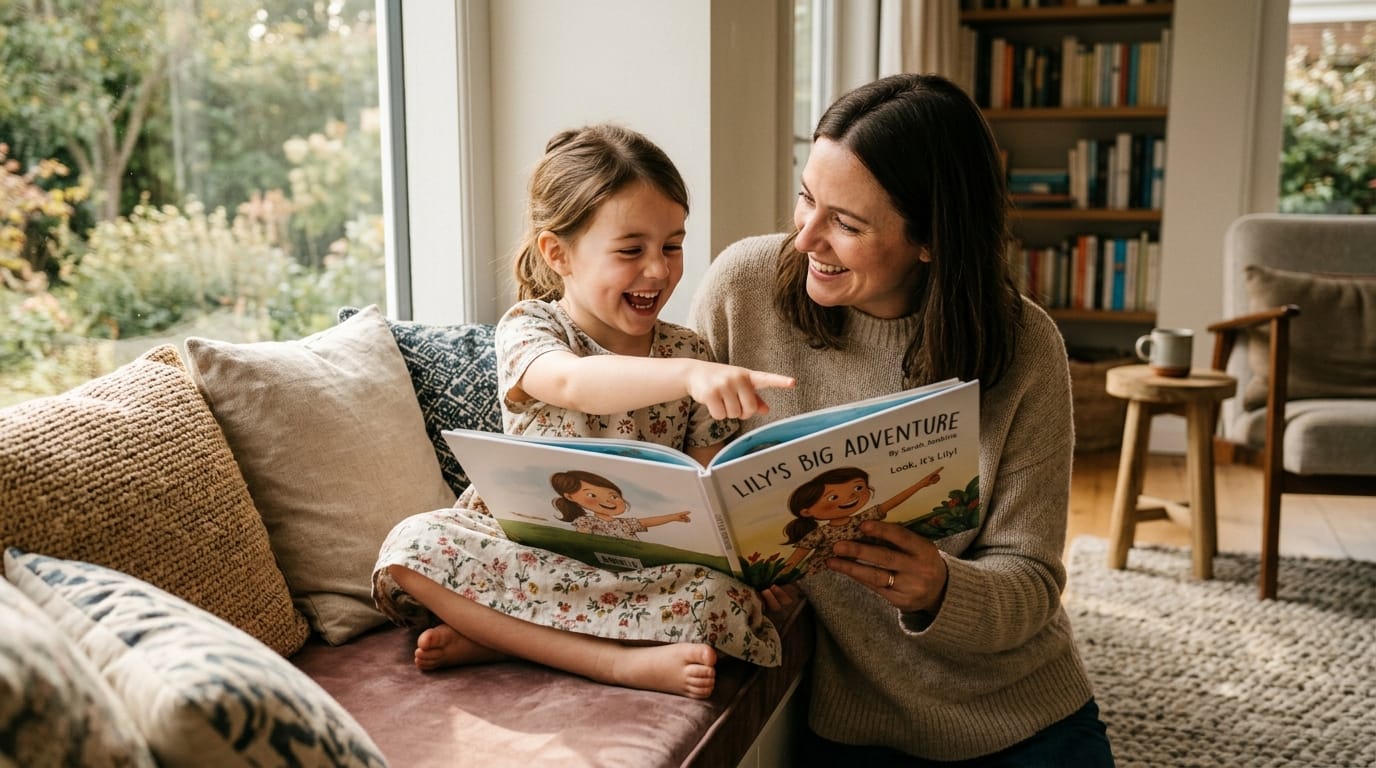
The magic of a picture book has always been its ability to transport a child to another world. For generations, we’ve gathered on the edge of twin beds or curled up in oversized armchairs, turning pages that smell of ink and imagination. These stories become the bedrock of a child’s early understanding of the world. However, as our society evolves, so do the needs of our youngest readers. In {YEAR}, parents are looking for more than just a whimsical tale; they are looking for mirrors that reflect their children’s reality and maps that guide them through a complex social landscape.
While classic literature holds a special place in our hearts, there is a growing realization that some traditional narratives may no longer serve the modern child’s developmental needs. This is where the evolution of the picture book takes a fascinating turn. By introducing personalization, we aren’t just changing a name on a page; we are fundamentally shifting the way a child interacts with concepts like community, boundaries, and identity.
Moving Beyond the "Legacy" Narrative
Many of us grew up with a specific set of "essential" stories. These books are often passed down like heirlooms, carrying the weight of nostalgia. Yet, when we revisit some of these classics through a modern lens, we occasionally find that the messages are slightly out of sync with the values we want to instill today.
For example, many older stories celebrate a version of "generosity" that looks more like self-effacement—characters who give until they have nothing left, without ever experiencing a sense of gratitude or reciprocity from those they help. In a world where we want to teach our children about healthy boundaries and the importance of mutual respect, these one-sided narratives can feel confusing.
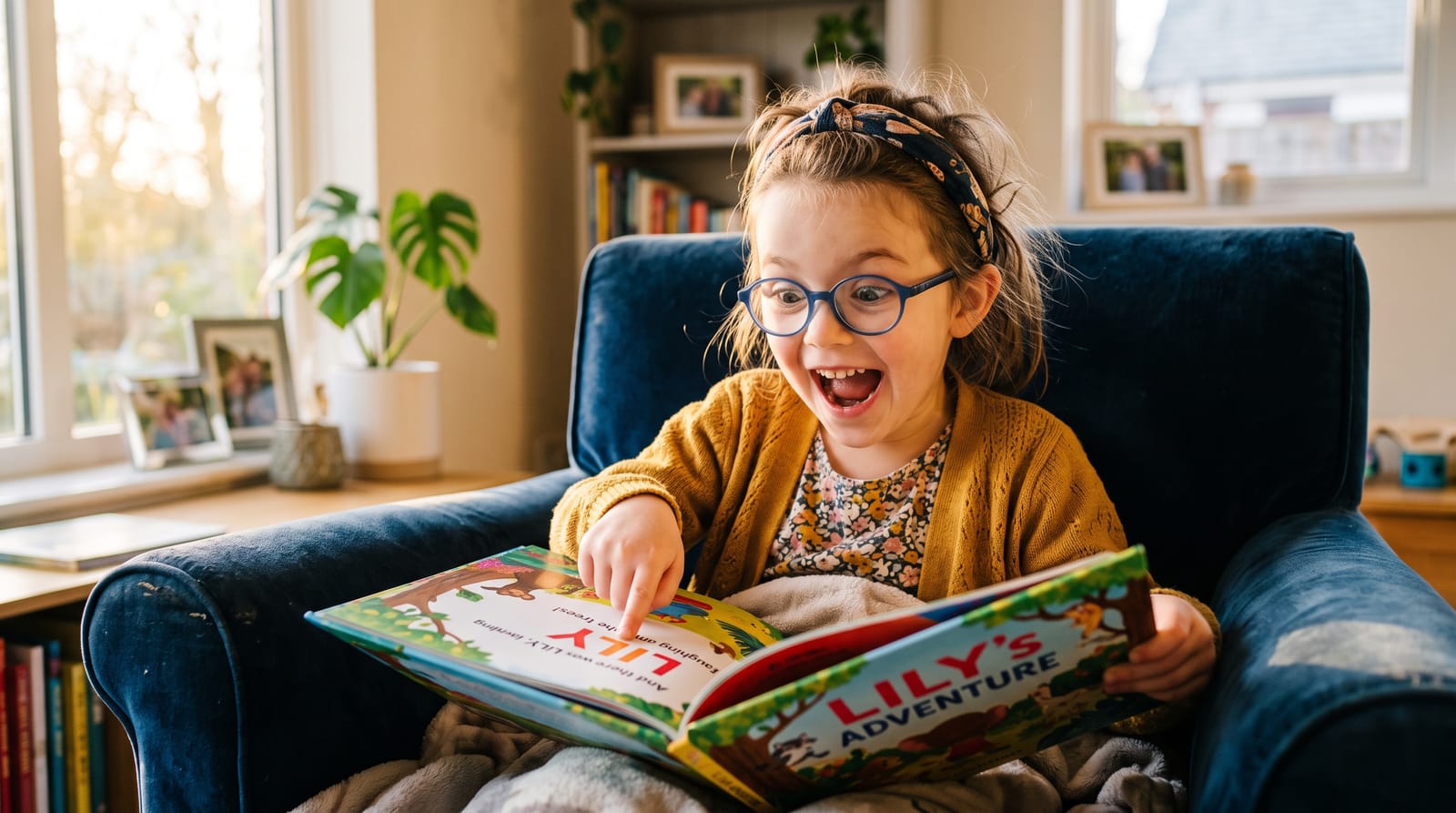
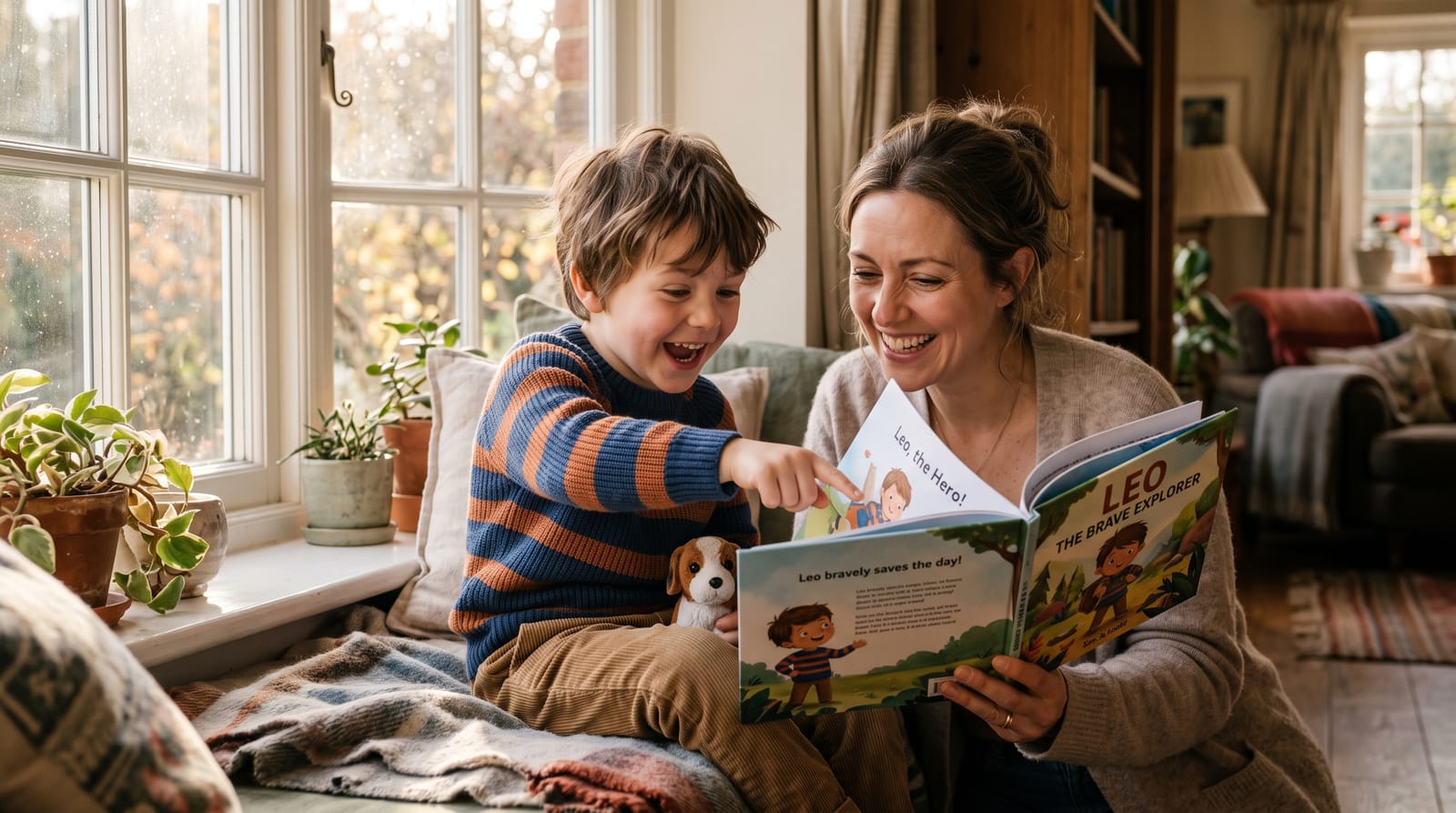
Personalized books address this by placing the child at the center of a balanced narrative. When a child sees themselves as the protagonist, the story becomes a rehearsal for real life. Instead of watching a character be taken advantage of, the child participates in stories where kindness is a two-way street. These books allow parents to curate a "living library" where the lessons are as relevant today as they will be twenty years from now.
By personalizing the picture book experience, we ensure that the "hero" of the story isn't just a distant figure, but a child learning to navigate the world with agency and self-worth.
Cultivating the "Good Neighbor" in an Isolated World
In recent years, our world has become increasingly digital and, in many ways, more isolated. We’ve traded "popping by" for scheduled Zoom calls and "borrowing a cup of sugar" for doorstep grocery deliveries. While these conveniences are wonderful, they can inadvertently teach children that community is something that happens on a screen or behind a closed door.
There is a profound need for a picture book that celebrates the "helper"—the person who shows up for their community not because it’s easy, but because it’s necessary. The concept of being a good neighbor is one of the most vital skills a child can learn. It’s about more than just being "nice"; it’s about understanding that we are all part of a larger web of support.
When a child reads a story where they are the one helping a neighbor find a lost pet or welcoming a new family to the block, the lesson sticks in a way that passive reading cannot achieve. StorytimeHero believes that when a child sees their own name and likeness performing acts of community service, it bridges the gap between "that’s a nice thing to do" and "that is something I am capable of doing."
This approach helps dismantle the "hyper-independence" that many adults struggle with today. By normalizing the act of asking for help and offering it in return, personalized stories help build the foundation for a more connected and resilient future.
Representation: Moving From "Special Events" to Daily Life
We often see a surge in books featuring diverse voices or specific groups during designated "history months." While these celebrations are crucial, representation shouldn't be a seasonal occurrence. A child’s library should reflect the beautiful diversity of the world every single day of the year.
Modern parents are increasingly aware that a picture book serves as both a mirror and a window. It’s a mirror when the child sees themselves reflected in the story, and a window when they see lives different from their own. However, for many children—especially those in underrepresented groups—the "mirror" part of that equation has historically been missing.
Personalization acts as a powerful tool for representation and embodiment. It allows a girl to see herself as a champion athlete, a scientist, or a world traveler without having to wait for a specific month on the calendar. It breaks down stereotypes by allowing the child to occupy any role they can dream of.
When we move beyond the "token" characters often found in traditional publishing and allow children to literally step into the shoes of the hero, we are telling them that their potential is not limited by their gender, race, or background. This creates a sense of presence in the modern landscape that is both empowering and essential for healthy development.
The Psychology of the "Name-Recognition Effect"
Why does it matter if a child’s name is in the book? From a developmental standpoint, the impact is significant. Psychologists have long noted that children (and adults!) have a heightened level of engagement when they hear or see their own names. This is often called the "Self-Referent Effect."
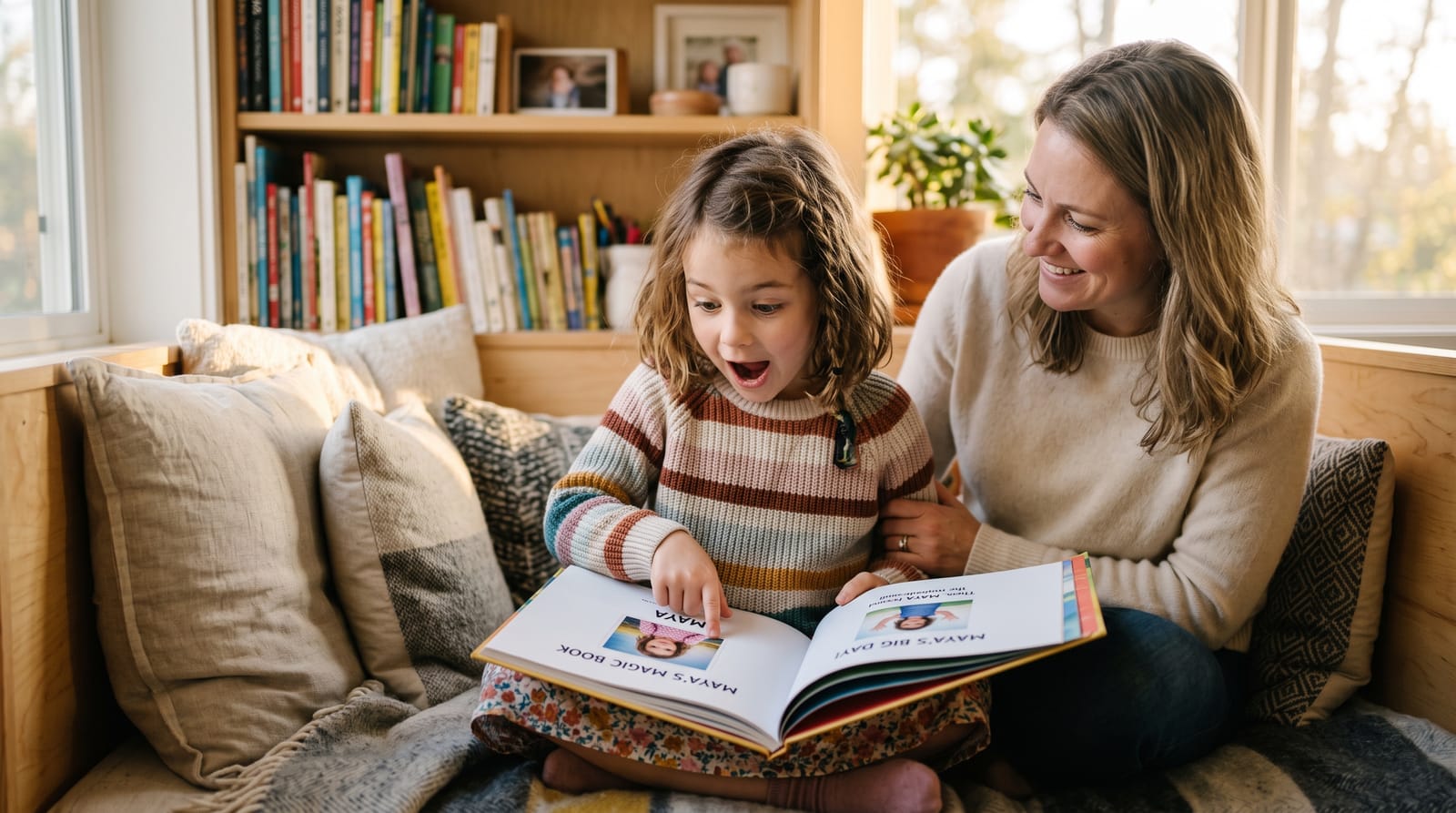
In the context of a picture book, this means that the child is not just observing a story; they are experiencing it. Their brain processes the challenges and triumphs of the character as if they were their own. This creates a deeper emotional connection to the themes of the book.
If the theme is "bravery," a child who sees themselves facing a dragon or a dark room in a book is more likely to tap into that felt sense of courage when they face a real-world fear. If the theme is "empathy," seeing themselves comfort a sad friend on the page helps them map out the actual steps of emotional support in their own lives. This is how personalized stories act as a "narrative glue," helping to strengthen family identity and personal character.
Bridging the Gap Between Screen Time and Storytime
In {YEAR}, the competition for a child’s attention is fierce. Tablets, apps, and streaming services are designed to be high-stimulation and instantly gratifying. For some children, a traditional picture book can feel "slow" by comparison.
However, the "magic" of a personalized book provides a unique competitive edge. The moment a child realizes, "Hey, that’s me!" or "That’s my dog!", their engagement levels spike. It turns the act of reading into an interactive discovery. Parents often find that children who previously struggled to sit through a story are suddenly eager to turn the next page to see what "they" do next.
This isn't about making books more like video games; it’s about making books more like life. By grounding the narrative in the child’s own reality, we make literacy feel personal and relevant. It transforms reading from a "task" into a "tradition."
Creating New Traditions for a New Generation
As we look toward the future of children's literature, it’s clear that the most impactful stories will be those that grow with the child. Legacy books will always have their place, but the "Living Library" of the future is one that is inclusive, reciprocal, and deeply personal.
By choosing stories that emphasize community, healthy boundaries, and year-round representation, we are giving our children more than just a hobby—we are giving them a toolkit for life. Personalized books allow us to curate these lessons in a way that feels natural and warm, rather than preachy or outdated.
At StorytimeHero, we believe that every child deserves to be the hero of a story that reflects the best version of the world we are trying to build. Whether it’s learning to be a good neighbor or seeing themselves break a new record, these stories provide the narrative anchor that modern families need to stay connected and grounded.
---
Frequently Asked Questions
Are personalized books better for early readers than traditional ones?
While both have value, personalized books often increase engagement and motivation. For early readers, seeing their own name (a word they usually recognize first) can build confidence and help them stay focused on the narrative, making the learning process feel more like play.
How do personalized stories help with "big feelings" or social anxiety?
By placing the child in a "brave" or "kind" role within the safety of a story, they can rehearse social interactions. This "narrative rehearsal" helps reduce the fear of the unknown. If they’ve already "successfully" helped a neighbor in their book, doing it in real life feels less daunting.
Can personalized books replace the classics?
We don't think they have to! Think of personalized books as a "modern update" to your library. They fill the gaps that classics might leave behind, such as diverse representation and modern social dynamics, while the classics provide a sense of history and shared culture.
---
Related Reading
Free preview checklist
Get the personalized book gift checklist
Know what photo to use, what to write in the dedication, and what to review before ordering.