How Personalization Solves the Modern Picture Book Dilemma | StorytimeHero
Upload a photo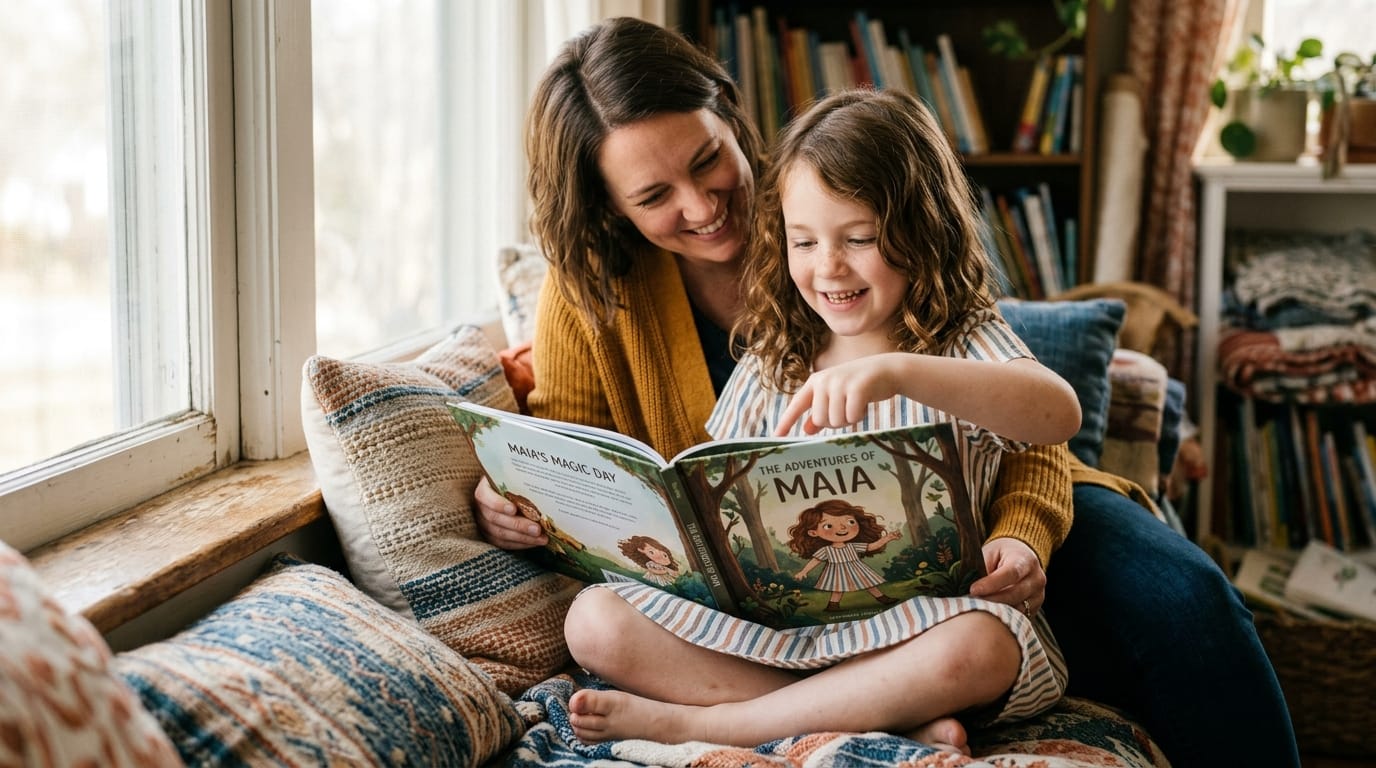
For generations, the picture book has been the cornerstone of the bedtime ritual. It is the first gallery a child ever visits and the first theater they ever attend. However, as we move through {YEAR}, the landscape of childhood is shifting. The stories that comforted us thirty years ago often feel a step removed from the complexities of today’s world. Parents are increasingly looking for stories that don’t just entertain, but also act as a compass for navigating a world that feels both more connected and more isolated than ever before.
The "modern picture book" is no longer just a static object on a shelf; it is becoming a dynamic tool for identity formation and community building. This is where the magic of personalized books comes into play. By placing a child directly into the heart of the narrative, we aren't just changing a name on a page—we are fundamentally altering how that child perceives their place in the world.
Moving Beyond the "Giving Tree" Model: Teaching Healthy Reciprocity
Many of us grew up with classics that emphasized total self-sacrifice. While the intention was to teach generosity, many modern parents are realizing that these narratives can inadvertently model one-sided relationships. In a world where we want our children to be both kind and resilient, the stories we read need to reflect a more balanced version of love—one rooted in mutual respect and gratitude rather than depletion.
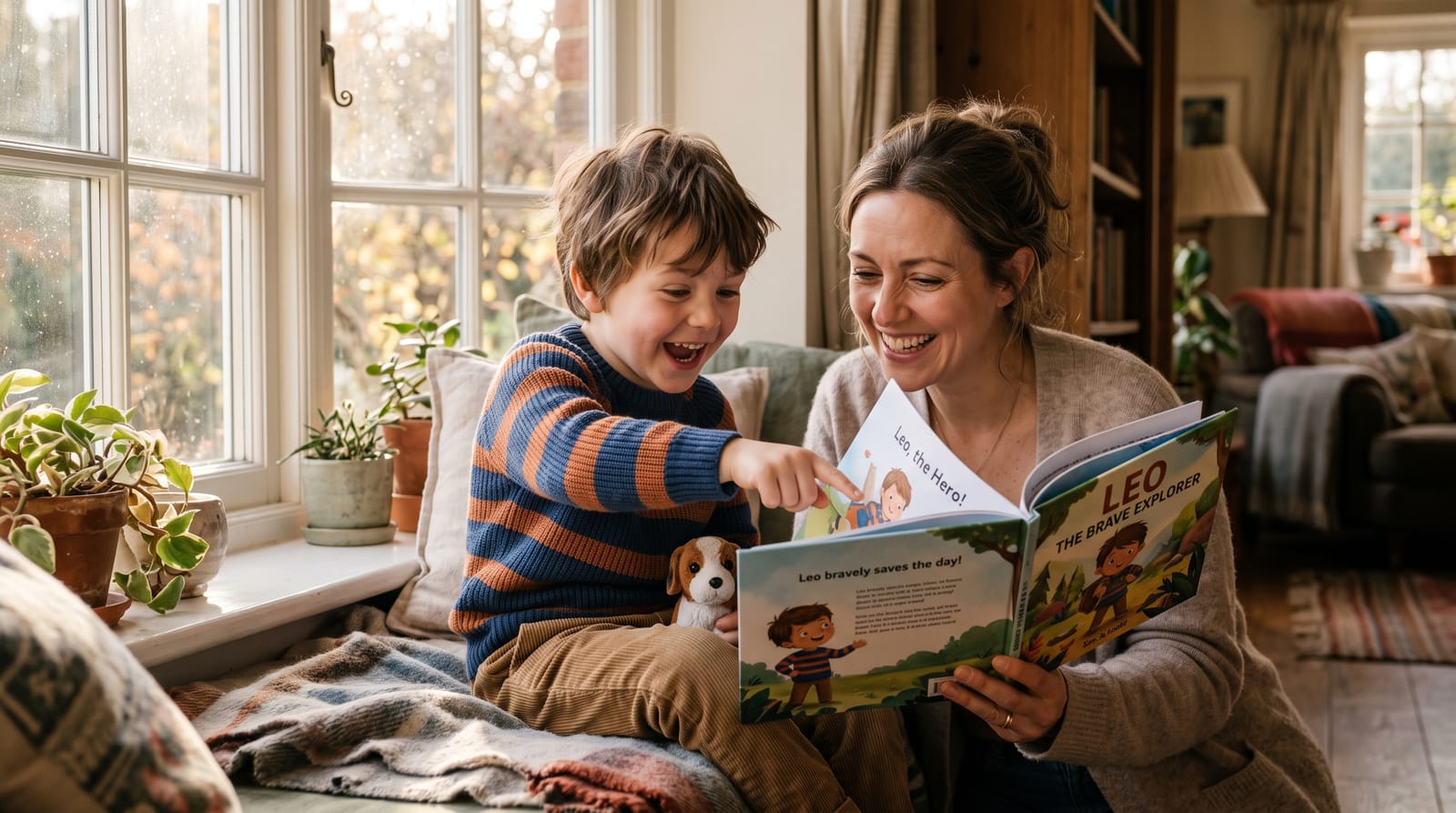
Personalized books offer a unique solution to this narrative hurdle. When a child sees themselves as the protagonist, the story becomes a rehearsal for real-life interactions. Instead of watching a distant character give everything away until they are a "stump," a personalized narrative can show the child engaging in acts of kindness that foster connection.
When the child is the hero, the story can emphasize the joy of the "thank you" and the warmth of a shared moment. It moves the needle from passive observation to active participation in healthy social dynamics. This shift is crucial for helping children understand that being a "good person" involves both giving with a full heart and recognizing their own inherent value.
Building the "Neighborhood of the Future" Through Story
There is a growing sense among educators and parents that our current era of "hyper-independence" is creating a bit of a community deficit. We have become experts at avoiding the "inconvenience" of our neighbors—opting for contactless deliveries and digital interactions over the old-school "cup of sugar" exchange. While efficient, this isolation can make the world feel like a scarier place for a young child.
One of the most profound ways a picture book can serve a family is by reintroducing the concept of the "helper." Modern storytelling is moving toward a "look for the helpers" philosophy, focusing on the fact that most people are inherently good and willing to support one another.
Personalized books take this a step further by bridging the gap between the fictional "helper" and the child’s actual reality. When a story depicts a child exploring their neighborhood or helping a friend, it validates the idea that they are a vital part of a larger ecosystem. It encourages them to step out of the "isolation bubble" and see their local community as a source of safety and friendship. By making the child the literal face of community spirit, we help them internalize the idea that they have the power to make their own neighborhood a warmer place.
Representation as a Constant, Not a Calendar Event
We often see a surge in specific types of stories during certain months of the year—celebrating female athletes in March or diverse heritage in various commemorative windows. While these celebrations are vital, the modern picture book needs to integrate this representation into the "everyday." A child shouldn't have to wait for a specific month to see a girl dominating on the hockey rink or a scientist of color solving a complex problem.
The power of the personalized book lies in its ability to normalize excellence across all identities, all year round. When a young girl sees herself as the rock-climbing champion or the gold-medal-winning athlete in her own book, it isn't a "special edition" story; it is her story.
This type of representation and embodiment is transformative. It moves the concept of "success" from something other people achieve to something that is personally attainable. For children who might not see themselves reflected in the "standard" protagonists of traditional publishing, personalization provides a direct mirror. It ensures that the "hero" of the story always looks, acts, and feels like the child holding the book.
The "Main Character" Effect: Why Presence Matters
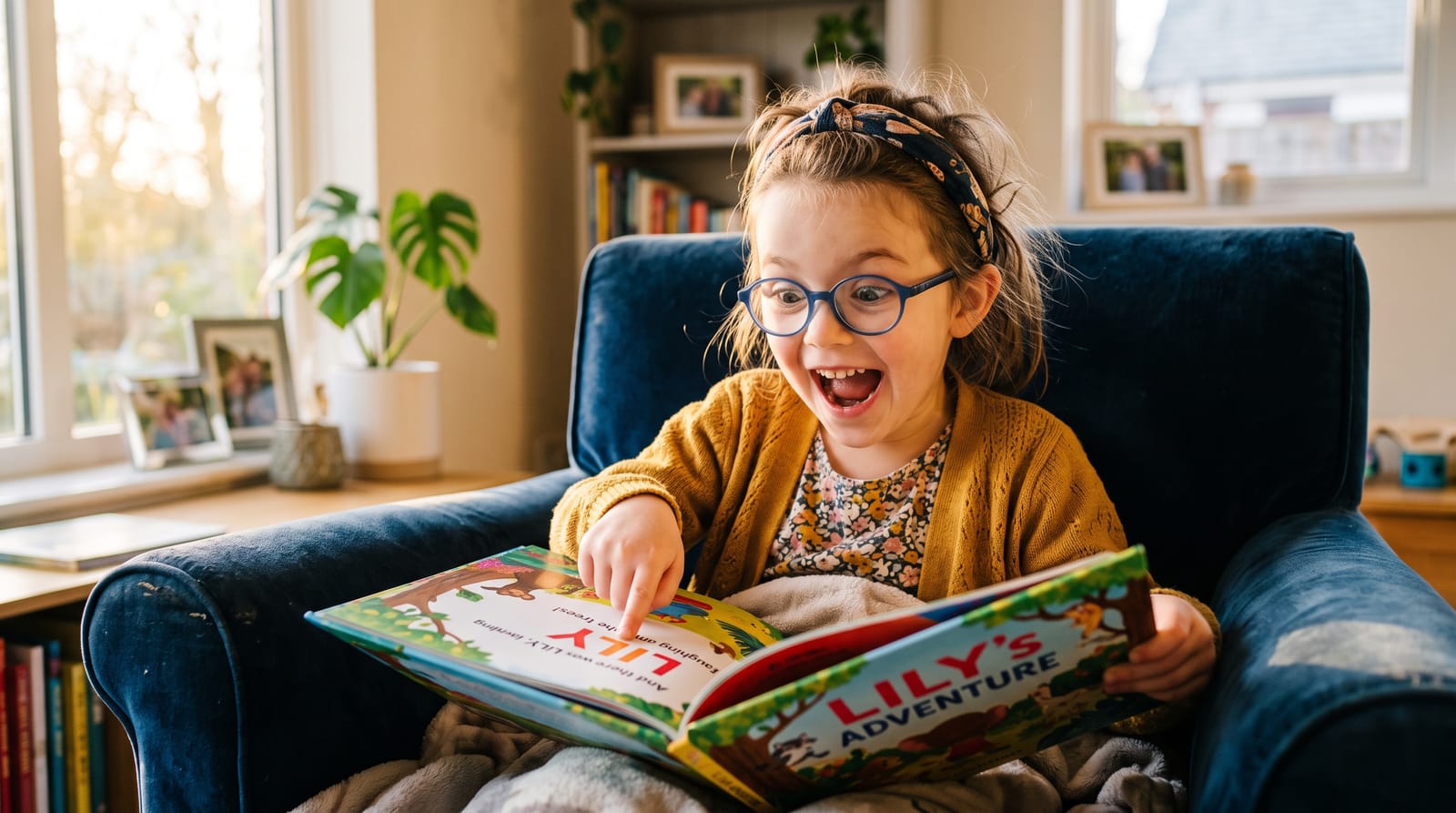
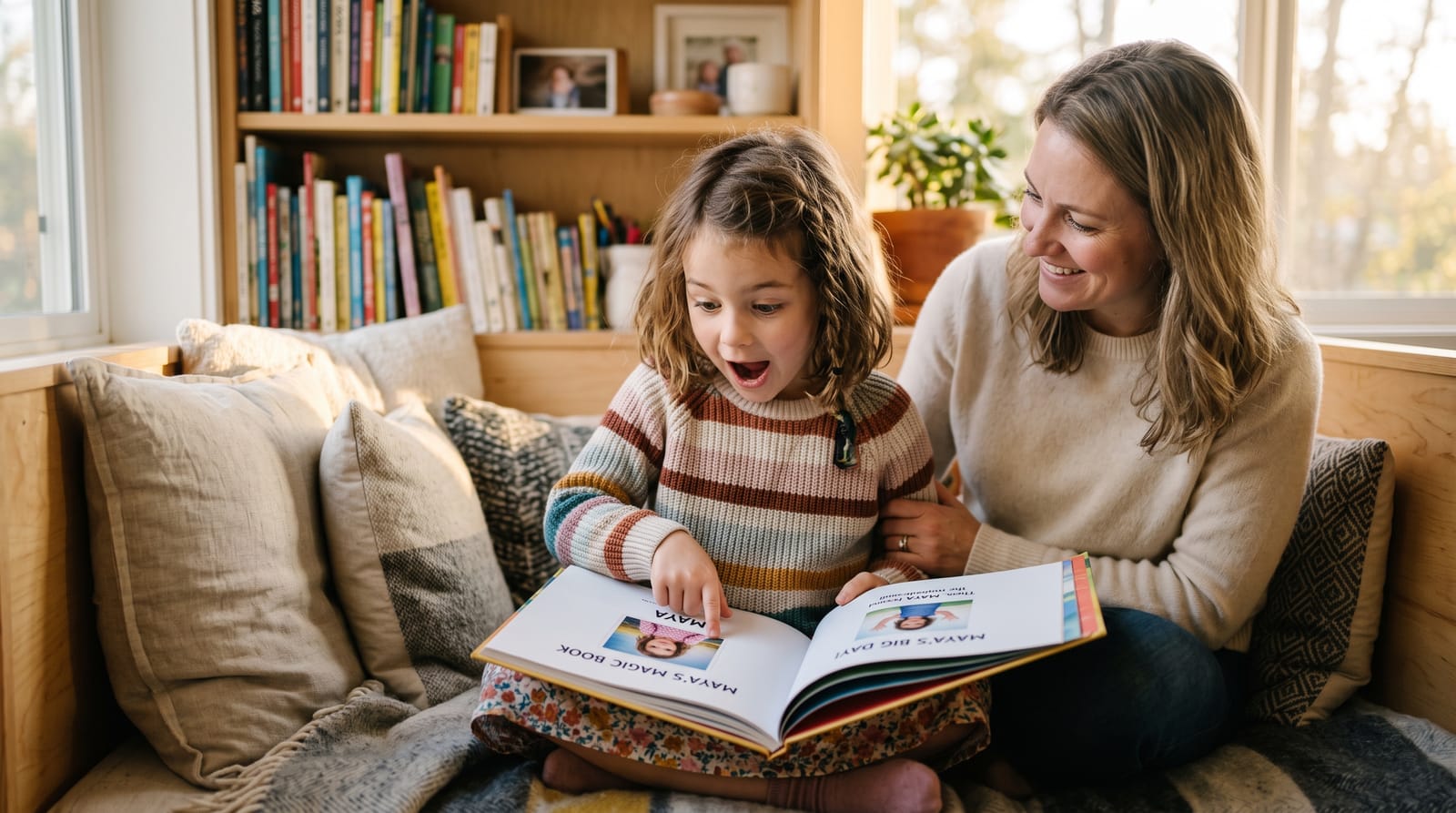
In the world of child psychology, there is a significant difference between hearing a story and inhabiting a story. Traditional picture books are "windows"—they allow a child to look out into another world. Personalized books are "mirrors"—they reflect the child back to themselves.
This "Main Character Energy" is more than just a fun gimmick. It serves several developmental purposes:
- Increased Engagement: A child is statistically more likely to focus on a story when they recognize their own name and likeness. This is a powerful tool for early literacy.
- Emotional Regulation: When a child sees "themselves" navigating a scary situation—like a first day of school or a move to a new house—they can mentally rehearse the bravery required for the real-life event.
- Empathy Development: Paradoxically, seeing yourself in a story can make you more empathetic toward others. By understanding their own "main character" journey, children can better recognize that everyone else is the main character of their own story, too.
As we explore how personalized books reimagine picture books, we see a move toward stories that are less about "once upon a time" and more about "here and now."
Navigating the "Scary World" Narrative
It is no secret that parents today feel a heightened sense of anxiety about the state of the world. It can be tempting to want to shield children from everything, but the better approach—and the one championed by modern picture books—is to provide them with the tools to find the light.
The most effective modern stories don't pretend that "bad things" never happen. Instead, they focus on the resilience of the human spirit and the prevalence of kindness. By using personalized books to tell these stories, we give children a sense of agency. They aren't just bystanders to the world's events; they are active participants who can choose to be the person who helps, the person who tries again after a fall, and the person who greets a new neighbor with a smile.
This shift in storytelling helps ground the child. It takes the "big, scary world" and shrinks it down to the "small, manageable neighborhood" where they are the hero. This is a vital part of modernizing the picture book experience for a new generation of parents who value emotional intelligence and community connection above all else.
Conclusion: The Future of the Bedtime Story
The picture book is evolving from a static relic of the past into a living, breathing part of a child's identity. At StorytimeHero, we believe that every child deserves to see themselves as the protagonist of a world filled with kindness, bravery, and community.
By addressing the gaps left by traditional classics—whether that’s the need for better representation, healthier relationship models, or a stronger sense of community—personalized books are setting a new standard for what a "good story" can do. They aren't just books; they are the blueprints for the people our children will become.
---
Related Reading
- How Personalization and the Modern Picture Book Intersect
- The Evolution of the Picture Book in the Digital Age
- Personalized Books & Modern Picture Book Trends for {YEAR}
- The Power of Presence in Modern Picture Books
---
Frequently Asked Questions
Q: How do personalized books help with a child's self-esteem?
A: When a child sees themselves as the hero of a story, it sends a powerful message that they are important and capable. This "mirroring" effect helps build a foundational sense of self-worth and confidence that carries over into real-world challenges.
Q: Are personalized books better for certain age groups?
A: While they are incredibly popular for toddlers and preschoolers due to the "name recognition" phase of literacy, older children (ages 5-8) benefit immensely from the complex emotional themes. At this age, seeing "themselves" navigate social situations or sports challenges can be a great way to build empathy and resilience.
Q: Can personalized stories actually teach "lessons" better than traditional ones?
A: Research into "self-referencing" suggests that we retain information better when it is related to ourselves. When a moral or lesson is directed at a character who shares the child’s name and appearance, the child is more likely to internalize that lesson as a personal value rather than just a story about someone else.
Q: How does StorytimeHero handle representation?
A: StorytimeHero is designed to be inclusive, allowing parents to customize characters to reflect the child’s unique appearance. This ensures that every child, regardless of their background, can see themselves represented as the star of the show, which is a key part of how personalized books address the modern picture book landscape.
Free preview checklist
Get the personalized book gift checklist
Know what photo to use, what to write in the dedication, and what to review before ordering.