Modernizing the Picture Book Experience | StorytimeHero
Upload a photo
For many of us, the smell of a well-worn picture book is a one-way ticket to our own childhoods. We remember the rhythm of the prose, the vibrant colors of the illustrations, and the feeling of being tucked safely into bed while a caregiver read to us. These stories are the bedrock of our early memories. However, as we step into the role of the reader for our own children in {YEAR}, we often find ourselves hitting unexpected speed bumps.
The world has changed significantly since the "classics" of the twentieth century were penned. Our understanding of emotional intelligence, boundaries, community, and representation has evolved. As parents and educators, we are increasingly looking for stories that don’t just entertain, but also reflect the nuanced, diverse, and interconnected world our children are growing up in.
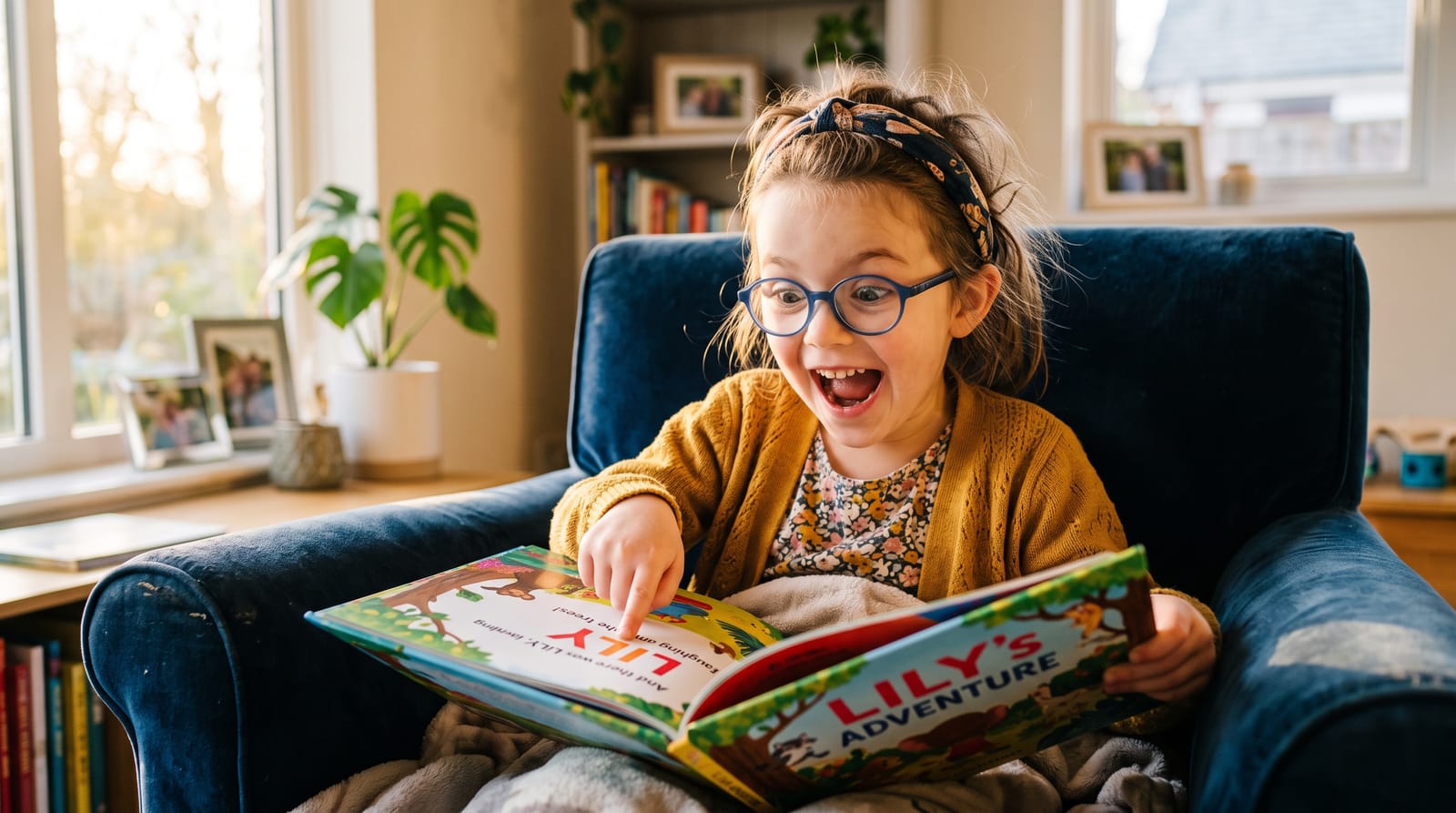
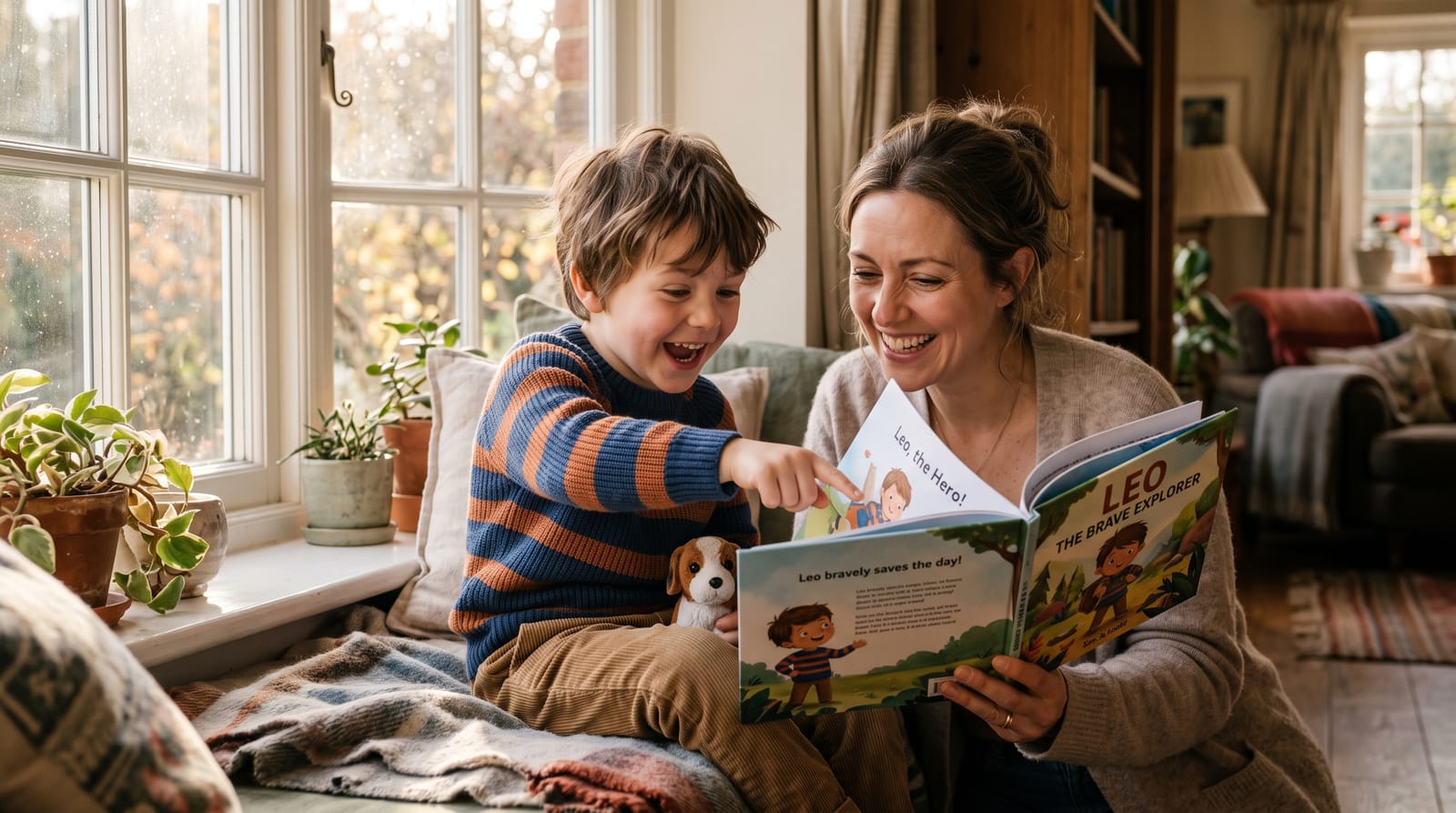
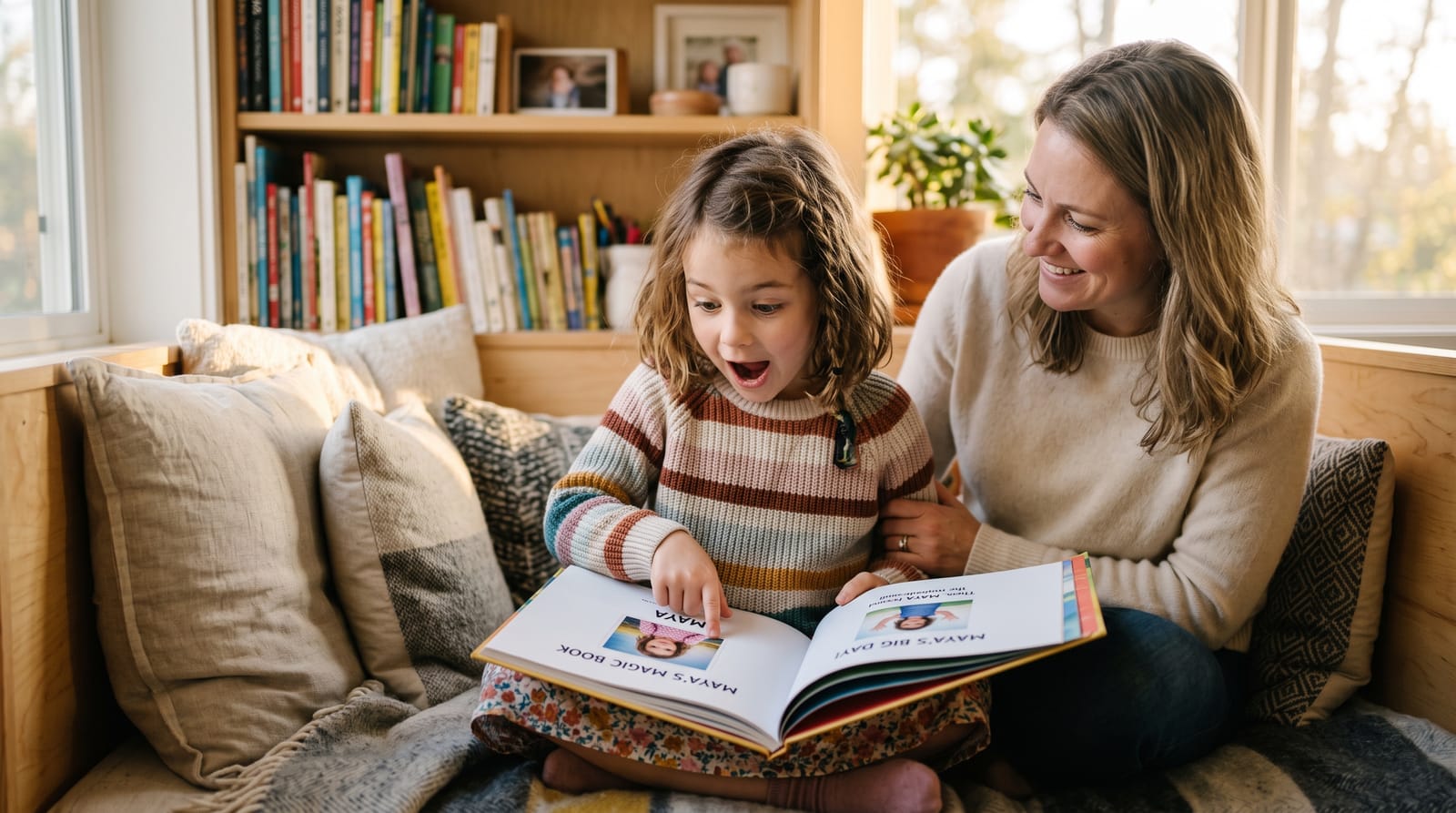
This is where the evolution of the picture book takes a fascinating turn. Personalized books are doing more than just inserting a name into a template; they are fundamentally addressing the gaps left by traditional narratives. At StorytimeHero, we believe that when a child sees themselves as the protagonist, the story ceases to be a distant fable and becomes a living blueprint for how they can navigate their own lives.
The Boundary Shift: From Self-Sacrifice to Self-Empowerment
Many of the beloved stories from previous generations lean heavily on themes of extreme self-sacrifice. While the intention was to teach generosity, modern parents are often wary of narratives that suggest one must give until they have nothing left to be considered "good."
In a traditional picture book, a character might be praised for literal self-depletion. But in the modern era, we want to teach our children about reciprocity, healthy boundaries, and the idea that you cannot pour from an empty cup. Personalization changes the stakes of these lessons. When a story is about "a boy" or "a girl," the child is an observer. When the story is about them, the lesson on kindness becomes an active practice.
By placing the child at the center of the narrative, personalized books can model how to be a "helper" without losing one's sense of self. It shifts the focus from passive giving to active problem-solving. A child who sees themselves navigating a challenge in a book learns that they have the agency to change their circumstances while still being a person of character. This shift is vital for raising children who are both empathetic and resilient.
Cultivating the "Good Neighbor" in a Hyper-Independent Age
We live in an era of unprecedented convenience. We can order groceries with a tap, avoid phone calls with a text, and exist in a digital bubble that rarely requires us to interact with the people living three feet away from us. While this hyper-independence has its perks, it has also led to a growing sense of isolation.
The modern picture book is beginning to fight back against this trend by celebrating the "micro-community"—the neighborhood. The "look for the helpers" philosophy is more relevant than ever, but there is an even more powerful step: teaching children to be the helpers.
Personalized books take this a step further by placing the child in scenarios where they are the ones building the bridge or checking on a friend. When a child reads a story where they are the one organizing a neighborhood cleanup or welcoming a new family to the street, the concept of community moves from an abstract idea to a personal identity. They aren't just reading about a good neighbor; they are rehearsing being one. This "narrative rehearsal" is a powerful tool for overcoming the social friction of our modern, often disconnected world.
Representation as a Daily Practice, Not a Calendar Event
For too long, representation in children’s literature was treated as a seasonal occurrence. We saw surges in stories about specific cultures or identities during designated months, only for those voices to fade into the background for the rest of the year.
Today’s parents recognize that diversity isn't a special feature—it is the reality of our world. We want our children to see female athletes as the norm, to see families of all structures as standard, and to see protagonists of all abilities and backgrounds as the heroes of their own adventures.
Personalization inherently solves the "default protagonist" problem. When you create a book that mirrors a child’s actual appearance, family structure, or interests, you are affirming that their specific life is worthy of being a "main character" story every single day.
For instance, a story about a female athlete isn't just a lesson in history; for a young girl who sees herself in those illustrations, it’s a vision of her own future. This is the core of Resilience & Representation in Picture Books, where the story serves as both a mirror and a window. It reflects the child’s potential while opening a window to a world where they can achieve anything.
Why Relevance is the Key to Early Literacy
We’ve all been there: you’re three pages into a story you think is a masterpiece, and your child is already looking for their toy truck or asking for a snack. Sometimes, the disconnect happens because the world described in the book feels entirely foreign to their lived experience.
While fantasy and whimsy are essential, children also crave relevance. They want to see the things they recognize—the way they brush their teeth, the specific way their family says goodbye in the morning, or the park they play in.
StorytimeHero uses personalization to bridge this gap. When a child hears their own name and sees a character that looks like them navigating a familiar world, their "internal radar" pings. This immediate relevance increases engagement, which is the primary driver of literacy. A child who is invested in the protagonist is a child who wants to know what happens on the next page. This is a key part of how Personalization and the Modern Picture Book work together to create a more effective learning environment.
The "Helper" Mentality: Navigating a Scary World
It is no secret that the world can feel like a daunting place for both parents and children. We want to protect our kids from the "scary things," but we also know that shielding them entirely isn't possible—or even helpful in the long run.
The most effective way to address the anxieties of the modern world is through stories that emphasize the goodness of "most people." By focusing on the small, local acts of kindness that happen every day, we provide children with a sense of security.
Personalized books allow us to tailor these messages. We can create stories where the child is the one finding the lost dog, helping a friend who fell, or simply sharing a smile. This transforms the child from a passive observer of a "scary world" into an active participant in a "kind world." It reinforces the idea that while they cannot control everything, they can always control how they show up for others. This is the essence of The Power of Presence in Modern Picture Books.
Building New Traditions for {YEAR} and Beyond
Nostalgia is a powerful force, but it shouldn't be the only criteria for the books we share with our children. We have the opportunity to build new traditions—stories that are as diverse, inclusive, and emotionally intelligent as we hope our children will become.
Personalized books represent a shift in the "architecture of belonging." They are not meant to replace the classics, but to supplement them with stories that feel "highly relevant" to the child’s actual life. By creating a library that includes the child as a hero, we are telling them that their story is still being written, and they have the power to be the author of their own character.
As we look toward the future of the picture book, the trend is clear: the most impactful stories are the ones that make the reader feel seen, heard, and empowered. Whether it’s through celebrating a female athlete’s grit or a neighbor’s quiet kindness, personalized books are ensuring that the next generation of readers grows up knowing that they belong in the story.
---
Frequently Asked Questions
Related Reading
Free preview checklist
Get the personalized book gift checklist
Know what photo to use, what to write in the dedication, and what to review before ordering.