Modern Picture Book Trends & Personalization | StorytimeHero
Upload a photo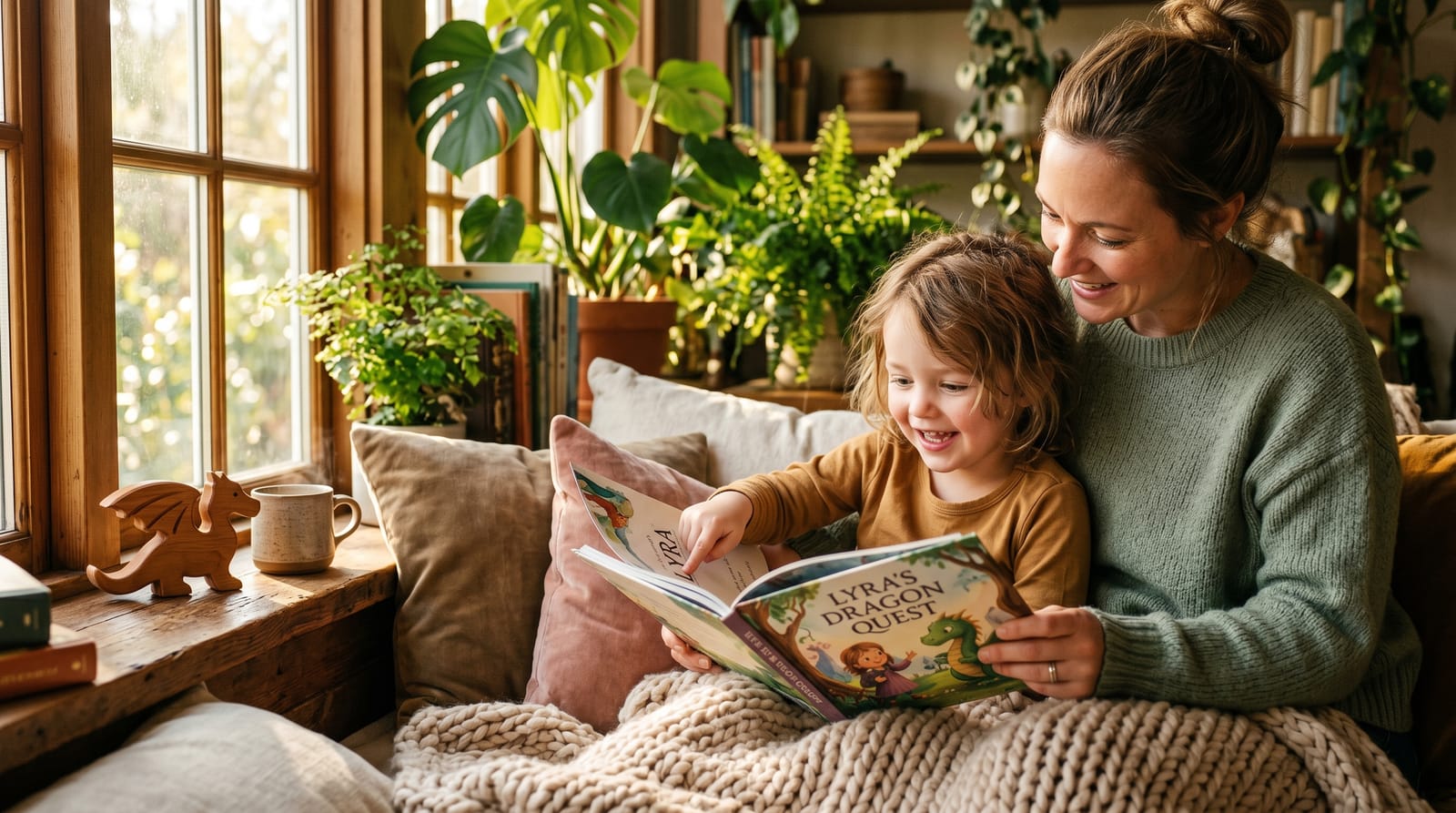
There is a quiet, almost electric anticipation that fills a room when a child opens a new book. In that moment, the world outside the window—the hum of the refrigerator, the distant sound of traffic, the glow of a tablet—fades into the background. For decades, the picture book has served as this portal, but as we move through {YEAR}, the way these stories are constructed is undergoing a beautiful transformation.
We are seeing a shift toward deeper world-building, a resurgence of lyrical poetry, and a grounding return to nature. These aren't just passing fads; they are responses to what children need most in an increasingly digital world: connection, wonder, and a sense of belonging. At StorytimeHero, we believe that the most powerful way to experience these trends is not just by observing them from the sidelines, but by stepping directly into the narrative.
When we talk about the evolution of the picture book, we are really talking about how we can make stories feel more like "home" for the little ones who read them. Personalization is the key that unlocks this door, turning a beautiful story into a formative life experience.
The Rise of "Cozy Fantasy" and Expansive World-Building
One of the most exciting shifts in modern children's literature is the move toward "high fantasy" for the youngest readers. Historically, complex world-building was reserved for middle-grade novels or epic young adult sagas. Today, however, creators are realizing that a four-year-old’s imagination is more than capable of navigating intricate magical ecosystems.
The current trend favors "cozy fantasy"—stories where the stakes might involve baking a cake for a grumpy dragon or finding the perfect moss for a monster’s tea party. These stories provide the "warm hug" feeling that many families are seeking. They offer a sanctuary where magic is gentle, and problems are solved through kindness and community.
Why Personalization Heightens the Magic
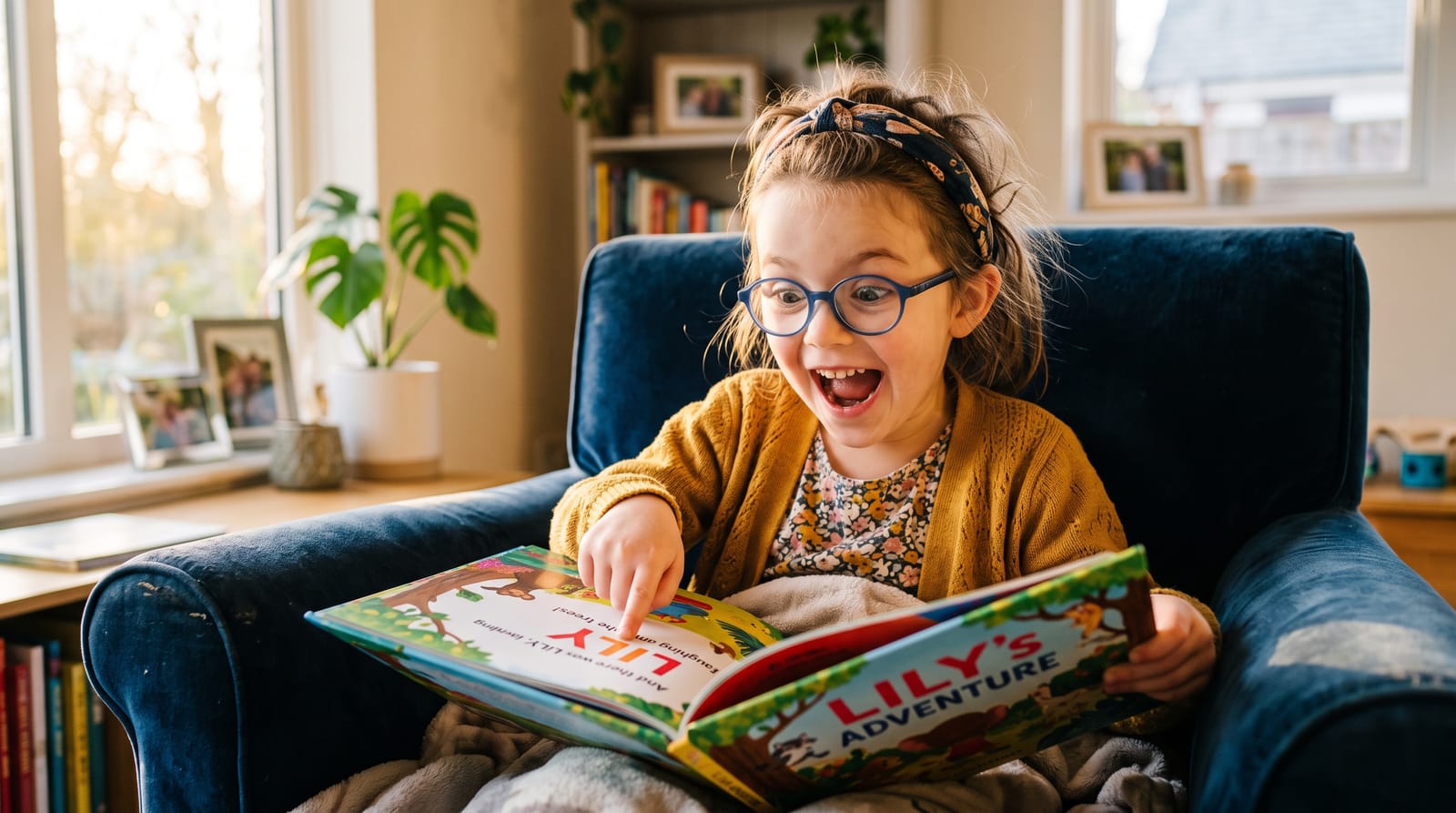
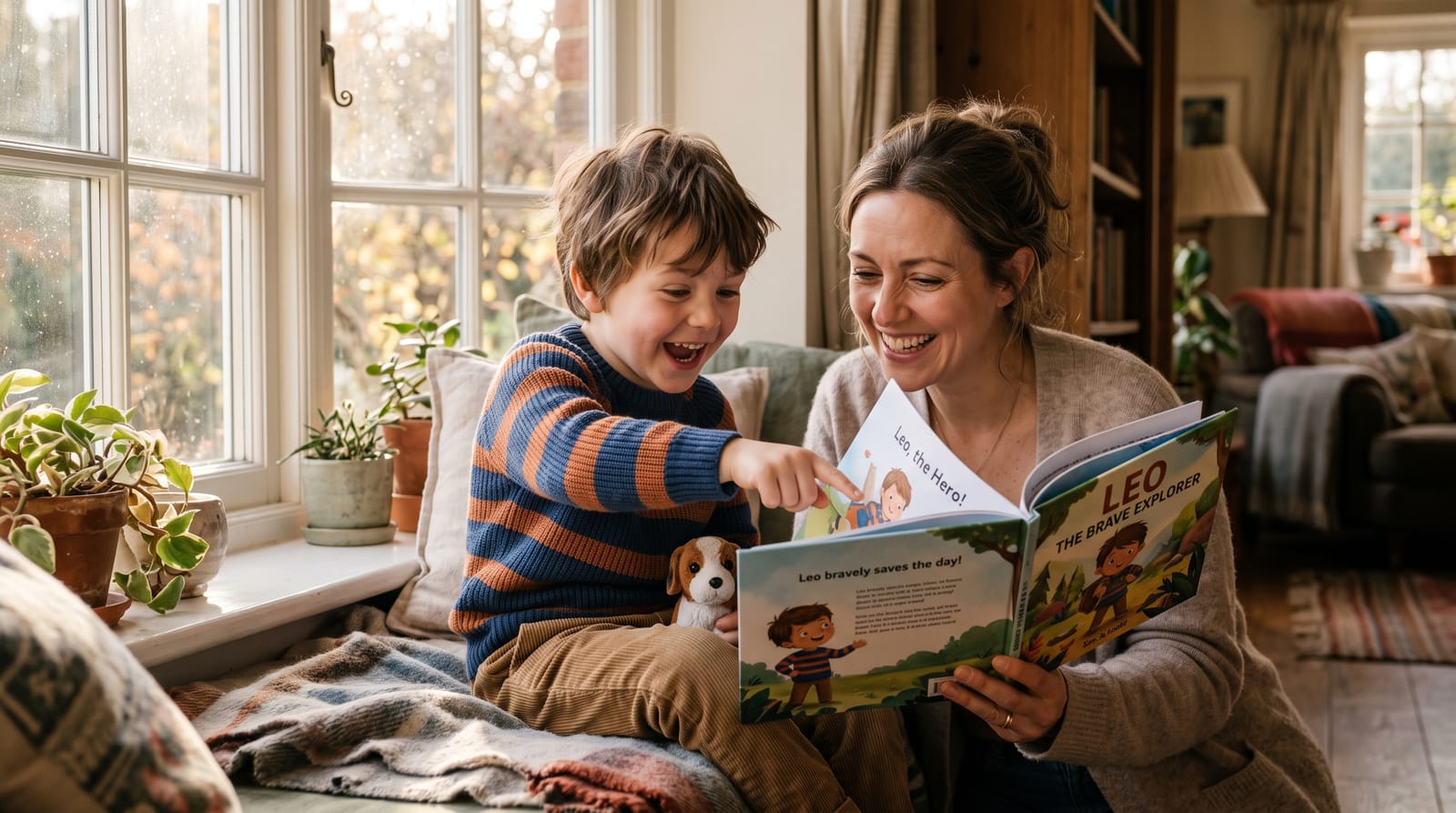
When a child sees their own name woven into a world of "knight owls" or culinary-inclined dragons, the "willing suspension of disbelief" becomes effortless. In a standard fantasy picture book, the child is a spectator. But in a personalized book, the child becomes the architect of the magic.
When the dragon isn't just talking to a generic character, but is specifically asking your child for help, the emotional stakes are raised. This level of engagement helps children develop empathy and problem-solving skills, as they aren't just watching a hero navigate a magical forest—they are the ones holding the map.
For more on how these narratives are shifting, you might enjoy reading about the evolution of the modern picture book.
Poetry as a Balm: The Return of Rhythm and Resonance
In the rush of modern life, poetry offers a much-needed pause. There is a growing movement to bring verse back to the forefront of the picture book world. Unlike prose, poetry relies on the "music" of language—the cadence, the rhyme, and the startling imagery that sticks in a child’s mind long after the book is closed.
Poetry in children’s books is often described as a "balm." It helps children process complex emotions, celebrate their identity, and find joy in the mere sound of words. Whether it’s a biography of a legendary poet or a collection of verses about the changing seasons, poetry invites a slower, more intentional reading experience.
The Music of a Child’s Name
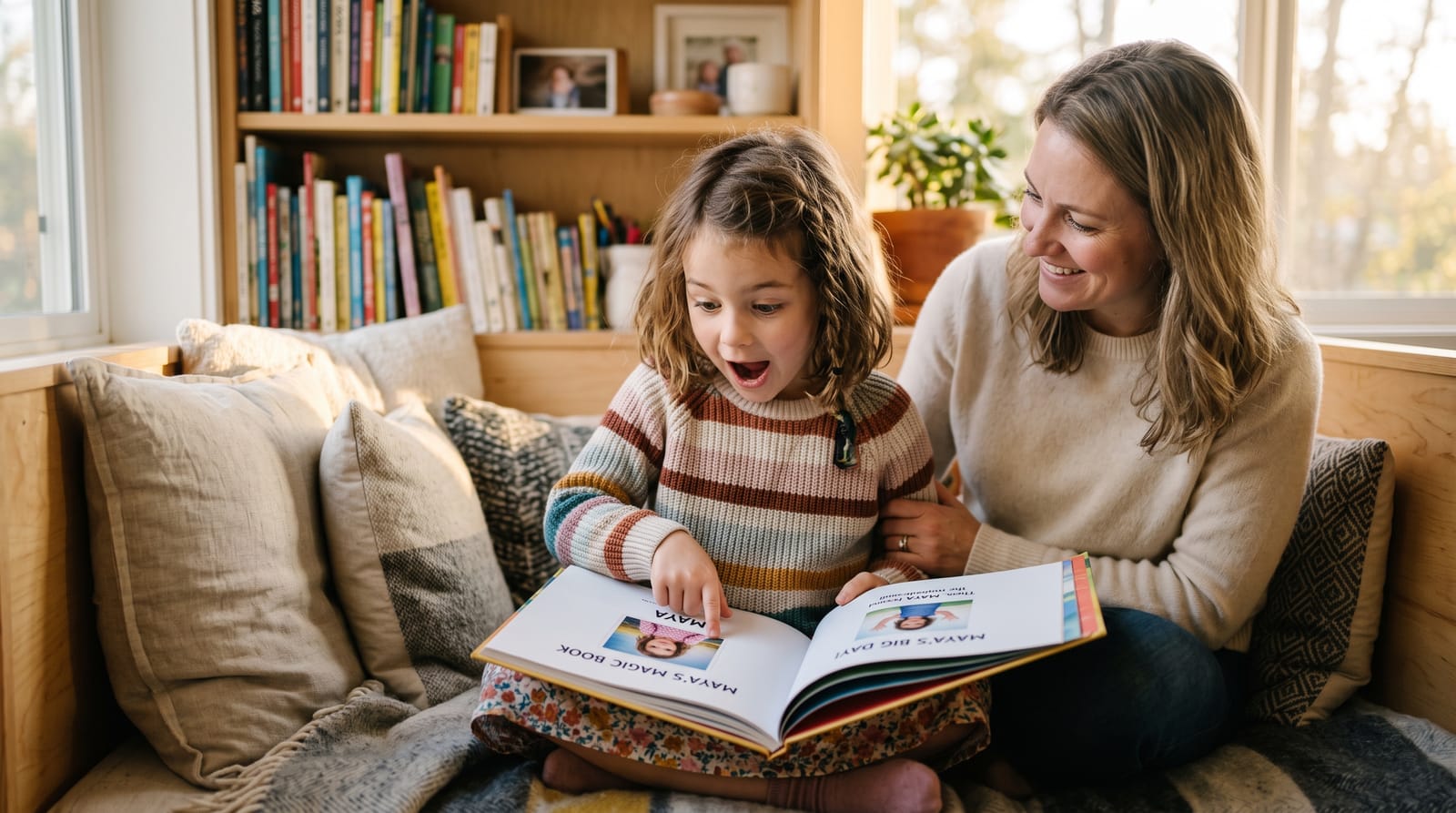
There is no word more musical to a child than their own name. When you integrate a child’s identity into a poetic narrative, the rhythm of the story becomes uniquely theirs. Personalized books allow the "joy of sound" to become a personal celebration.
Imagine a poem about bravery where the stanzas are built around your child’s specific traits, or a lyrical journey through family history where the child is the latest blooming flower on the ancestral tree. This intersection of poetry and personalization creates a deep sense of "narrative belonging," helping children feel seen and heard in the most literal sense.
To explore how this deeper connection works, check out our guide on how personalization enhances the picture book experience.
Grounding Childhood in the Natural World
As screen time increases, many parents and educators are turning to nature-themed stories to ground children in the physical world. The modern picture book is increasingly focused on "slow" narratives—stories that celebrate the first sprout of spring, the smell of damp earth, or the way the light changes as winter fades.
These books serve a dual purpose: they are calming tools for "cabin fever" and educational resources that foster environmental stewardship. They encourage children to look closely at the small details—the veins on a leaf, the pattern on a ladybug’s back—and to find wonder in the transitions of the seasons.
Becoming a Part of the Ecosystem
Personalization takes these nature stories a step further by placing the child directly into the environment. Instead of reading about a child walking through the woods, your child is the one noticing the "goodbye winter, hello spring" transitions.
This creates a powerful psychological link between the child and the natural world. When they are the protagonist of a story about growth and change, they begin to see themselves as an active participant in their own environment. They aren't just reading about nature; they are experiencing their place within it.
We’ve discussed this in depth in our article on how personalized books anchor modern childhood.
Why This Matters in {YEAR}
The world is louder and faster than it has ever been. For a child, navigating this can be overwhelming. The trends we see in the picture book market today—cozy fantasy, lyrical poetry, and nature-centric themes—are all attempts to provide a "soft landing" for young minds.
By choosing personalized books, parents are doing more than just buying a gift; they are creating a bespoke educational tool. These stories:
- Boost Literacy: A child is more likely to engage with text that mentions them by name.
- Enhance Self-Esteem: Seeing oneself as the hero of a high-fantasy quest or a beautiful poem builds confidence.
- Foster Emotional Intelligence: Immersive stories allow children to "practice" emotions in a safe, controlled environment.
At StorytimeHero, our mission is to ensure that every child feels like the hero of their own story, especially as these rich, modern themes continue to evolve.
Related Reading
- Personalization and Modern Picture Book Themes
- The Evolution of the Picture Book: Bridging Gaps with Personalization
- Why Kids Read More When They're the Main Character
- Personalized Picture Books: Poetry, Nature & Community
Frequently Asked Questions
Free preview checklist
Get the personalized book gift checklist
Know what photo to use, what to write in the dedication, and what to review before ordering.