How Personalization Enhances the Picture Book | StorytimeHero
Upload a photo
The magic of a traditional picture book lies in its ability to transport a child to another world. We remember the smell of the library, the weight of the hardcover in our laps, and the way the illustrations seemed to glow under a bedside lamp. But as we move further into {YEAR}, the way we approach these stories is shifting. Parents today aren’t just looking for a distraction or a simple bedtime ritual; they are looking for tools to help their children navigate an increasingly complex, fast-paced, and sometimes isolating world.
While the classics will always have a place on our shelves, there is a growing realization that some older narratives don't quite meet the emotional or social needs of the modern child. This is where the evolution of the picture book through personalization comes into play. By placing the child at the center of the narrative, we aren't just changing a name on a page—we are fundamentally altering how the child interacts with the concepts of community, nature, and self-worth.
Bridging the Relevance Gap in Today’s Storytelling
For many of us, the books we grew up with are tethered to deep nostalgia. We want to share them with our children because they represent our own first steps into literacy. However, as many educators and librarians have noted, some of these "timeless" stories carry messages that feel out of sync with modern values.
Consider the traditional themes of self-sacrifice or unconditional giving that were prevalent in 20th-century literature. While the intent was to teach generosity, the execution often lacked the concept of reciprocity or healthy boundaries. In a modern context, we want our children to be kind and giving, but we also want them to understand their own value and the importance of mutual respect in relationships.
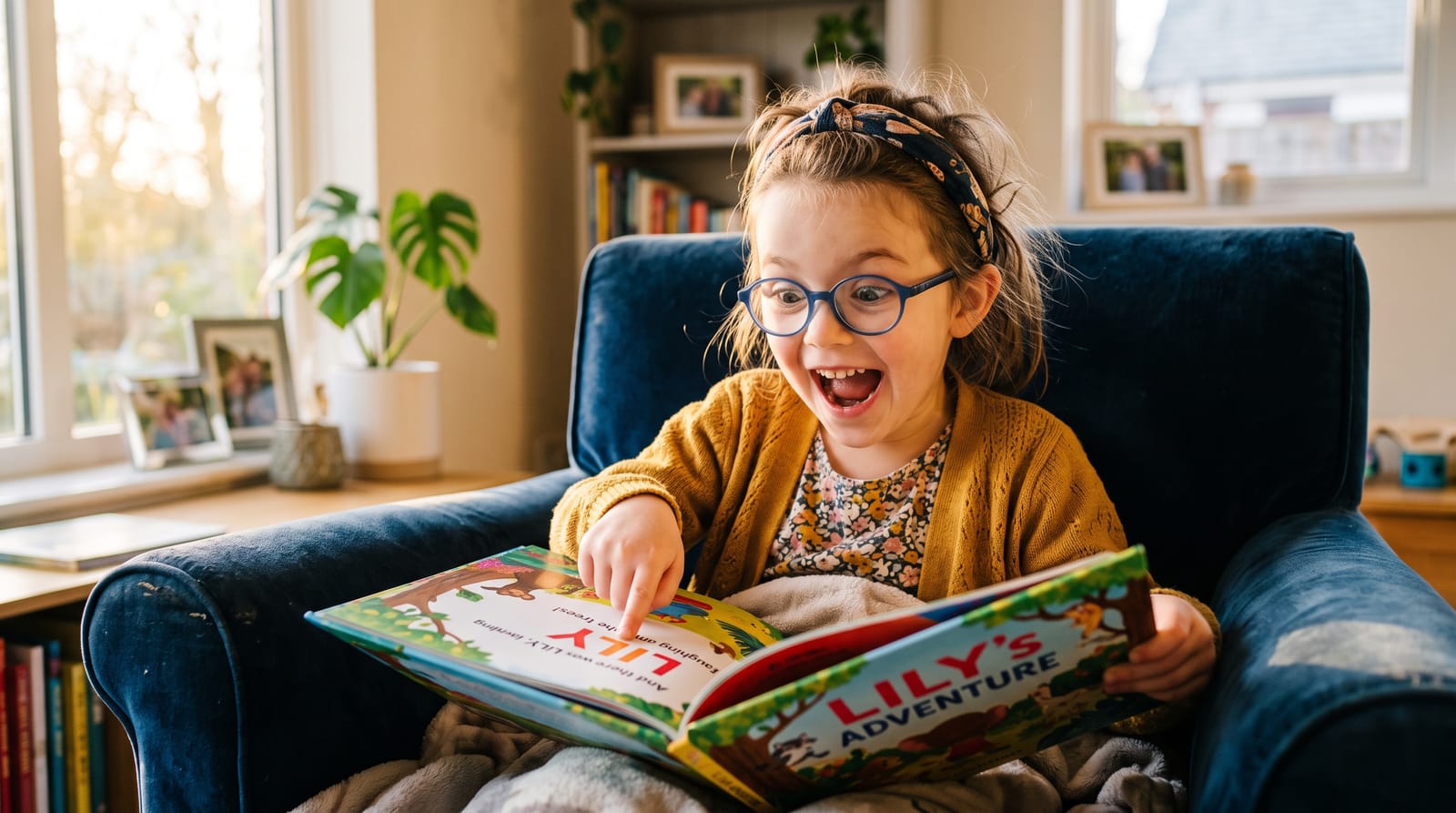
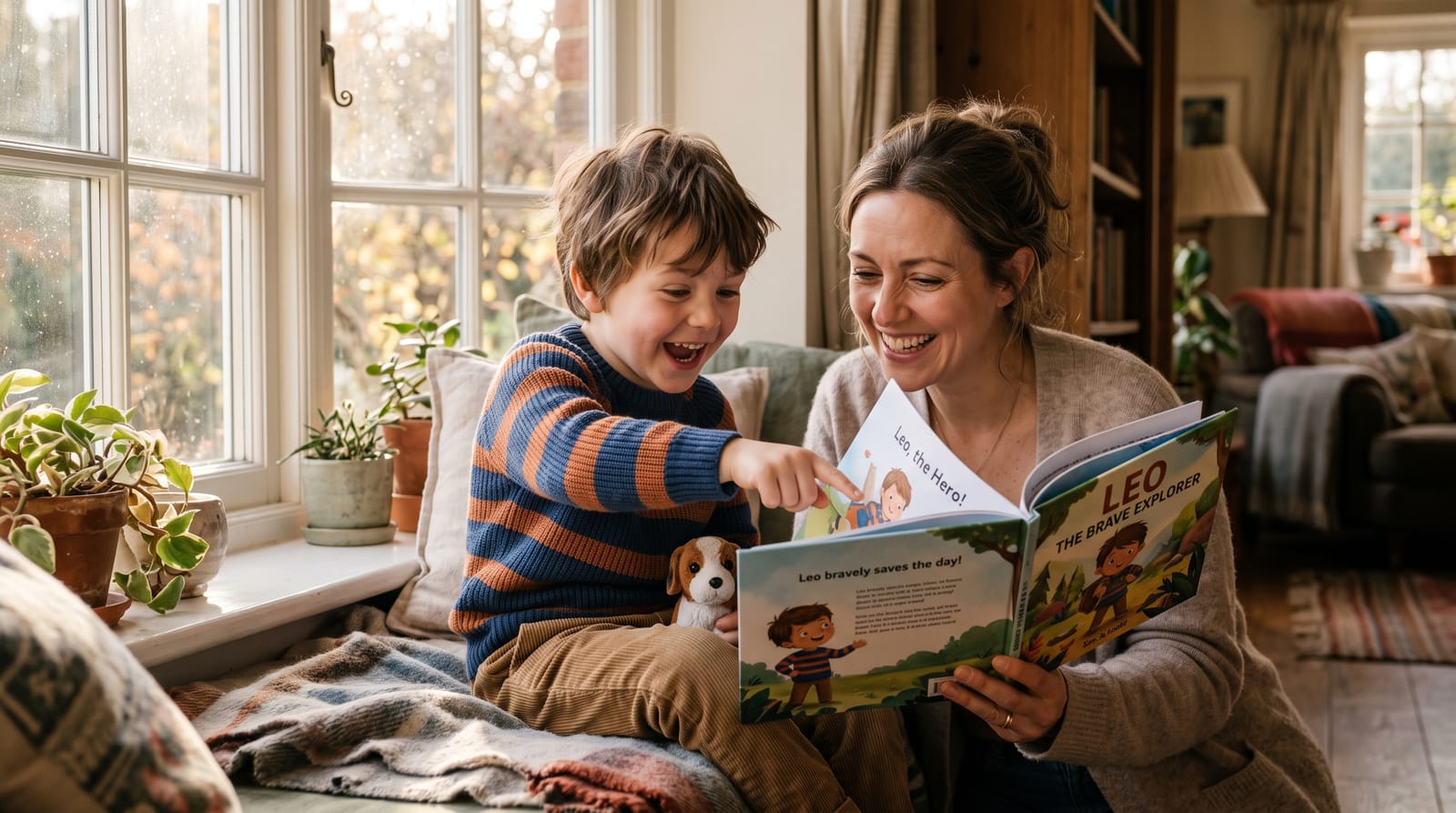
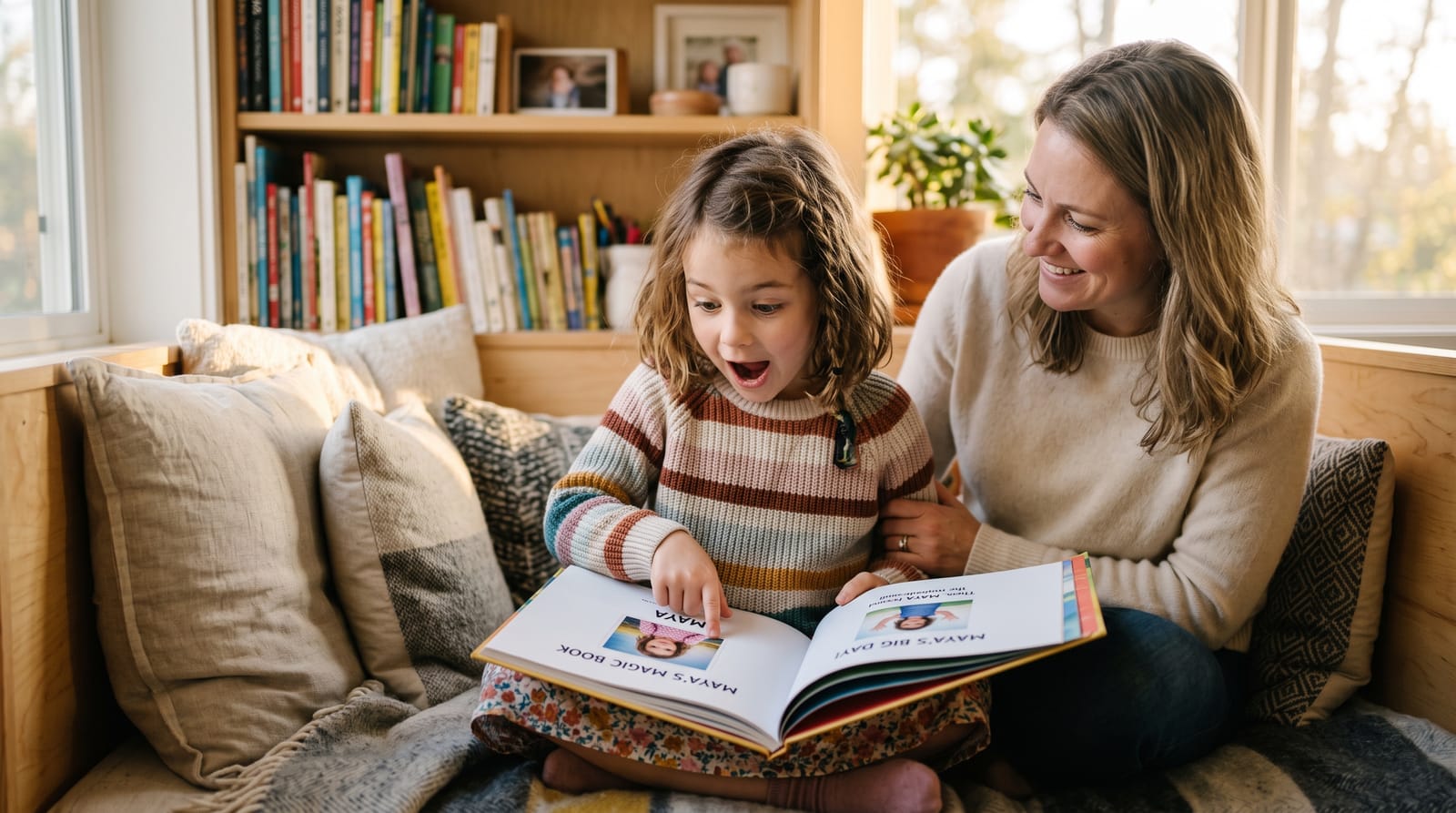
When you transition from a generic story to a personalized book, the narrative becomes a living dialogue. Instead of a child watching a character struggle with one-sided relationships, they become the protagonist who learns how to navigate balance. They see themselves engaging in acts of kindness that are acknowledged and returned, reinforcing the idea that they are a vital, respected part of their social circle. This shift helps in modernizing the picture book experience by making the lessons feel immediate and applicable to the child’s actual life.
Cultivating Calm and Presence Through Seasonal Narratives
We live in a world of "false starts" and constant transitions. Whether it’s the chaotic shift from the enclosure of winter to the unpredictable energy of spring, or the pressure of school schedules and extracurricular activities, children feel the "hustle" just as much as adults do. This environmental pressure can lead to a sense of disconnect.
The traditional nature-themed picture book has always been an antidote to this. Stories that focus on the slow unfurling of a flower or the quiet awakening of the forest encourage children to slow down. But there is a unique power in a story where the child is the one exploring that garden.
When a child sees their own name and likeness interacting with the natural world, the "nature deficit" begins to close. They aren't just reading about a generic character seeing a bird; they are the ones noticing the small details. This level of immersion helps ground them in the present moment. By focusing on sensory details—the scent of damp earth, the warmth of the sun, the sound of wind—personalized books act as a form of bibliotherapy. They provide a sanctuary of calm that helps children process the transitions in their own lives, moving from the "cabin fever" of winter to the growth of spring with a sense of agency and wonder.
Building the "Village": From Isolation to Community
One of the most profound challenges of modern parenting is the erosion of the "neighborhood" feel. In an era where many of us value our privacy and digital convenience, the traditional "phone tree" or the habit of popping by a neighbor's house has largely faded. This hyper-independence, while efficient, can leave children feeling like they exist in a bubble.
We know that community is one of the strongest pillars of safety and emotional health. To counter the trend of isolation, we need stories that celebrate the "helpers" and the people next door. A standard picture book about a community is helpful, but a personalized book that incorporates the child’s world makes the concept of a "neighbor" tangible.
When a story places a child in a setting where they are helping others or being helped by their community, it builds a blueprint for their future social interactions. It teaches them that:
- Most people are inherently good and helpful.
- Showing up for others is a source of strength, not an "inconvenience."
- They are an active participant in their local environment, not just a passive observer.
By seeing themselves as a "good neighbor" within the pages of a book, children are more likely to mirror those behaviors in real life. This is a crucial step in addressing modern values and community within children’s literature.
The Emotional Intelligence of Custom Narratives
Every child faces "firsts" that feel monumental—the first day of school, the first time they lose a pet, or the first time they feel truly overwhelmed by the world's news. Generic stories offer comfort, but personalized narratives offer a script for bravery.
When a child is the hero of a story about overcoming anxiety or facing a new challenge, the book becomes a rehearsal for reality. They aren't just learning how a fictional character handled a problem; they are building a memory of themselves succeeding. This psychological phenomenon, often referred to as "self-referencing," means that children retain the lessons of a personalized story much more deeply than a standard one.
StorytimeHero focuses on this intersection of identity and narrative. By allowing a child to see themselves as resilient, curious, and capable, we are helping parents solve the modern picture book dilemma—the need for content that is both engaging and developmentally significant.
Why Personalization is the Future of the Picture Book
The transition from the "static page" to the "participatory page" is more than just a tech trend; it’s a response to how our understanding of childhood development has evolved. We now know that representation matters—not just in terms of diversity, but in terms of presence. A child who sees themselves reflected in their books grows up with a stronger sense of belonging and a higher level of engagement with reading.
Personalized books address the gaps left by traditional publishing by:
- Ensuring Immediate Relevance: The story is never "outdated" because it is about the child here and now.
- Enhancing Sensory Engagement: Children pay closer attention to illustrations and text when they recognize themselves in the art.
- Supporting Parenting Goals: Whether it’s teaching kindness, routine, or environmental stewardship, the message hits home because it’s personal.
As we look toward the future of storytelling in {YEAR}, the goal remains the same as it was a century ago: to comfort, to educate, and to inspire. However, the tools we use to reach that goal are becoming more refined. By embracing the power of the personalized book, we are giving our children a gift that goes beyond a simple story—we are giving them a mirror that reflects their own potential.
For parents looking to deepen this connection, personalized books support modern parenting by turning every reading session into an opportunity for growth and bonding.
---
FAQ: Questions Parents Ask About Personalized Picture Books
Related Reading
If you enjoyed exploring how the landscape of children's literature is changing, check out these related articles from our library:
- How Personalized Books Evolve the Modern Picture Book
- Modern Values & Community in Picture Books
- Reimagining the Picture Book for Modern Families
- How Personalized Books Support Modern Parenting
- The Evolution of the Modern Picture Book
By choosing stories that reflect the world our children actually live in—and their place within it—we are doing more than just reading. We are building the foundations of a more connected, resilient, and empathetic generation. In the end, that is the greatest story we can ever tell.
Free preview checklist
Get the personalized book gift checklist
Know what photo to use, what to write in the dedication, and what to review before ordering.