How Personalized Books Evolve the Modern Picture Book | StorytimeHero
Upload a photo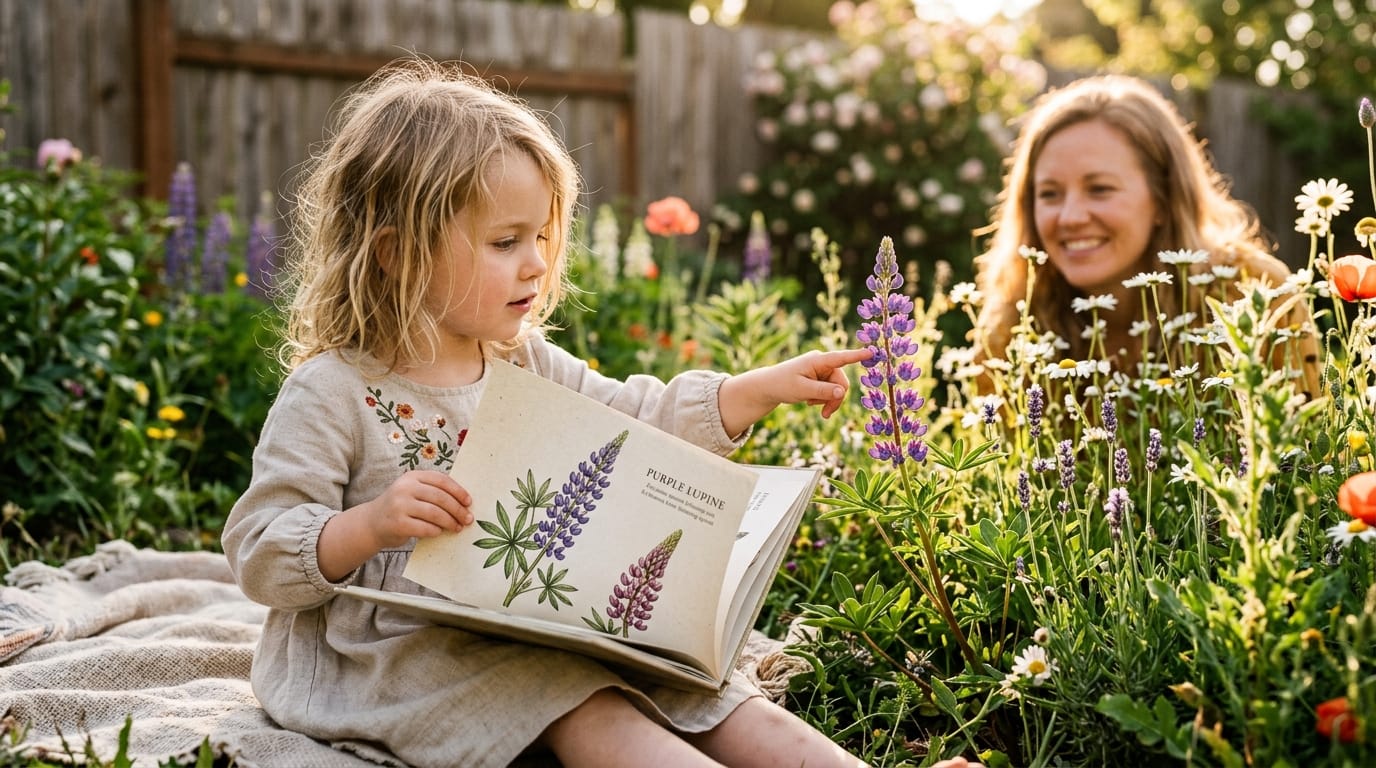
For generations, the picture book has served as a child’s first window into the wider world. It is the medium through which they first encounter the changing of the seasons, the complexities of human emotion, and the foundational values of their community. However, as we move through {YEAR}, the landscape of childhood is shifting. Families are navigating a world that feels increasingly digital, sometimes isolated, and often disconnected from the slow rhythms of the natural world.
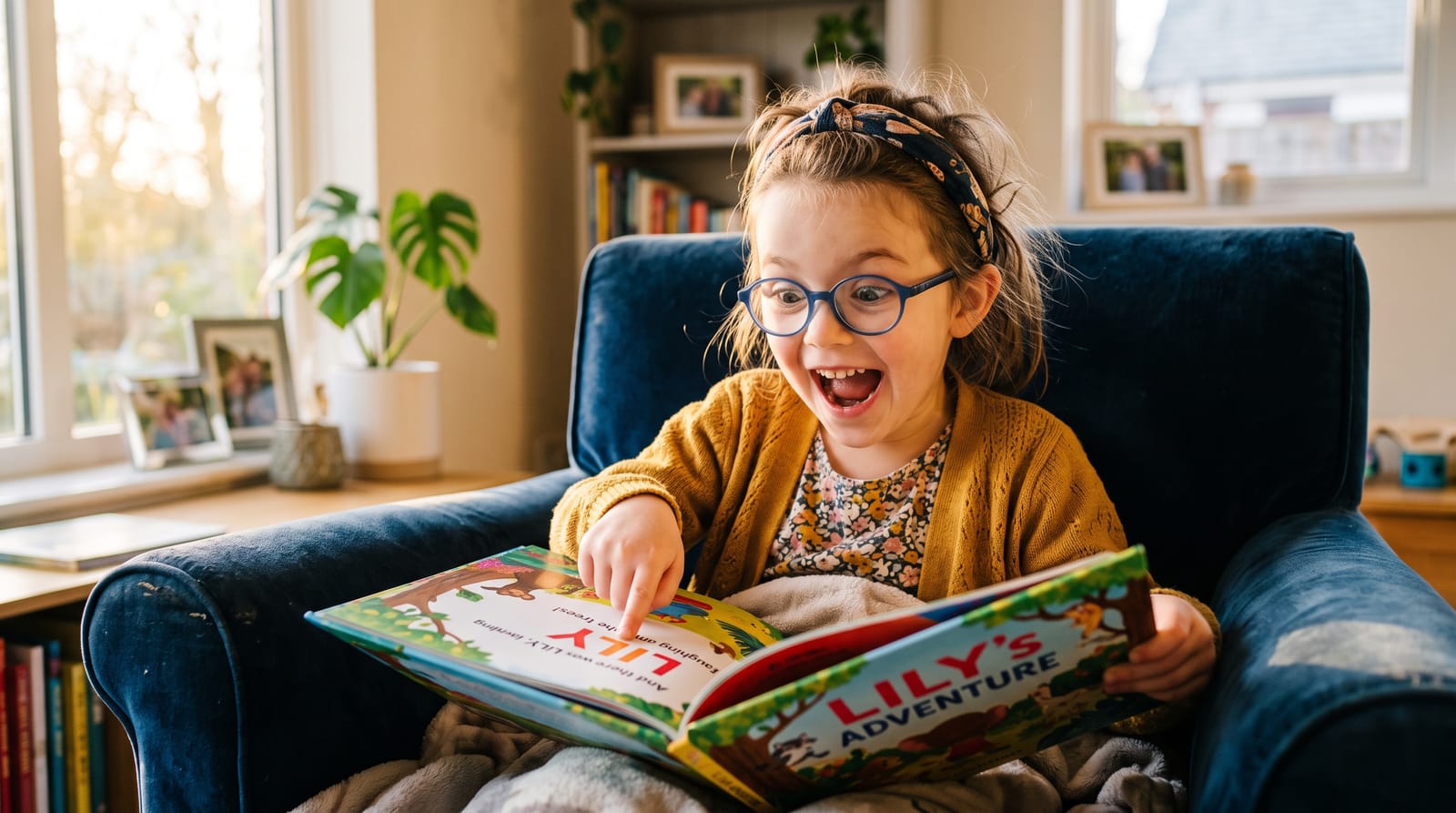
While the "classics" on our shelves provide a sense of nostalgia, there is a growing need for stories that do more than just sit on a shelf. Parents today are looking for narratives that don’t just tell a story but invite the child into the experience. This is where the evolution of the personalized book becomes a vital tool in a child’s developmental toolkit. By placing a child at the center of the narrative, we transform the traditional picture book from a passive observation into an active, lived experience.
Bridging the Relevance Gap in Children's Literature
Many of the stories we grew up with carry deep emotional weight, but as society evolves, so do our understandings of healthy relationships, boundaries, and social responsibility. Some older narratives lean into themes of total self-sacrifice or outdated social structures that don’t quite align with the emotional intelligence we want to foster in children today.
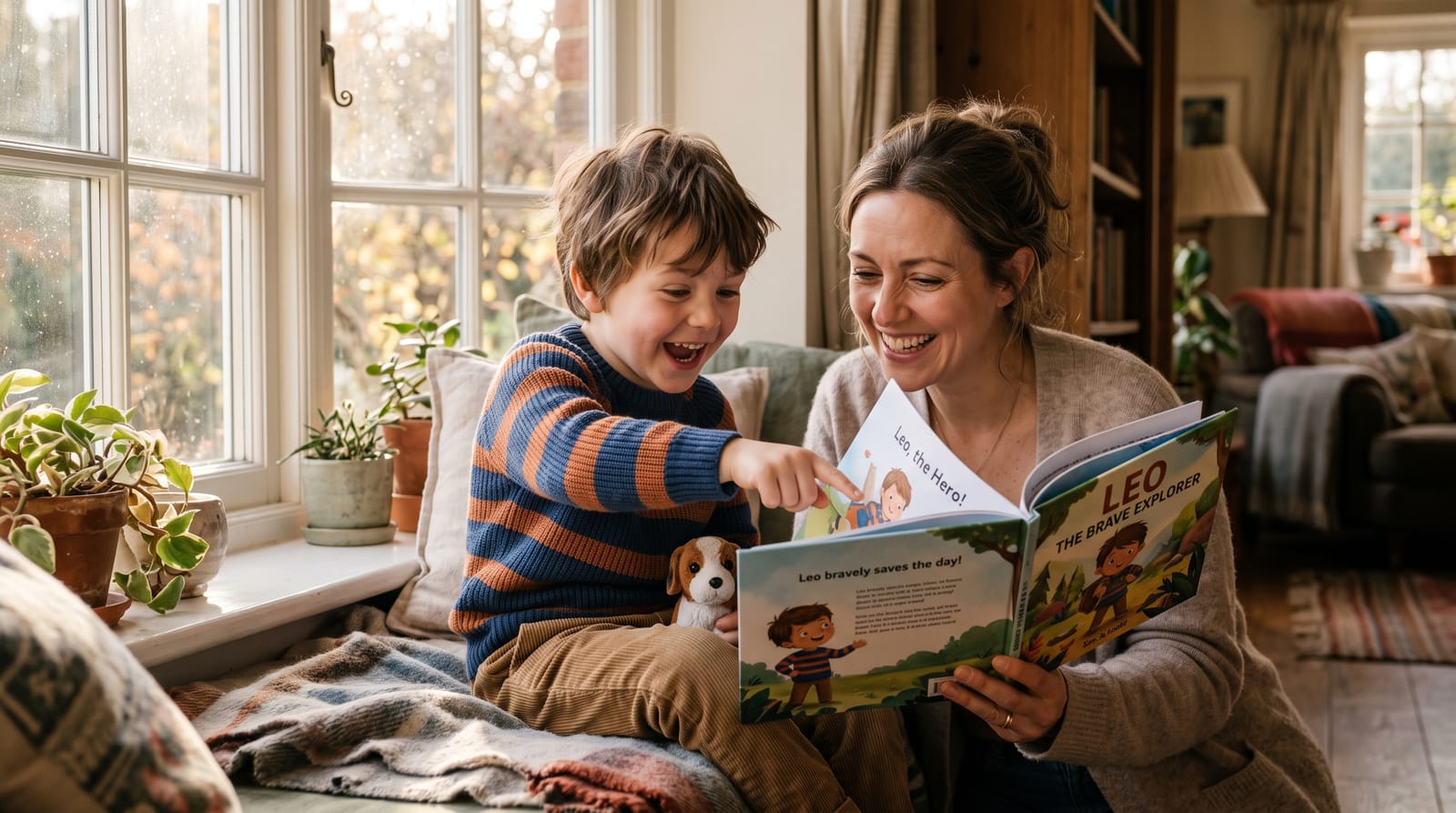
The modern picture book is shifting toward "reciprocal" storytelling. We want our children to understand that love and community are two-way streets. Personalized books address this by allowing the child to practice these modern values in a safe, fictional space. When a child sees themselves interacting with characters in a way that respects their own needs while serving the community, the lesson isn't just an abstract concept—it’s a memory of something "they" did.
This shift toward relevance ensures that the time spent reading isn't just about decoding words on a page, but about navigating the world as it exists in {YEAR}. It’s about building a bridge between the timeless magic of a story and the practical realities of growing up in a modern neighborhood.
Cultivating Presence Through Sensory Nature Narratives
In an era of high-speed screens and constant stimulation, one of the most important roles of a picture book is to help a child slow down. Nature-themed stories have long been a staple of the genre, offering a way to explore growth, decay, and the beauty of the outdoors. However, for a child living in a busy urban environment or someone feeling the "cabin fever" of a long winter, these stories can sometimes feel far away.
Personalization changes the "nature" of these stories. When a story describes the scent of damp earth or the warmth of the first spring sun hitting the skin, and it specifically mentions the child experiencing these things, it triggers a deeper level of sensory engagement.
By using personalized books to explore the outdoors, we encourage a "look closely" mentality. The child isn't just reading about a flower blooming; they are the one discovering it. This fosters a sense of stewardship and wonder that is essential for emotional grounding. It turns a simple reading session into a meditative practice, helping children (and parents) find a moment of calm amidst the hectic pace of elementary school schedules and extracurricular activities.
From Observer to Active Neighbor: Building Community
There is a growing concern among parents about the "hyper-independence" of modern life. With the rise of contactless deliveries and digital communication, the traditional "neighborly" bond can sometimes feel like it’s fraying. We want our children to feel safe in their communities, to "look for the helpers," and more importantly, to understand how to be a helper.
The traditional picture book often features a protagonist who learns a lesson about kindness. While these are valuable, personalized stories take it a step further. They place the child in the role of the good neighbor.
- They are the ones sharing a snack with a friend.
- They are the ones noticing when someone in the story feels lonely.
- They are the ones participating in the small, everyday acts of kindness that build a neighborhood.
This "rehearsal for reality" is incredibly powerful. When a child sees themselves as a pillar of their community within the pages of a book, they are more likely to carry that identity into the real world. Personalized books help dissolve the "us vs. them" or "me vs. the world" mentality, replacing it with a sense of "we."
Addressing the "Outdated Protagonist" Problem
We often hold onto certain books because they were read to us by people we loved. But sometimes, the themes of those books haven't aged as well as the illustrations. Some classic tales celebrate a level of self-erasure or lack of boundaries that can be confusing for a modern child learning about consent and self-care.
Personalized books allow us to retain the "classic" feel—the lush illustrations and the whimsical tone—while updating the narrative core. By creating stories where the child is the hero, we can ensure the message is one of empowerment and healthy balance. StorytimeHero focuses on these modern nuances, ensuring that the child is portrayed as a whole person with agency, rather than just a vessel for someone else’s needs.
This evolution allows families to build new traditions. Instead of relying solely on the books of the past, we can create a "living library" that reflects the specific values, diversity, and hopes of the family reading together today.
The Psychology of the "Participatory Page"
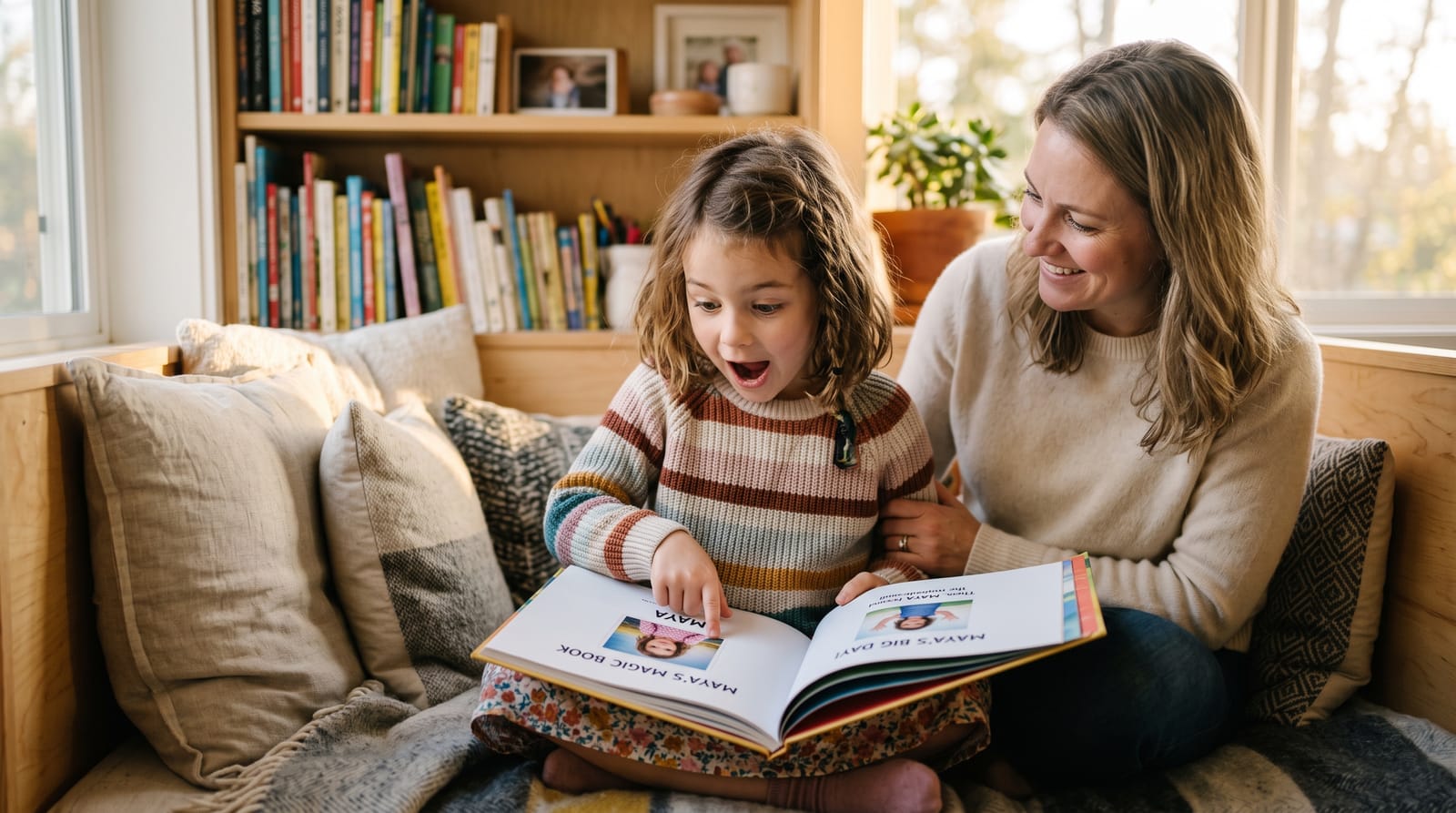
Why does it matter if a child’s name is in the book? From a developmental perspective, it’s about the "referential transition." For very young children, the line between fiction and reality is beautifully blurred. When they see a character who looks like them and shares their name, their brain processes the story’s lessons as personal experiences.
This is particularly effective for:
- Building Resilience: If the "hero" (the child) overcomes a fear of the dark or a difficult first day of school, the child feels a boost in their own confidence.
- Language Acquisition: Children are naturally more attentive to information that is personally relevant. They are more likely to engage with new vocabulary when it’s used to describe their own adventures.
- Emotional Regulation: Stories that walk a child through a transition—like the change of seasons or moving to a new house—provide a roadmap for their own emotions.
At StorytimeHero, we believe that the picture book is not a static object. It is a conversation. By personalizing the narrative, we make that conversation deeper, more intimate, and significantly more impactful.
Why Personalization is the Future of the Picture Book
As we look toward the future of children's publishing, the trend is clear: readers want to be seen. The "one-size-fits-all" approach to storytelling is being replaced by a more inclusive, specific, and personal approach.
Personalized books address the most common "dilemmas" of the modern picture book:
- The Engagement Dilemma: How do we compete with screens? By making the story about the child.
- The Representation Dilemma: How do we ensure every child sees themselves as a hero? By letting the parent define the hero.
- The Value Dilemma: How do we teach modern values with old stories? By writing new stories designed for today’s world.
By integrating these elements, we aren't just selling a product; we are providing a gateway to a more connected, empathetic, and present childhood.
FAQ: What Parents Ask About Personalized Books
Q: Are personalized books just a novelty, or do they have educational value?
A: While they are certainly fun, the educational value is significant. Research suggests that "self-referencing" in text improves reading comprehension and memory retention. When a child is personally invested in the protagonist, they are more likely to stick with the story and absorb the underlying themes.
Q: Can personalized books help with "big feelings" like anxiety or fear?
A: Absolutely. Many parents use personalized books to create "social scripts." By seeing themselves navigate a scary situation successfully in a book, children can lower their cortisol levels and feel more prepared to handle similar situations in real life.
Q: How do personalized stories handle "classic" themes like nature and seasons?
A: They make them immersive. Instead of a child looking at a picture of a generic kid in a forest, they are looking at themselves. This creates a direct emotional link to the environment, fostering a lifelong love for the natural world.
Q: Is it better to read a mix of personalized and traditional books?
A: Yes! A healthy "literary diet" includes both. Traditional books provide "windows" into the lives of others, while personalized books provide "mirrors" that affirm the child’s own identity and place in the world.
Related Reading
If you enjoyed this exploration of how the picture book is evolving, you might find these other resources from StorytimeHero helpful:
- Modernizing the Picture Book: Why Personalization Matters
- Modern Values & Community in Picture Books
- How Personalized Books Evolve the Picture Book
- The Power of Presence in Modern Picture Books
- How Personalization Solves the Modern Picture Book Dilemma
In the end, the goal of any great picture book is to leave the reader feeling more connected—to themselves, to their family, and to the world around them. By embracing the power of personalization, we ensure that every child knows, without a doubt, that they are the hero of their own story. Whether we are saying goodbye to winter or learning how to be a better neighbor, these stories stay with us long after the final page is turned.
Free preview checklist
Get the personalized book gift checklist
Know what photo to use, what to write in the dedication, and what to review before ordering.