The Portable Heritage: Personalized Books and Family Identity | StorytimeHero
Start a cover preview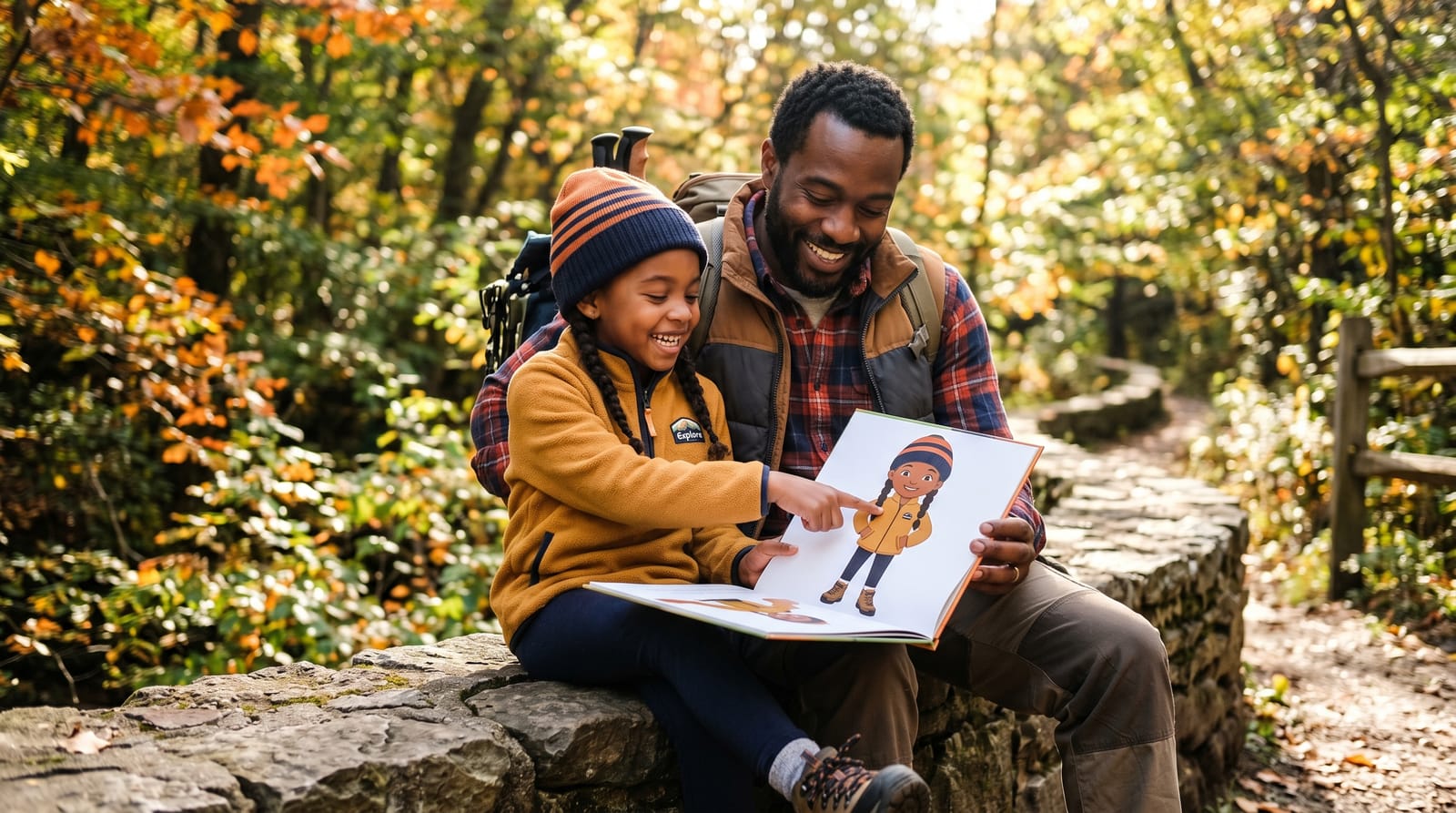
In the fast-paced landscape of {YEAR}, the definition of "family time" is undergoing a quiet but profound transformation. Gone are the days when family bonding was strictly reserved for the two-week summer blockbuster vacation or the once-a-year holiday gathering. Today’s parents are increasingly finding magic in the "micro"—the short, spontaneous trips, the shared excitement over a new streaming release, and the quiet twenty minutes before bed.
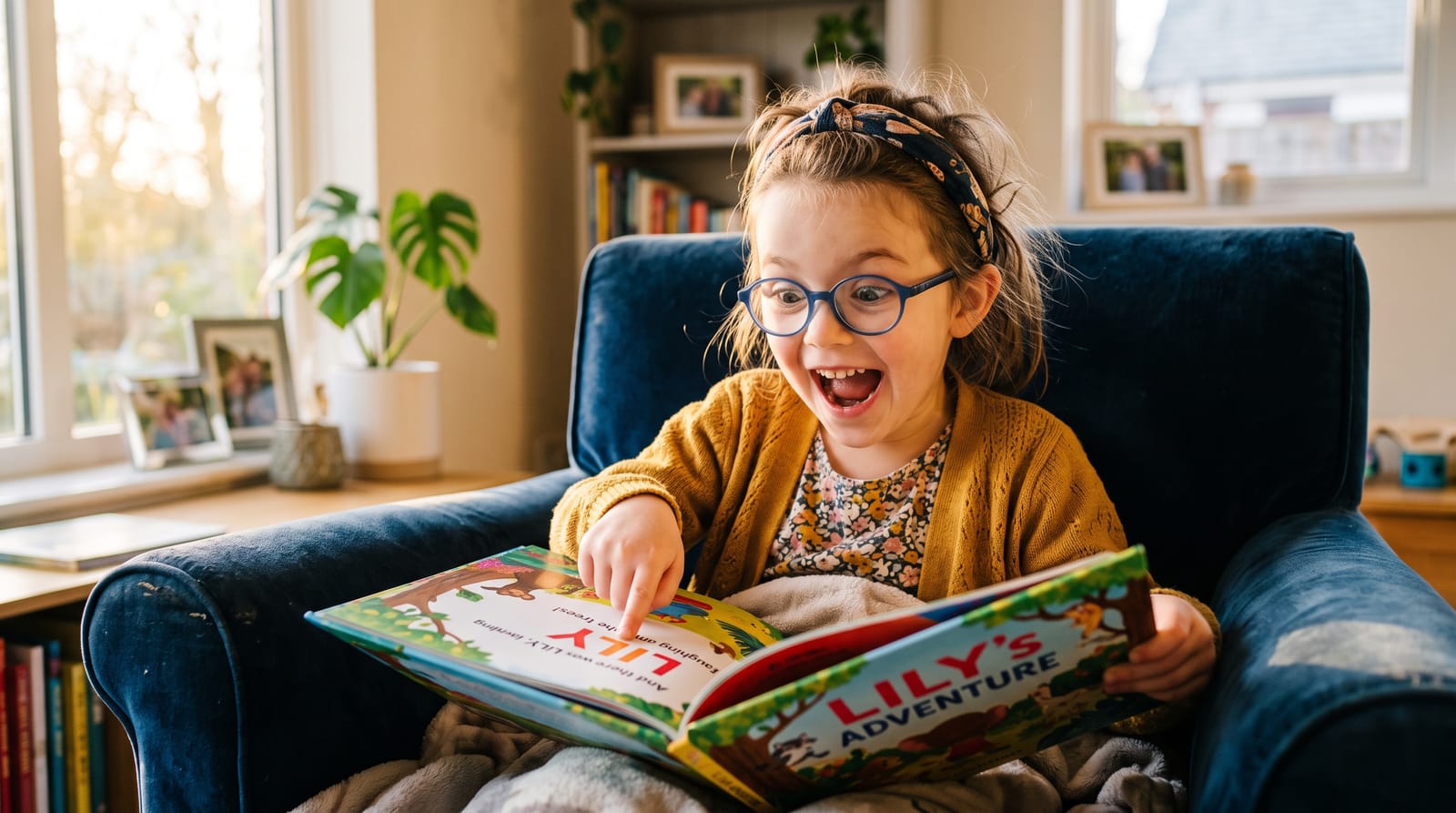
As our schedules become more fragmented, the need for a "narrative glue" becomes more essential. We are looking for ways to remind our children—and ourselves—that despite the busyness, we belong to a specific, unique, and loving collective. This is where the rise of personalized books has moved from a novelty gift to a foundational tool for modern parenting. By placing a child and their family at the center of the story, we aren't just reading a book; we are documenting a legacy.
The Shift Toward Micro-Experiences and Meaningful Connection
Recent trends in family lifestyle show a significant pivot toward "micro-cations" and shorter, high-impact experiences. Whether it’s a quick 32-hour dash to a neighboring city or a weekend dedicated to a local festival, parents are realizing that memories aren't built on the duration of an event, but on the intensity of the presence shared during it.
This shift toward the "micro" reflects a broader desire for authenticity. We want experiences that feel like ours. When we take these short trips, we aren't just tourists; we are a family unit navigating the world together. Personalized books mirror this trend perfectly. They take the "micro-moments" of a child’s life—their name, their appearance, their specific family structure—and elevate them to the level of a grand adventure.
In a world that often feels mass-produced, a story that acknowledges a child’s specific reality acts as a narrative anchor, providing a sense of stability and importance that generic stories sometimes lack.
Beyond the Screen: Why Shared Stories Matter in {YEAR}
We live in a golden age of family entertainment. At any given moment, we can dive into vast cinematic universes or follow the latest animated saga from our living room couches. These shared viewing experiences are wonderful for sparking conversation, but they often cast our children as spectators of someone else’s journey.
While we might all rally around a favorite show or a new movie drop, there is a distinct psychological difference between watching a hero on screen and being the hero on the page. Personalized books bridge the gap between the high-octane excitement of modern media and the intimate, grounded reality of family life. They allow children to take the bravery, curiosity, and wonder they see in their favorite characters and apply those traits to themselves.
When a child sees their own name in print, navigating a challenge or exploring a new world, the "suspension of disbelief" becomes a "belief in self." This is a vital component of building family connection through small moments, as it reinforces the idea that the child’s own life is a story worth telling.
Creating a "Family Mythology" Through Personalized Books
Every family has its own "mythology"—the inside jokes, the stories of "that one time we got lost," and the shared values that define the household. In the past, this mythology was passed down through oral storytelling or dusty photo albums. Today, personalized books provide a more interactive and engaging way to codify these traditions.
StorytimeHero allows families to weave their unique identity into the fabric of a professional-quality narrative. This serves several purposes:
- Validation of Identity: For children in diverse or non-traditional family structures, seeing their specific family represented in a book is a powerful form of validation. It tells them that their version of "family" is the standard, not the exception.
- Emotional Safety: When a story features familiar faces and names, it creates a "brave space" for children to explore complex emotions like fear, jealousy, or excitement.
- The "Best-Keep" Factor: Unlike toys that are outgrown or clothes that are stained, a personalized book becomes a permanent artifact of a specific chapter in a child's life.
By integrating these books into the nightly routine, parents are essentially acting as allies in their child's development, using storytelling to reinforce the bonds of belonging.
The Psychology of Belonging: The "Mirror" Effect
Developmental psychologists often speak about the importance of "mirrors and windows" in children's literature. Children need "windows" to see the rest of the world, but they desperately need "mirrors" to see themselves reflected back as valuable and capable.
Personalized books provide the ultimate mirror. When a child sees a character who looks like them and shares their name, their brain processes the story differently. They are more likely to retain the themes of the book, whether those themes are about kindness, resilience, or environmental stewardship.
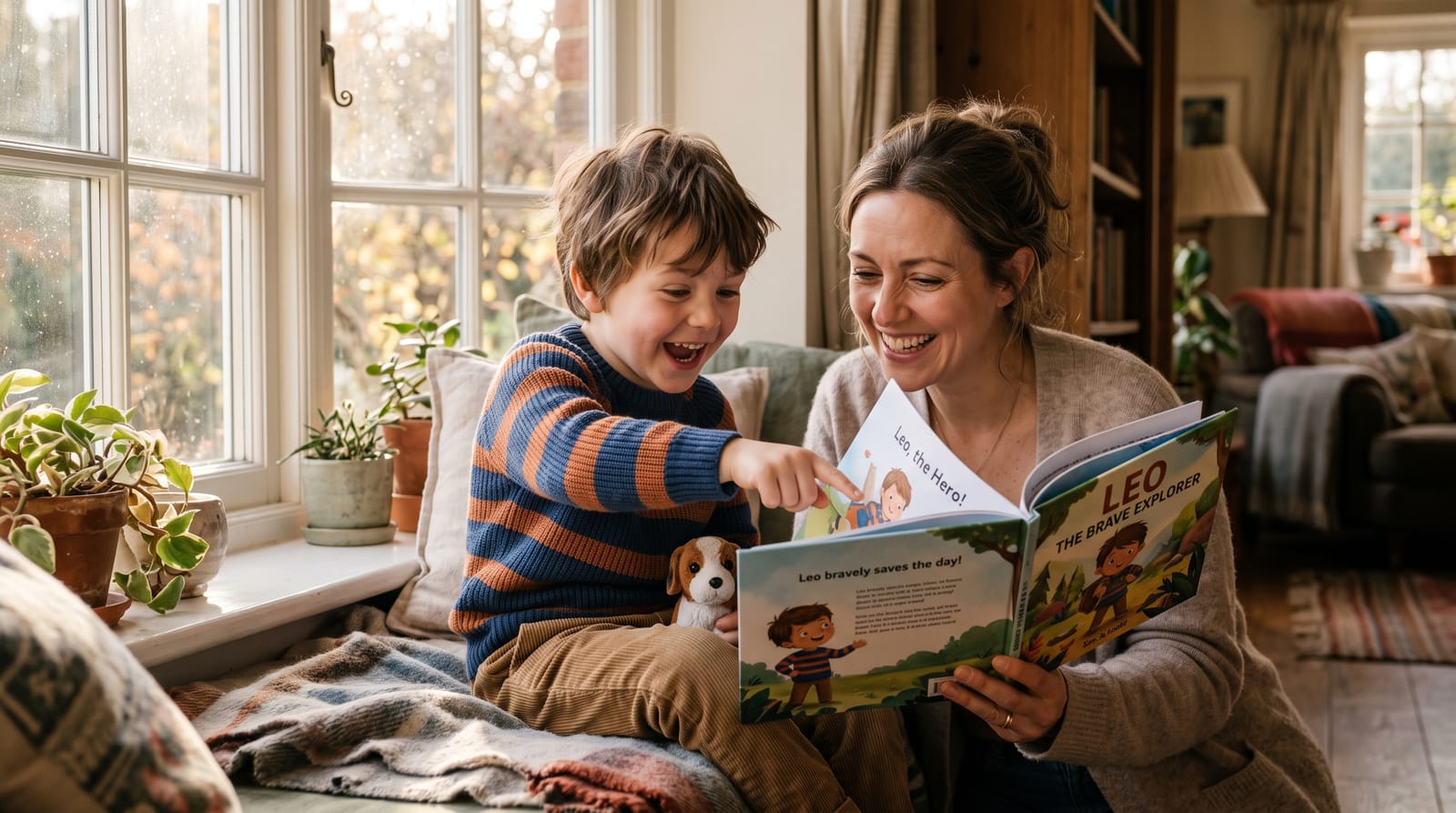
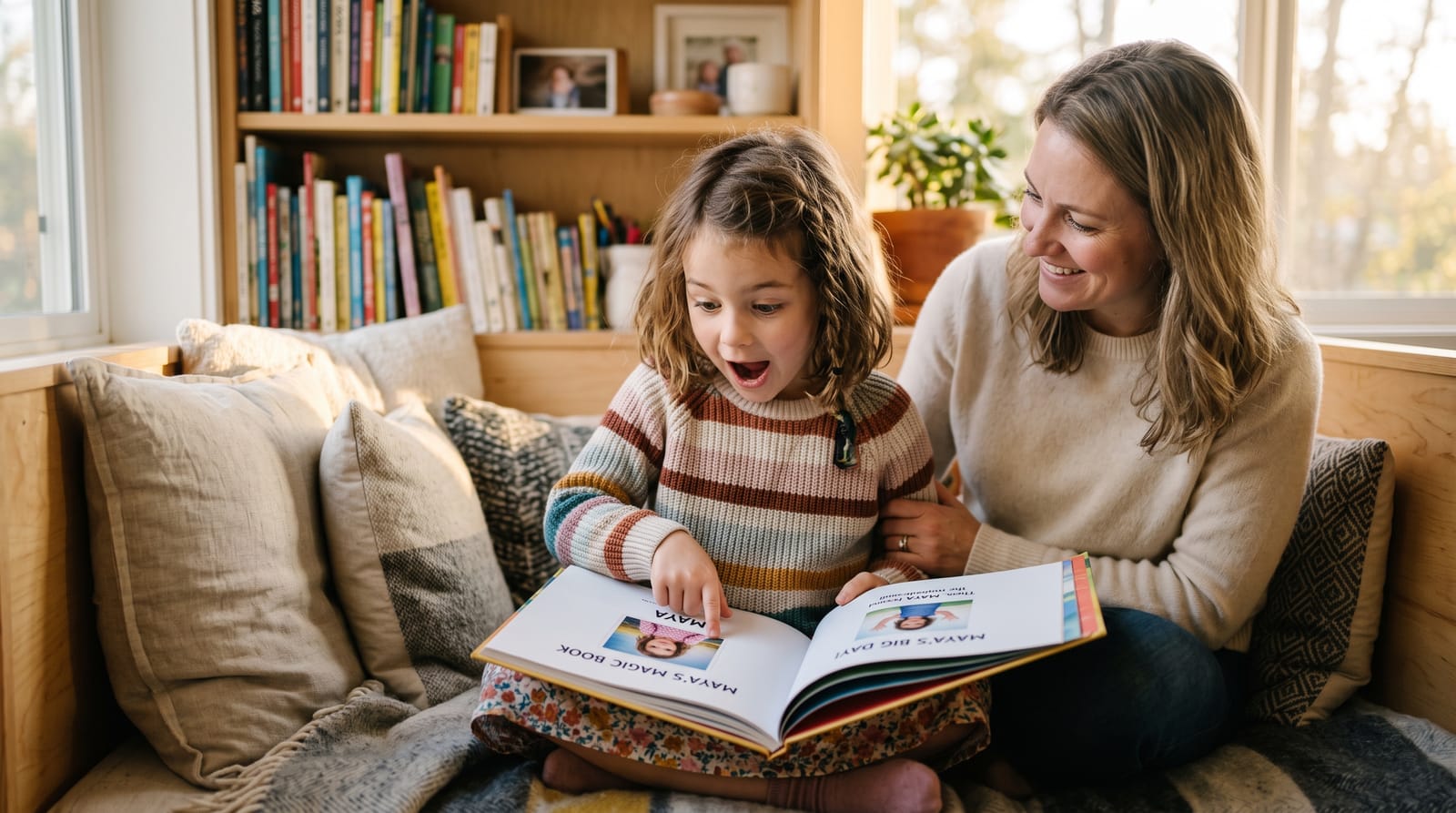
This "mirror effect" also extends to the family. When a story includes parents, siblings, or even pets, it reinforces the child’s place within the family hierarchy. It reminds them that they aren't an island; they are part of a team. This sense of lived narrative is crucial for developing emotional intelligence and a secure attachment style.
Making the Most of the "Micro": Practical Tips for Families
If we take the lesson of the "micro-cation"—that short, intentional bursts of connection are better than long, distracted ones—how can we apply that to reading?
- The "Portable Adventure": Just as a two-day trip to a new city can refresh the spirit, a personalized book can be a "portable adventure" for a doctor's waiting room or a long car ride. It brings the comfort of home and identity into unfamiliar spaces.
- The Seasonal Refresh: Consider a new personalized story for different milestones. Just as we look forward to the "summer movie season," a "summer reading season" featuring the child as the protagonist can build anticipation for literacy.
- Active Participation: Don't just read the words. Ask the child, "Since this is you in the book, what would you do differently on this page?" This turns the book into a living dialogue between parent and child.
Why StorytimeHero is Different
At StorytimeHero, we understand that personalization isn't just about "plugging in a name." It’s about capturing the spirit of modern childhood. Our stories are designed to be warm, inclusive, and deeply engaging, ensuring that the "hero" of the story feels like a true reflection of the reader.
We don't see ourselves as just a book company; we see ourselves as partners in your family's storytelling journey. In an era where family time is often squeezed by work and digital distractions, we provide a way to reclaim the narrative. We help you turn the "micro-moments" of your day into a lasting heritage that your child will carry with them long after they've outgrown the lap of their favorite storyteller.
Conclusion: The Story is Just Beginning
The trends of {YEAR} tell us that families are hungry for connection that feels real, manageable, and unique. Whether it’s through a short road trip or a shared show, we are all looking for ways to say, "This is us. This is our life. This is why we matter to each other."
Personalized books are more than just a gift; they are a testament to the importance of the individual within the family unit. By making your child the hero, you are giving them the greatest gift of all: the realization that their story is the most important one ever told.
---
FAQ: Frequently Asked Questions About Personalized Family Books
Q: Are personalized books only for very young children?
A: While they are incredibly popular for the picture-book age group, personalized narratives can be adapted for older children as well. For school-aged kids, these stories can help build confidence in reading and reinforce identity during the transitional years of middle childhood.
Q: How do personalized books help with "non-traditional" family structures?
A: One of the greatest strengths of personalized books is their flexibility. Unlike mass-market books that may only feature a nuclear family, platforms like StorytimeHero allow you to reflect the real people in a child's life, whether that includes two moms, two dads, grandparents as primary caregivers, or a single-parent household.
Q: Can a personalized book really improve a child's interest in reading?
A: Yes. Studies show that when children see themselves in a story, their engagement levels spike. This "protagonist effect" makes them more likely to want to read the book repeatedly, which builds word recognition, fluency, and a lifelong love of literature.
Q: Is it difficult to create a personalized book?
A: Not at all. Modern technology has made the process intuitive. Usually, it involves choosing a story theme and then entering a few key details about the child. The result is a professional-grade hardbound or softbound book that looks and feels like it belongs on a library shelf.
---
Related Reading from StorytimeHero
Free preview checklist
Get the personalized book gift checklist
Know what photo to use, what to write in the dedication, and what to review before ordering.