Why Kids Read More as the Main Character | StorytimeHero
Upload a photo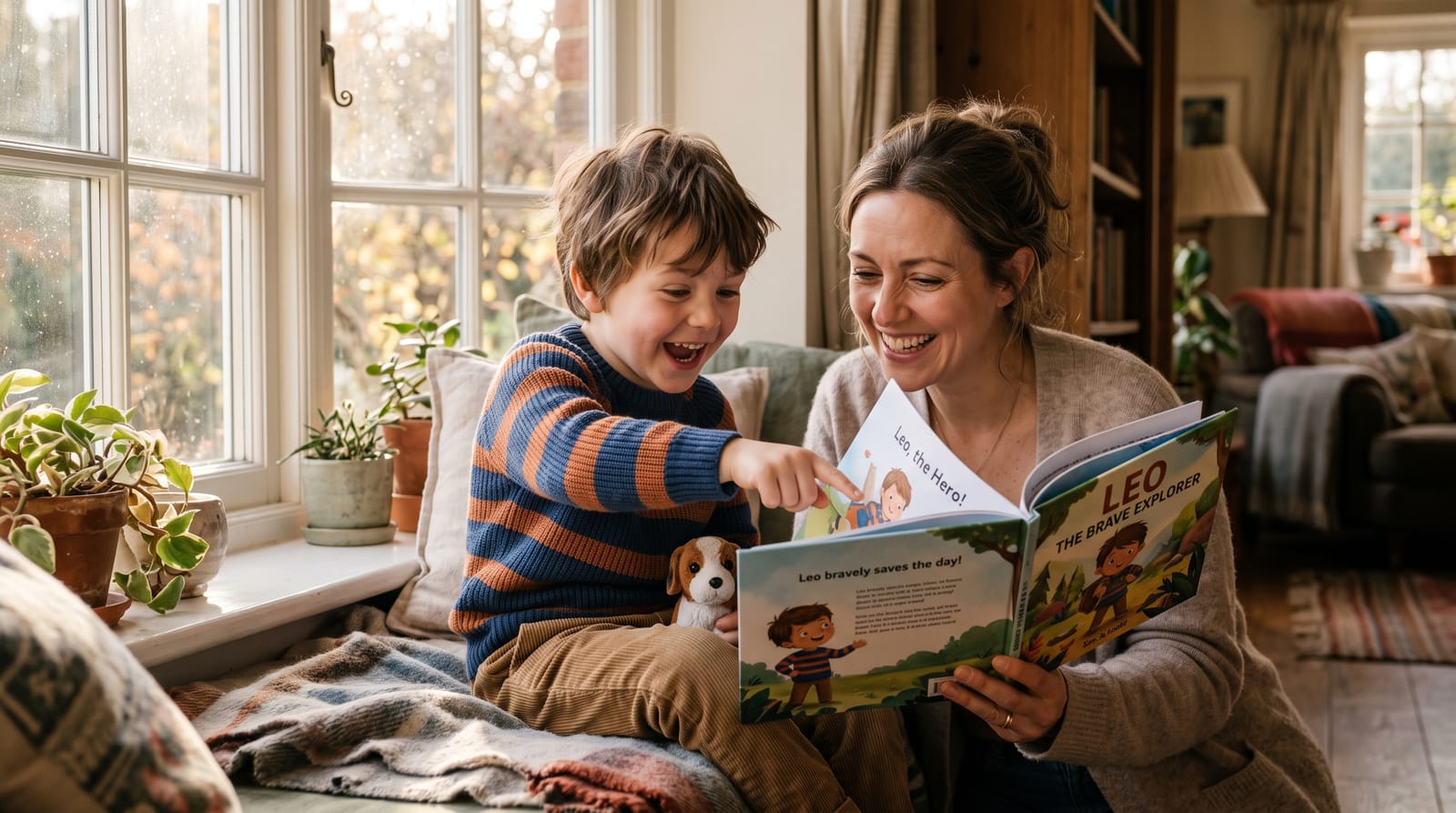
As the school doors close and the long, sun-drenched days of summer begin, a familiar concern often ripples through the minds of parents and educators: the "summer slide." We’ve all heard the statistics about learning loss during the break, and many of us have felt the gentle pressure to keep our children’s noses in books while they’d rather be at the pool.
But what if the secret to a summer of voracious reading wasn’t found in a required list or a mandatory log, but in a shift of perspective? What if, instead of watching a character navigate a world, your child was the one holding the map?
When a child becomes the protagonist of their own narrative, the act of reading undergoes a fundamental transformation. It moves from a passive observation of someone else's life to an active, lived experience. In {YEAR}, as we look for new ways to foster a deep-seated love for literacy, understanding the "hero effect" of personalized books offers a powerful roadmap for parents.
The Psychological Spark: Why Identity Drives Literacy
To understand why kids read more when they are the main character, we have to look at the intersection of cognitive development and emotional resonance. For a young reader, the world is a place of constant discovery and, occasionally, overwhelming scale. Stories serve as a safe harbor where they can test out emotions, solve problems, and explore the unknown.
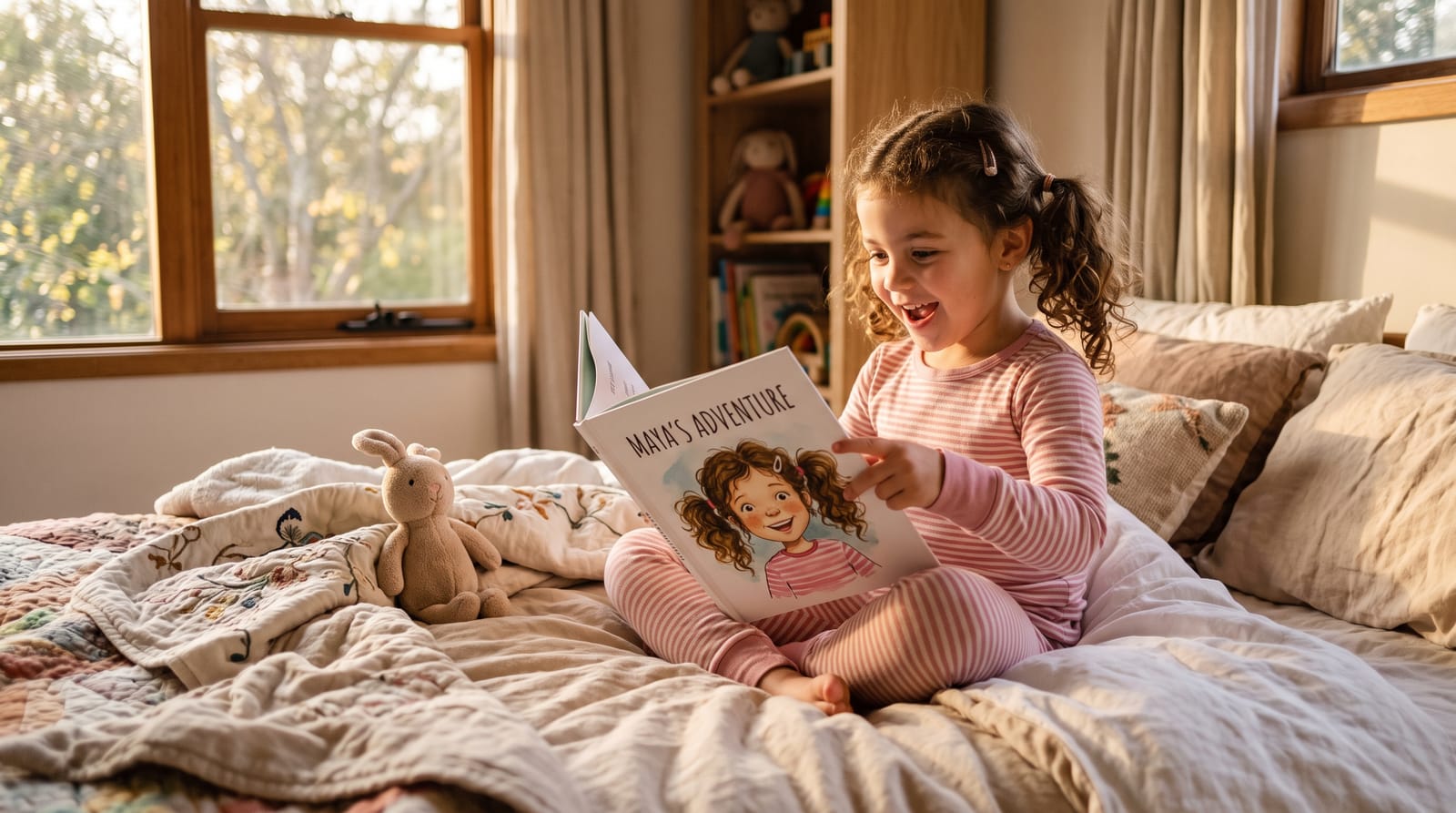
When a child sees their own name on the page or an illustration that mirrors their own reflection, something clicks. This isn't just a novelty; it’s a form of validation. It tells the child, "You belong in the world of ideas. Your adventures matter." This sense of belonging is a primary driver of engagement.
The Power of the Mirror and the Window
Literary experts often speak of books as "mirrors and windows." A "window" allows a child to see into a life different from their own, fostering empathy and global awareness. A "mirror," however, reflects the child’s own identity, validating their existence and experiences.
For many children, especially those who are just beginning their literacy journey, the "mirror" is the hook. Personalized books take this concept to its most literal and effective extreme. By placing the child at the center of the action, these stories bridge the gap between the abstract world of fiction and the concrete reality of the child’s life. This connection makes the text more accessible and the stakes of the story feel more personal.
Turning the "Summer Slide" Into a Summer Leap
Every June, libraries across the country launch vibrant reading challenges, complete with medals, stickers, and themed decorations. These programs are vital; they provide a community structure for literacy and celebrate the effort kids put into their books. However, for some children, a list of titles can feel like a secondary homework assignment.
This is where the magic of personalization changes the game. While a library challenge provides the extrinsic motivation (the medal at the end), a personalized story provides the intrinsic motivation (the joy of seeing yourself fly a rocket or talk to dragons).
By incorporating personalized books into a summer reading routine, parents can help their children meet that critical goal of 15 to 30 minutes of daily reading. When the protagonist is "Me," those thirty minutes don't feel like a chore to be checked off a list; they feel like an appointment with adventure.
Building Positive Relationships with Literacy
One of the most beautiful aspects of summer reading programs is the way they humanize the world of books. When a child visits a library and is greeted by a librarian who treats them like a "book-slinging rock star," they begin to associate reading with warmth and social connection.
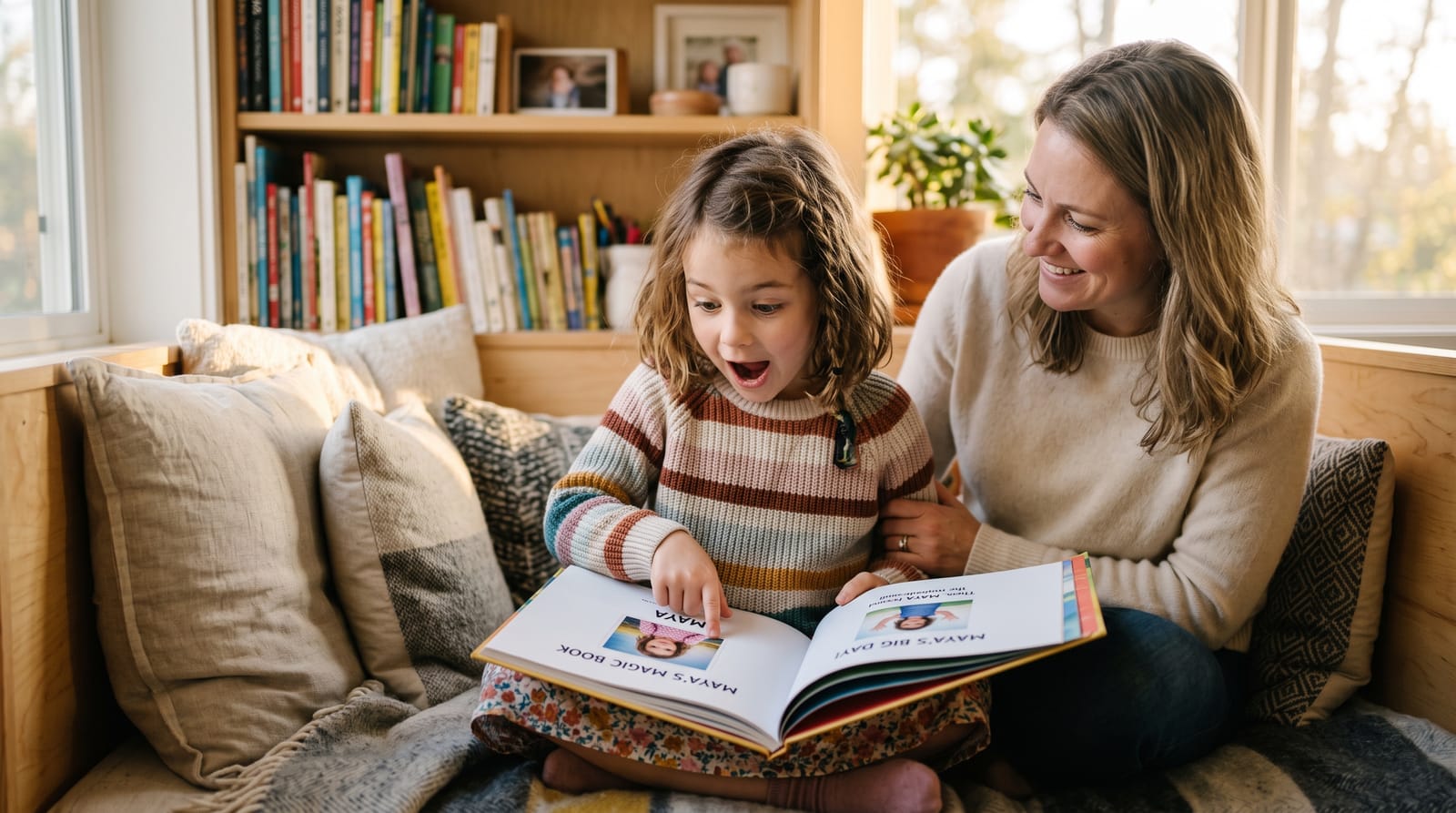
Personalized storytelling deepens this relationship. When a parent and child sit down together to read a book where the child is the hero, the bonding experience is intensified. It’s no longer just "Storytime"; it’s "Your Storytime." This shared narrative creates a unique emotional anchor, making the book a cherished keepsake rather than a disposable item. You can explore more about how this affects the reading experience in our look at The Living Picture Book: Connection & Resilience.
The Transition from Learning to Read to Loving to Read
There is a pivotal moment in childhood where the mechanics of decoding words—phonics, sight words, and sentence structure—give way to the fluency of immersion. This transition can be difficult for reluctant readers who find the "work" of reading to be more taxing than the "reward" of the story.
Personalization acts as a lubricant for this process. When a child is the main character, their "prior knowledge" of the protagonist is 100%. They know how they feel, how they speak, and what they like. This familiarity reduces the cognitive load required to process the story. Because they are so invested in seeing what they do next, they are more likely to push through challenging vocabulary or complex sentences.
Autonomy and the "Away-Story"
As children grow, they crave independence. They want to make their own choices and exert influence over their environment. Personalized books often place children in "away-stories"—scenarios where they are the primary problem-solvers, often navigating a world without the immediate intervention of adults.
This narrative structure supports a child's growing sense of autonomy. By seeing themselves succeed in a fictional setting, they build the confidence to tackle real-world challenges. This is a key element in Supporting Independence with Personalized Books, where the story serves as a dress rehearsal for life.
Curating a Diverse Reading Diet
While personalized books are a powerful tool for engagement, they are most effective when part of a diverse literary diet. Award-winning authors often emphasize the importance of variety—mixing classic tales, contemporary fiction, and informational texts.
The beauty of a StorytimeHero book is that it doesn't replace these other stories; it enhances them. It serves as the gateway. A child who becomes a "hero" in a personalized space adventure is much more likely to pick up a non-fiction book about the solar system or a middle-grade novel about an alien encounter. The personalized book builds the confidence that allows the child to explore the wider library with curiosity rather than hesitation.
Practical Ways to Use Personalization This Summer
If you’re looking to boost your child’s reading engagement in {YEAR}, consider these strategies:
- The "Main Character" Kickoff: Start the summer with a personalized book to set a tone of excitement. Let this be the "special" book that belongs only to them.
- Bridge the Gap: Use personalized stories to introduce topics your child might find intimidating. If they are nervous about a new grade or a new hobby, find a story that lets them "practice" that experience as the protagonist.
- Pair with Library Challenges: Many library programs allow kids to choose their own books. Include a personalized title in their weekly "stack" to keep the momentum high.
- Create a Reading Sanctuary: Encourage your child to read their personalized story in a "hero's fort" or a special corner. This physical association with the story enhances the immersive experience.
For a deeper dive into how this fits into the modern landscape of children's literature, see our article on How Personalization Reimagines the Picture Book.
Beyond the Page: The Long-Term Impact
The goal of any reading initiative isn't just to get through a specific number of pages. It’s to raise a human being who sees books as a source of comfort, knowledge, and joy. When we put a child at the center of a story, we are doing more than just teaching them to read; we are teaching them that they have agency.
We are showing them that stories aren't just things that happen to other people in far-off places. Stories are things they are part of. They are the authors of their own adventures, both on the page and off. This realization is the ultimate defense against the summer slide and the greatest gift we can give a young reader.
To see how this plays out in real-time, you can read about Why Kids Read More as the Main Character, which explores the immediate engagement spikes parents see when personalization is introduced.
FAQ: What Parents Ask About Personalized Reading
Related Reading
- Why Kids Read More as the Main Character
- How Personalization Reimagines the Picture Book
- Supporting Independence with Personalized Books
- The Living Picture Book: Connection & Resilience
***
In the end, the most important thing we can do as parents is to keep the spark of curiosity alive. Whether through a library challenge, a curated summer list, or a personalized adventure where they save the day, every page turned is a victory. By letting our children see themselves as the heroes they truly are, we ensure that the story of their literacy is one that never truly ends.
Free preview checklist
Get the personalized book gift checklist
Know what photo to use, what to write in the dedication, and what to review before ordering.