Supporting Independence with Personalized Books | StorytimeHero
Start a cover preview
There is a specific kind of sigh that often escapes parents after the house has finally gone quiet for the night. It’s the sigh of someone who has spent the last fourteen hours navigating the fine line between "protective" and "overbearing." If you’ve spent any time in modern parenting circles, you’ve likely encountered the labels: helicoptering, lawnmowing, or even snowplowing. Perhaps you’ve even had that moment of quiet realization where you’ve-diagnosed your own habits as leaning a bit too far into the "hovering" category.
It is a natural instinct to want to smooth the path for our children. We live in an era of hyper-information, where we are acutely aware of every potential pitfall and statistical anomaly. However, the modern parenting landscape is shifting. Many of us are looking for a middle ground—a way to step back so our children can step up, without feeling like we’ve abandoned them to the wild.
This is where the concept of autonomy-supported parenting comes into play. It’s about providing the guardrails without driving the car for them. Interestingly, one of the most effective tools for navigating this transition isn’t a new piece of technology or a complex discipline system; it’s the simple, timeless act of storytelling, specifically through the lens of personalized books.
The "Youve-Diagnosed" Dilemma: Why We Hover
When you’ve-diagnosed yourself as a parent who hovers, it usually stems from a place of deep love and a desire for safety. We want to prevent the scraped knee, the hurt feelings at recess, or the frustration of a difficult puzzle. But as child development experts often point out, when we "rescue" children from these minor stressors, we inadvertently rob them of the chance to build resilience.
The challenge is finding a way to let them experience risk and agency in a controlled, safe environment. We want them to feel like the masters of their own destiny, even if they are still small enough to need help tying their shoes. Personalized books offer a unique "narrative laboratory" where this sense of agency can be practiced and perfected.
The Narrative Guardrail: Agency Without Anxiety
In a standard picture book, a child is an observer. They watch a character—perhaps a bear or a brave knight—navigate a problem. While this is valuable, there is a distinct psychological distance. When you introduce a personalized story, that distance vanishes.
When a child sees themselves as the protagonist, the stakes change. They aren't just watching someone be brave; they are the one being brave. This is a core component of Personalization and the Modern Picture Book, where the child moves from a passive listener to an active participant in the story's outcome.
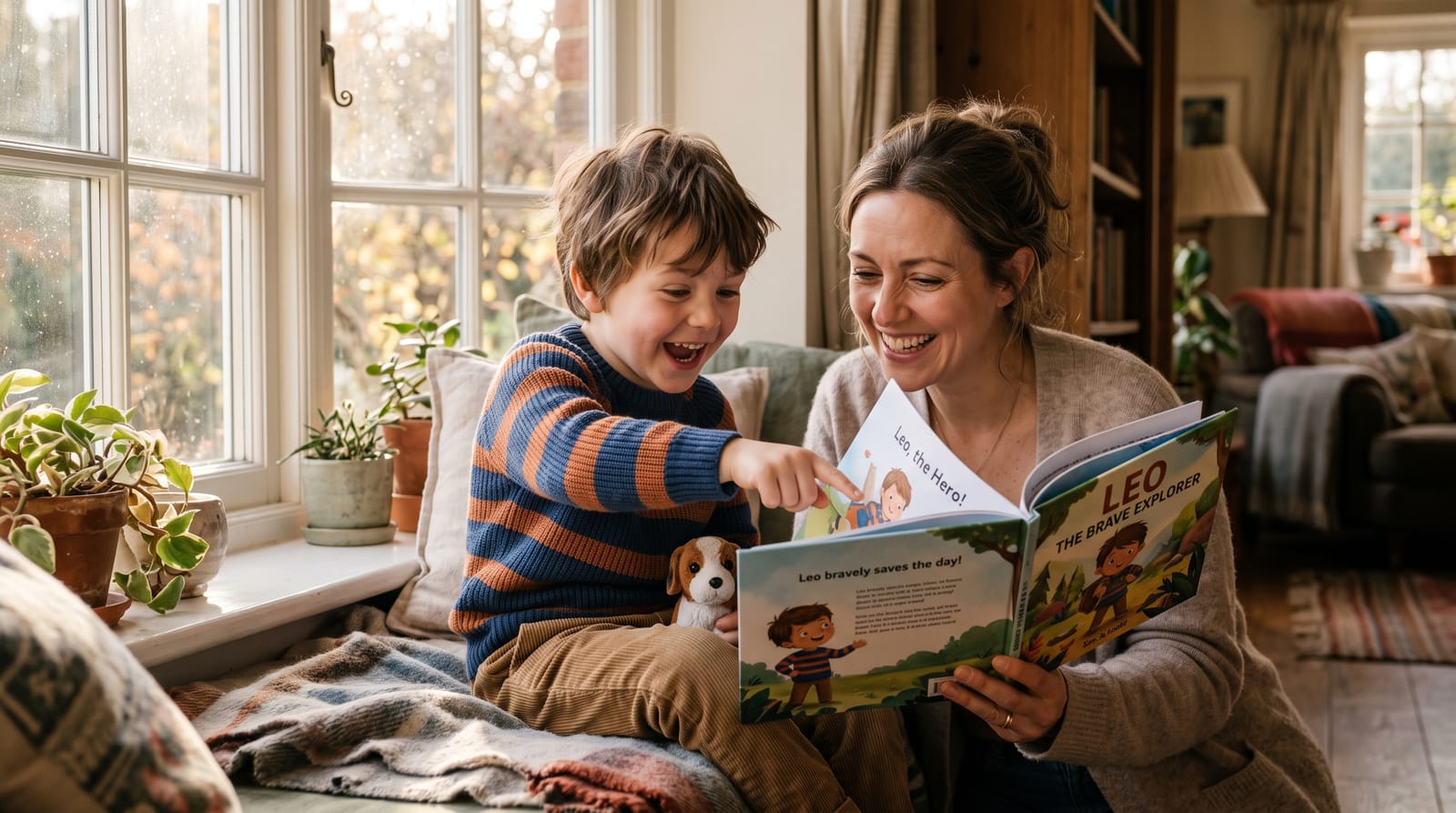
For the parent who is trying to step back, these books act as a narrative guardrail. You are still there, holding the book and providing the voice, but the "action" belongs to the child. It allows you to support their independence within the safe confines of a bedtime story.
Building Self-Efficacy Through Personalized Adventures
Self-efficacy is the belief in one’s own ability to succeed in specific situations. For a child, this might mean believing they can climb the big slide or share their toys with a new friend. If we always do things for them, their self-efficacy remains low.
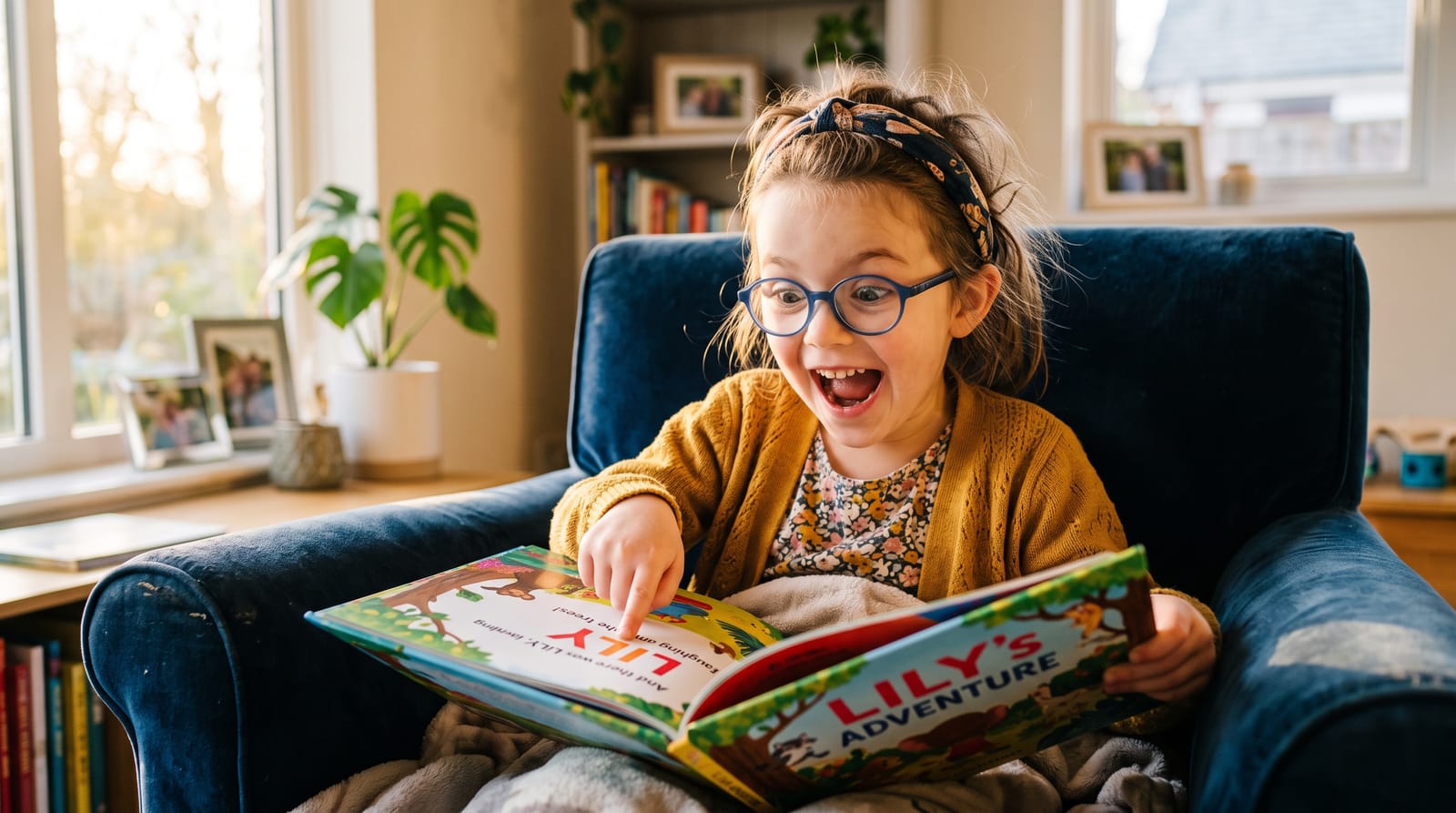
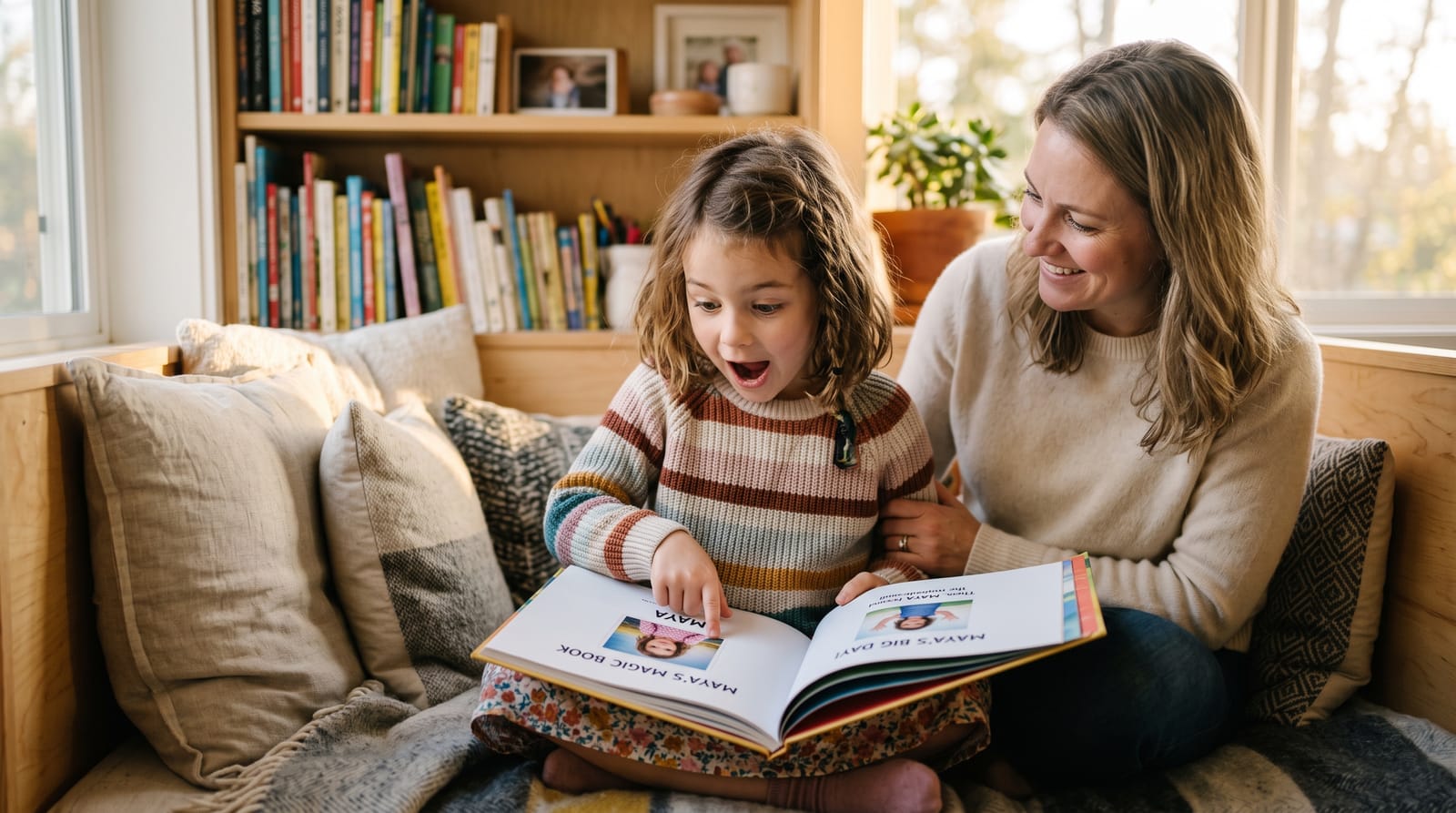
Personalized books allow children to "rehearse" success. In a StorytimeHero book, the child might navigate a magical forest or solve a mystery. Because the character has their name and likeness, the brain processes these fictional triumphs as personal wins. This creates a mental blueprint for real-world confidence.
By utilizing Personalization & The Modern Picture Book themes, we can help children visualize themselves as problem-solvers. When a child encounters a challenge in the real world, they can look back on their "adventures" and remember that they are the kind of person who finds a way through.
Moving from "Rescue" to "Reflect"
One of the hallmarks of autonomy-supported parenting is the shift from "How can I fix this for you?" to "How do you think you can handle this?" This shift is much easier to make when you have a shared vocabulary built through reading.
When you read a personalized story together, you aren't just finishing a book; you’re opening a dialogue. You can ask questions like:
- "You were so brave when you met the dragon in the story. How do you think you’d feel if you met a big dog at the park?"
- "In the book, you had to choose between two paths. What helped you make that decision?"
This moves the parent into the role of a coach rather than a rescuer. You are Mapping Family Belonging and individual strength simultaneously. The story becomes the bridge between your protective instincts and their growing need for freedom.
Why Personalization Matters in {YEAR}
In {YEAR}, the world feels faster and more complex than ever. The pressure to "perfect" our children is immense. But the most important gift we can give them is the belief that they are capable, even when we aren't standing right behind them.
Personalized books are more than just a novelty gift; they are a tool for identity formation. They help children ground their sense of self in a world that often feels overwhelming. By seeing themselves as the hero of a story, they begin to see themselves as the hero of their own lives.
For parents who have-diagnosed themselves as over-involved, these stories offer a way to let go of the "hover" and embrace the "hero." We can't always be there to clear the path, but we can give them the internal compass they need to find their own way.
Fostering Independence in the Bedtime Routine
The bedtime routine is often the time when our protective instincts are most visible. We tuck them in, we check the closet for monsters, and we ensure everything is "just right." While this is a beautiful time for connection, it’s also an opportunity to plant the seeds of independence.
By choosing stories where the child takes the lead, you are subconsciously reinforcing their ability to handle the "dark" or the "unknown." You are showing them that even when the lights go out, they have the internal resources to be okay. This is a subtle but powerful way to transition from a helicoptering style to one that supports autonomy.
As we look at How Personalized Books Evolve the Picture Book, we see that the goal isn't just entertainment. It’s about creating a mirror that reflects the child’s best, most capable self back to them.
Conclusion: Trusting the Hero Within
If you’ve-diagnosed your parenting style as being a bit too "hands-on," don't be discouraged. It comes from a place of profound care. The transition to autonomy-supported parenting isn't about caring less; it's about trusting more.
It’s about trusting that the lessons you’ve taught them have taken root. It’s about trusting that they are stronger than they look. And it’s about giving them the tools—like personalized stories—that allow them to see that strength for themselves.
At StorytimeHero, we believe that every child has a hero inside them waiting to be discovered. Sometimes, all they need is a story that shows them exactly who they are and what they can do. When we stop hovering and start highlighting their potential, we give them the freedom to truly fly.
---
FAQ: Parenting and Personalized Stories
Q: Can personalized books really help with a child's confidence?
A: Yes. When a child sees themselves as the protagonist of a story, it reinforces their sense of agency and self-efficacy. They begin to associate their own identity with the positive traits and successful outcomes depicted in the book.
Q: How do I choose a personalized book that isn't just about their name?
A: Look for stories that focus on character growth, problem-solving, and emotional intelligence. The best personalized books use the child's identity as a catalyst for a meaningful journey, rather than just a repetitive label. You might find our guide on how to choose a personalized adventure book by age helpful.
Q: Is "autonomy-supported parenting" just another word for "free-range" parenting?
A: Not exactly. While free-range parenting often focuses on physical independence, autonomy-supported parenting is a psychological approach. it involves providing structure and limits while encouraging a child’s sense of initiative and volition. It’s about being a "guide on the side" rather than a "sage on the stage."
Q: At what age should I start using stories to encourage independence?
A: It’s never too early. Even toddlers can begin to understand the concept of "I did it!" through simple stories. As children grow into the 4-8 age range, personalized stories can tackle more complex themes like navigating friendships and fears.
---
Related Reading
Free preview checklist
Get the personalized book gift checklist
Know what photo to use, what to write in the dedication, and what to review before ordering.