The Evolution of the Modern Picture Book | StorytimeHero
Upload a photo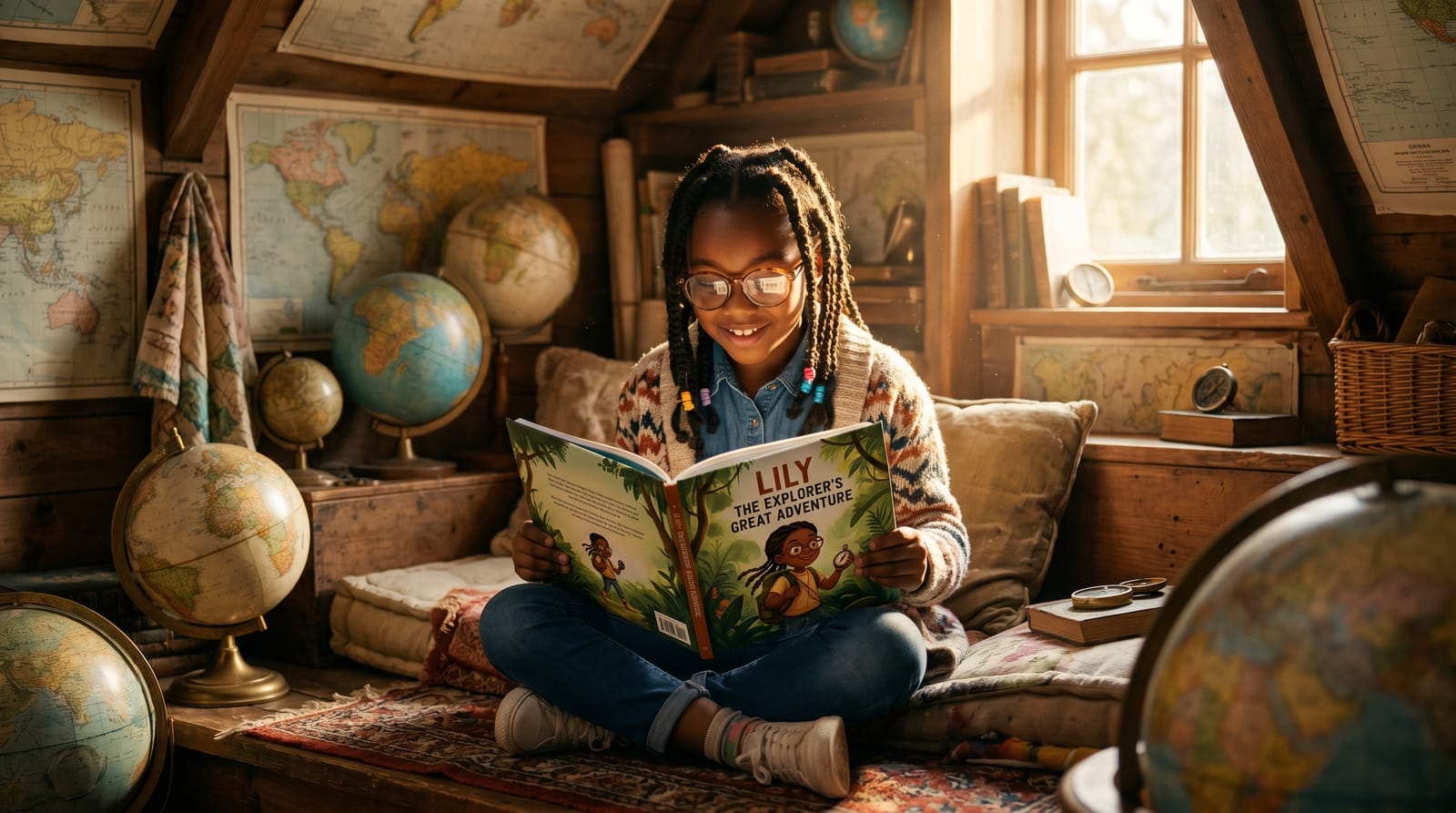
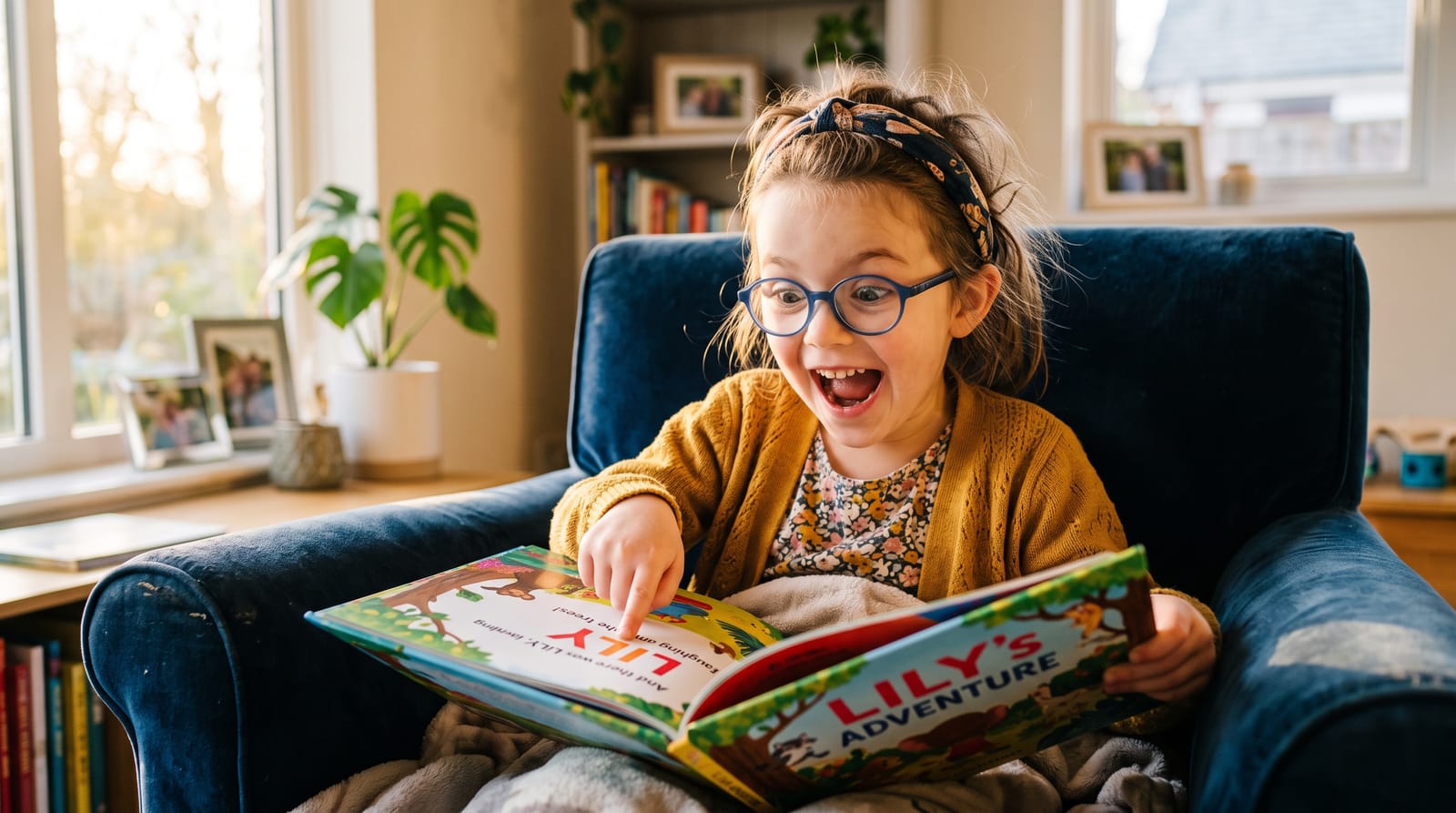
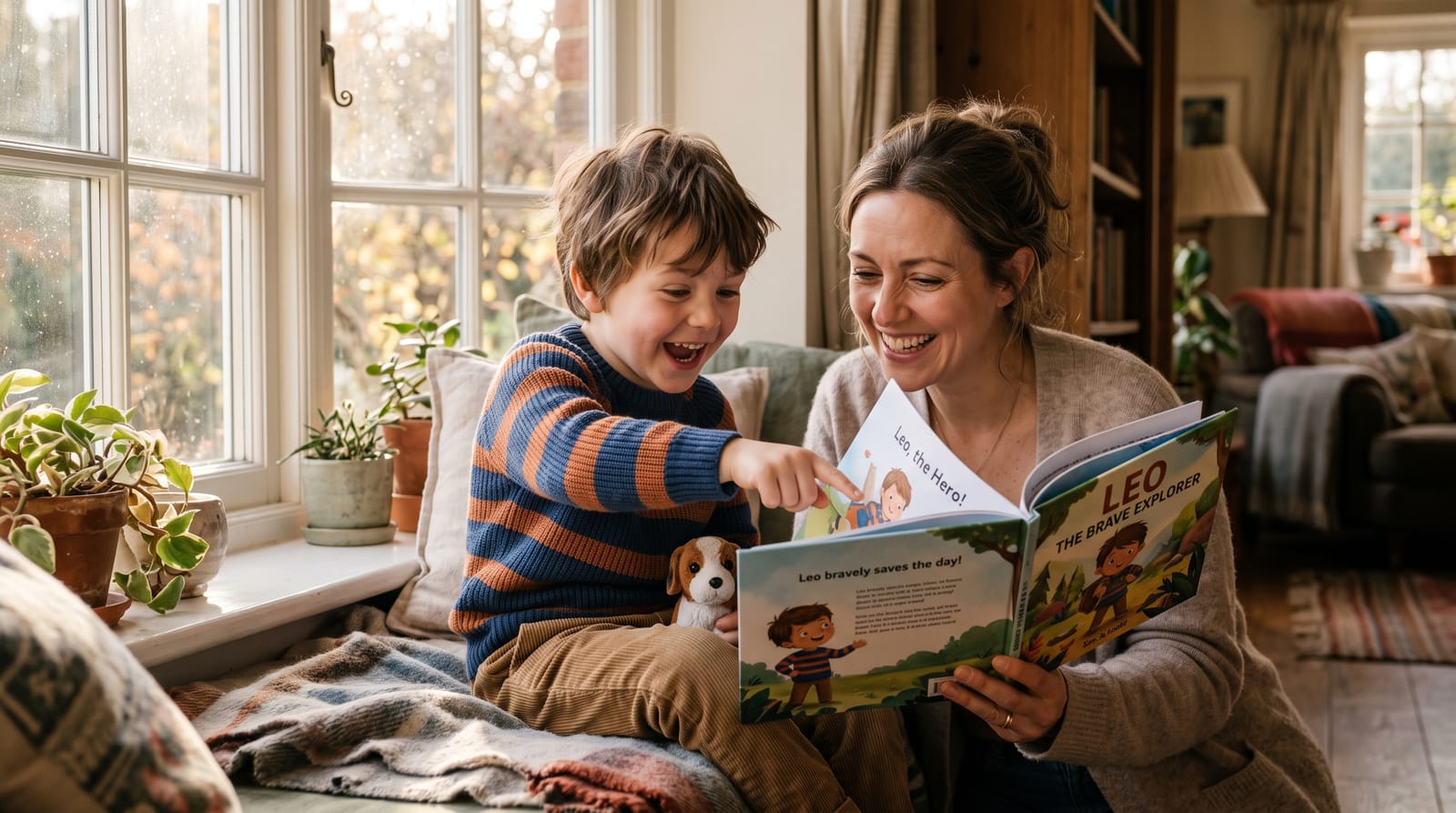
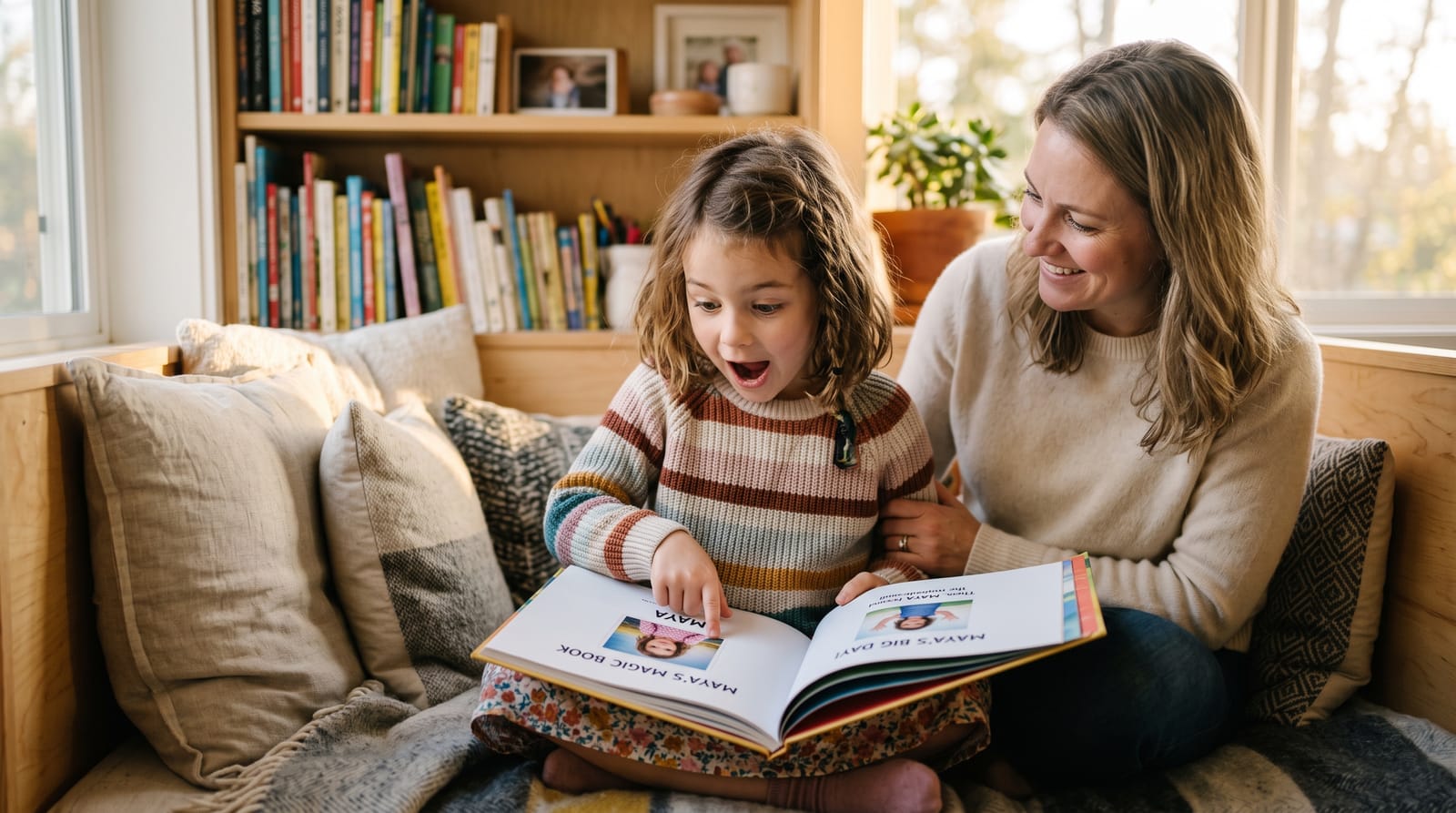
For generations, the traditional picture book followed a familiar rhythm: a distant hero, a far-off land, and a lesson learned from afar. But in {YEAR}, the landscape of children’s literature is undergoing a profound transformation. Today’s stories are no longer just windows into other worlds; they are becoming mirrors that reflect a child’s specific life back to them.
As parents, we are witnessing a shift where "relatability" is being replaced by "reality." Whether it is exploring the lives of historical icons, celebrating the nuances of cultural heritage, or navigating the practicalities of a food allergy, the modern picture book is working harder than ever to ground itself in the lived experience of the reader. At StorytimeHero, we believe this evolution is only the beginning. When we add the layer of personalization, we don't just give a child a book—we give them a place in the world.
The Rise of the Real-World Hero
One of the most exciting trends in the contemporary picture book is the move toward biographical storytelling. We are seeing a surge in books that introduce young readers to literary legends and creative icons. These aren't just dry history lessons; they are vibrant celebrations of the creative process.
By reading about the childhoods of influential authors or activists, children learn that greatness doesn't happen overnight. They see that even the most famous writers once struggled to find their voice or faced obstacles based on their background. This "humanizing" of heroes is a vital step in a child's development. It teaches them that their own thoughts, fears, and creative sparks are valid.
However, there is a unique magic that happens when a child sees their own name alongside these themes of perseverance and creativity. Personalized books take the inspiration found in biographies and apply it directly to the reader. It transforms the message from "This person did something great" to "I am the kind of person who can do something great." This shift in perspective is what makes a story stick, turning a bedtime reading session into a foundational moment of self-discovery.
Beyond the Acronym: Honoring Specificity in Identity
In recent years, there has been a beautiful push for more diverse representation in children's literature. We are seeing more stories that celebrate Asian American, Pacific Islander, Black, and Indigenous experiences, among many others. But as many educators and authors have pointed out, diversity is not a monolith. A single "category" or "acronym" cannot possibly capture the infinite variety of human experience.
The most impactful modern picture books are those that dive into the specifics: the particular way a grandfather dyes fabric in a specific village, the unique sights of a journey back to a family’s homeland, or the specific flavors of a traditional meal. These stories honor the individual rather than just the "group."
This is where the power of personalized books truly shines. When a child sees a character who shares their name navigating a story about heritage or family traditions, the narrative becomes personal. It bridges the gap between a "diverse story" and "my story." By centering the child as the protagonist, we allow them to explore their identity with a sense of agency. They aren't just observing a culture; they are the heart of the narrative, reinforcing their sense of belonging in a complex, beautiful world.
Navigating Modern Hurdles with a Growth Mindset
Childhood has always had its challenges, but the modern picture book is becoming increasingly sophisticated in how it helps children handle them. We are seeing a new wave of "problem-solving" books that tackle everything from social anxiety and friendship dynamics to physical health issues like food allergies.
In the past, these topics might have been handled with a heavy hand or a purely clinical tone. Today, authors are using the picture book format to weave these lessons into engaging, imaginative stories. They focus on the "growth mindset"—the idea that challenges are opportunities to learn and that mistakes are just stepping stones.
Consider the impact of a story about navigating a food allergy. For a child living with that reality, a generic book on the topic is helpful. But a personalized book—where they are the hero who successfully navigates a birthday party or a school lunch—is transformative. It moves the focus from the "limitation" to the "solution." By seeing themselves successfully managing their world, children build the resilience they need to thrive.
This is a core philosophy at StorytimeHero: using the narrative to empower the child. When the "hero" of the story is the same child holding the book, the lessons on resilience and problem-solving aren't just abstract concepts—they are lived experiences.
From Nature to the Canvas: The Participatory Reader
Another significant trend in the {YEAR} picture book market is the focus on the "process"—whether that’s the process of making art or the process of exploring the natural world. Modern books are encouraging children to be more than just passive listeners. They are inviting them to be curious about how colors are made, how plants grow, and how stories are constructed.
These books often function as a "call to action." They encourage kids to step outside, pick up a paintbrush, or ask questions about the world around them. This participatory nature of modern storytelling is perfectly aligned with the goals of personalization.
When a story is personalized, the "call to action" is directed specifically at the reader. If the book is about a child discovering the wonders of the forest, and that child has your son or daughter’s name, the invitation to explore becomes much more personal. It fosters a sense of "this is for me." This direct connection is one of the most effective ways to cultivate a lifelong love of learning and a deep curiosity about the environment.
Why Personalization is the Future of the Picture Book
As the picture book continues to evolve, the demand for deeper connection only grows. We live in an era of "on-demand" and "custom-fit," but in the world of children’s literature, personalization is about much more than just a trend. It is about meeting the psychological and emotional needs of the modern child.
Personalized books address the "relevance gap" that can sometimes exist in traditional literature. By placing the child at the center of the story, we solve several challenges at once:
- Engagement: A child is naturally more interested in a story about themselves.
- Retention: Lessons about kindness, bravery, or heritage stick better when the child is the one practicing them in the story.
- Confidence: Seeing oneself as a capable, curious, and loved protagonist builds an internal narrative of self-worth.
The evolution of the picture book is moving toward a more intimate, more specific, and more empowering experience. By integrating the trends of real-world heroes, diverse identities, and practical resilience, personalized books are setting a new standard for what a "good story" can do.
---
FAQ: Common Questions About Personalized Picture Books
Q: Are personalized books only for younger children?
A: While picture books are traditionally associated with the 3-7 age range, personalization is becoming increasingly popular for older children as well. For "middle-grade" readers, seeing themselves in stories about identity and social transitions can be incredibly grounding.
Q: Can personalized books help with specific behavioral or health challenges?
A: Absolutely. One of the greatest strengths of a personalized narrative is its ability to model positive behavior. Whether it’s a story about overcoming a fear of the dark or navigating a specific health routine, having the child as the protagonist makes the "success" feel attainable and personal.
Q: How do personalized books fit into a diverse home library?
A: We recommend using personalized books as a "narrative anchor." While it’s vital to read stories about many different people and places, a personalized book provides a home base. It gives the child a sense of "self" that they can then carry with them as they explore the wider world through other books.
---
Related Reading
- The Evolution of the Modern Picture Book
- Personalization and Modern Picture Book Themes
- The Participatory Page: Personalized Books & Modern Needs
- Personalized Picture Books: Poetry, Nature & Community
At StorytimeHero, we are dedicated to helping families navigate the wonderful world of modern storytelling. By turning the "picture book" into a personalized journey, we help children realize that the most important story ever told is the one they are living right now. Whether they are exploring the stars, learning about their ancestors, or simply learning how to be a good friend, they deserve to be the hero of their own tale.
Free preview checklist
Get the personalized book gift checklist
Know what photo to use, what to write in the dedication, and what to review before ordering.