Why Kids Read More as the Main Character | StorytimeHero
Upload a photo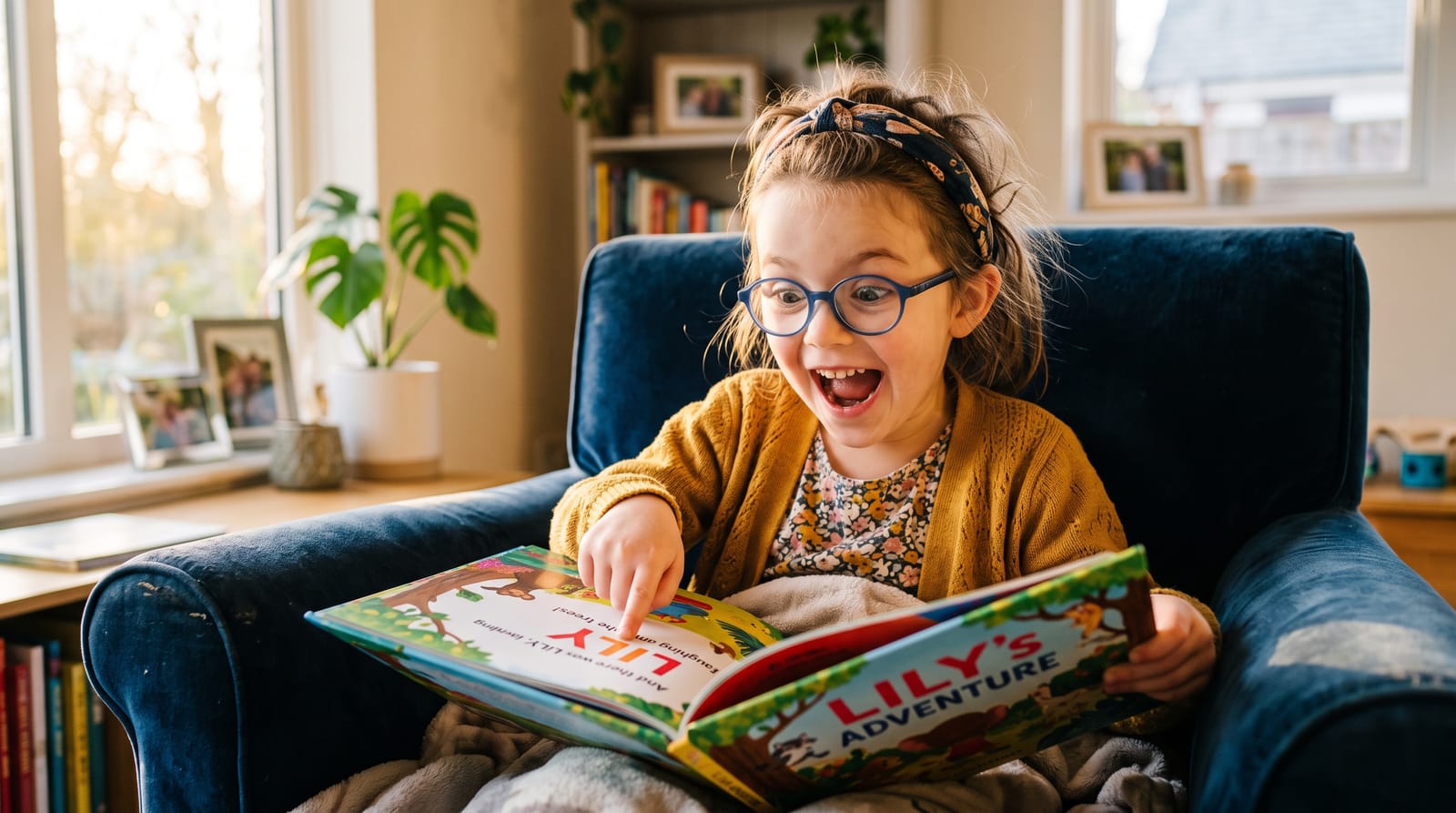
There is a specific kind of magic that happens in the quiet corners of a public library during the summer months. If you’ve ever walked into a children’s wing in July, you’ve felt it—the hum of excitement as kids track their progress on colorful wall charts, aiming for that final sticker or commemorative medal. Since the late 19th century, these community reading challenges have served a vital purpose: keeping young minds active when the school doors close.
But as parents and educators, we often find ourselves asking a deeper question. Beyond the stickers and the prizes, what is it that truly makes a child want to pick up a book and stay there? While lists of "must-read" titles for {YEAR} offer wonderful variety, there is a burgeoning realization in the world of literacy that the most powerful hook isn't just a great plot—it’s the person at the center of it.
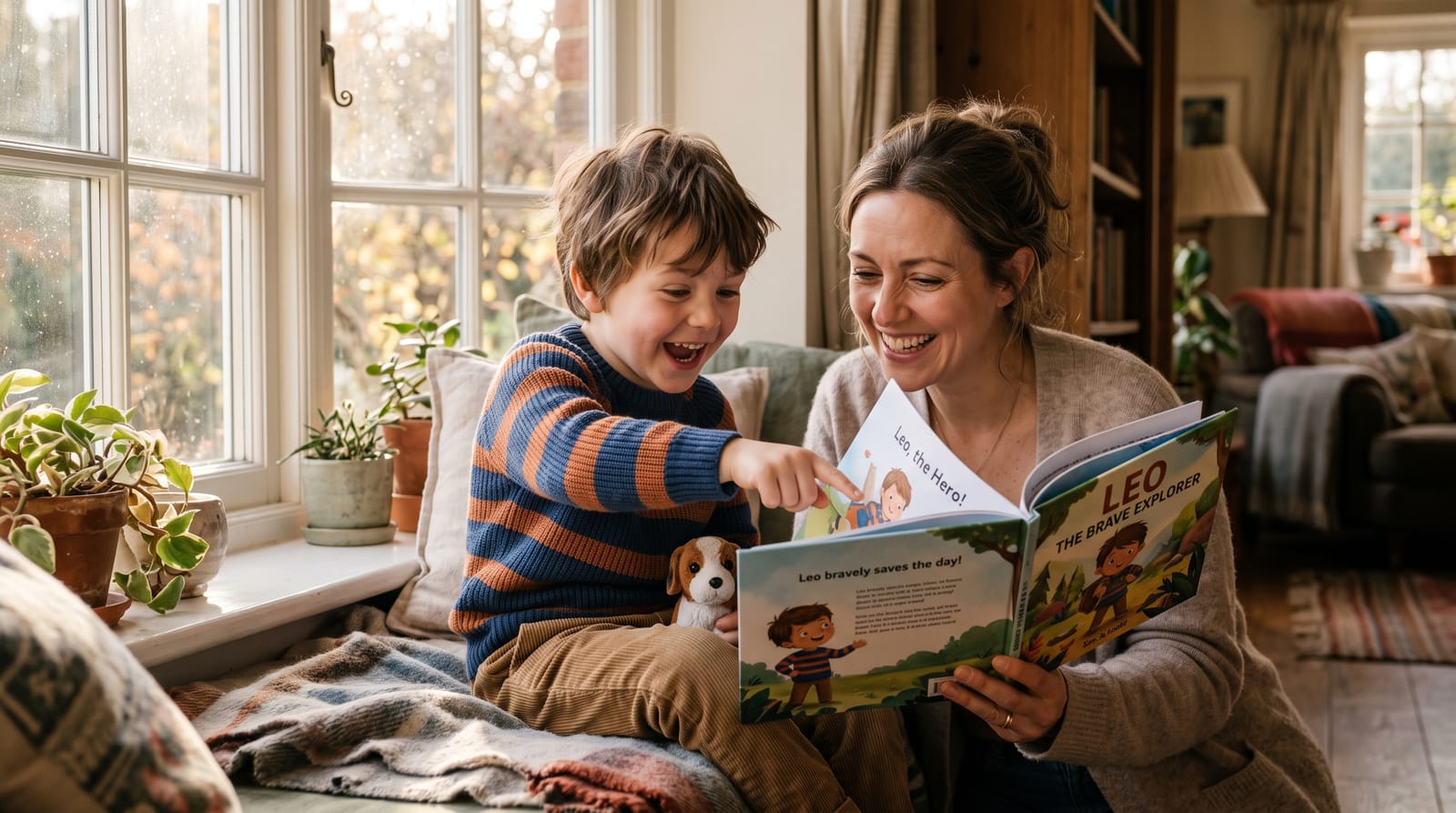
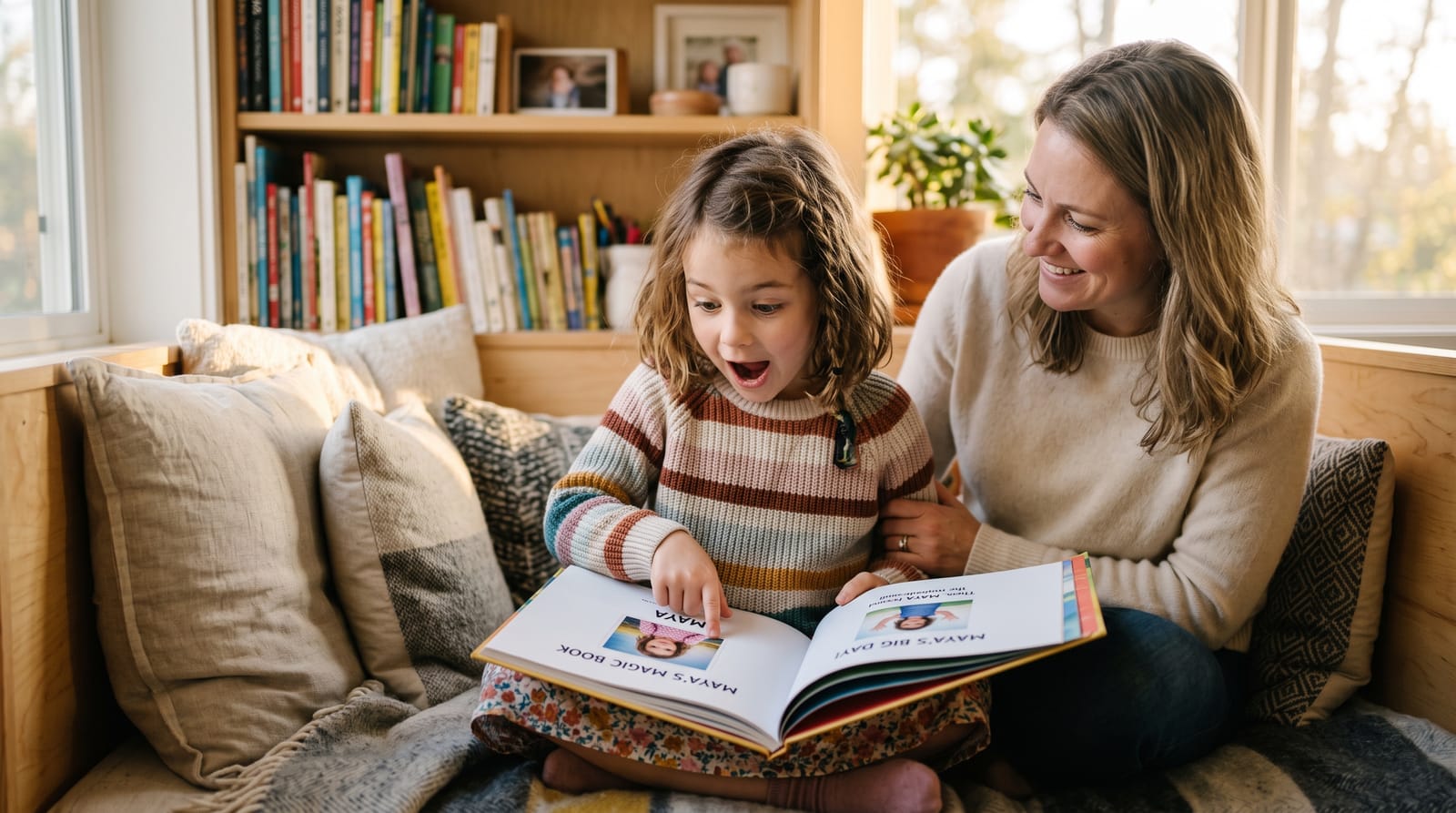
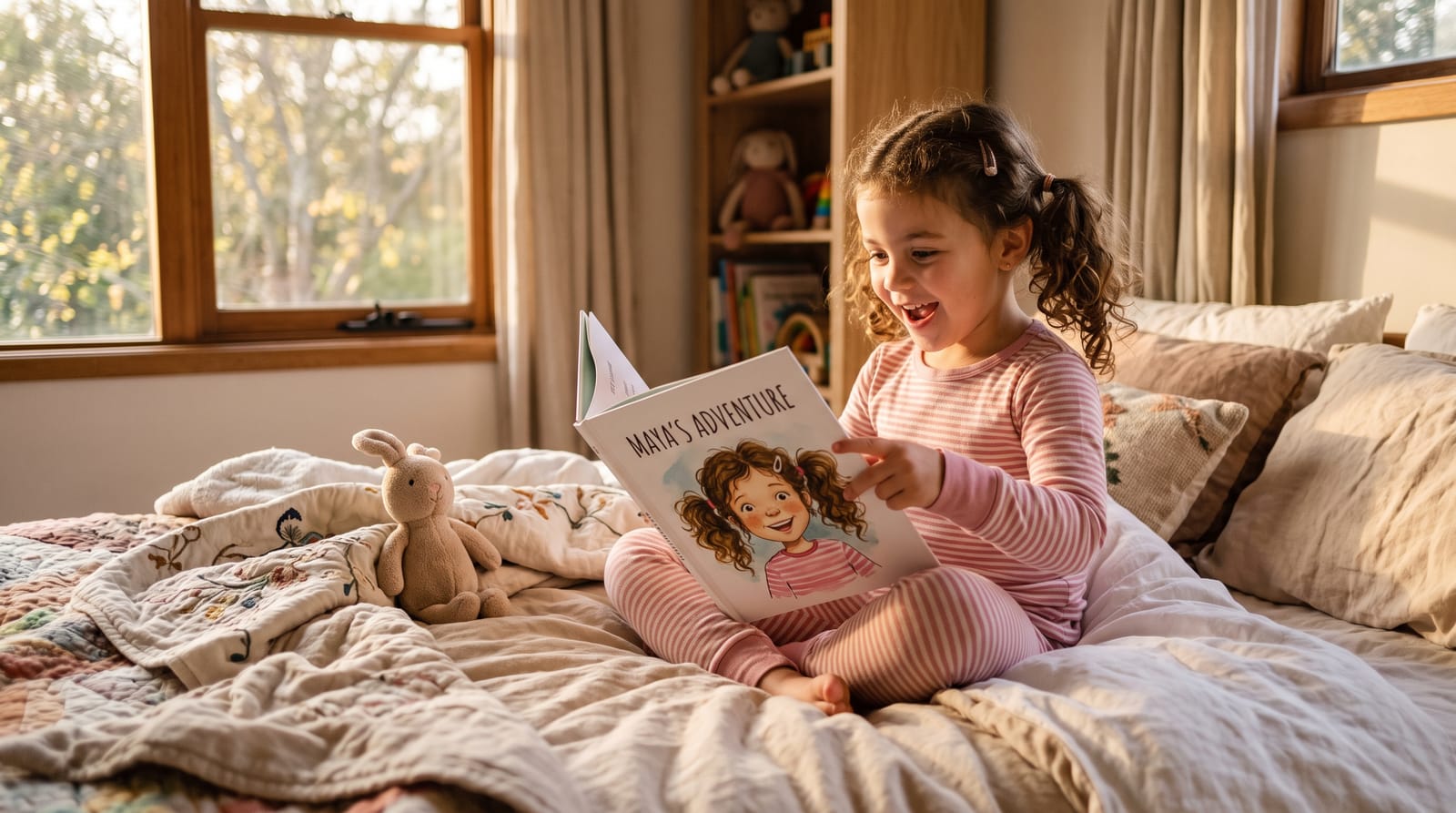
When a child sees their own name, their own face, or their own family reflected on the page, the act of reading transforms from a passive exercise into an active adventure. This is the heart of why personalized books are changing the landscape of early literacy.
The Science of the Self: The Psychology of Engagement
To understand why a child’s engagement levels skyrocket when they are the main character, we have to look at how the brain processes information. Psychologists often refer to the "Self-Reference Effect." This is the tendency for people to encode information more deeply and remember it more clearly when it relates to them personally.
For a seven-year-old, a story about a generic "Boy and his Dog" is a window into someone else's world. It’s an empathetic exercise, certainly. But a story about "[Child’s Name] and the Secret of the Oak Tree" is no longer a window—it’s a mirror. This shift in perspective creates an immediate "buy-in."
When children are the heroes of their own stories, they aren't just observing the action; they are experiencing it. This heightened state of immersion is what leads to the "flow state" in reading, where the mechanics of decoding words become secondary to the thrill of the narrative. This is particularly effective for reluctant readers who may find traditional texts intimidating. By placing the child at the center, we lower the "affective filter"—the emotional barrier to learning—and replace it with a sense of belonging.
Combating the "Summer Slide" with Identity-Driven Reading
For over a hundred years, libraries have used summer challenges to prevent what educators call "learning loss." Research suggests that just 15 to 30 minutes of daily reading can significantly protect a child’s academic progress during the long break. However, any parent knows that getting a child to commit to those 30 minutes can sometimes feel like a chore.
This is where personalized storytelling becomes a secret weapon for parents. Traditional book lists are excellent, but they require the child to find a connection to a stranger’s experience. Personalized books bridge that gap instantly. When a child is curious about what they will do next in the story, the 30-minute goal is often surpassed without a single glance at the clock.
By integrating personalized books into a summer routine, we aren't just checking a box on a library log; we are fostering a Why Kids Read More as the Main Character mentality. The "hero effect" ensures that the habit of reading is built on joy rather than obligation.
Building a Bridge Between Fantasy and Reality
One of the most profound benefits of personalization is its ability to help children navigate real-world emotions through a fantastical lens. In a personalized narrative, the child might face a dragon or explore a distant galaxy, but the courage they show in the story is intrinsically tied to their own identity.
This creates a "narrative anchor." When a child reads about themselves being brave, kind, or curious, those traits begin to integrate into their own self-image. It’s a way of bridging real-world lessons with personalized picture books, allowing the child to "practice" being the person they want to become.
At StorytimeHero, we see this most clearly in how families interact with our stories. The book becomes a shared artifact—a piece of family lore that validates the child’s place in the world. This is especially true in How Personalization Enhances Modern Picture Books, where themes of diversity, family structure, and individual resilience are brought to the forefront.
The Role of Autonomy in Literacy
As children grow, their desire for independence increases. They want to make their own choices and exert control over their environment. Traditional reading can sometimes feel like a passive reception of someone else's ideas. Personalization, however, offers a form of "supported autonomy."
When a child is the protagonist, they feel a sense of agency over the plot. They are the ones solving the mystery or making the grand discovery. This sense of power is incredibly motivating. It encourages children to take risks with more difficult vocabulary and more complex sentence structures because they are invested in the outcome of "their" journey. For more on this, parents can explore Supporting Independence with Personalized Books.
From "Learning to Read" to "Reading to Live"
The ultimate goal of any literacy program—whether it’s a century-old library challenge or a modern digital platform—is to move a child from the mechanical phase of "learning to read" to the life-enriching phase of "reading to live."
Personalized books act as a catalyst for this transition. They prove to the child that stories are not just things found in school or on dusty shelves; stories are things that belong to them. When a child realizes that they are "book-worthy," their relationship with the written word changes forever. They no longer see themselves as outsiders looking in on the world of literature; they are the very heart of it.
Frequently Asked Questions
Are personalized books only for younger children?
While personalized books are a staple for the toddler and preschool years, the benefits extend well into elementary school. Older children often enjoy personalized "quest" or "mystery" books where their name and traits are woven into more complex plots, helping to maintain engagement as they transition to chapter books.
How do personalized books help with reading comprehension?
When a child is the main character, they have a higher level of "prior knowledge" about the protagonist (themselves!). This allows them to focus more brainpower on understanding the plot and vocabulary rather than trying to figure out the character's motivations or appearance.
Can personalized books help reluctant readers?
Absolutely. Many reluctant readers struggle because they don't see the relevance of the stories they are asked to read. Personalization provides immediate relevance, which can lower the frustration often associated with the early stages of reading.
Do these books replace traditional library books?
Not at all! We like to think of personalized books as the "spark" that lights the fire. Once a child discovers the joy of being a hero in a book, they are often much more eager to explore the wide world of stories found at their local library.
Related Reading
If you enjoyed exploring how identity impacts literacy, you might find these other guides helpful:
- Why Kids Read More as the Main Character
- How Personalization Reimagines the Picture Book
- How Personalized Books Support Family Identity
- Supporting the Away-Story with Personalized Books
As we look toward the reading goals of {YEAR}, let’s remember that the most important part of any story isn't the ink on the page—it's the child holding the book. By making them the hero, we aren't just teaching them to read; we are showing them that they have the power to write their own future.
Free preview checklist
Get the personalized book gift checklist
Know what photo to use, what to write in the dedication, and what to review before ordering.