Why Kids Read More as the Main Character | StorytimeHero
Upload a photo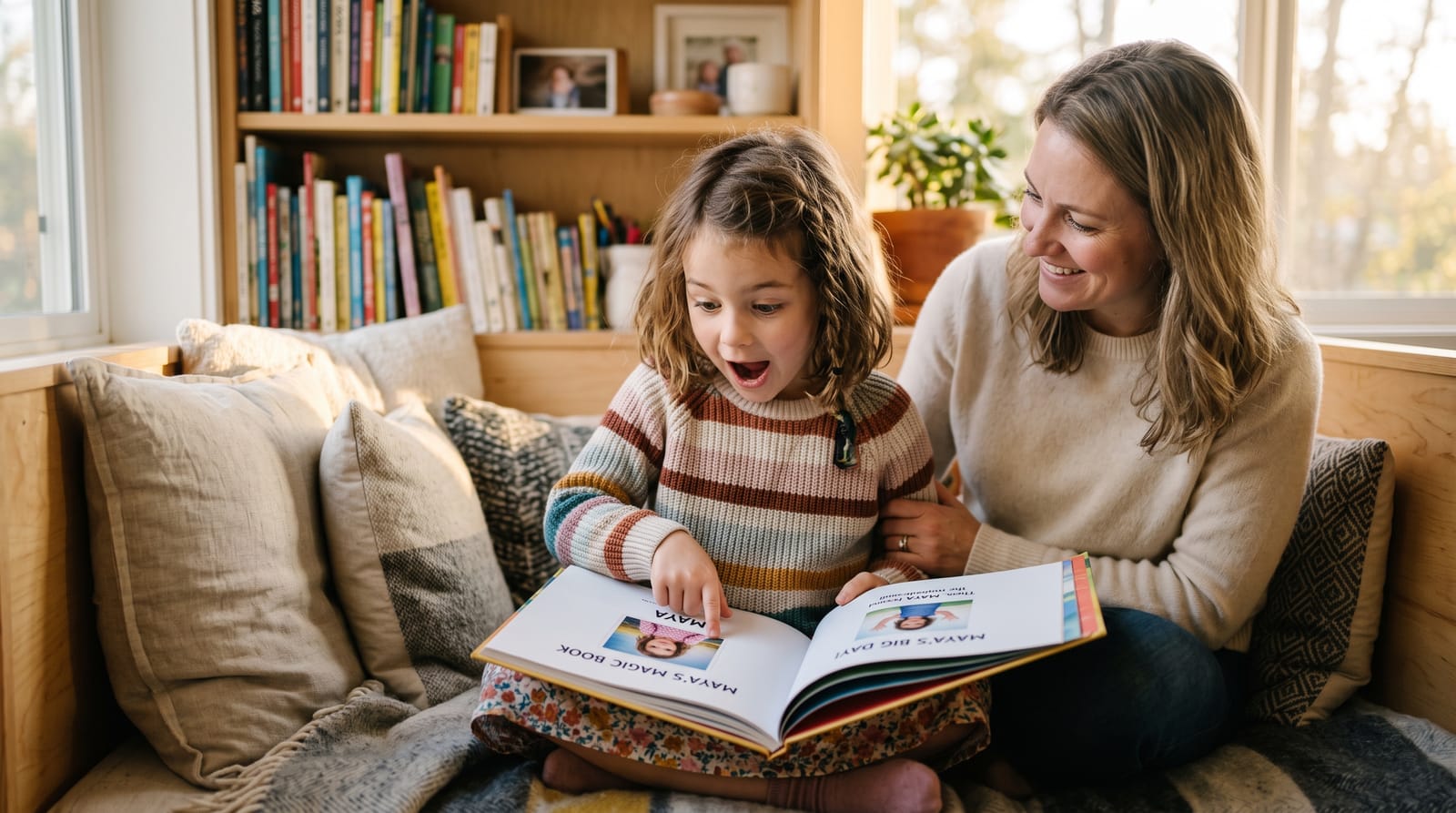
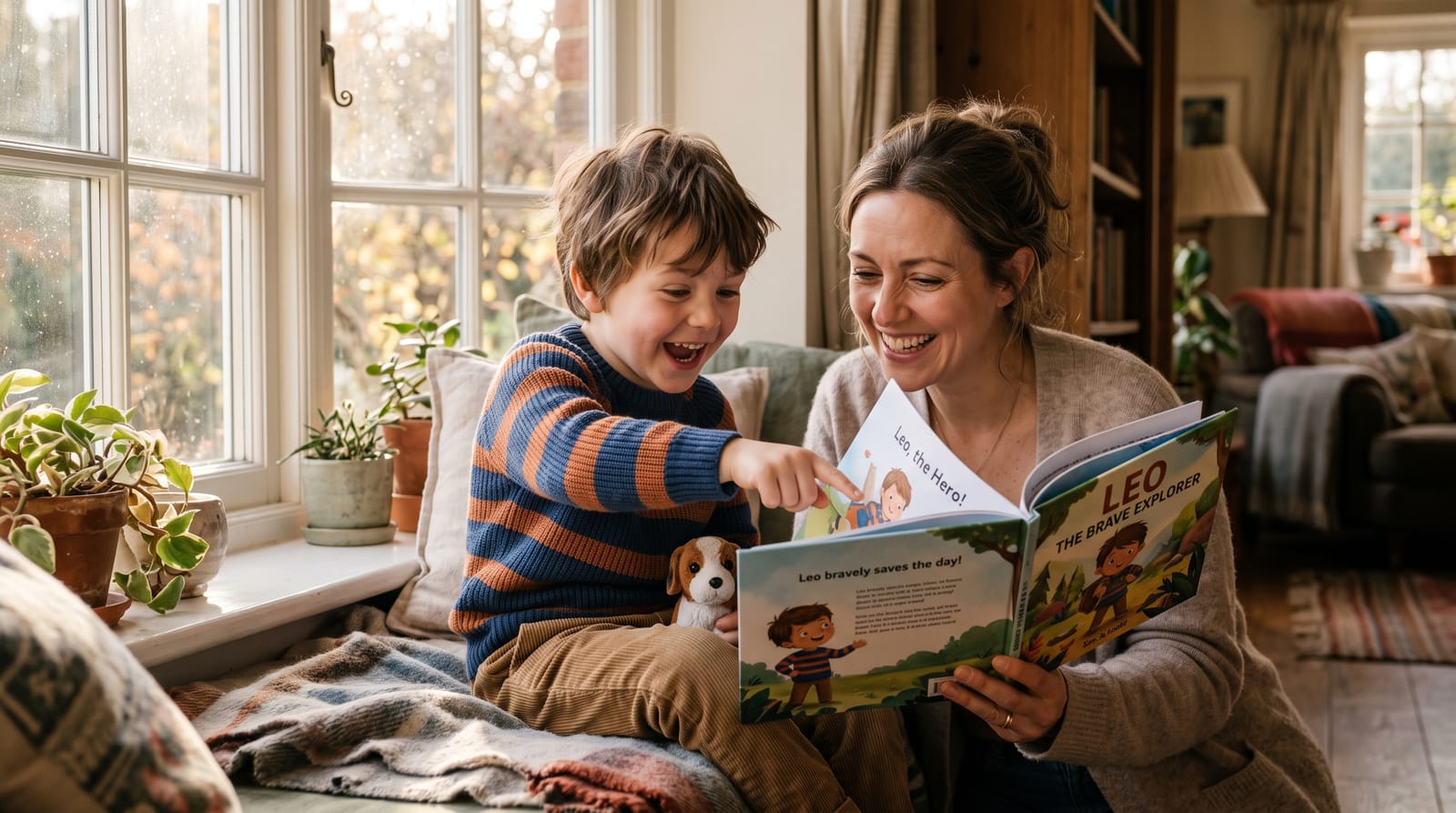
Every parent knows the quiet magic of a child truly lost in a book. Their eyes widen, their breathing slows, and for a few moments, the living room carpet transforms into the bridge of a starship or the floor of a prehistoric jungle. But there is a specific, heightened level of engagement that occurs when a child realizes the character navigating those worlds isn’t just a hero—it’s them.
In the world of literacy development, we often talk about "windows and mirrors." Windows allow children to see into lives different from their own, while mirrors reflect their own experiences back at them. Personalized books take the concept of the mirror and turn it into a doorway. When a child is the protagonist, the barrier between the reader and the story dissolves.
As we look toward the reading landscape of {YEAR}, understanding the "Hero Effect" is more than just a novelty; it’s a powerful tool for building lifelong literacy habits.
The Psychology of Self-Recognition in Reading
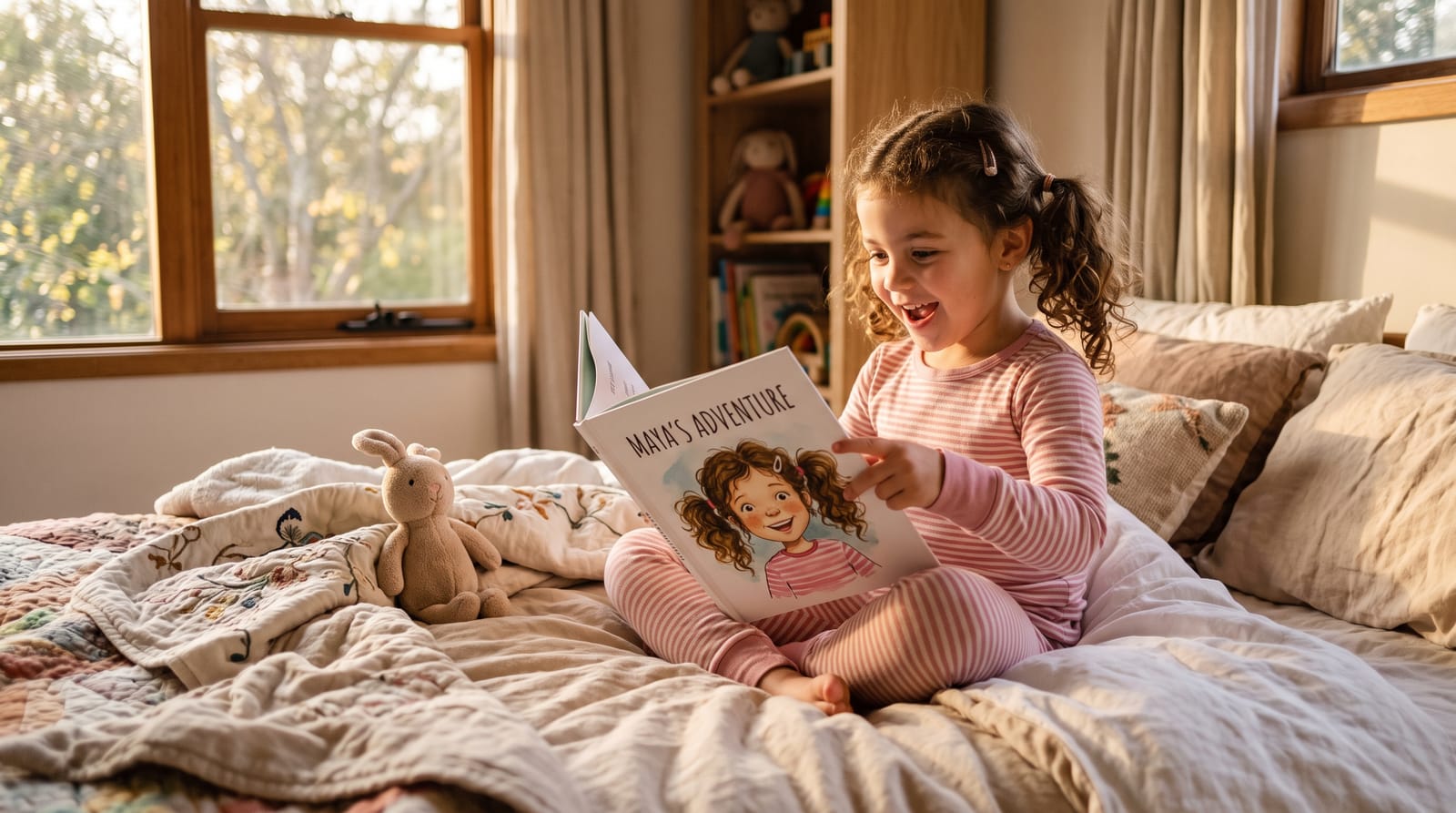
Why does a child’s face light up when they hear their name in a story? It’s more than just ego. From a developmental perspective, self-recognition is a major milestone. When a child sees their own name or likeness in a narrative, it triggers a unique neurological response. The brain moves from "decoding" (the hard work of turning letters into sounds) to "identifying."
When children read about themselves, they aren't just observing a plot; they are experiencing it. This shift from a passive observer to an active participant is the foundation of deep reading. It’s the difference between watching a movie and being the actor on set. For a reluctant reader, this can be the "aha!" moment where reading stops feeling like a chore and starts feeling like an adventure.
By utilizing personalized books, parents can help children bridge the gap between their daily lives and the abstract world of literature. This connection makes the "work" of reading feel significantly more rewarding.
Beating the "Summer Slide" with Personal Narratives
Every year, as school doors close for the summer, educators and librarians prepare for the "summer slide"—the tendency for students to lose some of the achievement gains they made during the previous school year. Traditional wisdom, supported by organizations like the American Library Association, suggests that just 15 to 30 minutes of reading a day can act as a shield against this learning loss.
However, the challenge for many parents is making those 30 minutes happen without a struggle. This is where the vibrancy of summer reading challenges and the power of personalization converge. Public libraries have spent over a century turning summer reading into a festive, community-driven event. They use stickers, medals, and "rock star" librarians to create an atmosphere of excitement.
Personalized books offer a similar "internal" reward system. While a library medal is a wonderful external motivator, the internal motivation of seeing yourself defeat a dragon or explore the cosmos is incredibly potent. When a child is the hero, they don't need to be told to read for 20 minutes; they want to find out what they did next.
Turning "Learning to Read" into "Reading to Live"
In the early years of education, children focus on the mechanics of literacy. They learn phonics, sight words, and sentence structure. But the ultimate goal of any literacy program is to move the child into the phase of "reading to learn" and, eventually, "reading for joy."
StorytimeHero aims to facilitate this transition by making the narrative feel personal and urgent. When a book is about a generic character named "Sam," the child might care. But when the book is about them, the stakes are raised. They aren't just learning what happens to Sam; they are discovering their own potential for bravery, kindness, and curiosity.
This sense of agency is vital. By supporting independence with personalized books, we give children a safe space to practice being the person they want to become. It allows them to "try on" different roles—the explorer, the problem-solver, the peacemaker—all within the comfort of a bedtime story.
The Power of Curation and Quality
While the "hero" aspect is a massive draw, the quality of the story still matters. Renowned authors and literacy advocates often emphasize the importance of curated reading lists. A great story provides the scaffolding that supports the child’s personal involvement.
Personalization shouldn't be a substitute for great storytelling; it should be an enhancement of it. The best books for children are those that combine high-quality prose and meaningful themes with the unique spark of individual identity. Whether it’s a tale of a magical quest or a quiet story about family bonds, the narrative must be strong enough to hold the child’s interest even without the personalization. When you combine a professionally crafted story with the child’s own identity, you create a "forever book"—the kind of story that stays on the shelf long after the child has outgrown the reading level.
Building Confidence in Reluctant Readers
For some children, the act of reading is fraught with anxiety. If they struggle with fluency or comprehension, a book can feel like a reminder of what they can’t do.
The Hero Effect helps bypass this anxiety. Because the child is the main character, they already have a "way in." They know the protagonist (themselves) intimately. This familiarity provides a sense of security. It’s easier to tackle a difficult word when you’re the one saying it in the story.
We’ve seen that personalized books for reluctant readers can significantly lower the "affective filter"—the psychological barrier that prevents learning when a student is stressed or unmotivated. By making the child the center of the universe, we replace frustration with curiosity.
Creating a Legacy of Literacy
Books are more than just tools for education; they are vessels for memory. Years from now, a child won't remember every worksheet they completed in the second grade, but they will remember the book where they saved the day.
When we integrate a child’s life into their library, we are telling them that their story matters. We are telling them that they are worthy of being the hero. This builds a foundational sense of belonging and self-worth that extends far beyond the final page.
In an era where digital distractions are everywhere, the physical act of holding a book—especially one that features your own face or name—remains a grounding and profound experience. It’s a way of humanizing the picture book and making literacy a core part of a child's identity.
Tips for Maximizing the Hero Effect at Home
If you're looking to boost your child's engagement with reading this year, consider these strategies:
- Pair Personalization with Choice: Let your child help "create" their character. Whether it's choosing an avatar that looks like them or picking the theme of the adventure, involving them in the process increases their investment.
- Make it a Family Event: Read the personalized story together. Point out the similarities between the "book hero" and the "real-life hero." This reinforces the connection between the story and their reality.
- Connect to Local Programs: Use personalized books as a "special treat" for reaching milestones in a library summer reading program. It’s a great way to celebrate their progress.
- Rotate Themes: Children's interests change quickly. One month they might be into dinosaurs, the next, outer space. Personalized books that reflect these shifting passions keep the "Hero Effect" fresh and exciting.
Conclusion: The Ultimate Summer Adventure
Reading is a journey, and every journey needs a leader. By placing your child in the lead role, you aren't just helping them read more words; you're helping them envision a world of possibilities.
Whether it's through a local library challenge or a custom-crafted StorytimeHero adventure, the goal is the same: to turn the act of reading into a source of pride and joy. When a child sees themselves as the hero of the story, they begin to see themselves as the hero of their own life. And that is the greatest story any of us can tell.
***
Frequently Asked Questions
Related Reading
Free preview checklist
Get the personalized book gift checklist
Know what photo to use, what to write in the dedication, and what to review before ordering.