The Evolution of the Picture Book: Personalization & Meaning | StorytimeHero
Upload a photo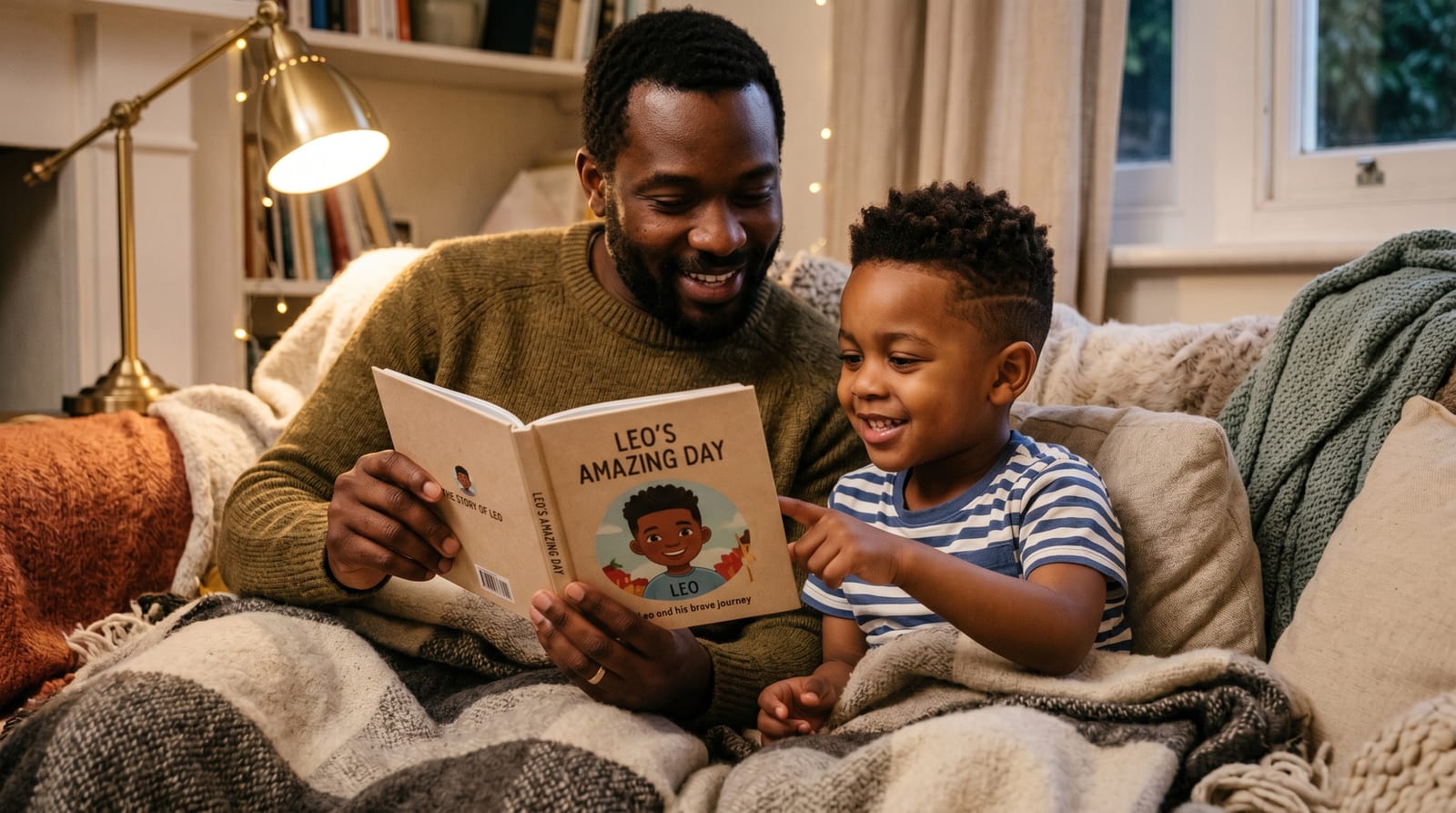
The landscape of the children’s picture book is undergoing a quiet but profound revolution. For decades, the shelves of our nurseries and libraries were filled with generic fables—charming stories of personified animals or "every-child" protagonists designed to appeal to as wide an audience as possible. But as we move through {YEAR}, the narrative is shifting. Today’s parents and educators are looking for something deeper: stories that don’t just entertain, but reflect the complex, beautiful, and highly specific realities of a child's life.
At StorytimeHero, we’ve observed that the most impactful stories are those that act as both mirrors and windows. They allow a child to see themselves reflected (the mirror) while peering into worlds and experiences different from their own (the window). This is where the magic of personalized books truly shines. By placing a child directly into a narrative that tackles modern themes—from cultural heritage to emotional resilience—we create a bridge between the abstract "story" and the child’s lived reality.
The Shift Toward Radical Specificity in Children's Literature
One of the most exciting trends in the modern picture book world is the move away from broad categories toward radical specificity. We see this in the increasing number of books that celebrate specific cultural heritages, moving beyond "umbrella" terms to explore the unique traditions of individual communities.
When a story explores a specific journey—like a child visiting their father’s homeland in the Philippines or learning the ancient art of indigo dyeing from a grandparent—it offers a level of texture that generic stories lack. Personalization takes this a step further. When a child sees their own name and likeness navigating these specific cultural landscapes, the story stops being a lesson about "someone else" and becomes a foundational part of their own identity. It transforms a global perspective into a personal heritage.
By integrating a child into stories of heritage and community, personalized books help foster a sense of belonging that is crucial in our increasingly globalized world. It’s not just about reading a book; it’s about claiming a place within the grander human narrative.
Cultivating the Next Generation of Storytellers
There is a growing movement to introduce young readers to the "literary legends" who paved the way. Modern biographical picture books are now introducing children to the lives of iconic authors like Judy Blume or Virginia Hamilton. These stories aren't just history lessons; they are celebrations of the creative process and the power of finding one’s own voice.
When we look at how personalized books interact with this trend, we see a unique opportunity for empowerment. In a standard biography, a child learns that a famous author overcame obstacles to tell their story. In a personalized narrative, the child is the one finding their voice. They are the protagonist who discovers that words have power.
By casting the child as the hero of their own creative journey, we move the concept of "storytelling" from a distant talent held by "legends" to an accessible tool the child can use every day. This helps them understand that their experiences, their fears, and their triumphs are worthy of being recorded and shared. It’s a powerful way to build the confidence needed to navigate the complexities of growing up in {YEAR}.
Rehearsing for Reality: Resilience and Problem-Solving
Modern picture books are also becoming more practical, addressing real-world challenges that children face daily. From navigating food allergies to developing a growth mindset, today’s stories are helping kids build "life-skills" muscles.
A book about a character managing a peanut allergy or learning to solve a difficult puzzle is helpful, but a personalized version of that story is transformative. When the child in the story—who looks and sounds like the reader—navigates a "sweet solution" to a problem, the child internalizes that success.
This "narrative rehearsal" allows children to practice resilience in a safe environment. They see "themselves" choosing a positive attitude, asking for help, or standing up for a friend. Because the protagonist is them, the emotional stakes are higher, and the lessons are more likely to stick. This is the true power of personalized books: they provide a blueprint for real-life courage.
The Participatory Page: Why Personalization is the Missing Piece
In the past, reading was often a passive experience—a child sat and listened to a story happen to someone else. But the modern picture book is becoming increasingly participatory. Whether through interactive elements or deep emotional resonance, kids are being invited into the story.
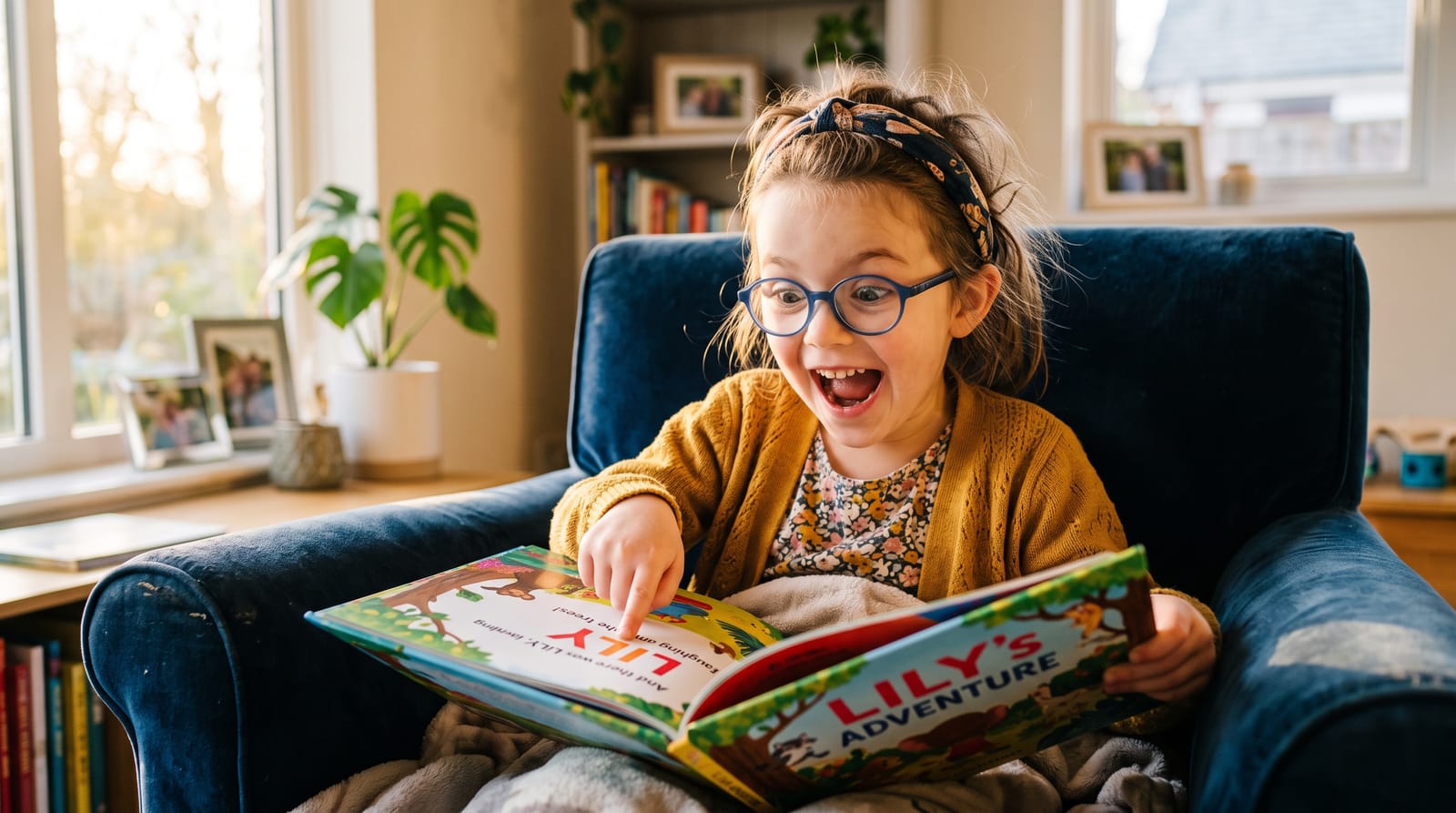
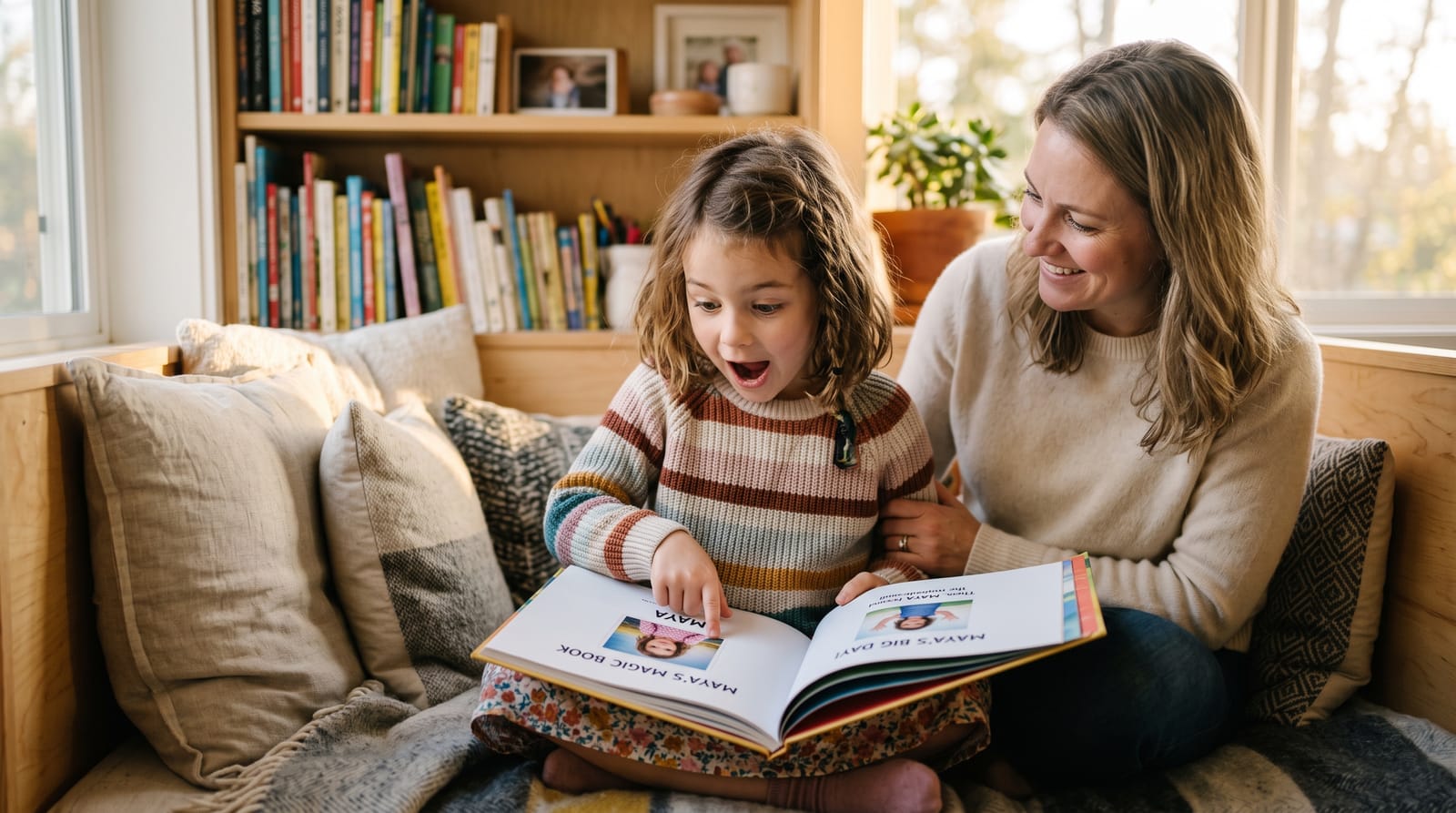
At StorytimeHero, we believe that personalization is the ultimate form of participation. It removes the barrier between the reader and the page. When a child’s name appears in the text, their brain engages differently. They aren't just observers; they are stakeholders.
This engagement is particularly important when addressing themes like nature and the environment. Modern stories often encourage children to step outside and explore the natural world, overcoming the "indoor" skepticism that many modern kids feel. When a personalized story depicts the child discovering the "magic" of a forest or the ocean, it acts as a gentle nudge to recreate that curiosity in their own backyard.
Building the "Architecture of Us" Through Shared Reading
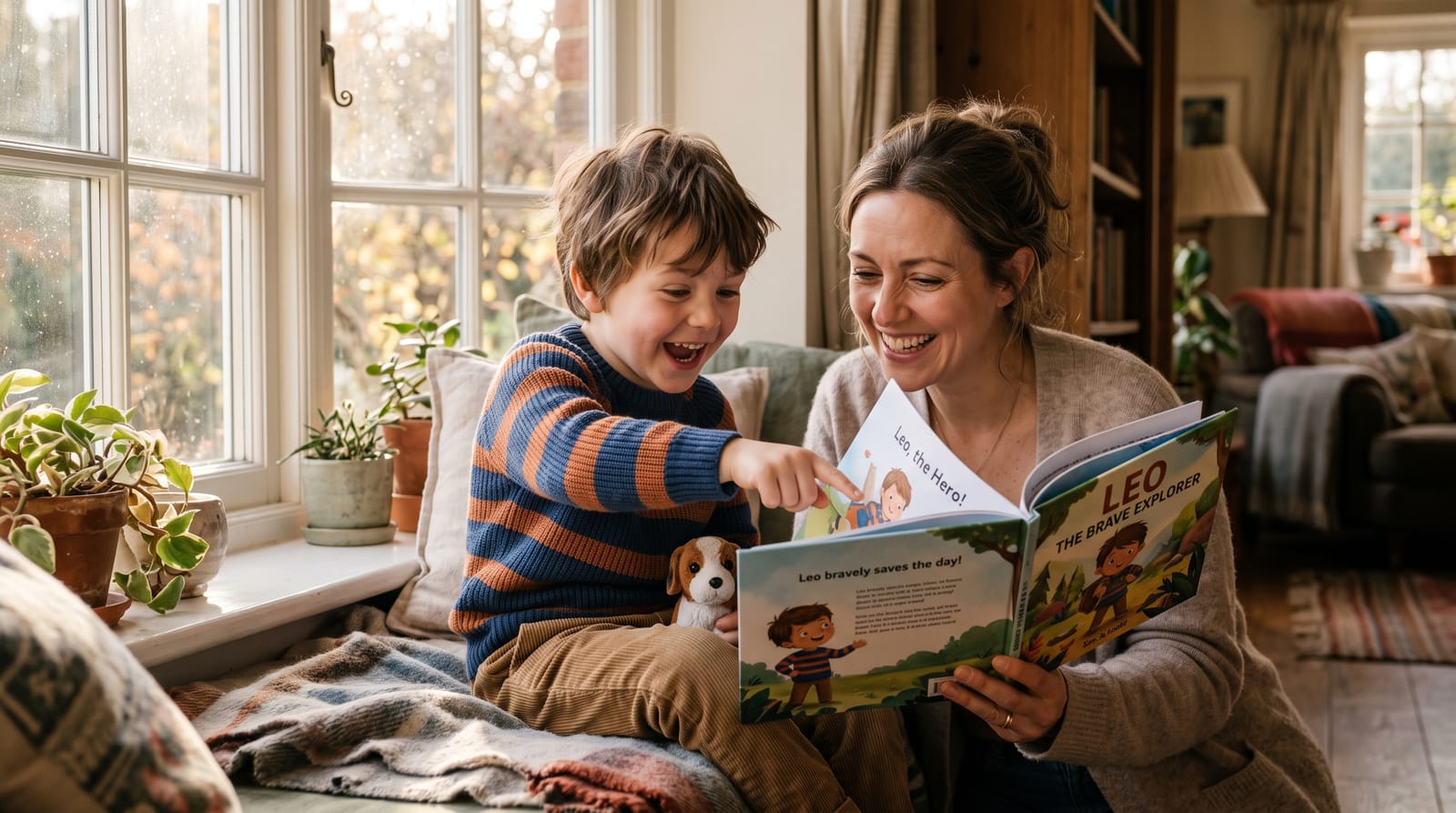
Ultimately, the goal of any great picture book is to foster connection—between the child and the reader, and between the child and the world. Personalization enhances this by creating what we call the "Architecture of Us." These are the micro-moments of recognition and joy that happen when a family reads a story together that is uniquely theirs.
In {YEAR}, where digital distractions are everywhere, the physical act of holding a book that features your family or your child is a powerful grounding force. It turns "storytime" into a ritual of validation. It says to the child, "You are important. Your story matters. You belong here."
Frequently Asked Questions
Related Reading
If you enjoyed exploring the evolution of the modern story, you might find these other insights from StorytimeHero helpful:
- How Personalization is Humanizing the Picture Book
- Personalized Books & The Modern Picture Book
- How Personalization Reimagines the Picture Book
- Modern Family Narratives & Personalized Books
- Embodied Narratives in Modern Picture Books
Conclusion: The Living Page
The picture book of today is more than just a bedtime distraction; it is a tool for identity-building, a rehearsal for life’s challenges, and a celebration of the diverse world we inhabit. By incorporating personalization, we ensure that these vital themes don't just sit on the shelf—they live in the heart of the child.
Whether it’s discovering the "extraordinary magic" of their own imagination or learning to navigate the world with a growth mindset, every child deserves to be the hero of their own story. At StorytimeHero, we are proud to help parents turn every "once upon a time" into a "this is me."
Free preview checklist
Get the personalized book gift checklist
Know what photo to use, what to write in the dedication, and what to review before ordering.