Embodied Narratives in Modern Picture Books | StorytimeHero
Upload a photo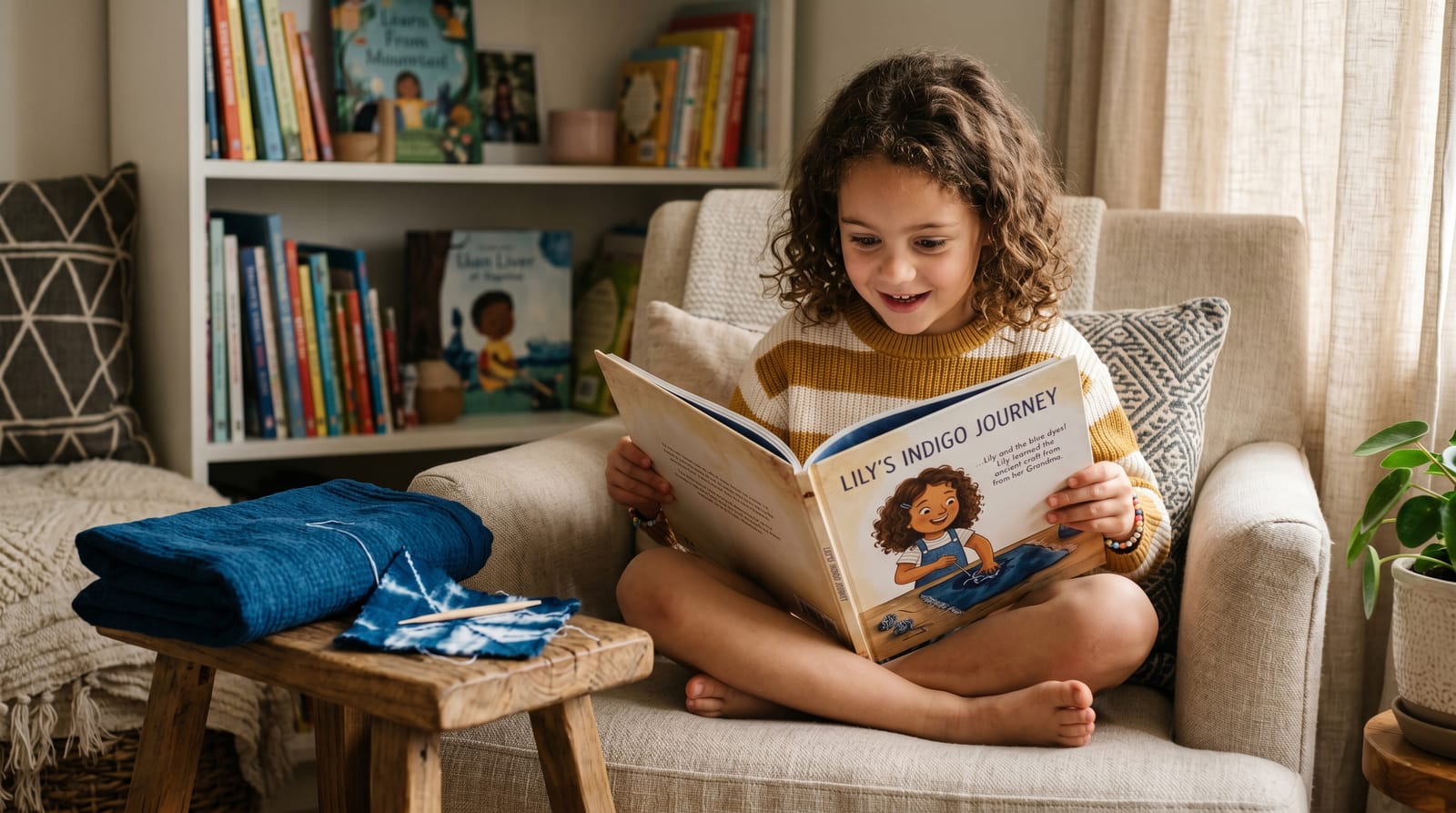
The landscape of children’s literature is undergoing a quiet but profound transformation. If you browse the shelves of a local library or an indie bookstore in {YEAR}, you’ll notice that the "once upon a time" of yesteryear is being replaced by something much more specific, grounded, and intentional. The modern picture book has moved beyond simple fables to tackle complex themes: the biographies of literary icons, the nuances of specific cultural heritages, and the practicalities of navigating a world with allergies or anxiety.
At StorytimeHero, we’ve observed that while the quality of storytelling has never been higher, there is a growing "narrative gap." As stories become more diverse and specialized, the challenge for parents is helping their children find their own place within these sophisticated themes. This is where personalized books step in, acting as the bridge between a beautiful story on a page and a child’s internal sense of self.
In this exploration, we’ll look at how the latest trends in picture books—from celebrating literary legends to honoring specific cultural journeys—are enhanced and anchored through the power of personalization.
The Shift Toward Literary and Creative Legacies
One of the most exciting trends in contemporary children’s publishing is the rise of the "biographical picture book." We are seeing a surge in titles that introduce toddlers and grade-schoolers to the lives of writers like Judy Blume, Virginia Hamilton, or Toni Morrison. These aren’t just dry history lessons; they are poetic celebrations of the creative process and the courage it takes to find one’s voice.
These books teach children that stories don’t just appear; they are forged from personal experience, resilience, and a desire to speak one’s truth. However, for a four-year-old, the leap from "Judy Blume wrote books about her life" to "I can tell my own story" can be a wide one.
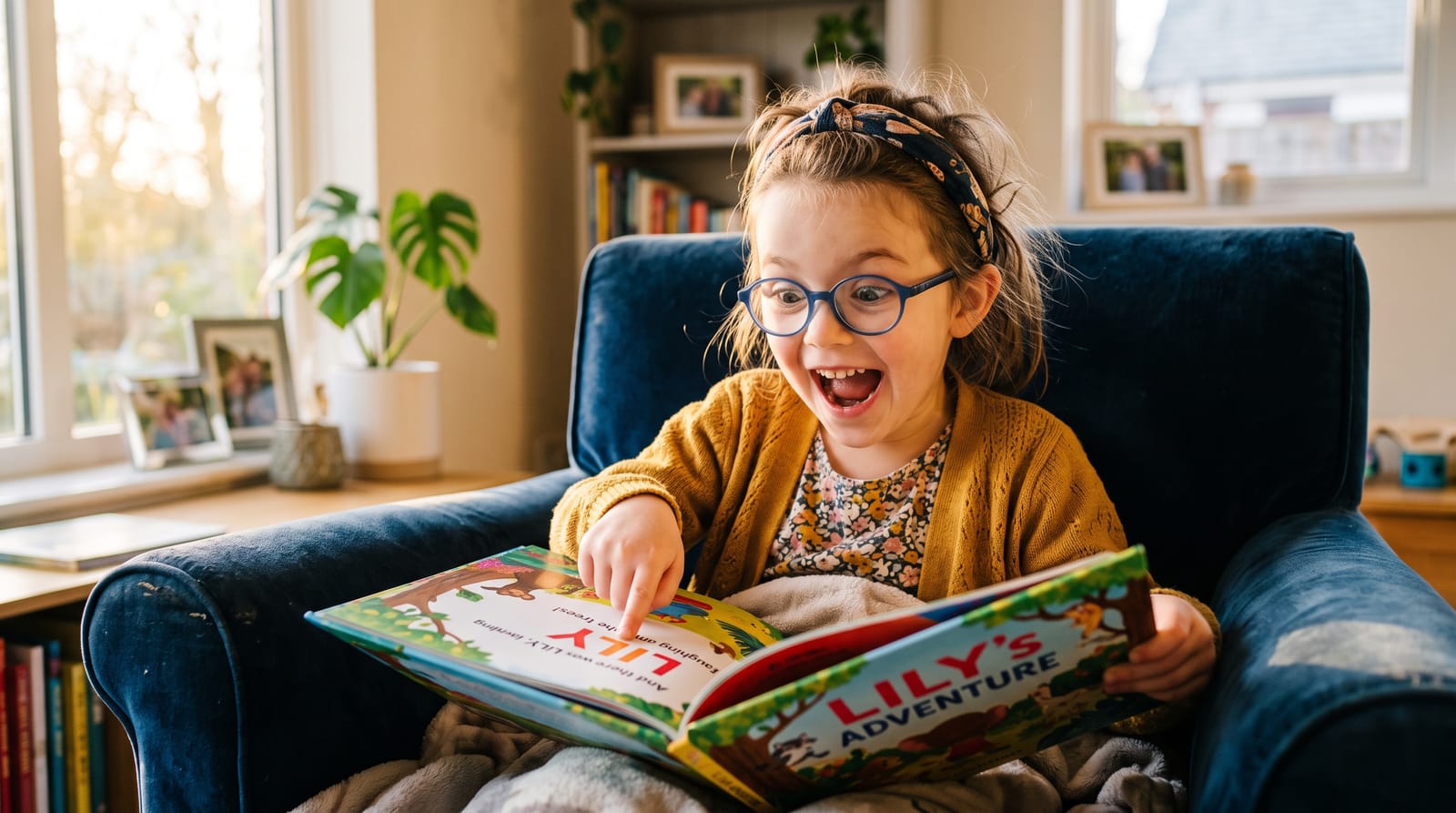
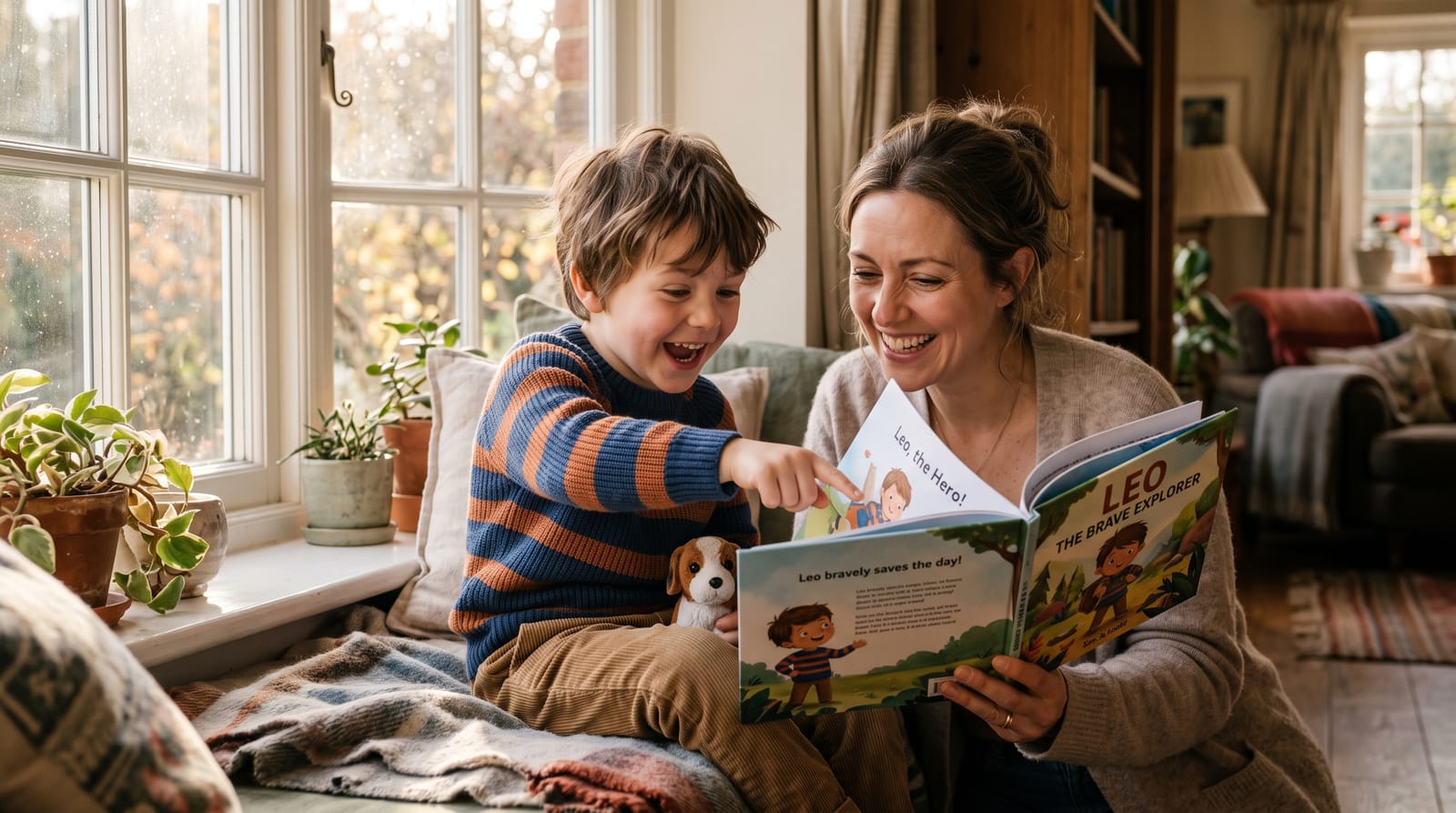
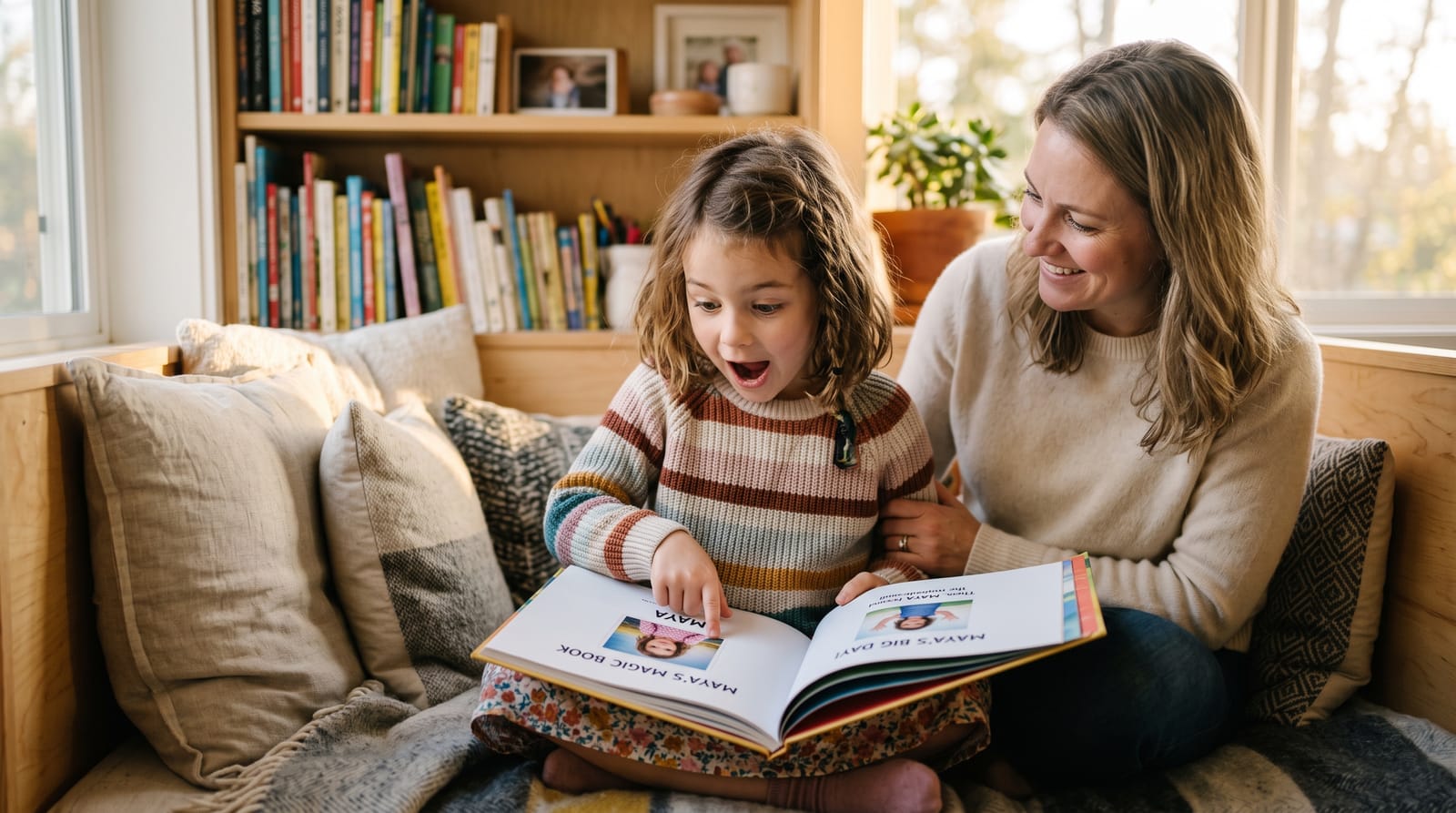
Personalized books close this gap by making the child the protagonist of their own creative journey. When a child sees their own name and likeness navigating a narrative, they aren’t just observing the "creative spark" in a historical figure; they are experiencing it firsthand. It transforms the act of reading from a passive admiration of someone else's legacy into an active rehearsal for their own. By elevating great children’s stories with personalization, we help children realize that they, too, possess a voice worth hearing.
From Broad Labels to Personal Specificity
For a long time, the publishing industry relied on broad "umbrella" terms to categorize diverse stories. Today’s creators are pushing back, opting for radical specificity. Instead of a generic story about "nature" or "travel," we see books that dive deep into the indigo-dyeing processes of a specific village or the sensory experience of a child visiting their father’s childhood home in the Philippines.
This move toward specificity is vital. It teaches children that the world is a patchwork of unique, individual stories rather than a collection of monoliths. It encourages them to look for the "small stories" in their own lives—the way their grandmother makes tea or the specific sound of the wind in their own backyard.
Personalization aligns perfectly with this trend. A picture book that is personalized doesn’t try to fit a child into a generic mold. Instead, it places that specific child into a narrative where their unique identity is the focal point. This helps ground the "big ideas" of global heritage into the "small moments" of a child's daily reality. This connection is a key part of the bridge of belonging that modern literature strives to build.
Navigating Real-World Hurdles with a Growth Mindset
Modern picture books are also becoming more "practical." There is a growing category of books designed to help children navigate specific life challenges, such as food allergies, learning disabilities, or social anxiety. These stories often utilize a "growth mindset" framework, showing characters who face a problem, feel the frustration, and eventually find a creative or resilient solution.
While these books are incredibly helpful, their impact is magnified tenfold when the child is the one solving the problem. In a personalized narrative, the stakes feel higher and the triumph feels more earned. If a character named "Tova" solves a problem with a food allergy, the child learns empathy. If the child themselves is the character navigating the world safely and confidently, they learn self-efficacy.
By using personalized books to model these real-world scenarios, parents can provide a safe "sandbox" for their children to practice resilience. It’s about shaping modern childhood through personalized narratives, turning a potentially scary topic into a story of personal empowerment.
The Power of the "First-Person" Experience in Nature and Art
Another beautiful trend in the {YEAR} picture book market is the focus on process—the "how" of the world. Whether it’s a book about how a white cloth becomes a vibrant blue through indigo dye or a story about a child overcoming a skepticism of the outdoors, these books celebrate curiosity and the natural world.
Personalization enhances this by inviting the child to be the one holding the paintbrush or the one stepping into the forest. When the narrative says, "Look at what [Child's Name] discovered," it validates the child’s natural curiosity. It moves the "artistic process" from something experts do to something the child is currently doing.
This is particularly important in an age of digital saturation. When a child sees themselves in a physical book, interacting with trees, animals, and art, it reinforces their connection to the tangible world. It’s a way of integrating presence into modern picture book narratives, ensuring that the child feels like an active participant in the beauty of life.
Why Personalization is the Future of the Picture Book
As we look at the evolution of the picture book, it’s clear that the goal is no longer just to entertain, but to reflect and empower. The modern parent wants stories that are as complex and beautiful as the world their child is growing up in.
StorytimeHero was founded on the belief that every child deserves to see themselves as the hero of a high-quality story. We don't see personalization as a "gimmick," but as a fundamental evolution of how children interact with literature. In a world that is increasingly loud and fast, a personalized book offers a moment of quiet, focused affirmation.
When we combine the high standards of modern storytelling—the rich themes of identity, the celebration of heritage, and the focus on emotional intelligence—with the "Mirror Effect" of personalization, we create something truly transformative. We aren't just reading a book to a child; we are inviting the child to step into the story.
FAQ: Common Questions About Modern Personalized Books
Q: Do personalized books still encourage empathy if the child is always the main character?
A: Paradoxically, yes. By experiencing what it feels like to be a "hero" in a story, children develop a stronger internal framework for understanding the roles and feelings of others. When a child feels seen and valued in their own narratives, they are often more open to acknowledging and valuing the stories of others.
Q: Are these books only for toddlers, or can older children benefit too?
A: While the "picture book" format is traditionally for ages 3-8, the themes of identity and creative legacy are relevant well into the middle-grade years. Personalization can be a powerful tool for navigating middle-grade transitions as children start to grapple with more complex questions of "Who am I?"
Q: How do personalized books handle "difficult" topics like fears or mistakes?
A: In a very gentle and supportive way. Because the child is the protagonist, the narrative can model positive self-talk and problem-solving. It turns a "mistake" into a plot point that leads to growth, helping the child internalize a growth mindset in a way that feels safe and encouraging.
Q: What makes StorytimeHero different from other personalized book companies?
A: We focus heavily on the "warmth" and "literary quality" of our stories. We believe that a personalized book should be a "forever book"—a keepsake that stands up to the best traditionally published titles on your shelf in terms of art, theme, and heart.
Final Thoughts: The Story is Just Beginning
The picture book remains one of the most powerful tools we have for shaping a child's worldview. As the themes within these books become more diverse and representative of the real world, the role of personalization becomes even more vital. It ensures that no matter how big or complex the world gets, the child knows they have a place within it.
Whether you are exploring the life of a literary legend, learning about a new culture, or navigating the daily ups and downs of growing up, remember that the story is always better when you're in it. At StorytimeHero, we’re honored to help you and your child write that next chapter together.
---
Related Reading
Free preview checklist
Get the personalized book gift checklist
Know what photo to use, what to write in the dedication, and what to review before ordering.