Elevating Great Children's Stories with Personalization | StorytimeHero
Start a cover preview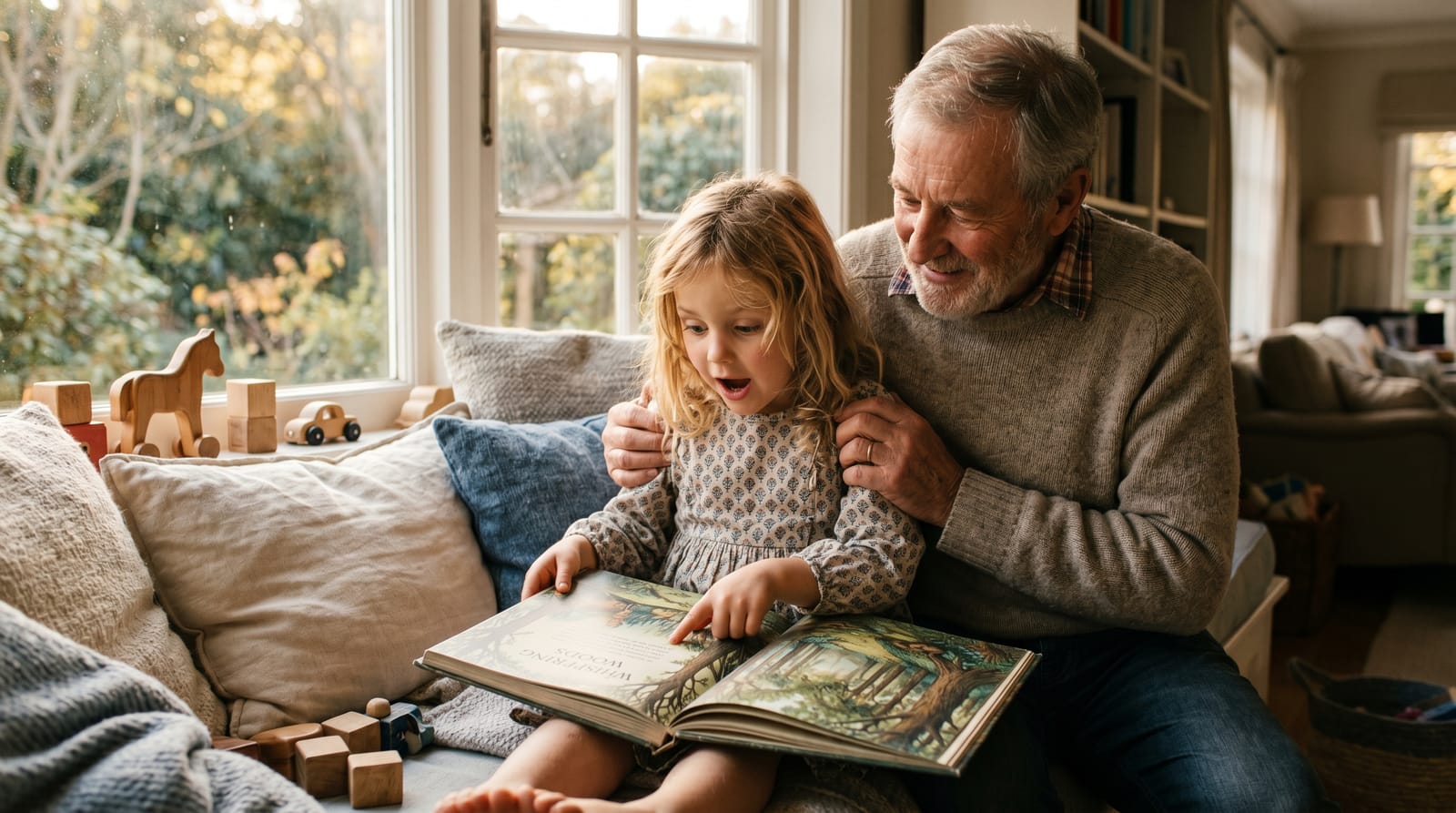
As we move into the vibrant months of {YEAR}, the world of children’s literature is blossoming with fresh narratives. Every season brings a new wave of "great children’s" releases—vivid picture books that capture the imagination, middle-grade adventures that spark curiosity, and quiet bedtime stories that soothe the soul. For parents and educators, these lists of new releases are more than just shopping guides; they are windows into the themes that matter most to our children today.
However, in an era where media is constant and attention spans are pulled in a thousand directions, a "great" book sometimes needs a little something extra to truly resonate. This is where the magic of personalized books comes into play. By taking the core elements of what makes modern children’s literature successful—relatable characters, immersive worlds, and emotional depth—and placing your child at the center of the narrative, we transform a fleeting reading moment into a lifelong memory.
In this exploration, we’ll look at the trends currently shaping the best new releases for kids and how personalization acts as the "secret ingredient" that bridges the gap between a story on a page and a child’s lived experience.
The Evolution of Great Children’s Literature in {YEAR}
Modern children's books are moving away from simple "happily ever afters" and toward more nuanced, "lived-in" experiences. When we look at the most celebrated new releases this year, several key themes emerge:
- Intergenerational Connection: Stories that celebrate the quiet, mundane, and beautiful moments shared between children and their elders.
- Historical and Cultural Curiosity: Books that transport readers back in time—not just to learn facts, but to feel what it was like to walk through ancient cities or sail uncharted seas.
- Social-Emotional Learning (SEL): Narratives that tackle the complexities of friendship, the importance of setting boundaries, and the value of community.
- Nature and Animal Companionship: A return to the whimsical yet grounded world of animals, exploring how we interact with the creatures around us.
While these themes are powerful on their own, they become exponentially more impactful when a child sees their own name, their own likeness, and their own family dynamics reflected in the story.
From Observer to Protagonist: Why Personalization Matters
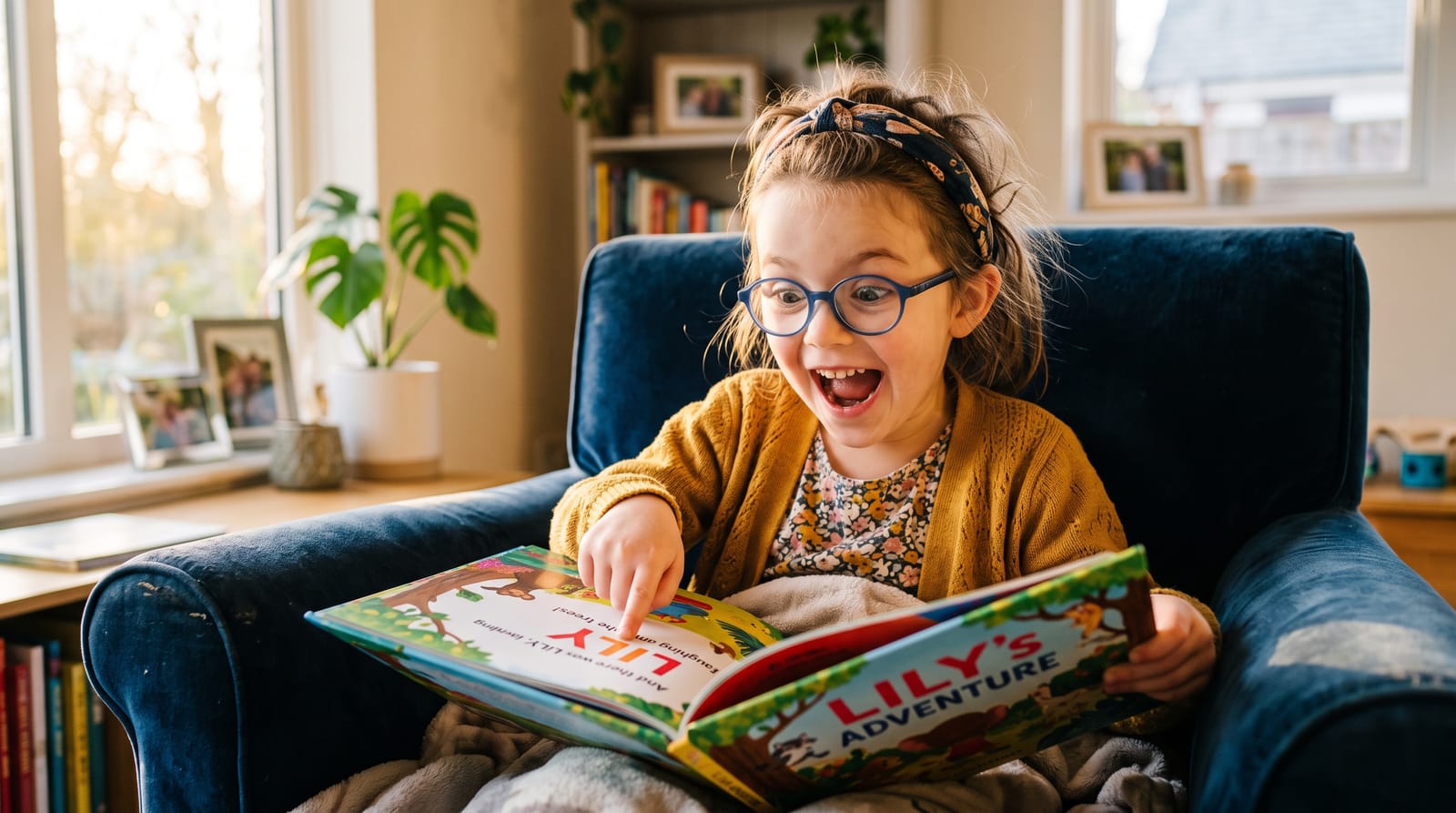
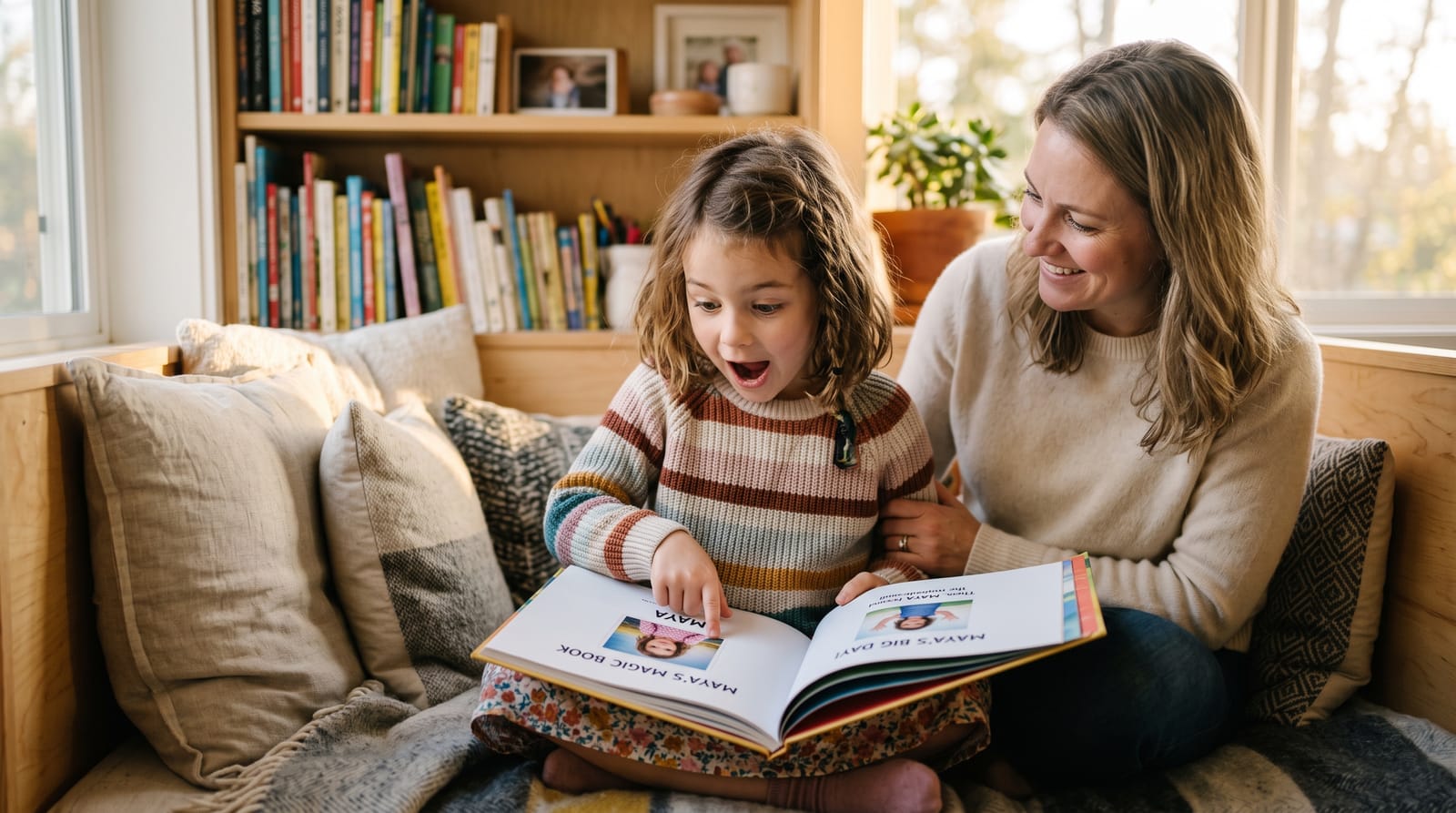
When a child opens a standard book, they are an observer. They are watching "someone else" learn a lesson or go on an adventure. This is a vital part of developing empathy. However, when a child reads a personalized book, they are no longer just watching; they are doing.
This shift from observer to protagonist is a psychological "superpower" for young readers. It enhances what educators call "self-referential encoding"—the tendency for people to remember information better when it is related to themselves. When your child is the one exploring Ancient Egypt or the one learning how to navigate a tricky friendship, the lessons of the story stick.
1. The Power of Cozy Realism and Family Bonds
Many of the most beloved new picture books focus on the concept of "cozy realism." These are stories about a grandmother drying a futon in the sun, a family preparing a meal together, or the simple comfort of a shared nap. These stories provide a sense of security and belonging.
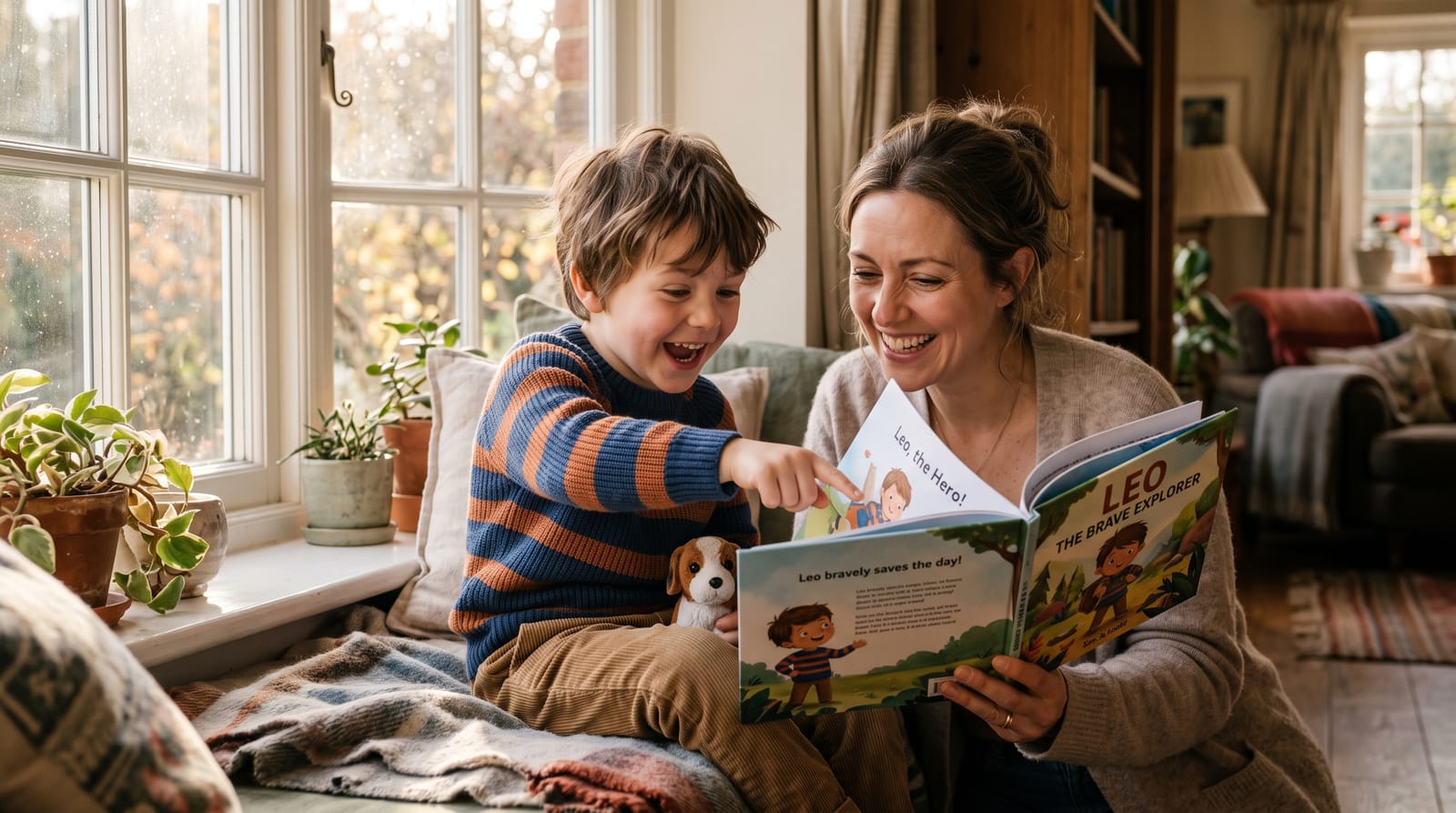
Personalized books take this a step further by weaving your child’s actual family members into these "micro-moments." When the story isn't just about "a boy and his grandma" but about "Leo and Grandma Sarah," the book becomes a mirror of the child’s safest, happiest spaces. This strengthens the Family Identity via Micro-Moments that are so crucial for emotional development in early childhood.
2. Making History and Science Personal
History can often feel abstract to a six-year-old. A book about the construction of the pyramids or the voyages of the Vikings is interesting, but it can feel like a distant "long ago."
By utilizing personalized adventure narratives, we can place the child directly into these historical contexts. Imagine a story where your child is the time-traveling explorer who discovers hieroglyphics. Suddenly, history isn't a subject in a textbook; it’s an adventure they personally experienced. This approach helps in Enhancing Fantastic Children's Books with Personalization, making the "impossible" feel accessible and real.
3. Navigating the Social Landscape
Some of the most important "great children’s" books of the year focus on the nuances of social interaction—learning when to say "no" to a hug, how to resolve a disagreement with a best friend, or how to accept those who are different from us.
Personalization allows parents to tailor these lessons to their child's specific personality. If a child is naturally shy, a personalized story about finding their voice in a community can serve as a gentle rehearsal for real-life social situations. It provides a "safe harbor" to explore complex emotions, which is a hallmark of How Personalization Redefines the Picture Book.
The Practical Benefits of Personalized Reading
Beyond the emotional and developmental advantages, there are several practical reasons why personalized books are becoming a staple in modern home libraries.
Encouraging Reluctant Readers
For children who struggle to stay engaged with reading, seeing their own name on the cover is an immediate hook. It creates a sense of ownership over the story. When a child is the hero, they have a personal stake in finding out what happens on the next page. This is one of the primary reasons Why Kids Read More When They're the Main Character.
Creating Lasting Keepsakes
In a world of "disposable" toys and digital media, a physical, personalized book stands out as a meaningful artifact. While a standard picture book might be donated once a child outgrows it, a book that features the child’s name and likeness often becomes a "forever book." It is a snapshot of who they were at a specific age—their interests, their dreams, and their place within the family.
Supporting Modern Parenting Values
Today's parents are looking for tools that support intentionality and connection. We want stories that reflect our values—kindness, curiosity, and resilience. Personalized books allow us to curate those values, ensuring that the "great stories" our children consume are aligned with the lessons we want to teach at home. This is why many see these books as Supporting Your Parenting Journey with Personalized Books.
Integrating Personalization into Your Summer Reading List
As you look through the new releases for the summer months, consider how you can mix "traditional" great children’s books with personalized ones.
- The "Pairing" Strategy: If your child is obsessed with a new release about dragons, find a personalized adventure book where they get to train a dragon of their own.
- The "Bedtime Anchor": Use a personalized book as the final story of the night. It grounds the child in their own identity and family love before they drift off to sleep.
- The "Travel Companion": If you are heading on a vacation, a personalized book about exploration can help a child process the new sights and sounds they are experiencing.
Summary: The Future of the "Great" Book
The definition of a "great children’s" book is expanding. It is no longer just about the quality of the prose or the beauty of the illustrations—though those remain vital. In {YEAR}, a truly great book is one that makes a child feel seen, heard, and valued.
At StorytimeHero, we believe that every child deserves to be the hero of their own story. By taking the best trends in modern literature—the focus on family, the thirst for adventure, and the growth of social-emotional intelligence—and adding the power of personalization, we are creating more than just books. We are creating "narrative anchors" that help children navigate the world with confidence and joy.
Whether it’s a story about a "fluffy futon" and a nap with Grandma, or a high-stakes journey through time, personalization ensures that the heart of the story is always the child holding the book.
---
FAQ: What Parents Ask About Personalized Books
Related Reading
- Strengthening Family Identity via Micro-Moments | StorytimeHero
- The Bridge of Belonging: Personalized Books & Modern Themes | StorytimeHero
- The Evolution of the Modern Picture Book | StorytimeHero
- Why Kids Read More When They're the Main Character | StorytimeHero
- Personalized Adventure Books for Kids: What to Look For Before You Buy
Free preview checklist
Get the personalized book gift checklist
Know what photo to use, what to write in the dedication, and what to review before ordering.