The Bridge of Belonging: Personalized Books & Modern Themes | StorytimeHero
Start a cover preview
The landscape of the children’s picture book has undergone a beautiful transformation over the last decade. If you walk into any library or bookstore today, you’ll notice a shift away from generic fables and toward stories that are deeply rooted in specific human experiences. We are seeing books that don’t just entertain, but also act as mirrors and windows—offering children a glimpse into lives different from their own, while reflecting the complexities of their own burgeoning identities.
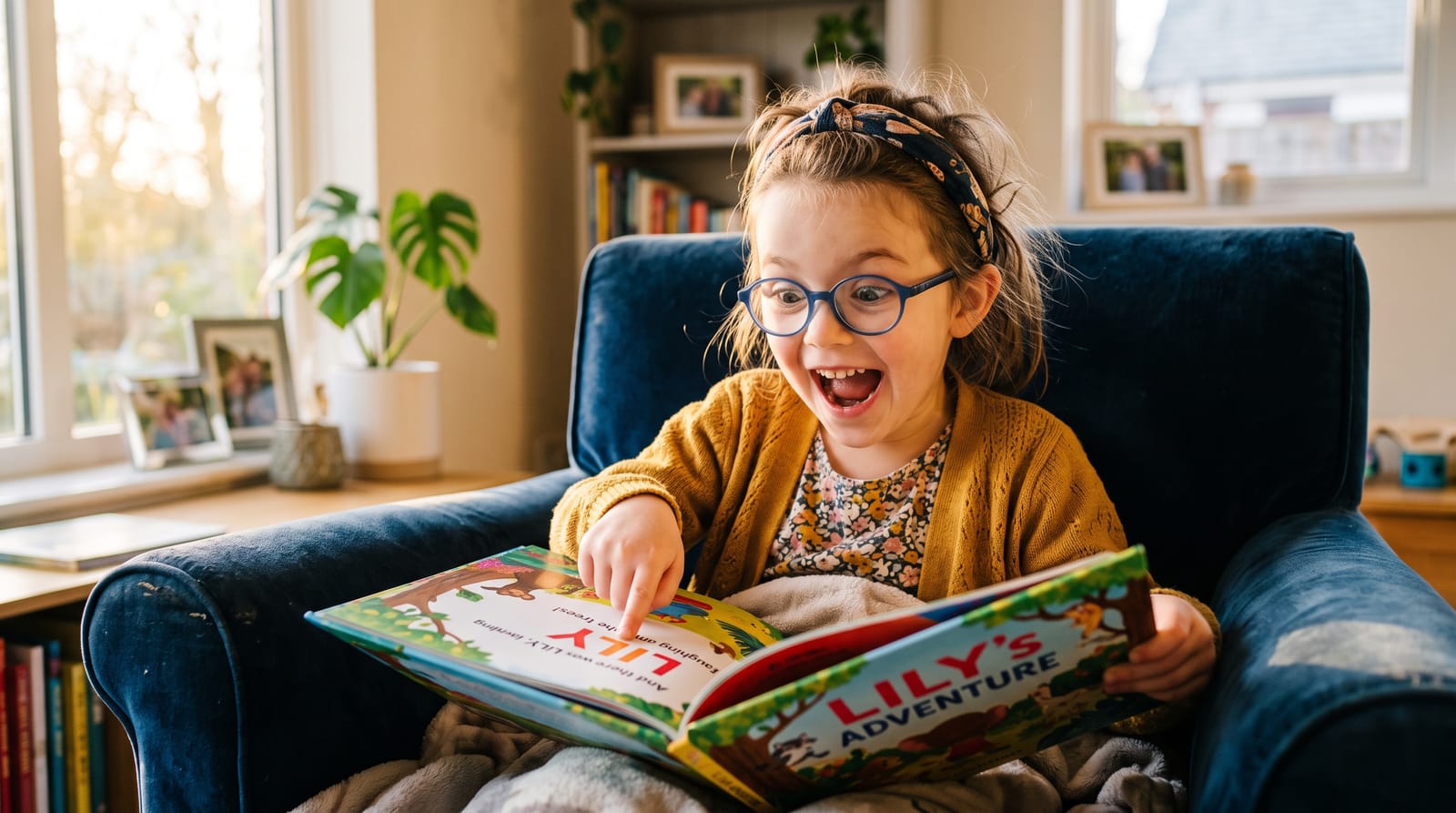
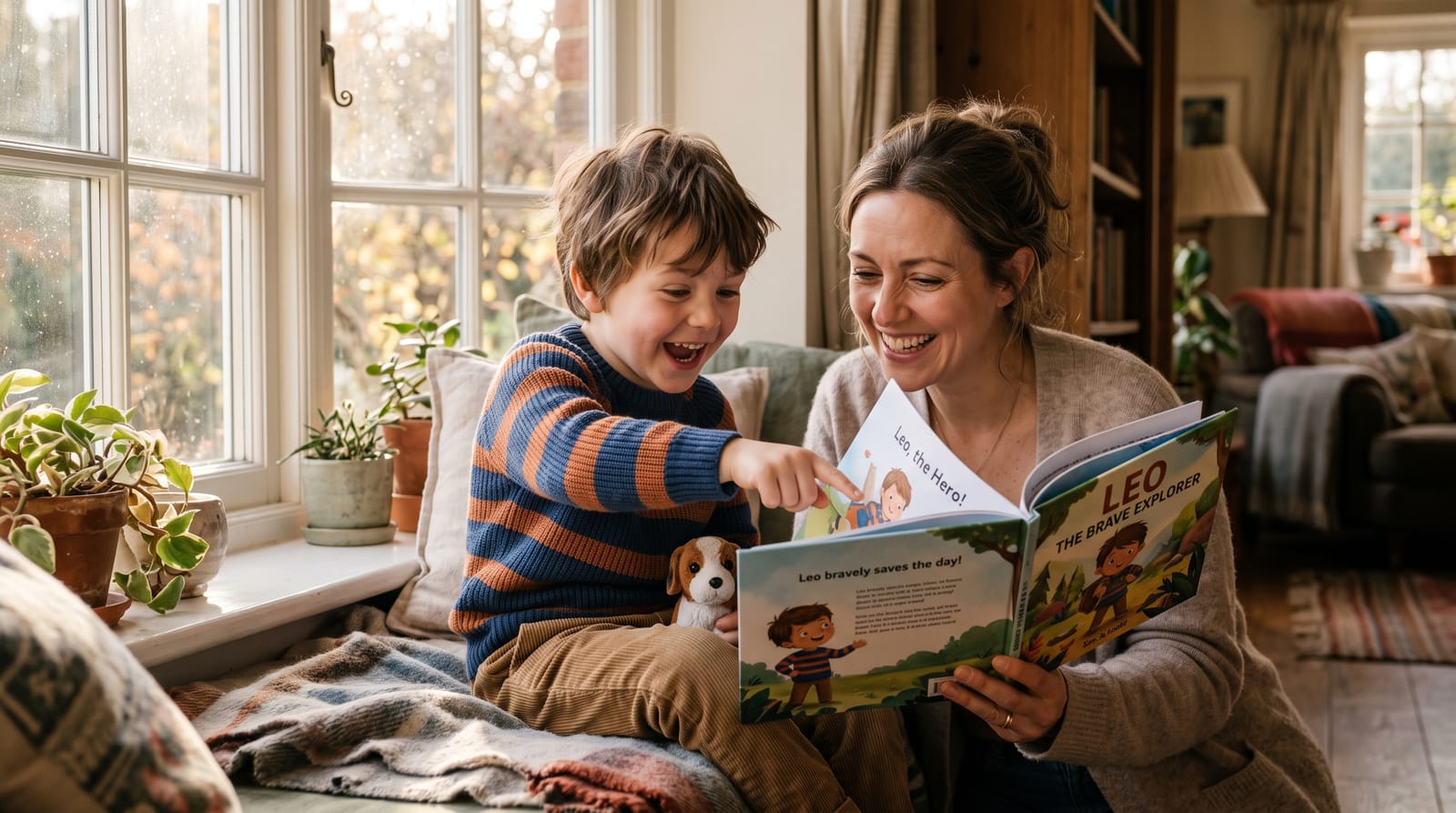
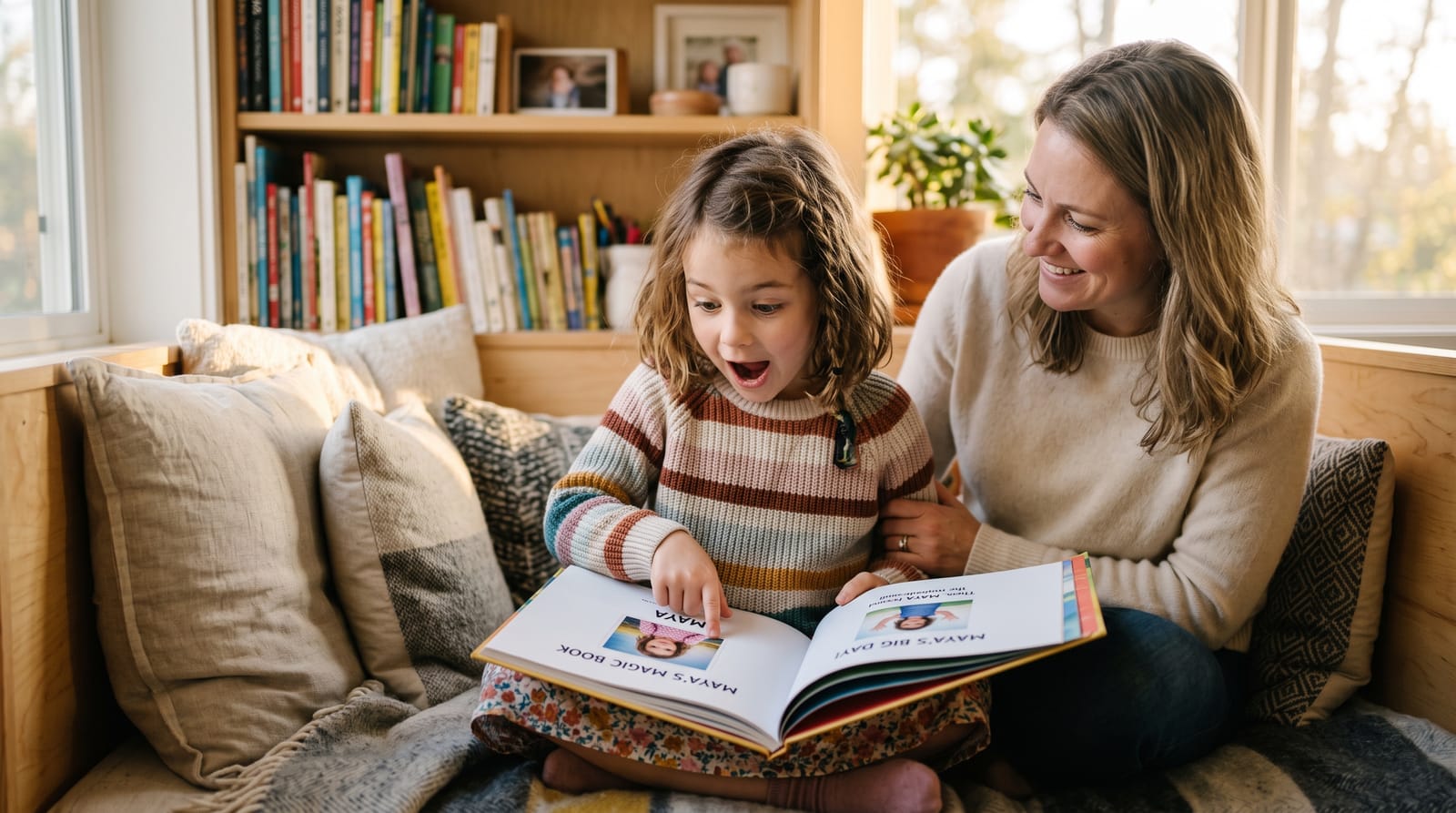
At StorytimeHero, we believe that this evolution in storytelling is exactly where personalized books find their greatest purpose. While a traditional story can introduce a child to a concept, a personalized narrative allows them to inhabit it. By weaving a child’s own name and identity into these modern themes, we aren’t just reading them a story; we are inviting them to participate in the very fabric of the world’s most important conversations.
The Rise of the Creative Legacy
One of the most exciting trends in the modern picture book is the biographical celebration of literary and artistic legends. We are seeing stories that introduce young readers to the lives of giants like Judy Blume, Toni Morrison, or Virginia Hamilton. These books do more than just recite dates and facts; they explore the emotional landscape of being a creator. They show children that even the most famous authors once struggled with fear, sought control through their pens, or had to fight for their voices to be heard.
When we look at these stories through the lens of personalization, something magical happens. A child reading about the "extraordinary magic" of a legendary author begins to see their own creative potential as part of that same lineage. When a story acknowledges the reader's presence, the distance between "great author" and "young reader" collapses.
Personalization transforms the act of reading from a passive observation of someone else’s greatness into an active encouragement of the child's own voice. It says, "Just as these legends found their power in words, you have a voice that is equally vital." This connection is essential for building the confidence kids need to navigate a world that often feels overwhelming. It turns the picture book into a workshop for the soul.
Navigating the Nuance of Heritage and Identity
Another profound shift in the world of children's literature is the move toward radical specificity in cultural representation. We are moving past broad labels and instead diving into the rich, textured realities of specific communities. Whether it’s a story about a child traveling to the Philippines to see their father’s homeland or a quiet exploration of the traditional process of dyeing fabric with indigo, modern authors are honoring the "heart" of individual experiences.
This move toward specificity is vital because it teaches children that there is no "default" way to be. However, for a child who may not see their specific family structure or heritage represented in every book, personalized books act as a critical bridge.
By allowing a child to see themselves navigating these diverse landscapes, personalization fosters a sense of global citizenship. It helps them realize that while every culture has its own "indigo studio" or "rice field," the universal human emotions—curiosity, love for family, and the joy of discovery—are shared. When a child’s name is centered in a story that celebrates heritage, it validates their place in a multicultural world. It moves the conversation from "this is how they live" to "this is how we, as a human family, experience the world together."
Fostering Resilience and a Growth Mindset
The modern picture book has also become a sanctuary for discussing the practical and emotional hurdles of childhood. From managing food allergies to navigating the "scary" parts of the natural world, today’s stories are equipped with tools for resilience. We see characters who don't just "get lucky," but instead use a growth mindset to solve problems—like a child finding a creative way to enjoy a birthday party despite dietary restrictions.
This is perhaps where the "protagonist effect" of personalization is most powerful. When a child sees a character with their name facing a challenge and finding a "sweet solution," the lesson sticks in a way that generic advice never could.
In a personalized book, the "lesson" isn't being lectured to the child; it is being experienced by the child. If the story is about overcoming a fear of the outdoors or learning a difficult new skill, the child isn't just watching "Oliver" or "Tova" succeed—they are seeing a version of themselves succeed. This builds a psychological "memory" of resilience that they can carry into their real-life challenges. It turns the picture book into a dress rehearsal for life’s little (and big) hurdles.
Why the "Participatory Page" Matters in {YEAR}
As we move through {YEAR}, the way children consume media is more interactive than ever. They are used to being "players" in digital spaces, but the tactile, quiet experience of a physical book remains irreplaceable for cognitive and emotional development. Personalization brings that "participatory" element to the physical page without the overstimulation of a screen.
By integrating a child into the narrative, we address a common challenge in modern parenting: keeping a child engaged long enough to absorb the deeper themes of a story. When a child is the hero, their "buy-in" is immediate. They aren't just looking at the pictures; they are looking for themselves in the pictures and the prose.
This deep engagement allows for:
- Enhanced Empathy: By being the character who learns about others, the child internalizes the value of kindness and understanding.
- Increased Literacy: Kids are naturally more inclined to read (and re-read) stories where they are the star, leading to better word recognition and fluency.
- Stronger Family Bonds: Reading a personalized story together creates a unique shared history between the parent and the child, making the "storytime" ritual even more sacred.
Creating a Library of "Belonging"
Ultimately, the goal of any great picture book—whether it’s a biographical masterpiece about a literary legend or a quiet story about nature—is to help a child feel like they belong in this world. At StorytimeHero, we see personalization as the final piece of that puzzle.
We don't want to replace the incredible work being done by diverse authors and illustrators; we want to amplify it. We want to take those themes of creativity, heritage, and resilience and anchor them directly into a child’s heart. When a child closes a book and thinks, "That was a story about me," they are really saying, "I am a person who matters, who can solve problems, and who has a story worth telling."
In a world that is constantly changing, that sense of grounded identity is the greatest gift we can give the next generation of readers.
***
Frequently Asked Questions
Related Reading
Free preview checklist
Get the personalized book gift checklist
Know what photo to use, what to write in the dedication, and what to review before ordering.