How Personalization Evolves the Picture Book | StorytimeHero
Upload a photo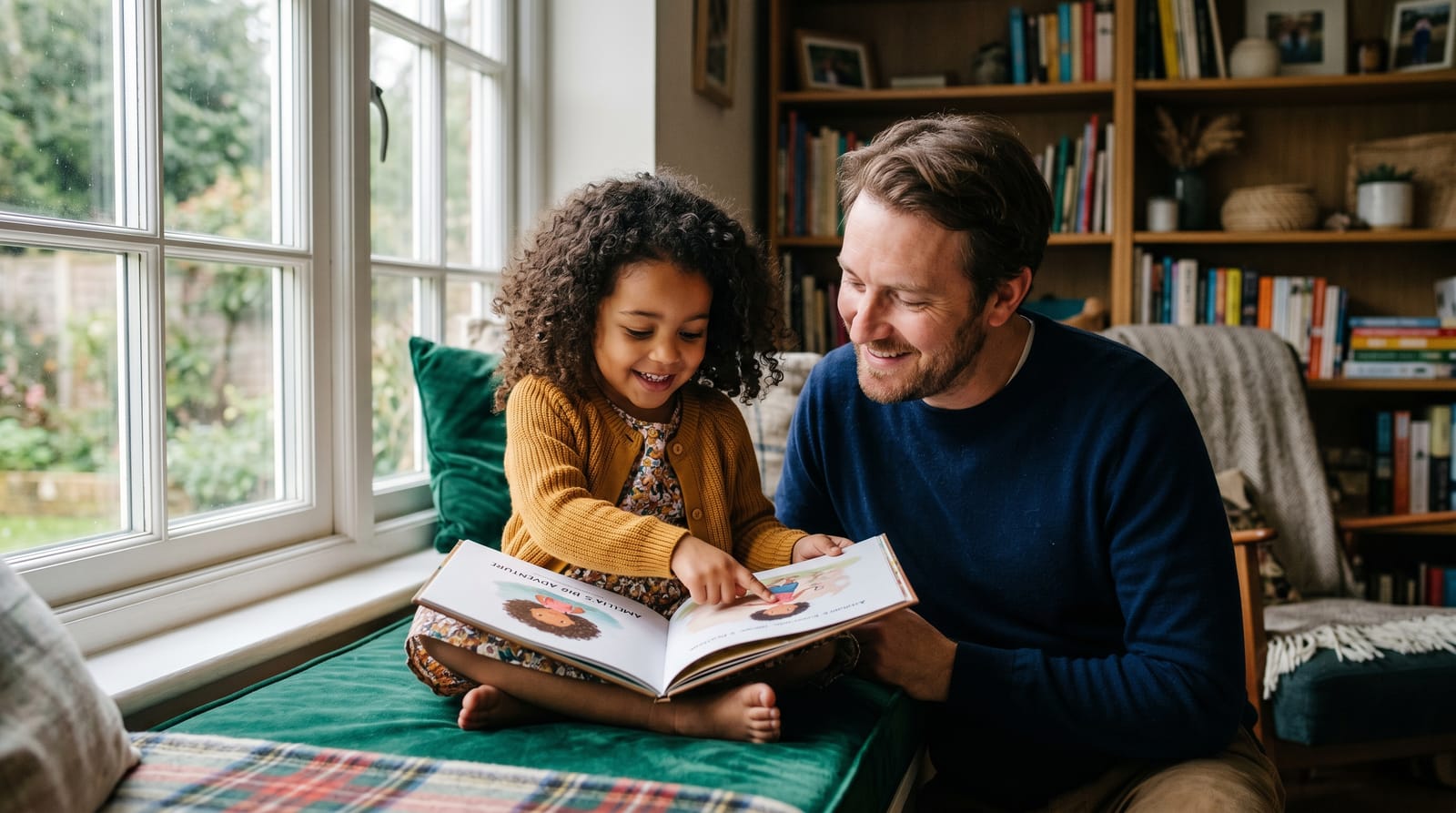
There is a quiet revolution happening on our children’s bookshelves. If you were to look at a picture book from thirty years ago, you might see a charming fable about a talking animal or a simple "day in the life" story. While those classics still hold a sacred space in our hearts, the landscape of children’s literature in {YEAR} has become significantly more sophisticated. Today’s books are tackling complex biographies, deep cultural heritages, and the nuances of emotional resilience.
As parents, we often find ourselves at a crossroads: how do we help our children connect with these big ideas? How do we take a story about a legendary author or a complex cultural journey and make it feel relevant to a four-year-old? This is where the magic of personalization enters the frame. By placing a child directly into the heart of the narrative, we aren't just reading them a story; we are inviting them to participate in the evolution of storytelling itself.
From Observation to Participation: The New Era of the Picture Book
The modern picture book has moved far beyond simple entertainment. We are seeing a surge in "mentor texts"—books that introduce young readers to the giants of history and literature. Whether it is a poetic tribute to a beloved author like Judy Blume or a deep dive into the life of a trailblazer like Virginia Hamilton, these stories serve a vital purpose. They teach children that voices matter and that every great creator started as a curious child with a story to tell.
However, for a young child, there can sometimes be a "relevance gap." They may admire the courage of a historical figure, but they might not yet see that same courage within themselves. This is where StorytimeHero and the concept of personalized books change the equation.
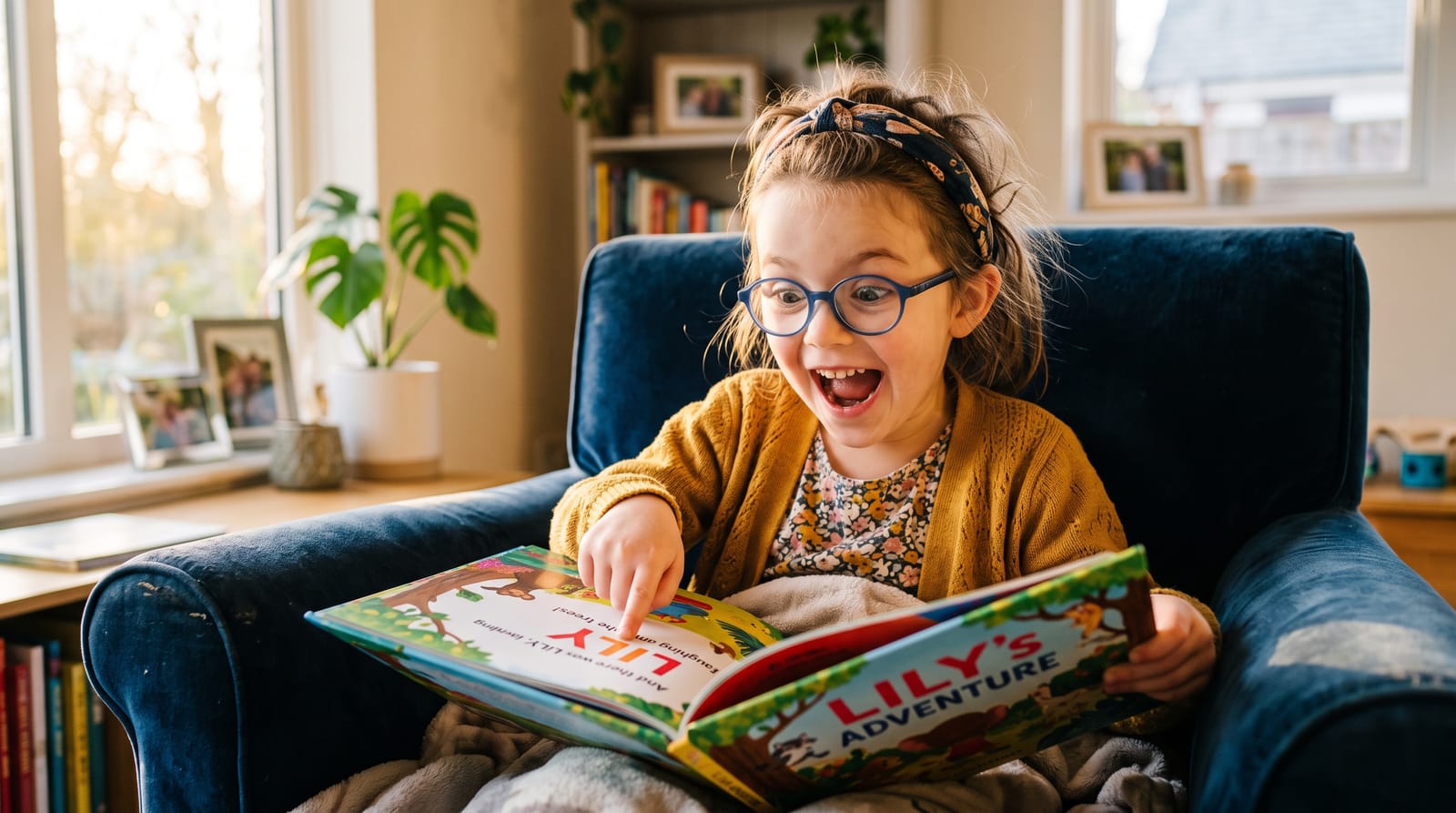
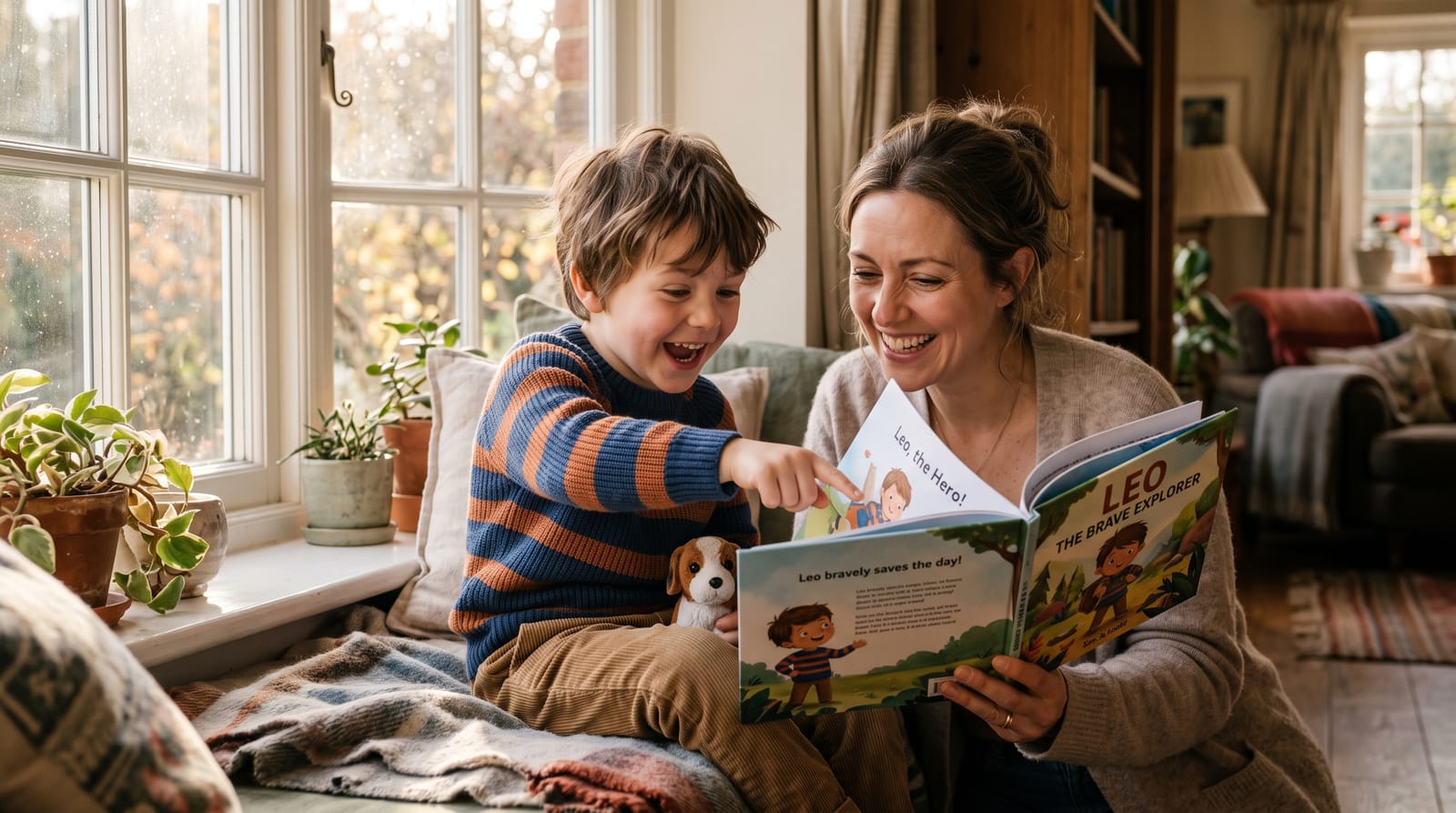
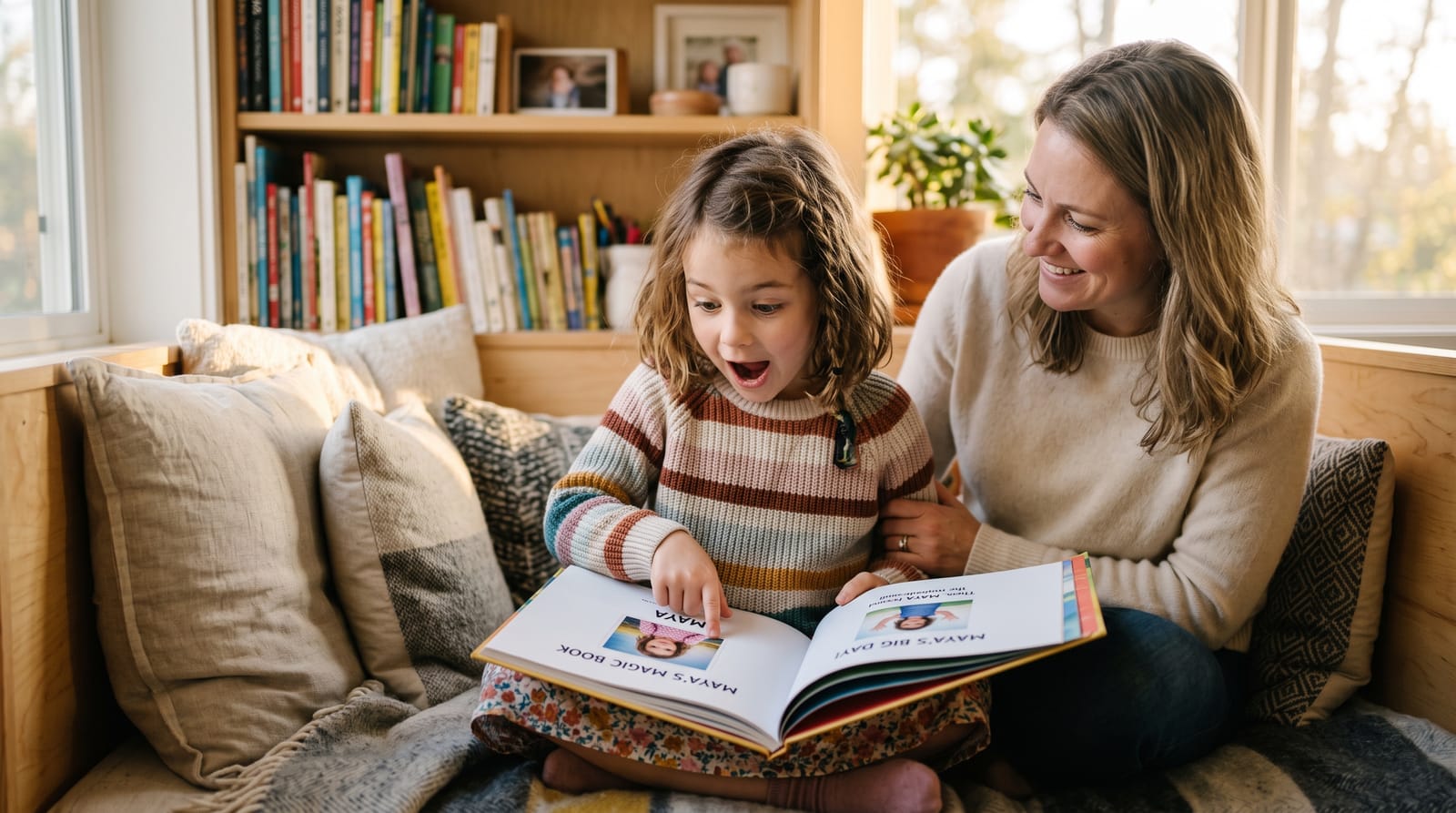
When a child sees their own name and likeness alongside themes of creativity and perseverance, the lesson shifts from "Look what they did" to "Look what I can do." Personalization turns the reader from a passive observer into a contemporary protagonist. It bridges the historical with the personal, suggesting that the child’s own life is a story worth telling.
Cultivating Specificity Over Generalization
One of the most important trends in modern children’s literature is the move toward cultural specificity. For a long time, the industry used broad strokes to represent diverse backgrounds. In {YEAR}, the focus has thankfully shifted toward the "tiny starting points"—the specific traditions, the unique landscapes of a specific country like the Philippines, or the specialized craft of dying cloth in an indigo studio.
Experts in the field now advocate for moving away from broad acronyms and toward individual experiences. They encourage us to find stories that belong to specific communities rather than just "categories." This shift toward the "hyper-local" is exactly what makes personalized books so powerful.
When we personalize a story, we are honoring the child’s unique identity. We aren't just giving them a "diverse" book; we are giving them their book. This level of specificity helps children understand that their particular life—their family, their home, their specific way of seeing the world—is the most important story of all. It aligns perfectly with the modern push for representation, ensuring that no child feels like an afterthought in the world of literature.
Navigating Modern Realities: Resilience and Growth Mindset
Beyond history and culture, the contemporary picture book is increasingly focused on "social-emotional learning" (SEL). We see more books addressing real-world challenges that children face every day, from navigating food allergies to developing a "growth mindset" when things go wrong.
These stories are essential tools for modern parenting. They provide a framework for problem-solving and help children build the resilience they need to navigate a complex world. But as every parent knows, a lesson is much more likely to "stick" if the child feels personally invested in it.
Personalized books act as a mental blueprint for these challenges. If a story depicts a character named after your child overcoming a fear or finding a creative solution to a problem, the child internalizes that victory. They don't just learn that "Tova" found a sweet solution; they learn that they are the kind of person who finds solutions. This "protagonist effect" is a cornerstone of how personalization supports modern childhood development.
The Role of Nature and Discovery in the Digital Age
In an increasingly digital world, many modern picture books are also returning to the themes of nature and sensory discovery. We see stories about children who are skeptical of the outdoors eventually finding wonder in the natural world. These narratives encourage curiosity and a "slow down" approach to life that is often missing in our fast-paced routines.
Personalization enhances this connection to the physical world. By placing the child in a narrative about exploring a forest or visiting a grandparent’s studio, we are grounding their digital reading experience in "this-world" realities. It encourages them to look up from the page (or the screen) and see the magic in their own backyard.
Why Personalization is the Logical Evolution of the Picture Book
If the goal of the modern picture book is to foster empathy, celebrate identity, and build resilience, then personalization is the most effective tool we have to achieve those goals. It takes the best elements of contemporary literature—the deep themes, the beautiful art, the inclusive values—and anchors them in the child’s own reality.
At StorytimeHero, we believe that every child deserves to see themselves as the hero of a high-quality, meaningful story. We aren't just changing a name on a page; we are changing the way a child interacts with the concept of "the hero." We are moving toward a future where the library is a mirror as much as it is a window.
Related Reading
- The Evolution of the Modern Picture Book
- How Personalization Redefines the Picture Book
- Personalization and Modern Picture Book Trends
- How Personalized Books Evolve the Picture Book
- The Living Protagonist: Modern Picture Book Trends
Frequently Asked Questions
The Future of the Storytime Experience
As we look toward the rest of {YEAR} and beyond, the definition of a picture book will continue to expand. We will see more interactivity, more diverse voices, and more ways to connect the "once upon a time" with the "here and now."
By integrating personalized books into your child's daily reading routine, you are giving them more than just a story. You are giving them a sense of belonging in the world of ideas. You are teaching them that they are not just a consumer of culture, but a participant in it. Whether they are learning about the great authors of the past or navigating the challenges of the present, they will do so with the knowledge that their story is just as important as any legend found on a bookshelf.
In the end, that is the greatest gift a book can give: the realization that you, too, are a hero in the making.
---
Keywords used: picture book, StorytimeHero, personalized books, {YEAR}.
Free preview checklist
Get the personalized book gift checklist
Know what photo to use, what to write in the dedication, and what to review before ordering.