Personalization and Modern Picture Book Trends | StorytimeHero
Upload a photo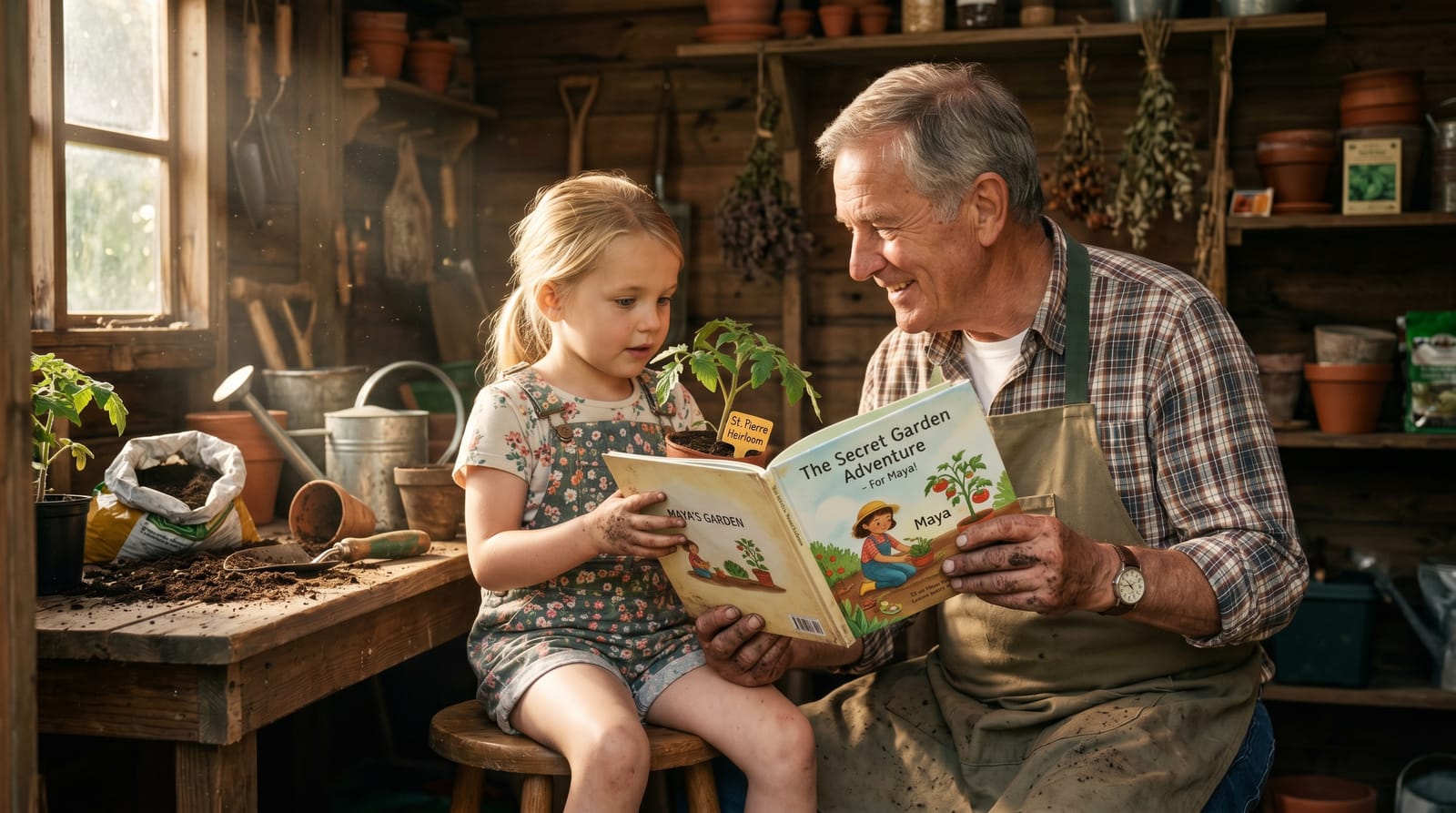
The landscape of children’s literature is undergoing a quiet but profound transformation. If you walk into a library today, you’ll notice that the classic picture book has moved far beyond simple fables and talking animals. Today’s stories are increasingly grounded in the "real"—real people, real cultures, and real-life hurdles. From biographical tributes to literary icons to nuanced explorations of cultural heritage and health challenges, the modern narrative is more specific than ever before.
At StorytimeHero, we believe this shift toward specificity is exactly why personalized books have become so vital. When a story becomes "real" by reflecting a child’s own world, it does more than just entertain; it builds a bridge between the child’s current reality and the vast possibilities of the world around them.
In this exploration, we’ll look at how the latest trends in the picture book world—specifically those focusing on literary history, cultural depth, and resilience—are being elevated through the power of personalization.
The Rise of the "Living" Biography in the Picture Book
One of the most exciting trends in recent years is the emergence of picture books that introduce young readers to literary legends. Rather than waiting until high school to learn about the giants of prose and poetry, children are now meeting authors like Toni Morrison, Judy Blume, and Virginia Hamilton in the vibrant pages of a picture book.
These stories do more than recount dates and facts. They celebrate the creative process itself. They show children that the authors they love were once children themselves—children who faced fears, felt out of place, or used writing as a tool to navigate a world that didn't always make sense to them.
Turning Inspiration into Agency
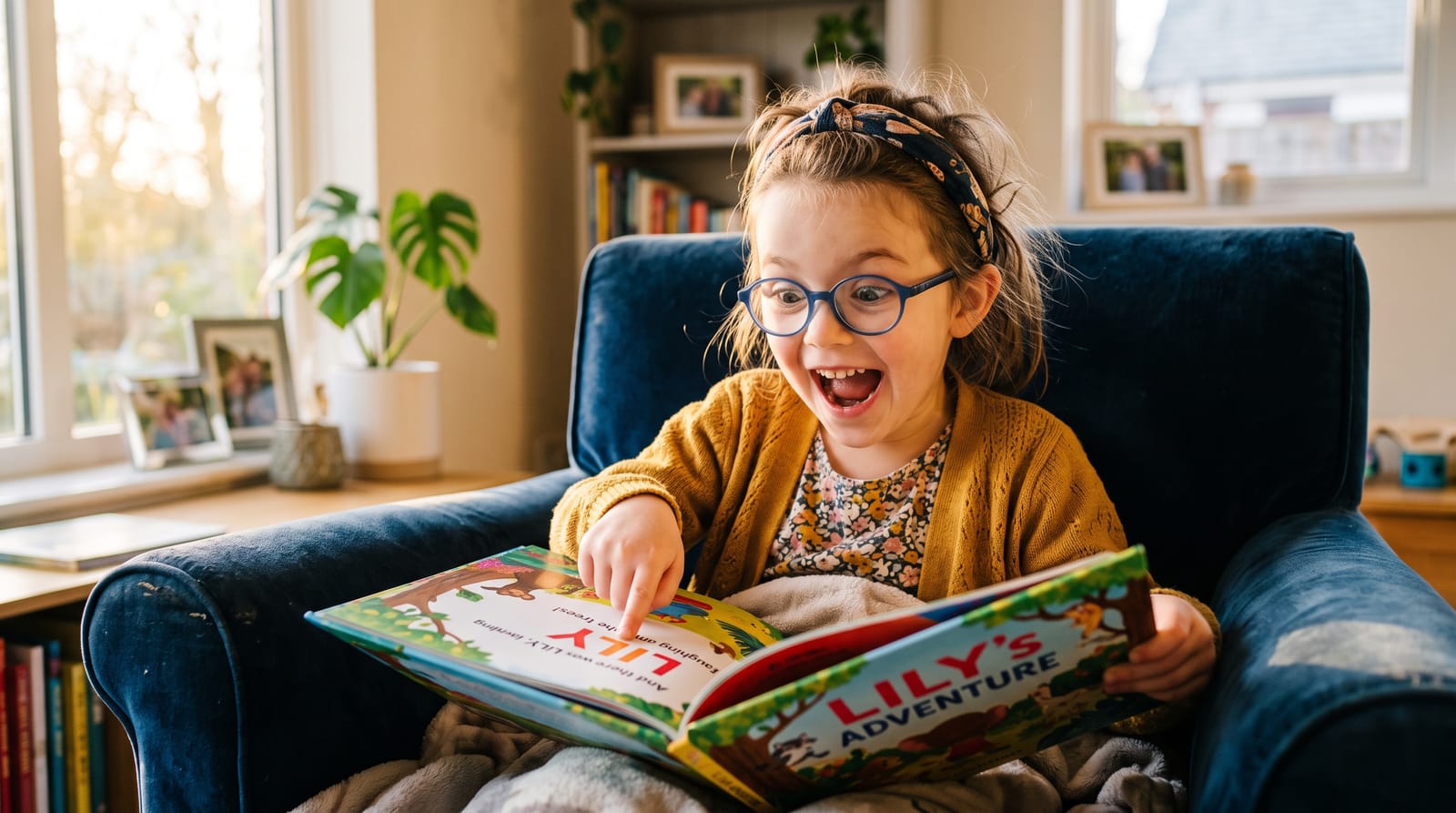
While reading about a legend like Judy Blume can inspire a child, seeing themselves as the protagonist of their own creative journey takes that inspiration a step further. Personalization allows a child to see their own name and likeness alongside the themes of storytelling and self-expression.
When a child is the hero of a story about finding their voice, they aren't just observing someone else's bravery; they are practicing it. This is a key part of how personalized books evolve the picture book, turning the act of reading from a passive experience into an active realization of one’s own potential.
Moving Beyond Categories: Cultural Specificity and Heritage
The conversation around diversity in the picture book has also evolved. We are moving away from broad, umbrella terms and moving toward stories that honor specific communities, individual family histories, and unique artistic traditions. Whether it’s a story about a child visiting their father’s homeland in the Philippines or a granddaughter learning the ancient art of indigo dyeing, the modern picture book is a celebration of the "particular."
This trend highlights a crucial truth: children don't want to feel like they belong to a category; they want to feel like they belong to a story.
Personalization as a Tool for Cultural Connection
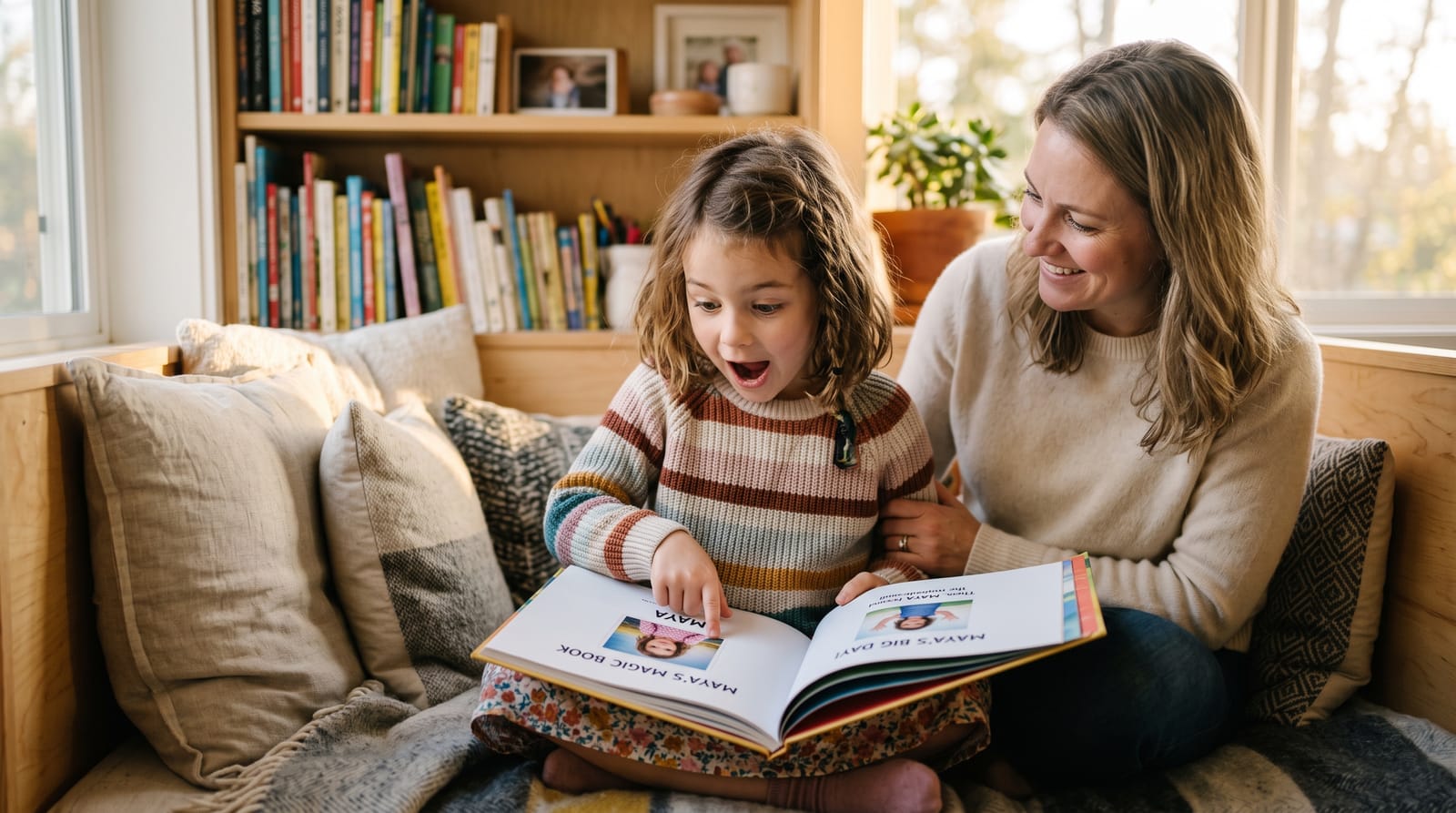
For many families, heritage is a mix of traditions, languages, and locations. A generic book might capture a sliver of that experience, but personalized stories allow for a more intimate reflection of a family’s unique structure. By placing a child directly into a narrative that mirrors their own family dynamics or cultural journey, we help them navigate the complexities of identity.
This approach is part of modernizing the picture book with personalization, ensuring that every child feels that their specific story—not just a generalized version of it—is worthy of being bound in a book.
Practical Resilience: Addressing Real-World Hurdles
Not every picture book is about grand adventures or historical figures. Some of the most impactful stories being published today are those that help children navigate the "small" but significant challenges of daily life. This includes everything from managing food allergies to developing a growth mindset when things go wrong.
A story about a child finding a "sweet solution" to a problem, like an allergy that makes them feel different from their peers, is a powerful tool for building emotional intelligence. It teaches problem-solving and resilience in a way that feels accessible and non-threatening.
Why the "Hero" Matters in Practical Learning
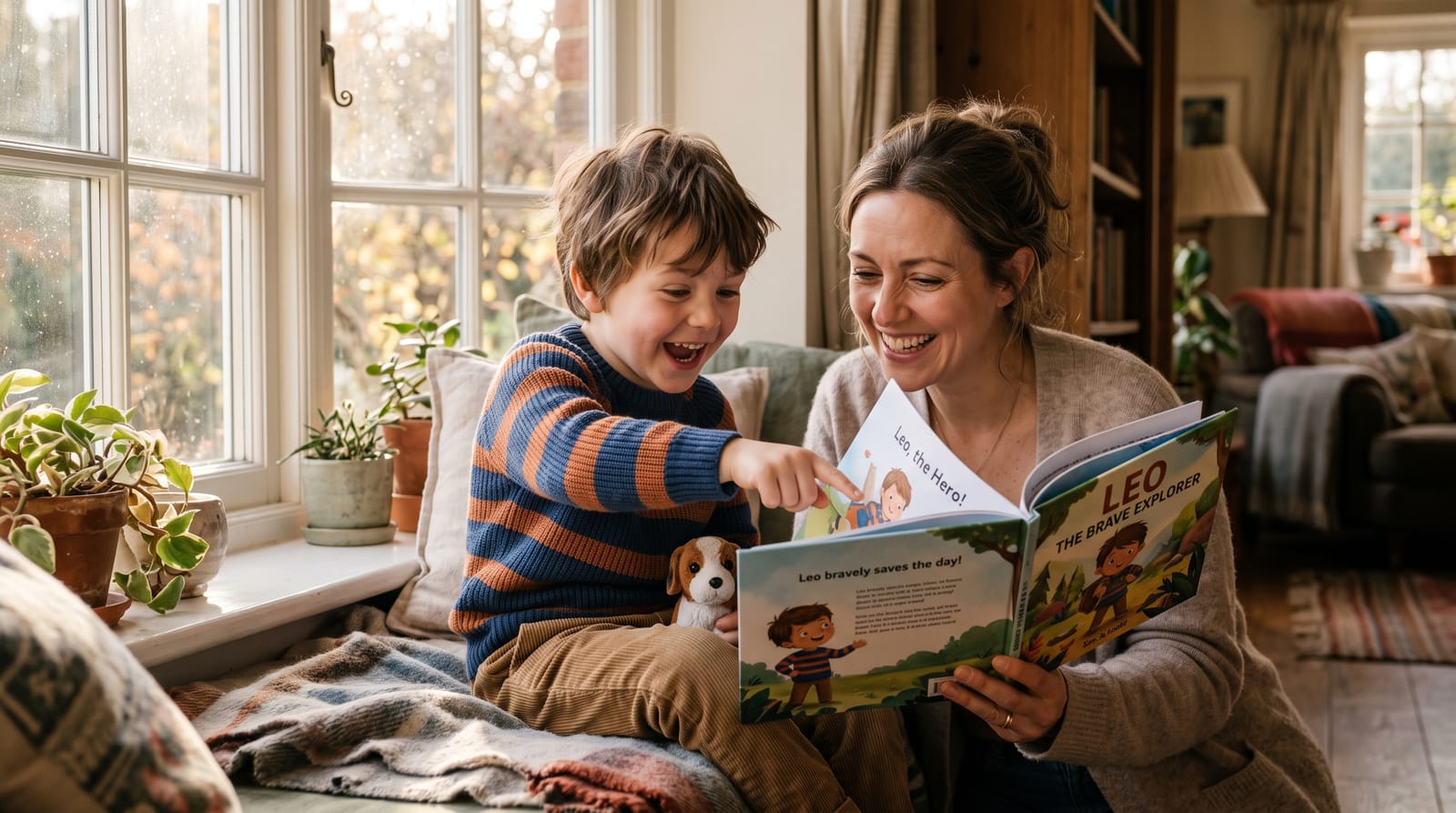
When a child sees themselves navigating a challenge—like a food allergy or a difficult friendship—within the pages of a book, the lesson sticks. It’s no longer a lecture from a parent; it’s a lived experience. This "lived narrative" is what makes the living protagonist in modern picture book trends so effective.
By personalizing these stories, we provide children with a mental rehearsal for real-life success. They see "themselves" being brave, being resourceful, and being resilient. This internalizes the growth mindset, making it a natural part of their identity rather than just a concept they’ve heard about.
The Connection Between Nature, Art, and the Modern Reader
Modern picture books are also increasingly focused on the intersection of nature and the creative process. Whether it’s a story about a child overcoming their skepticism of the outdoors or a detailed look at how color is made from the earth, these books encourage a sensory connection to the world.
In an age of screens, the picture book remains a tactile, grounding force. When that book is personalized, that grounding effect is amplified. A child isn't just reading about a walk in the woods; they are reading about their walk in the woods. This helps foster a lifelong curiosity about the natural world and their place within it.
How StorytimeHero Bridges the Gap
At StorytimeHero, our goal isn't to replace the traditional picture book but to enhance the entire reading experience. We take the themes found in the best modern literature—creativity, heritage, and resilience—and make them personal.
By allowing a child to step into the role of the protagonist, we help them navigate complex friendships and modern fears with a sense of confidence. We believe that every child deserves to see themselves not just as a reader, but as a hero in the making.
Looking Forward: The Future of Storytelling in {YEAR}
As we move through {YEAR}, the trends in children’s literature will continue to favor depth, authenticity, and specificity. The era of the generic "Everyman" character is fading, replaced by stories that celebrate the unique voices of authors and the unique identities of readers.
Personalized books are the natural evolution of this trend. They take the high-quality storytelling and beautiful illustrations of the modern picture book and add the one ingredient that makes a story unforgettable: the child.
Summary of Modern Picture Book Trends
| Trend | Focus | Impact of Personalization |
| :--- | :--- | :--- |
| Literary Legacies | Biographies of famous authors. | Empowers the child to see themselves as a future creator. |
| Cultural Specificity | Specific heritages and traditions. | Validates the child’s unique family identity and history. |
| Practical Resilience | Allergies, growth mindset, and problem-solving. | Provides a "mental rehearsal" for real-life challenges. |
| Nature & Process | Sensory experiences and artistic methods. | Deepens the child's connection to the world around them. |
FAQ: What Parents Ask About Personalized Books
Related Reading
If you enjoyed this look at the changing world of children's literature, you might find these articles helpful:
- How Personalized Books Evolve the Picture Book
- Modernizing the Picture Book with Personalization
- The Living Protagonist: Modern Picture Book Trends
- Helping Kids Navigate Friendship & Fear
By embracing the trends of the modern picture book and adding a personal touch, we can create a generation of readers who are not only inspired by the legends of the past but are confident in their ability to write their own bright futures.
Free preview checklist
Get the personalized book gift checklist
Know what photo to use, what to write in the dedication, and what to review before ordering.