The Living Protagonist: Modern Picture Book Trends | StorytimeHero
Upload a photo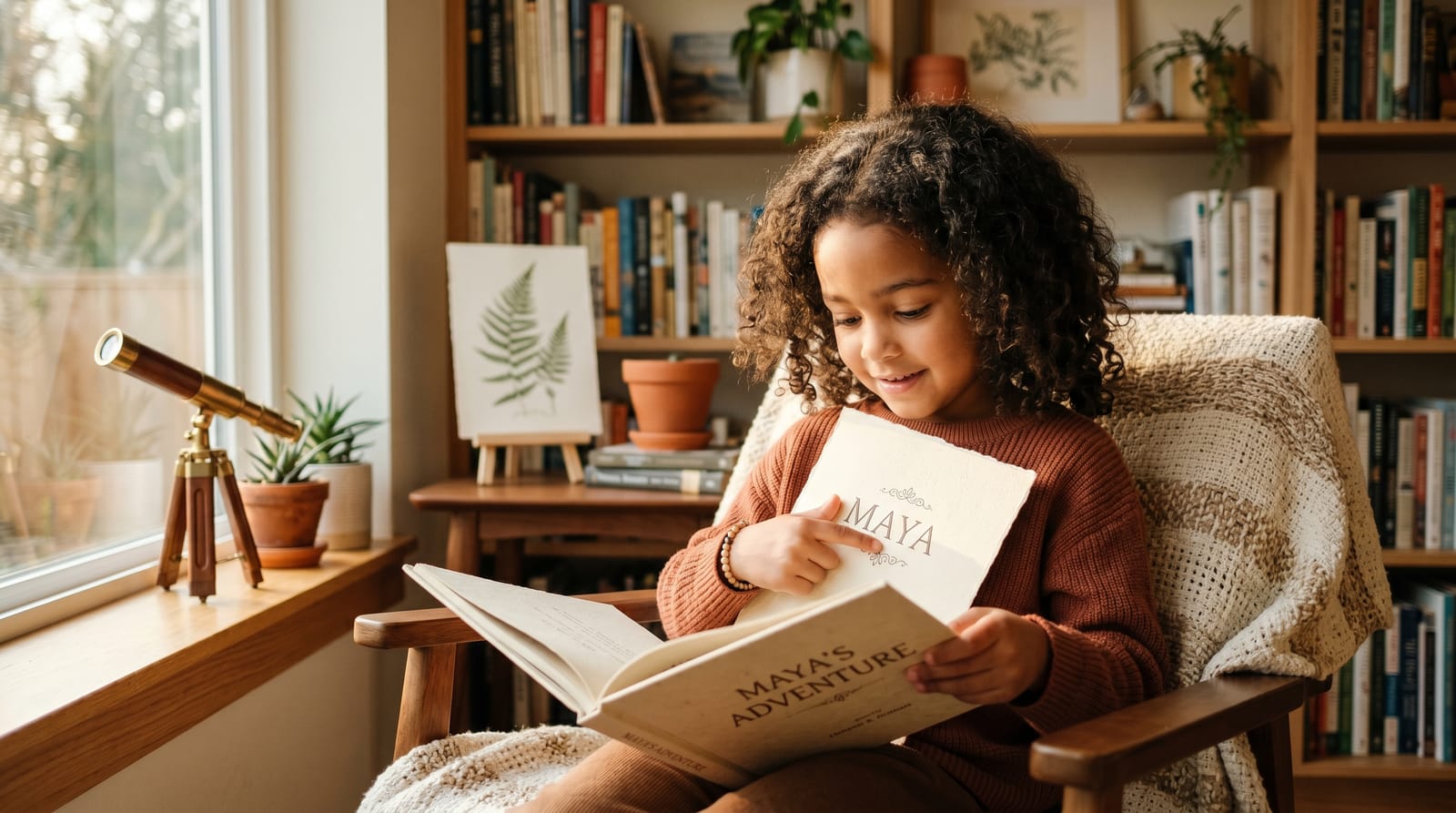
The landscape of the modern picture book is undergoing a quiet but profound transformation. If you walk into a children’s library today, you aren’t just seeing stories of talking animals or simple fables. Instead, you are witnessing a sophisticated blend of high-fantasy world-building, deep dives into cultural heritage, and poetic biographies of literary giants. As we move through {YEAR}, the standard for what a book can do for a child has shifted from simple entertainment to a tool for identity-building.
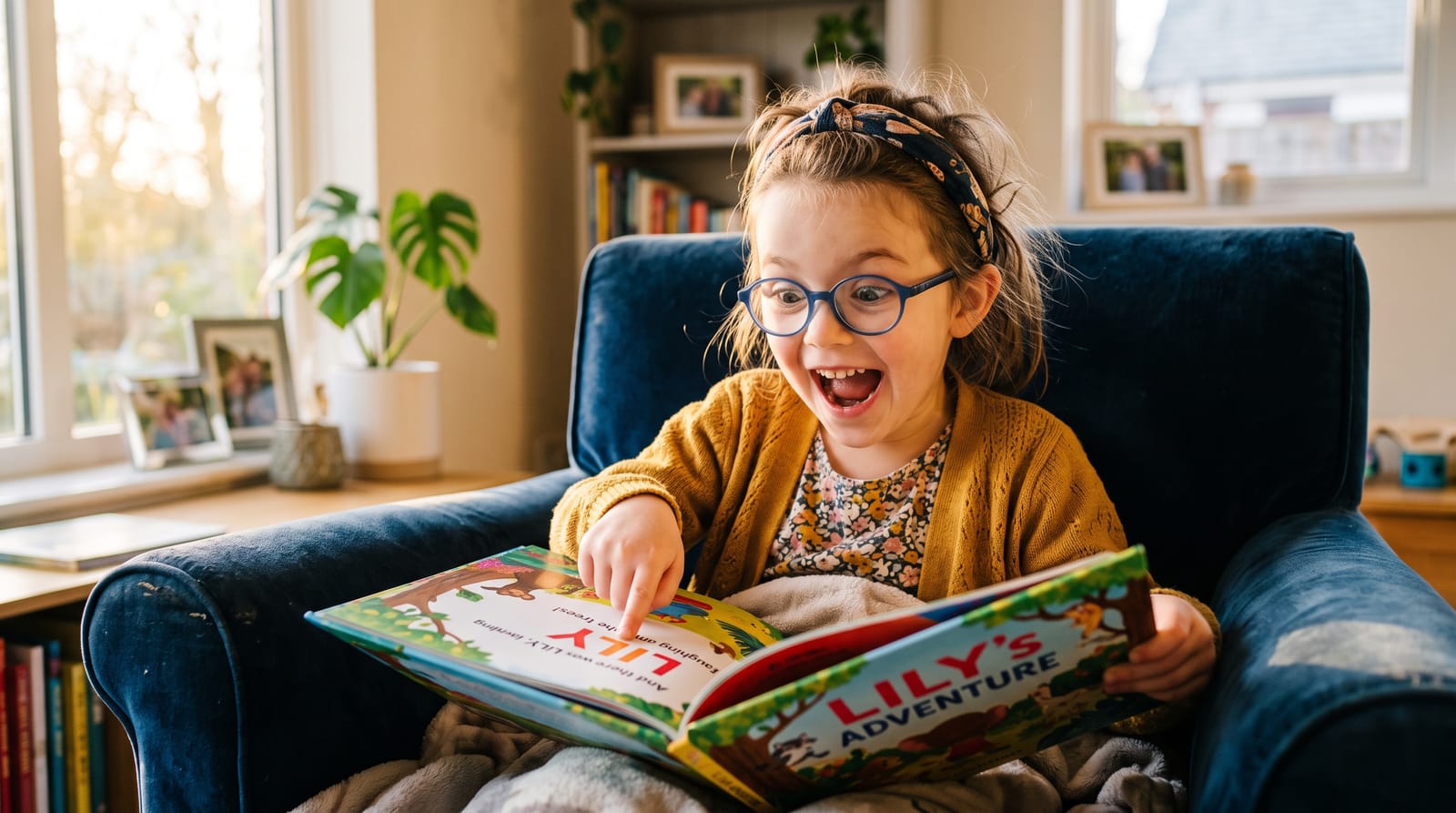
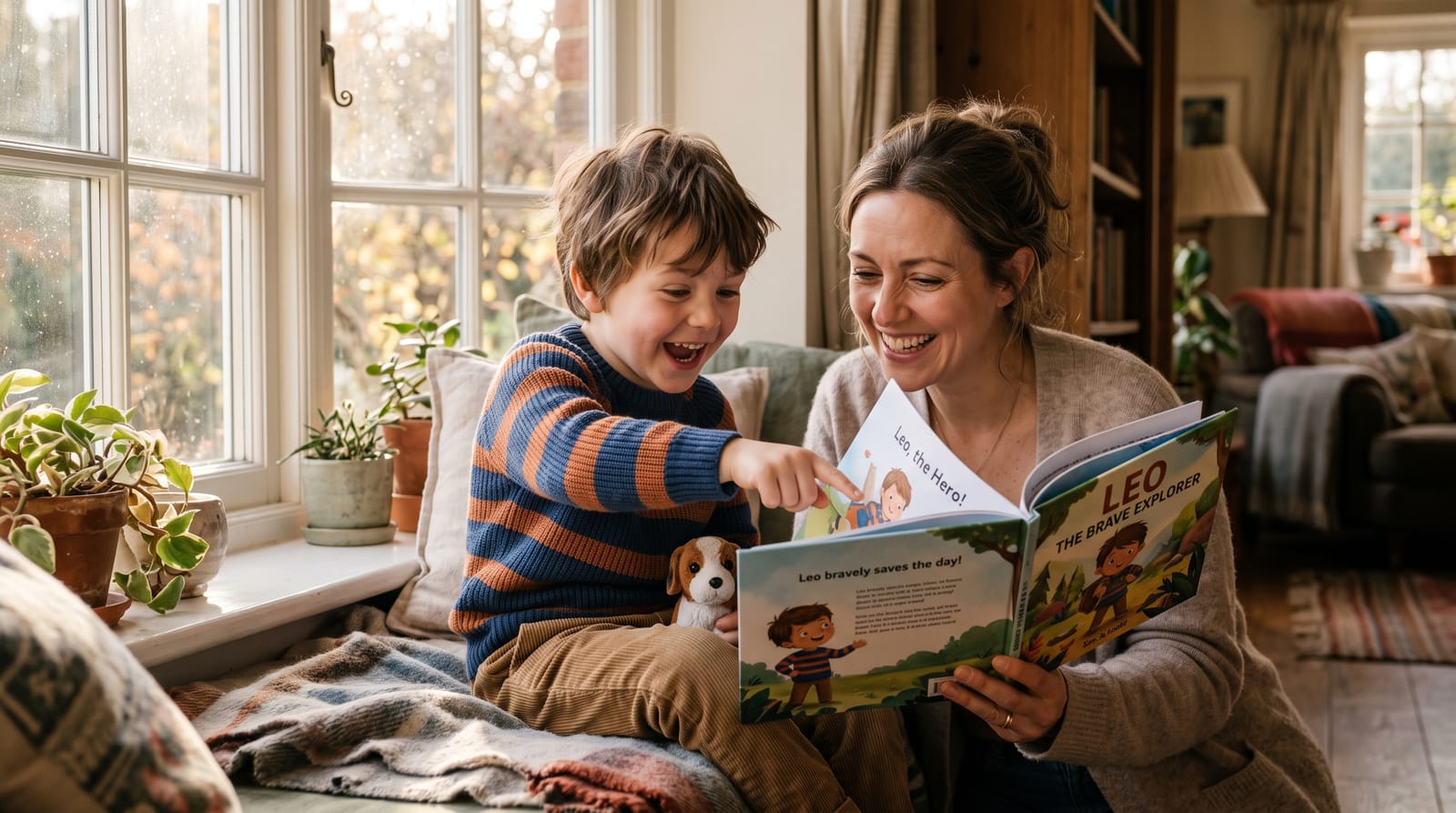
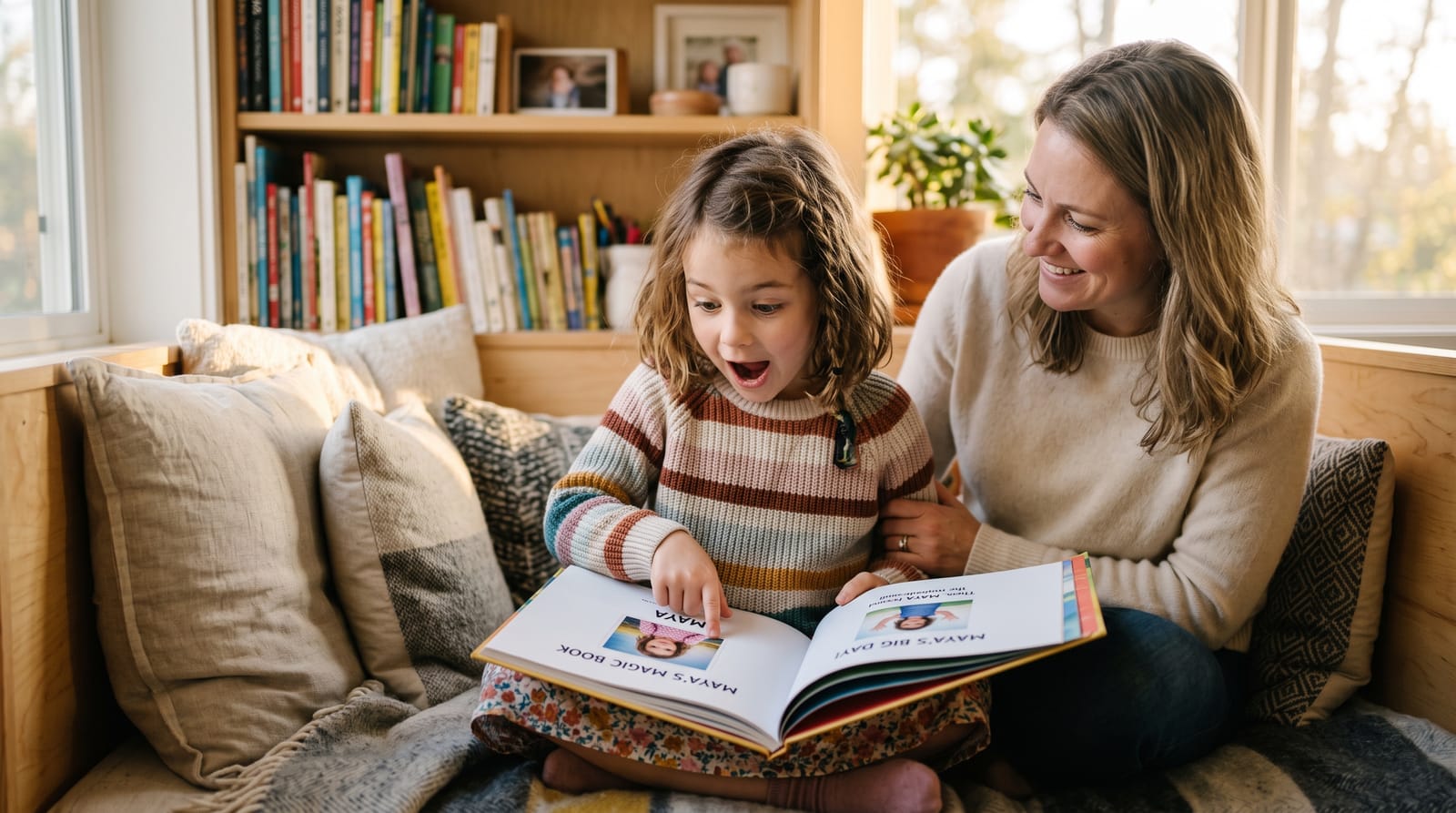
At StorytimeHero, we’ve observed that while these trends are incredible, there is a missing link: the bridge between the "extraordinary other" and the "extraordinary self." This is where personalized books step in. By placing a child directly into these modern themes, we don’t just show them the world; we show them their place within it.
From Literary Legends to Personal Legacies
One of the most inspiring movements in contemporary publishing is the rise of the biographical picture book. These stories introduce young readers to the lives of poets, novelists, and activists—people like Judy Blume or Virginia Hamilton—who used their voices to change the world. These books serve a dual purpose: they educate children on history and inspire them to see writing as a form of agency.
However, for a four-year-old, the gap between their own life and the life of a "literary legend" can feel vast. Personalized books address this by shrinking that distance. When a child sees a story that celebrates the "creative process" and the main character happens to have their name and likeness, the message changes. It’s no longer just "this famous person found their voice"; it becomes "I am a person who has a voice."
In this way, personalization acts as a "starter kit" for the very legacy-building that biographical books celebrate. By seeing themselves navigate a narrative, children begin to understand that their own daily experiences—their fears, their triumphs, and their imagination—are worthy of being recorded on a page. This internalizes the lesson of the literary biography before the child even knows how to hold a pen.
Beyond Representation: The Power of the Specific
The push for diverse voices in the picture book space has led to a beautiful influx of stories centered on heritage, particularly from AAPI authors and other underrepresented communities. These books often move beyond broad strokes, focusing instead on specific cultural touchpoints: a trip to a father’s childhood home in the Philippines, the meticulous art of indigo dyeing, or the way a grandmother’s kitchen smells during a specific festival.
While these stories are vital for building empathy and global awareness, personalized books take this one step further by centering the child’s specific family identity. For a child of a multi-ethnic background or a family with a unique immigration story, a generic book might get close, but a personalized book hits the bullseye.
When we integrate a child’s name into a story about heritage or nature, we are telling them that their specific existence is the "starting point" for the story. It prevents cultural education from feeling like a distant history lesson and turns it into a living, breathing part of their current identity. By blending the "heart" found in modern diverse literature with the "presence" found in personalized books, we create a narrative that a child doesn't just read—they inhabit.
For more on how this intersection works, you might enjoy reading about The Evolution of the Modern Picture Book.
Cozy Fantasy and the Immersive Safety of Home
There is a fascinating trend currently taking over the picture book world: "cozy fantasy." Drawing inspiration from adult "low-stakes" fantasy, these books focus on world-building that feels like a warm hug. Think of dragons who prefer baking to hoarding gold, or magical cafes tucked into the edges of monster-filled woods.
These stories are popular because they offer the excitement of magic without the overwhelming stress of high-stakes conflict. They provide a "safe harbor" for children to explore big concepts like friendship, failure, and community.
Personalized books are the ultimate vehicle for cozy fantasy. When a child is the one helping the dragon bake or the one sitting in the magical cafe, the "warm hug" of the story becomes literal. The safety of the world is reinforced by the child’s presence within it. If the world is safe for "me" (the protagonist), then the world feels safer in reality.
This immersion helps children develop emotional resilience. By navigating a fantastical world where problems are solved through kindness and creativity, and doing so as themselves, they practice the very skills they need in the real world. You can explore this further in our piece on Personalization and Modern Picture Book Trends.
The Artistic Journey: When the Process Becomes Personal
Modern picture books are increasingly focused on the "how" of things. Whether it’s a story about the scientific curiosity of a child in nature or the artistic steps of a traditional craft, these narratives celebrate the process of learning. They encourage a growth mindset, showing that mastery comes from observation and practice.
Personalized books leverage this by making the child the "apprentice" in the story. When a picture book describes the beauty of the natural world or the steps of an artistic endeavor, and the child is the one holding the magnifying glass or the paintbrush, the educational value skyrockets.
This is known as the "Protagonist Effect." When children see themselves as the active participant in a learning process, their retention and engagement increase. They aren't just watching someone else be curious; they are practicing curiosity. This shift from passive observer to active participant is perhaps the greatest gift personalized books offer to the modern educational landscape.
Why This Evolution Matters for Today’s Families
Parenting in {YEAR} comes with a unique set of challenges. We want our children to be global citizens, to appreciate the arts, to have a sense of history, and to feel emotionally secure. The modern picture book is a powerful ally in this mission, but personalization is the "secret sauce" that makes these themes stick.
StorytimeHero was founded on the belief that every child deserves to see themselves as the hero of a high-quality, beautifully illustrated story. We don’t just want to tell a story; we want to anchor a child’s identity in the values of courage, curiosity, and connection.
By taking the best trends in modern literature—the diversity, the fantasy, the legacy-building—and adding the child’s name and face, we create more than a book. We create a keepsake that grows with them. As they get older, the book remains a testament to a time when they were told, explicitly and beautifully, that they belong in the world of stories.
To see how these narratives are shaping the next generation, check out our thoughts on Personalized Books: Bridging Fantasy & Resilience.
Frequently Asked Questions
How does a personalized picture book help with reading development compared to a standard one?
Personalized books significantly increase a child's "narrative engagement." Because they see themselves as the main character, they are more likely to stay focused, ask questions about the plot, and want to re-read the book. This repetition and engagement are key drivers of early literacy and vocabulary acquisition.
Can personalized books handle complex themes like heritage and history?
Absolutely. In fact, personalization can make complex themes more accessible. By grounding a historical or cultural narrative in the child's own identity, the story becomes a personal journey rather than an abstract concept, making it easier for young minds to process and remember.
Are these books just a novelty, or do they have long-term value?
While the "cool factor" of seeing their name is what grabs a child's attention initially, the long-term value lies in the self-esteem and identity-building the book provides. Many parents find that personalized books become the "best-keep" items in a child's library, cherished long after the child has outgrown the reading level. For more on this, see Modern Values & Community in Picture Books.
Related Reading
If you found this exploration of modern book trends helpful, you might enjoy these other deep dives from our team:
- The Evolution of the Modern Picture Book
- How Personalization Transforms the Picture Book
- Personalization and Modern Picture Book Trends
- Personalized Books: Bridging Fantasy & Resilience
- Modern Values & Community in Picture Books
At the end of the day, a picture book is a window into a world of possibilities. Personalized books simply turn that window into a mirror, showing your child that the most exciting possibility of all is the person they are becoming.
Free preview checklist
Get the personalized book gift checklist
Know what photo to use, what to write in the dedication, and what to review before ordering.