The Evolution of the Modern Picture Book | StorytimeHero
Upload a photo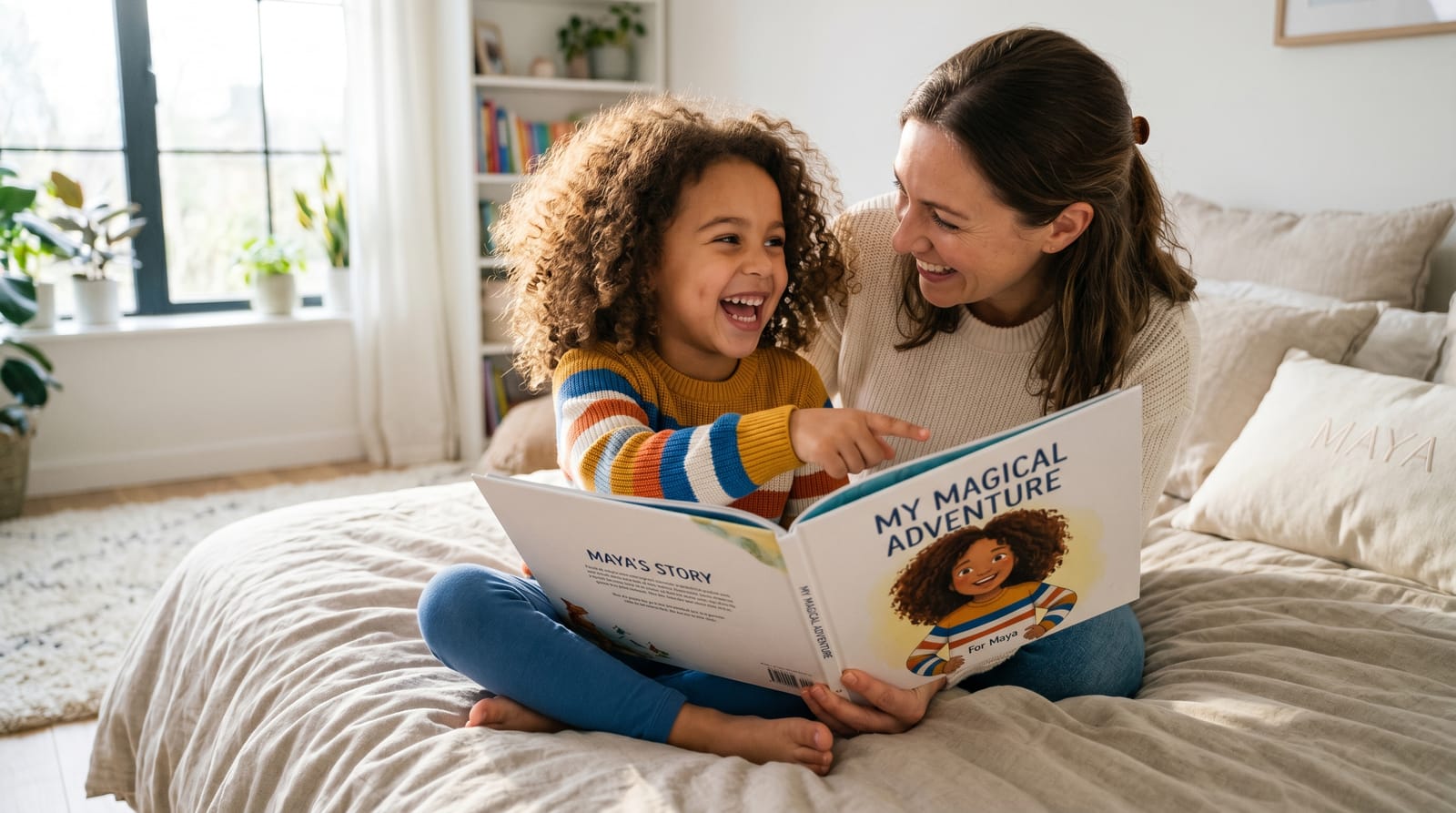
The landscape of children’s literature is shifting beneath our feet, and for parents navigating the aisles of a bookstore or the digital pages of a library, the change is palpable. We are moving away from the era of "generic" stories—those well-intentioned but often broad tales that tried to speak to everyone and, in doing so, sometimes felt like they spoke to no one in particular.
Today, the picture book is undergoing a renaissance of specificity. Whether it is a deep dive into a particular cultural tradition, a "cozy" fantasy world with its own internal logic, or a story designed to help a child navigate a very specific life hurdle like a food allergy, the modern book is more focused than ever.
At StorytimeHero, we believe this shift toward specificity is exactly why personalized books have become such a vital tool for modern families. When a story is tailored to a child, it doesn't just present a world; it invites the child to inhabit it. In this exploration, we will look at how the latest trends in children’s publishing are being elevated and solved through the power of personalization.
Moving Beyond the Acronym: Cultural Nuance and the Picture Book
One of the most significant trends in modern publishing is the move toward authentic, lived experiences. For years, books featuring diverse characters were often grouped under broad umbrellas. However, as many creators and educators now point out, these labels can sometimes flatten the incredible diversity of cultures, languages, and histories they are meant to represent.
A story about a child visiting their father’s homeland in the Philippines is fundamentally different from a story about a child learning the art of indigo dyeing in a studio with their grandfather. These are not just "diverse stories"; they are specific human experiences.
The Power of "Me" in the Map
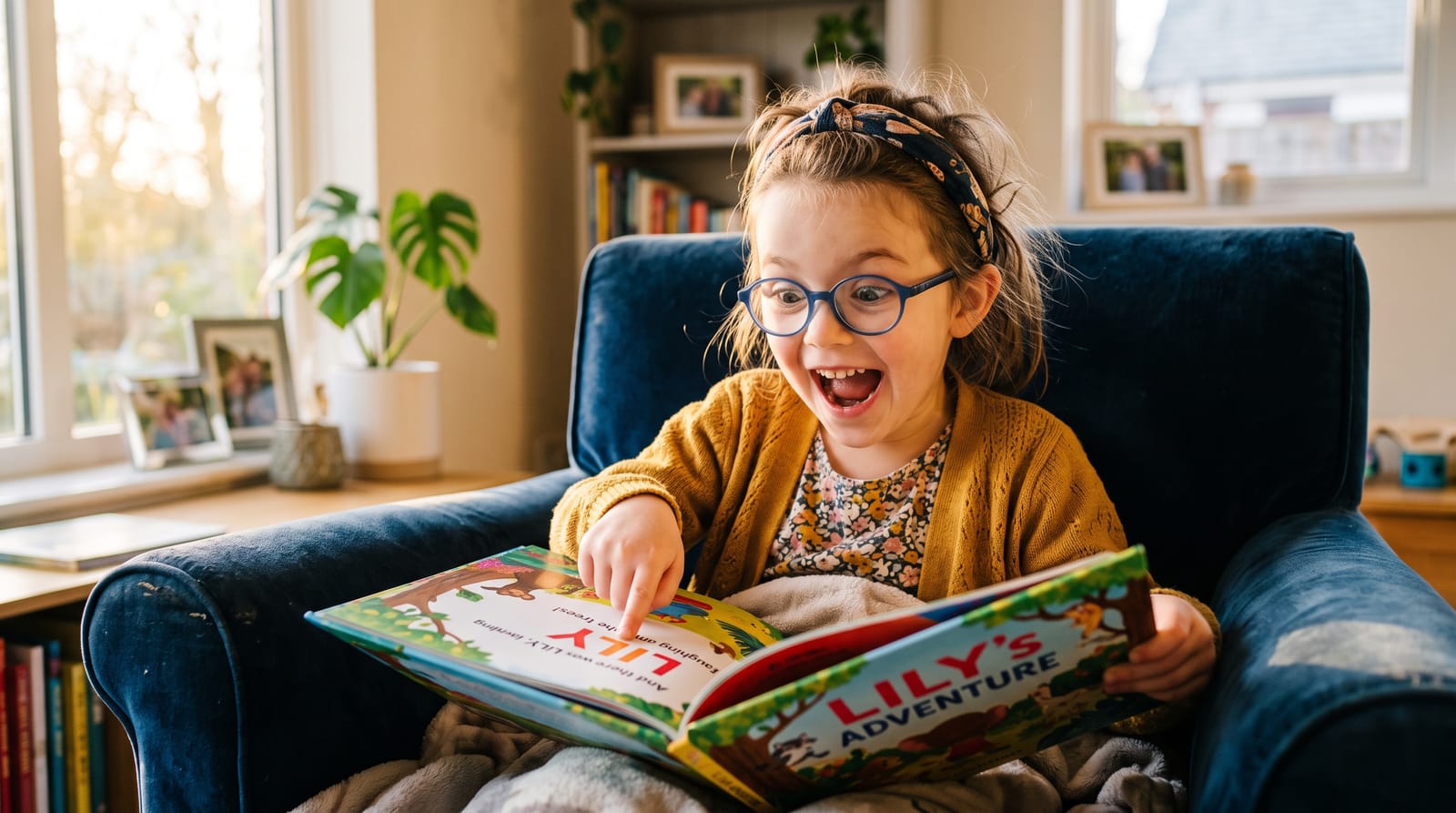
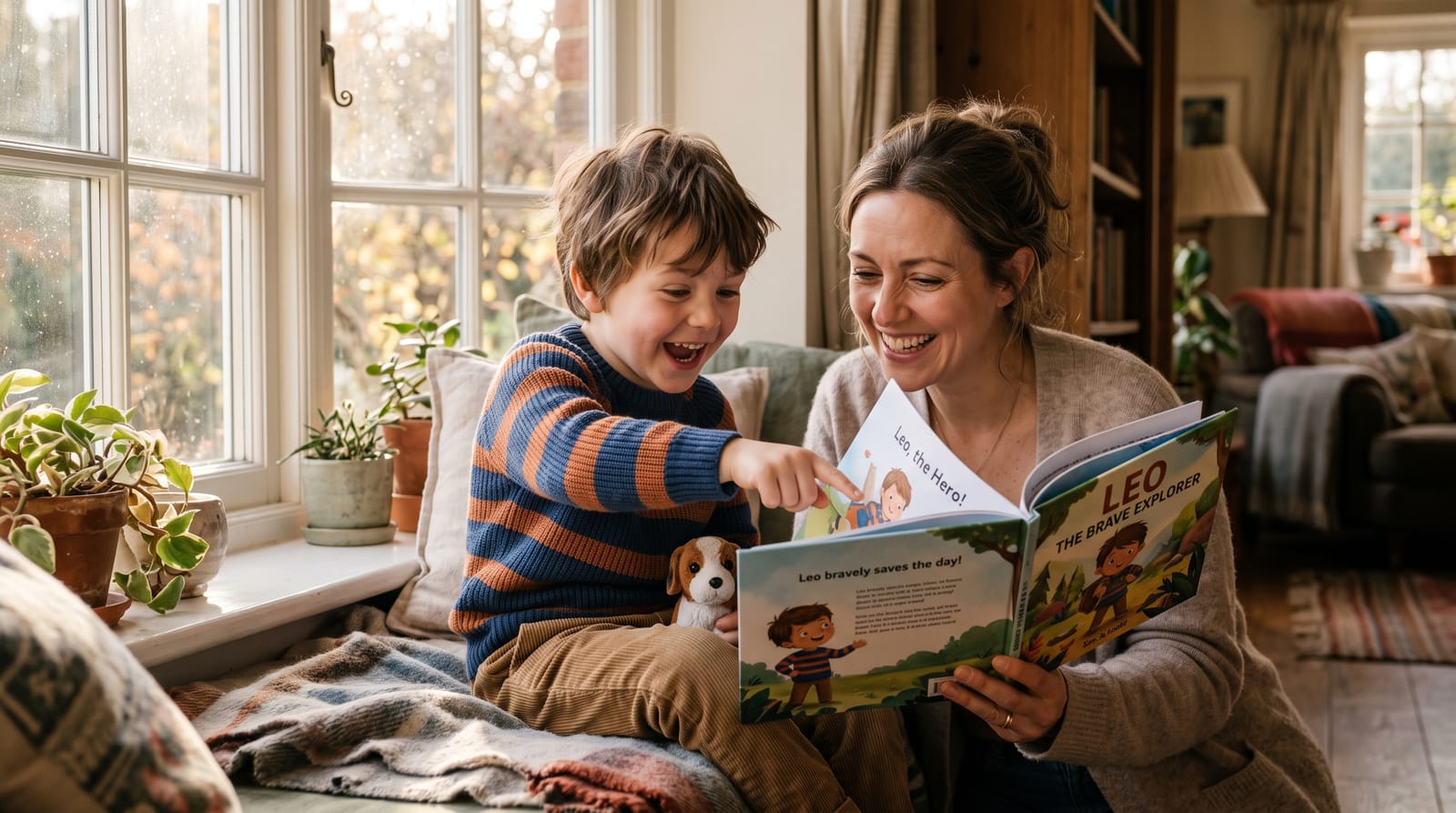
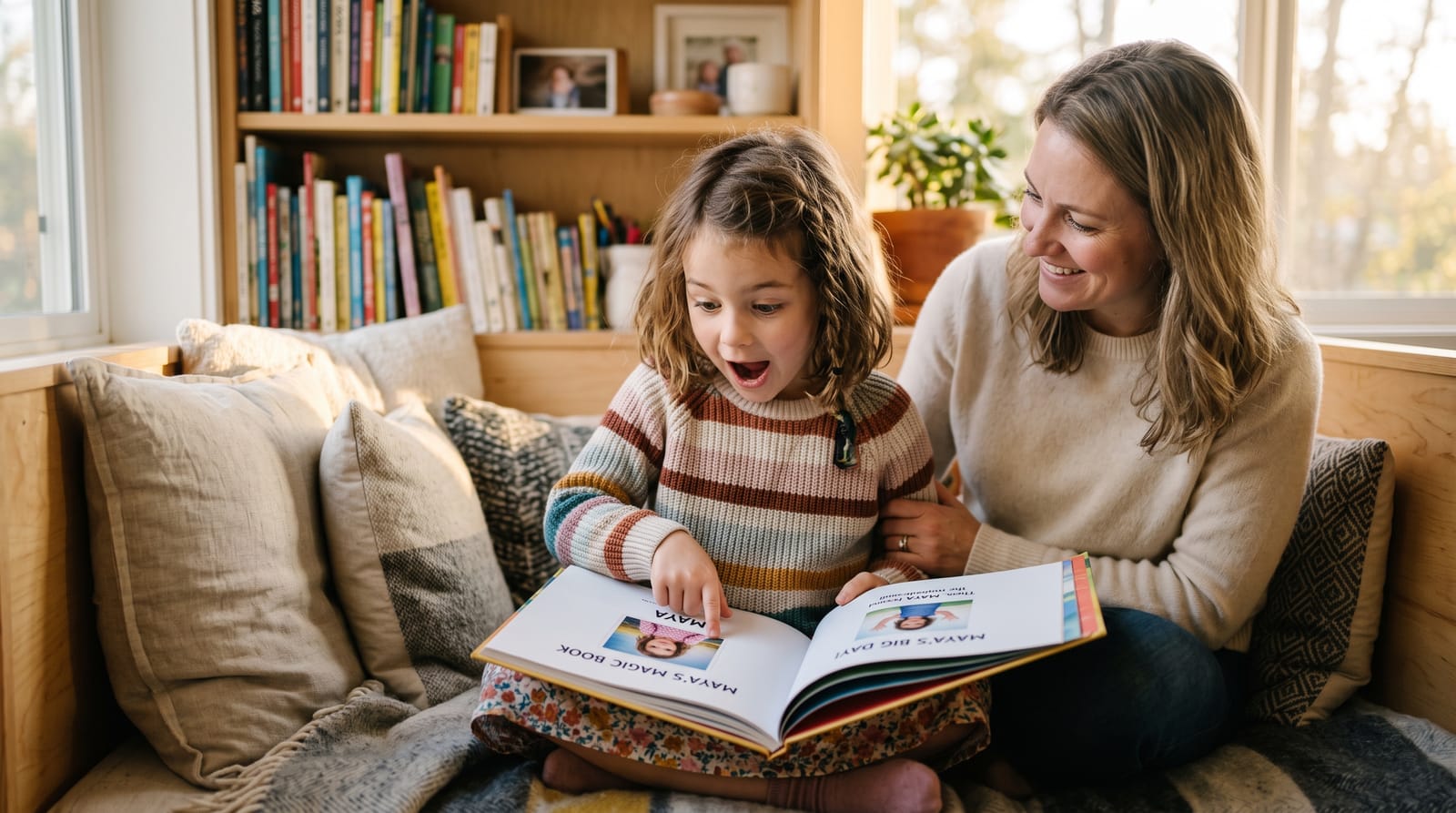
This is where personalized books offer a unique bridge. While a traditional book allows a child to look through a window into someone else's life, a personalized narrative turns that window into a mirror. When a child sees their own name and likeness navigating a journey to a distant land or participating in a cultural rite of passage, the "category" of the book disappears. It is no longer an "educational" book about a different culture; it is a story about them discovering the world.
By grounding these specific cultural details in the child’s own identity, we help them develop a deeper sense of global citizenship. They aren't just learning about the world; they are finding their place within it.
The Rise of Cozy Fantasy and Emotional Safety
Another fascinating trend in the picture book world is the explosion of "cozy fantasy." Unlike the high-stakes, world-ending battles often found in middle-grade or young adult novels, cozy fantasy focuses on world-building that feels like a "warm hug." Think of dragons who would rather bake bread than hoard gold, or monsters who run ramshackle cafes at the edge of enchanted woods.
These stories provide a sense of wonder without the overwhelming anxiety that can sometimes accompany traditional fairy tales. They offer a safe space for imagination to bloom.
Why Personalization Enhances the "Warm Hug"
In {YEAR}, the need for emotional safety in reading is higher than ever. When you integrate a child into a cozy fantasy world through personalized books, you amplify that sense of security. If the dragon is the child’s best friend, or if the child is the one helping the monster find the perfect recipe, the magic becomes personal.
This "protagonist effect" does more than just entertain; it builds confidence. For more on this, you can read about why kids read more when they're the main character. When a child is the hero of a magical world, they carry that sense of agency back into the real world.
Solving Real-World Problems with a Growth Mindset
Beyond magic and travel, modern picture books are increasingly tackling the practical complexities of growing up. We see more stories today focused on things like food allergies, social-emotional learning, and the "growth mindset"—the idea that we can improve through effort and problem-solving.
For a child dealing with a specific challenge, seeing a character overcome a similar obstacle is helpful. But being the one who solves the problem is transformative.
From Observer to Problem-Solver
Imagine a story where a child has to navigate a birthday party while managing a food allergy. In a standard book, the child watches a character make good choices. In a personalized story, the child is the one making those choices. They are the one using their "sweet solution" or their "growth mindset" to turn a tricky situation into a win.
This participatory element is a hallmark of personalized books as parenting allies. By putting the child at the center of the conflict, we allow them to "practice" resilience in a low-stakes, supportive environment.
World-Building That Reflects the Child’s Reality
The best modern picture books are masters of world-building. Whether it’s the detailed steps of an artistic process or the intricate flora and fauna of a natural setting, authors are giving children more credit for their curiosity. They are creating rich, textured environments that invite close looking and repeat readings.
Personalization takes this world-building a step further by weaving the child’s reality into the fabric of the fictional world. When the "world" of the book includes the child’s favorite colors, their hometown, or even their family members, the barrier between the story and the reader dissolves.
Why Specificity Matters in {YEAR}
We live in an age of digital distraction. To capture a child’s attention, a picture book must offer something a screen cannot: a deep, personal connection. By focusing on the "intimate narrative," we can create books that aren't just read once and tossed aside, but are kept as treasures. This is part of what we call the best-keep strategy for kids' books.
Conclusion: The Future of the Participatory Page
As we look at the trends defining children’s literature in {YEAR}, it’s clear that the "one-size-fits-all" approach is a thing of the past. Parents want stories that reflect the beautiful, messy, specific reality of their children’s lives—whether that involves exploring their heritage, navigating a new allergy, or befriending a bakery dragon.
Personalized books from StorytimeHero aren't just a gimmick; they are a response to this modern need for relevance and representation. By evolving the traditional picture book into a participatory experience, we ensure that every child doesn't just see a hero on the page—they see themselves.
---
FAQ: Frequently Asked Questions for Parents
Q: How do personalized books help with a child’s reading development compared to regular books?
A: Research suggests that when children see themselves in a story, their engagement levels skyrocket. This "self-referencing effect" helps with reading comprehension and retention. Because the child is more invested in what happens to "themselves" on the page, they are more likely to stick with the story and develop a positive association with reading.
Q: Can personalized books address specific issues like anxiety or new experiences?
A: Absolutely. One of the greatest strengths of personalized narratives is their ability to act as a "social story." By placing the child in a scenario they might find intimidating—like the first day of school or visiting a new place—the book allows them to visualize a positive outcome, which can significantly reduce anxiety.
Q: Are these books just for toddlers, or do older children benefit from them too?
A: While picture books are often associated with younger children, the benefits of personalization extend well into the middle-grade years. For older kids, seeing themselves in a story can help with identity formation and empathy. You can learn more about this in our guide to personalized middle-grade books and tween identity.
Q: How does StorytimeHero ensure the stories feel "original" and not just like a template?
A: We focus on high-quality world-building and nuanced themes. Our goal is to create a "living narrative" where the personalization feels like an organic part of the story's heart, rather than just a name swapped into a generic text.
---
Related Reading
Free preview checklist
Get the personalized book gift checklist
Know what photo to use, what to write in the dedication, and what to review before ordering.