Personalization and the Modern Picture Book | StorytimeHero
Upload a photo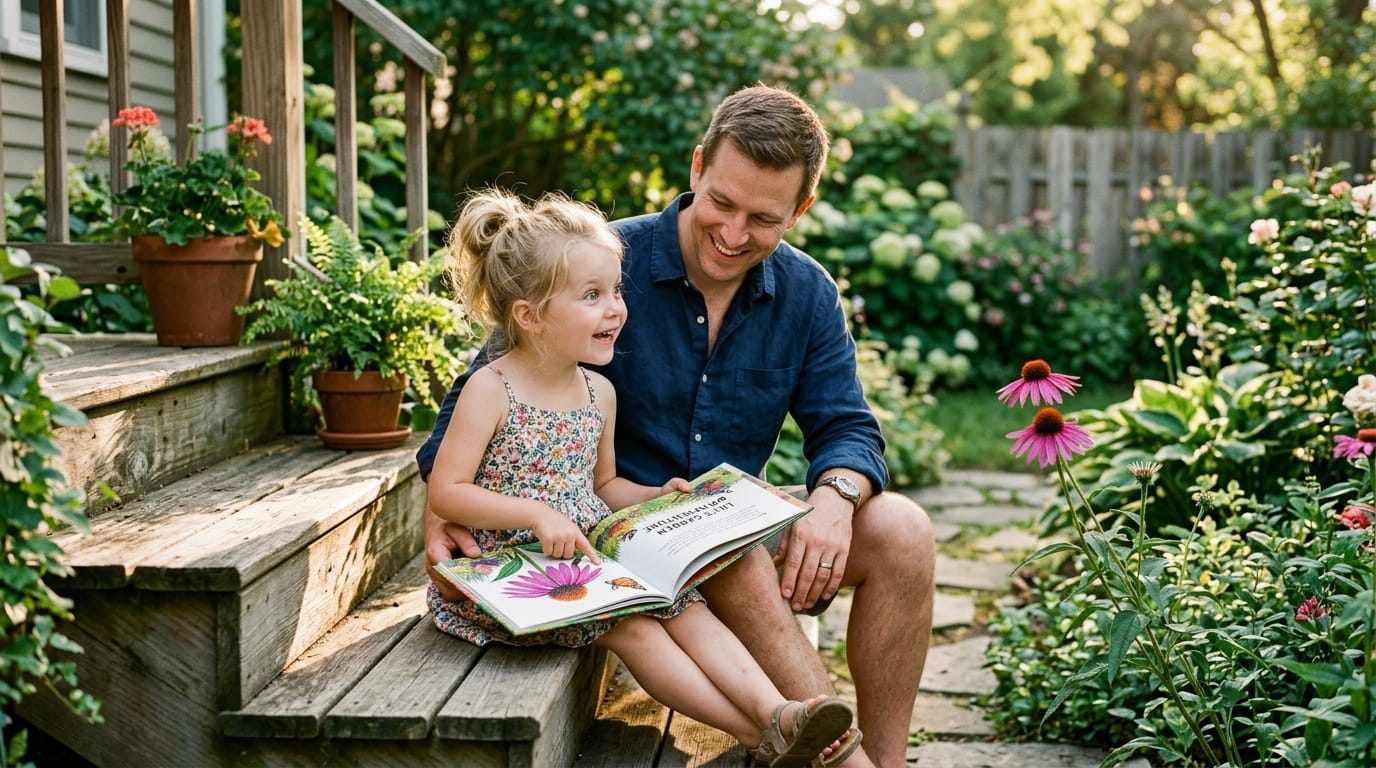
In the quiet moments before sleep, the humble picture book has long served as a portal. For generations, these bound pages have introduced children to the rhythm of language, the cycles of the earth, and the foundational values of their society. However, as we navigate the complexities of {YEAR}, the role of the story is shifting. Parents are looking for more than just a distraction; they are seeking "emotional anchors"—stories that don’t just sit on a shelf but live within the child’s sense of self.
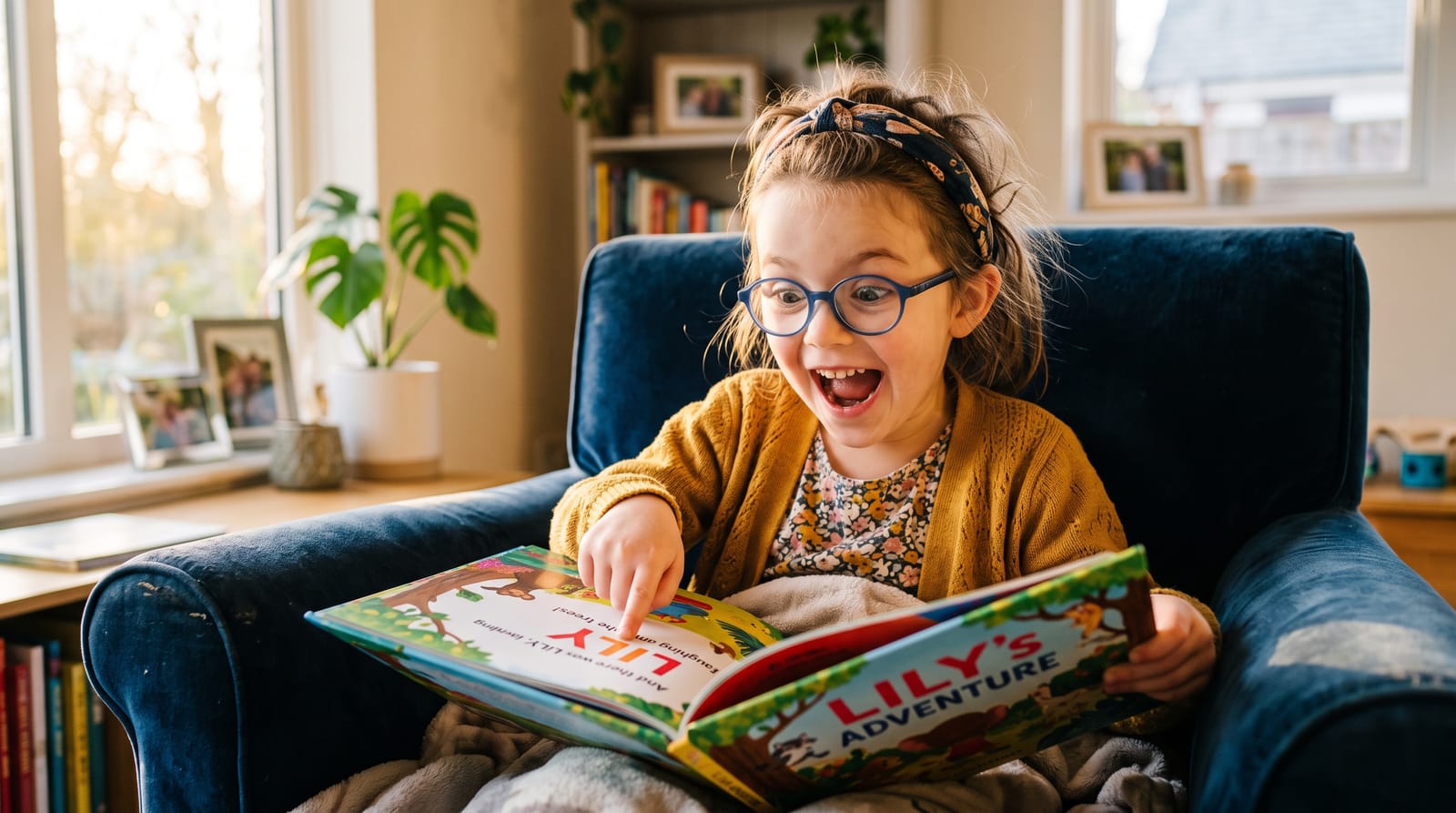
At StorytimeHero, we’ve observed that the most profound shift in modern children’s literature isn't just in what we read, but how the child relates to the narrative. By integrating personalization into the core of these stories, we transform the reading experience from a passive observation into an active, lived experience.
The Rhythmic Balm: Why Poetry in Picture Books Matters More Than Ever
Poetry is often misunderstood as a rigid exercise in rhyming. In reality, poetry is a sensory experience—a "balm" for the mind and heart. For a young child, the cadence of a poem provides a predictable, soothing structure that can help regulate emotions and develop a sophisticated ear for language.
Sound, Image, and the Personal Connection
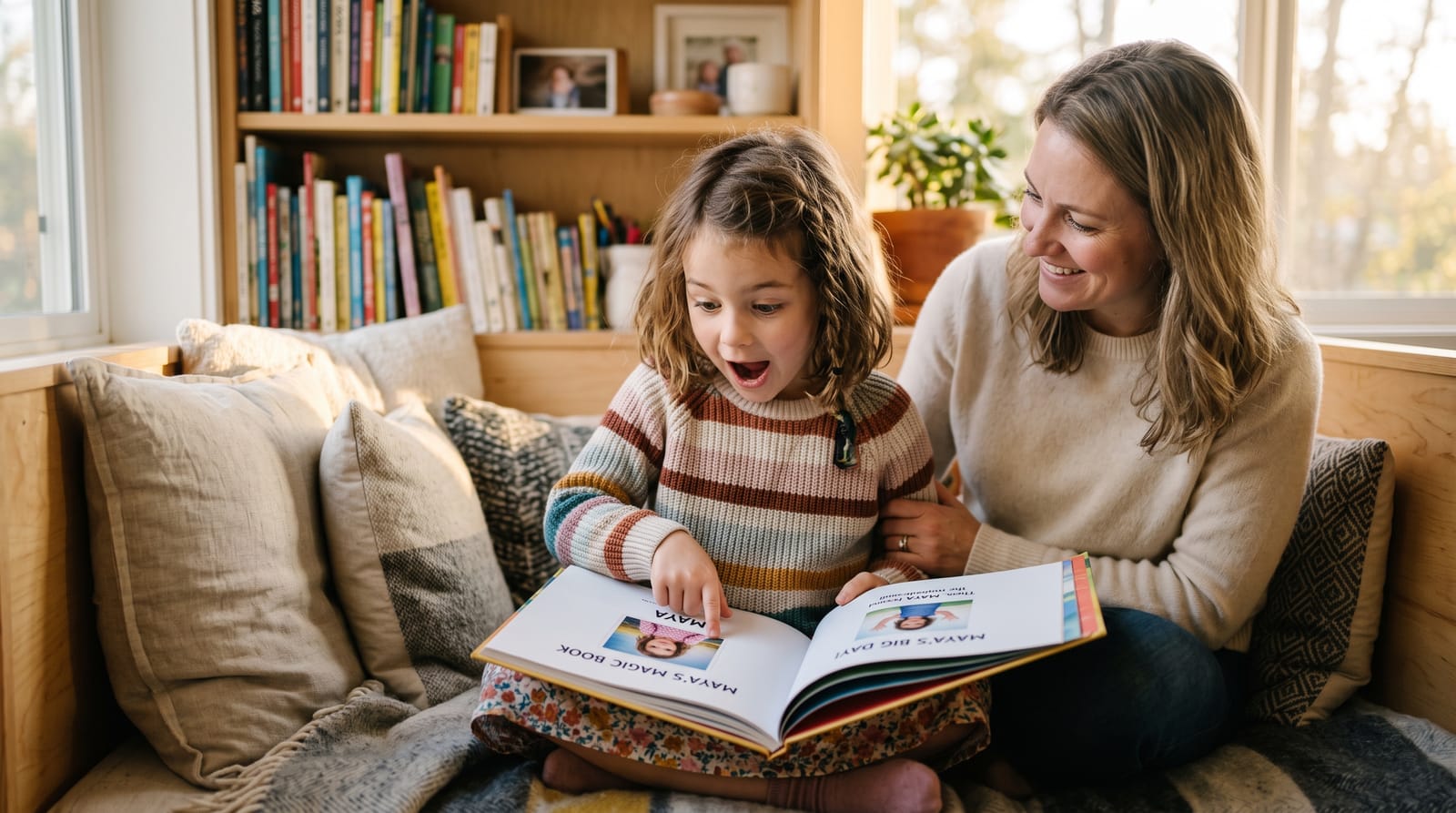
When a child encounters poetry, they are learning that language has texture. Traditional picture books often use verse to tell the stories of historical figures or abstract concepts. While these are valuable, adding a layer of personalization changes the neurological impact. When a child hears their own name woven into a rhythmic stanza, the "joy of sound" mentioned by poets becomes a personal anthem.
Personalized books allow the child to be the subject of the "startling images" and "deep feeling" that poetry provides. It moves the child from being a spectator of someone else’s resilience—like the tenacity of a famous poet—to being the hero of their own lyrical journey. This creates a lasting sense of worth and belonging that prose alone sometimes struggles to capture.
Rooting Childhood in the Natural World
In our increasingly digital era, many families are grappling with what some call "cabin fever"—a disconnect from the physical world that can lead to restlessness and a lack of focus. The modern picture book has stepped in to fill this gap, offering lush, nature-themed narratives that encourage children to slow down and look closely at the world around them.
From Observation to Participation
A standard book about the changing seasons or the magic of a garden is a wonderful educational tool. It teaches kids about growth, transition, and the small details of the ecosystem. However, when you introduce a personalized element, the child isn't just learning about spring; they are the one walking through the damp earth and noticing the first buds.
By placing the child at the center of a nature-based narrative, personalized books help bridge the gap between the page and the backyard. It encourages a "mindful" approach to the outdoors. If the book shows the child discovering a hidden flower or saying goodbye to winter, the child is more likely to replicate that curiosity in real life. This transition from "reading about nature" to "seeing oneself in nature" is a powerful tool for nourishing young readers with personalized picture books.
The Architecture of Belonging: Building Better Neighbors
Perhaps the most urgent theme in contemporary children’s literature is the concept of community. In a world that can often feel fragmented or isolated, parents are searching for ways to teach their children that they are part of a larger, supportive whole. We are moving away from a culture of hyper-independence and back toward a world where "looking for the helpers" is a primary survival skill.
Cultivating the "Helper" Mentality
Many modern stories focus on the importance of being a good neighbor and the safety that comes from strong community bonds. While reading about a fictional character helping a neighbor is a great start, seeing themselves performing acts of kindness within the story is transformative.
When a child is the protagonist of a story centered on community, the lesson shifts from "people should be helpful" to "I am a helpful person." This subtle change in perspective builds a child’s identity as a contributor to society. It combats the "pattern of isolation" by rehearsing the social interactions that build real-world safety and care. In this way, modern values and community in picture books become more than just abstract ideas—they become part of the child's personal history.
Why Personalization is the "Narrative Glue" of {YEAR}
The reason personalized books are becoming a staple in modern homes isn't just the "cool factor" of seeing a name in print. It’s about cognitive and emotional resonance. When a child’s identity is fused with the narrative, several things happen:
- Increased Engagement: A child is naturally more attentive when the story is "about" them. This leads to better retention of the themes, whether those themes are about environmental stewardship or social kindness.
- Emotional Safety: Stories that address scary or complex parts of the world feel more manageable when the child is depicted as a capable, supported hero.
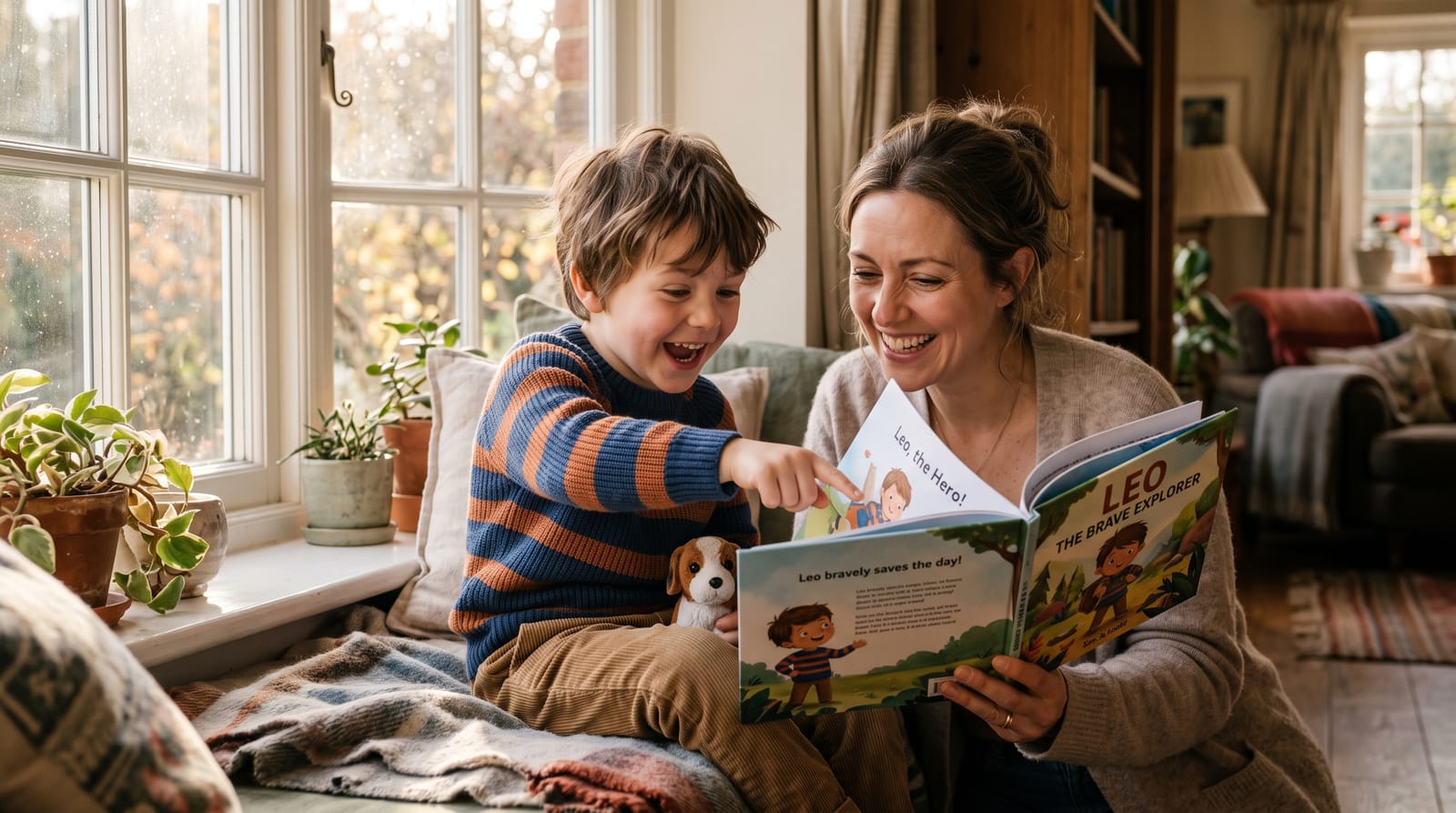
- Strengthened Family Bonds: Reading a personalized story is a collaborative act. It signals to the child that the parent sees them, values them, and wants them to see themselves in the best possible light.
By anchoring modern picture book themes through personalization, we ensure that the lessons of the story stick. We aren't just reading to them; we are building their world with them.
The Future of Storytime: Beyond the Static Page
As we look toward the future of children's literature, the "static" book—where the reader is entirely separate from the story—may start to feel like a missed opportunity. Parents are increasingly looking for ways to make reading a participatory event.
Personalized books solve the "relevance gap" that sometimes exists in traditional literature. While a classic story might feel distant or "old-fashioned," a story that includes the child’s own name and likeness feels immediate and essential. It allows families to modernize the picture book experience without losing the timeless magic of a physical book.
At StorytimeHero, our goal is to provide parents with the tools to be "parenting allies." We believe that every child deserves to see themselves as the person who notices the first flower of spring, the one who writes the poem, and the neighbor who shows up when it matters most.
FAQ: What Parents Ask About Personalized Picture Books
Q: Does personalization actually help with learning to read?
A: Yes! Educators often find that children are more motivated to decode words and recognize letters when those words are familiar to them—especially their own name. This "ownership" of the text can turn a reluctant reader into an enthusiastic one.
Q: Are personalized books just for special occasions like birthdays?
A: While they make incredible gifts, many parents use them as "daily drivers" for building routines. Because the child is the hero, these books are often requested night after night, making them excellent tools for teaching consistent values or calming "cabin fever" during the winter months.
Q: How do these books handle complex themes like community or nature?
A: At StorytimeHero, we focus on making the child an active participant in these themes. Instead of just lecturing about being a good neighbor, the story places the child in a scenario where they experience the joy of helping firsthand. This "rehearsal" for real life is incredibly effective for social-emotional development.
Q: Can personalized books help with anxiety or "scary" world events?
A: By centering the child in a narrative of kindness and support (the "look for the helpers" approach), personalized books provide a sense of agency. When a child sees themselves as part of a safe, helpful community, the world feels a little less daunting.
Related Reading
- Personalized Picture Books: Poetry, Nature & Community
- How Personalized Books Support Modern Parenting
- Modern Values & Community in Picture Books
- Nourishing Young Readers with Personalized Picture Books
- Modernizing the Picture Book with Personalization
In the end, a picture book is a mirror. When that mirror reflects the child back to themselves as a poet, an explorer, and a friend, the story does more than just entertain—it empowers. As we move through {YEAR}, let’s ensure that our children’s libraries are as vibrant and personal as the children themselves.
Free preview checklist
Get the personalized book gift checklist
Know what photo to use, what to write in the dedication, and what to review before ordering.