Modernizing the Picture Book with Personalization | StorytimeHero
Upload a photo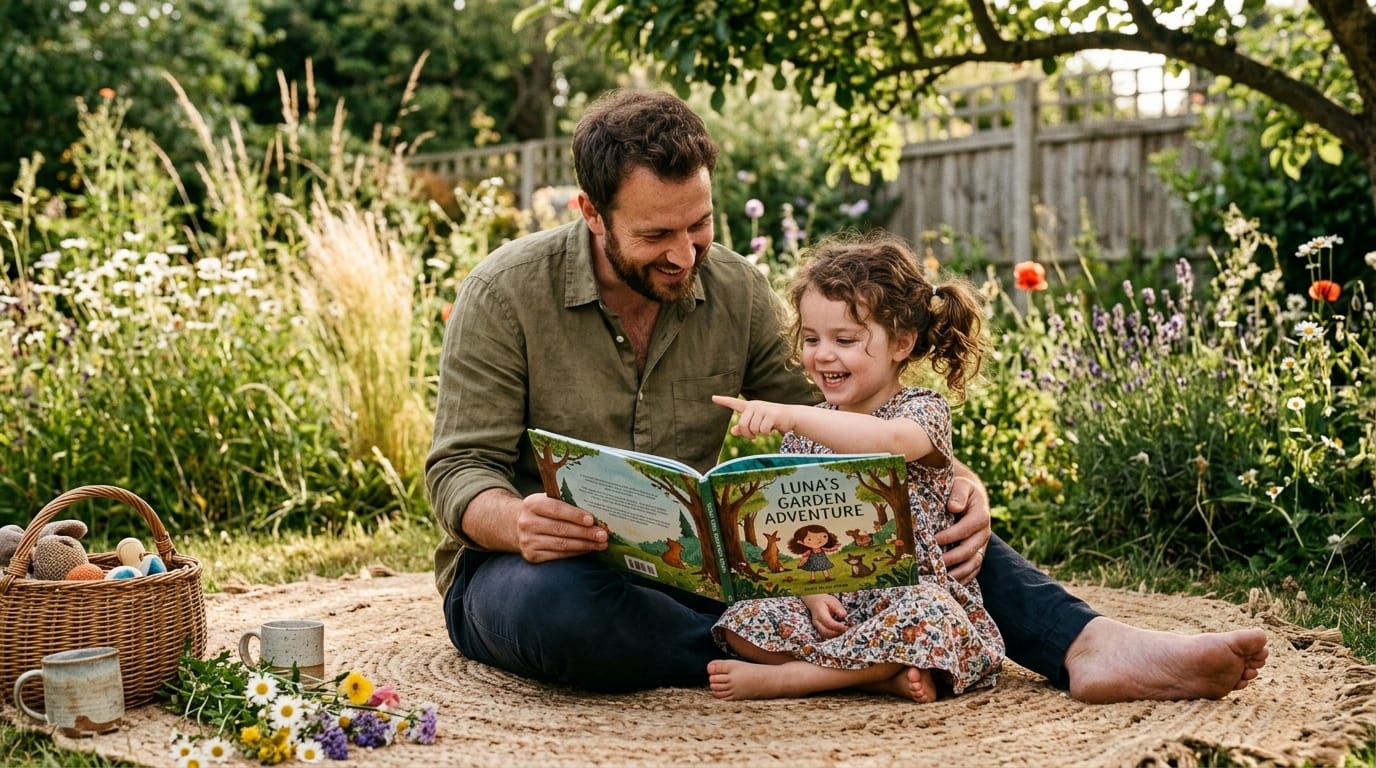
The world of the children’s picture book is undergoing a quiet but profound transformation. If you look at the shelves of a local library or bookstore in {YEAR}, you’ll notice a shift away from simple moral fables toward stories that embrace the complexities of the human experience. Today’s books are more than just bedtime entertainment; they are tools for mindfulness, mirrors for identity, and blueprints for building community.
For parents, this evolution is a welcome change. We want our children to grow up with an appreciation for the rhythm of language, a deep connection to the natural world, and a sense of belonging within their neighborhoods. However, as stories become more nuanced, a new challenge arises: how do we make these big, abstract concepts feel personal to a four-year-old?
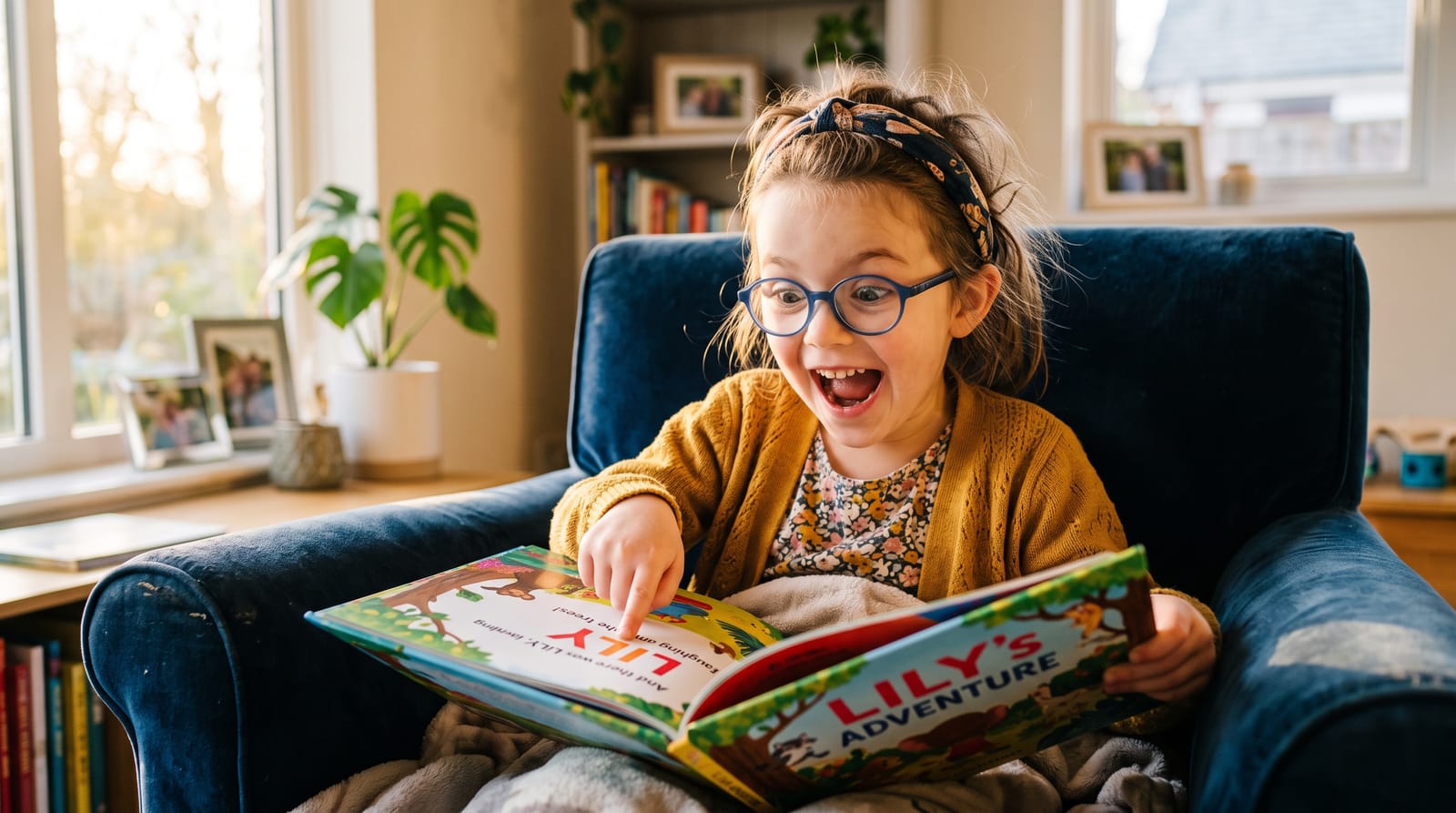
This is where the magic of the personalized book comes in. By placing a child at the center of the narrative, we don’t just tell them about the world—we invite them to participate in it. Let’s explore how personalization is addressing the core themes of the modern picture book and why it is becoming an essential part of the contemporary home library.
Finding the Rhythm: The Poetic Power of Personalization
Poetry has long been a staple of the picture book, serving as a "balm" for both the heart and the mind. Whether it’s through the whimsical rhymes of a classic or the lyrical prose of a modern biography, poetry introduces children to the joy of sound and the weight of "startling images." It teaches them that language is not just for communication, but for expression and comfort.
In a standard picture book, a child is an observer of this beauty. They hear the cadence of the sentences and see the Sherbet-colored clouds on the page. But when a book is personalized, the child becomes the subject of the poem.
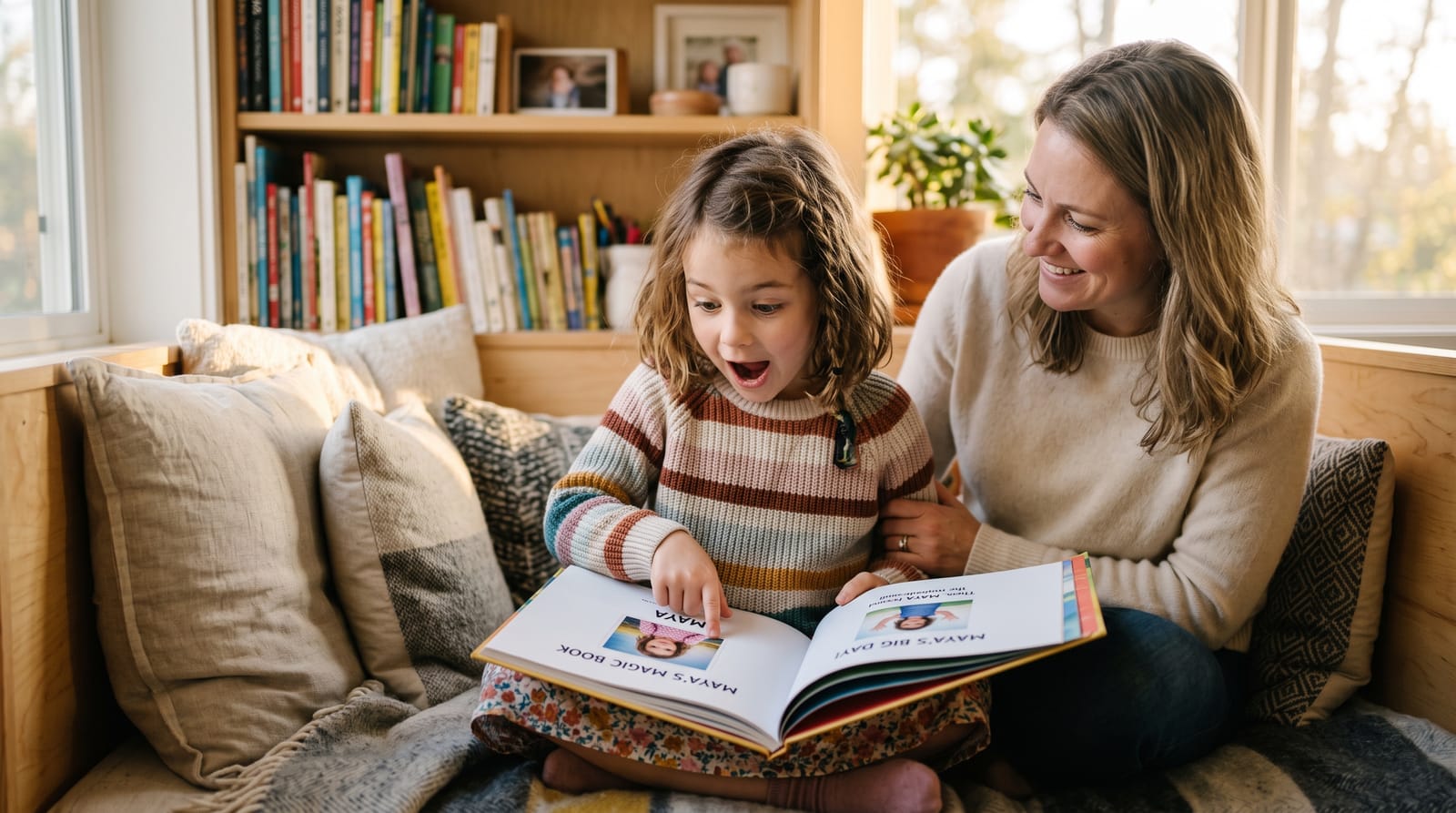
When a child’s own name is woven into the rhythmic flow of a story, it creates a unique neurological "spark." The child isn’t just listening to a story about a brave explorer; they are hearing a rhythmic affirmation of their own identity. This makes the "balm" of poetry even more effective. It grounds the child in the narrative, making the emotional lessons of the poem—whether they be about tenacity, passion, or ancestry—feel like they belong specifically to them.
Cultivating Calm: Using Stories to Connect with the Natural World
As our lives become increasingly digital and fast-paced, the modern picture book has taken on a new role: a gateway to nature and a tool for mindfulness. Books that focus on the transition of seasons—the "hello" to spring and the "goodbye" to winter—encourage children to slow down and look closely at the world around them.
There is a specific kind of peace that comes from reading about the damp earth of a backyard or the first warming rays of spring sunlight. These stories help children process change and awaken a sense of curiosity about the environment.
Personalized books take this a step further by placing the child directly into these outdoor adventures. Instead of reading about a generic character seeing a flower for the first time, the child sees themselves interacting with the blossoms and the breeze. This creates a powerful sense of environmental stewardship. When a child is the protagonist of a story about growth and seasonal shifts, the lesson isn’t just "nature is beautiful"—it’s "I am a part of this beautiful world." This sense of presence is vital for grounding the picture book experience in a way that feels tangible to a young mind.
From Isolation to Connection: Modeling the Good Neighbor
Perhaps the most urgent theme in the modern picture book landscape is the concept of community. In an era where many of us lean toward "hyper-independence" and digital isolation, there is a growing movement to teach children the value of being a "helper."
The goal of these stories is to replace fear with kindness. They remind us that while the world can feel overwhelming, "most people" are good and helpful. Building a neighborhood of care starts with showing up for the person next door.
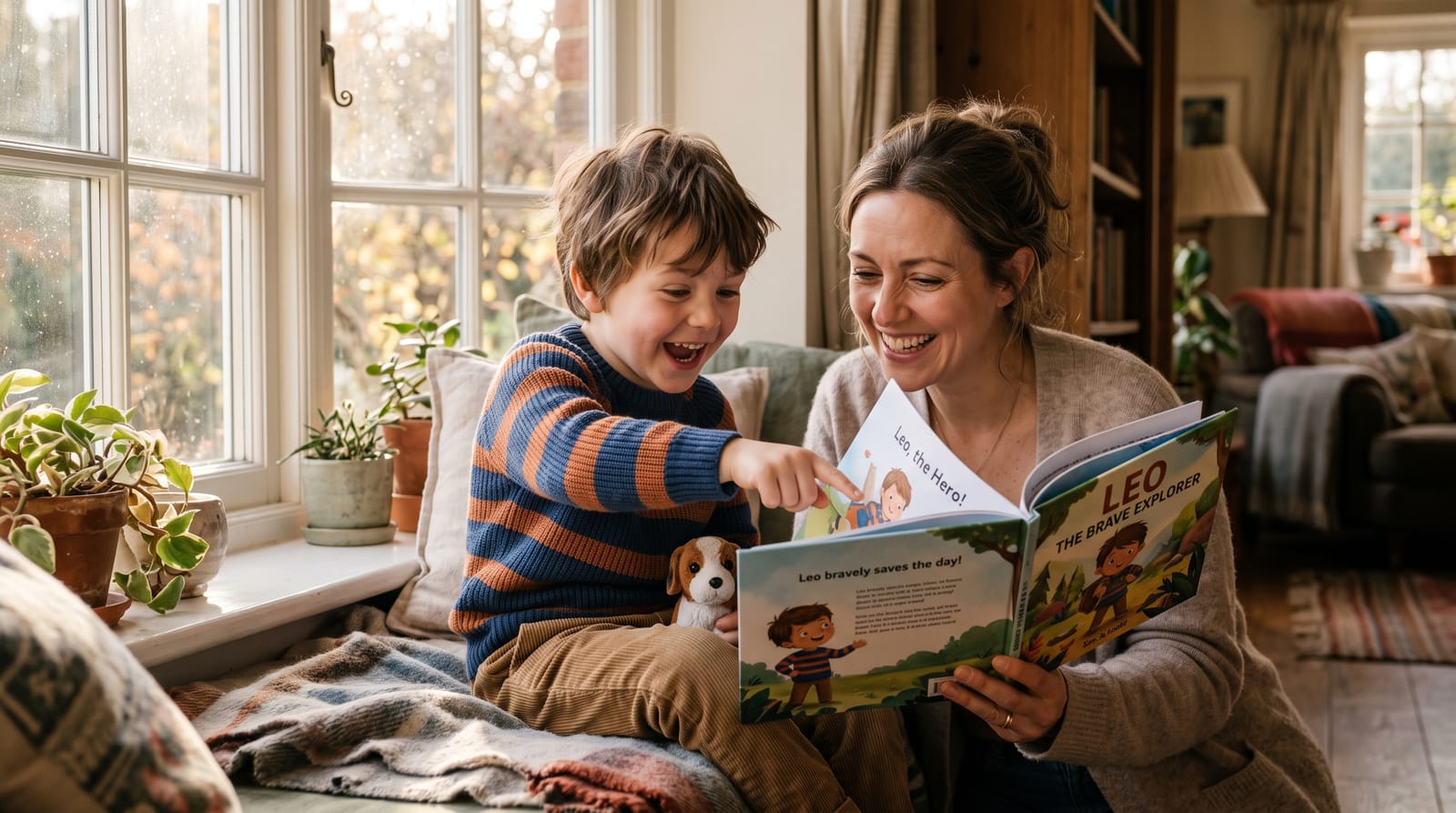
For a child, "community" can be a difficult concept to grasp. It’s an abstract web of relationships. However, personalized books bridge this gap by casting the child in the role of the good neighbor. In a custom story, the child isn't just watching someone else perform an act of kindness; they are the ones delivering the metaphorical soup or checking on a friend.
By rehearsing these social interactions within the safety of a book, children build the "narrative muscle" for real-world empathy. They begin to see themselves as active participants in their local world, rather than just passive observers. This is a key part of how personalized books evolve the picture book to meet the social needs of {YEAR}.
Why Personalization Matters for the Modern Parent
As we navigate the complexities of raising children today, we are often looking for ways to make our values "stick." We want the lessons of the books we read at 7:00 PM to translate into the actions our children take at 7:00 AM.
The "picture book" has always been a bridge between the child’s imagination and the real world. Personalization simply makes that bridge stronger. It transforms the reading experience from a lecture into a lived experience. When a story addresses deep feelings, ancestral identity, or the simple joy of a sunny day, the inclusion of the child’s name and likeness acts as a "narrative glue."
At StorytimeHero, we believe that every child deserves to see themselves as the hero of a story that matters. Whether it's a tale about conquering fears or a gentle meditation on the seasons, personalization ensures that the child feels seen, heard, and valued. This is how we are modernizing the picture book through personalization, ensuring that the stories we share today leave a lasting impact on the generation of tomorrow.
Frequently Asked Questions
Related Reading
If you enjoyed this exploration of the modern picture book, you might find these other articles from StorytimeHero helpful:
- How Personalized Books Anchor Modern Childhood
- The Evolution of the Modern Picture Book
- Modernizing the Picture Book: Why Personalization Matters
- How Personalized Books Support Modern Parenting
Conclusion: The Future of the Storytime Hero
As we look toward the future of children's literature, it's clear that the "picture book" will continue to evolve. It will become more inclusive, more mindful, and more focused on the small details that make life beautiful.
By integrating personalization into these modern narratives, we give children more than just a book; we give them a sense of place. We show them that their voice matters in the poetry of life, that they are stewards of the changing seasons, and that they are the very neighbors the world is waiting for. In the end, every child is a StorytimeHero—we're just here to help them see it.
Free preview checklist
Get the personalized book gift checklist
Know what photo to use, what to write in the dedication, and what to review before ordering.