The Evolution of the Modern Picture Book | StorytimeHero
Upload a photo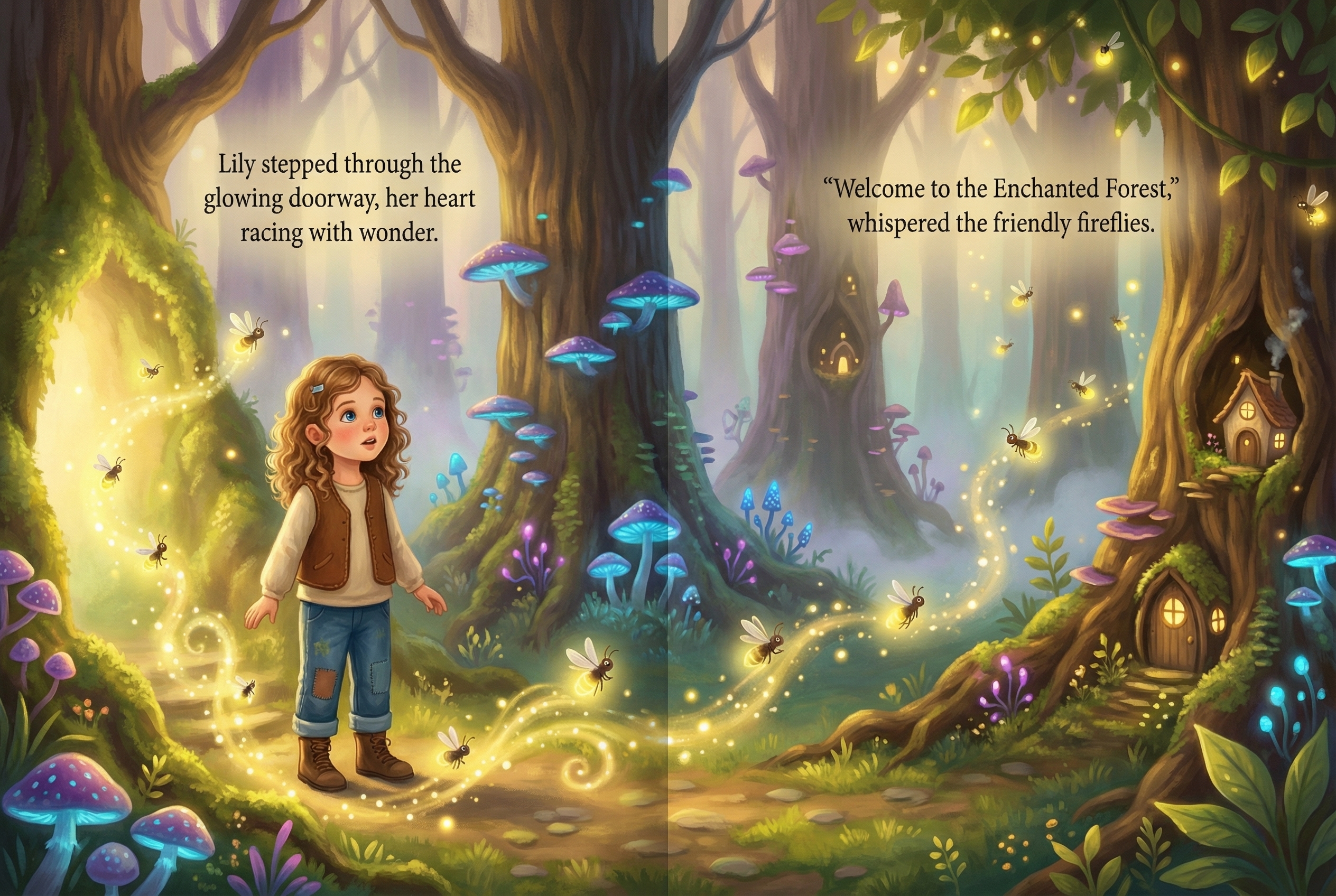
For many of us, the phrase "picture book" immediately conjures a specific scent of old paper and the memory of a steady voice reading under a bedside lamp. These stories were our first maps of the world. They taught us what a forest looked like, how to be brave when the lights went out, and what it meant to be a friend.
However, as we move through {YEAR}, the landscape of childhood—and parenthood—has shifted significantly. We are living in an era defined by rapid transitions, a digital-first culture that can feel isolating, and a growing desire to ensure the values we share with our children are both inclusive and healthy. While the classics will always have a place on our shelves, there is a growing realization that the traditional picture book sometimes struggles to keep pace with the complexities of modern life.
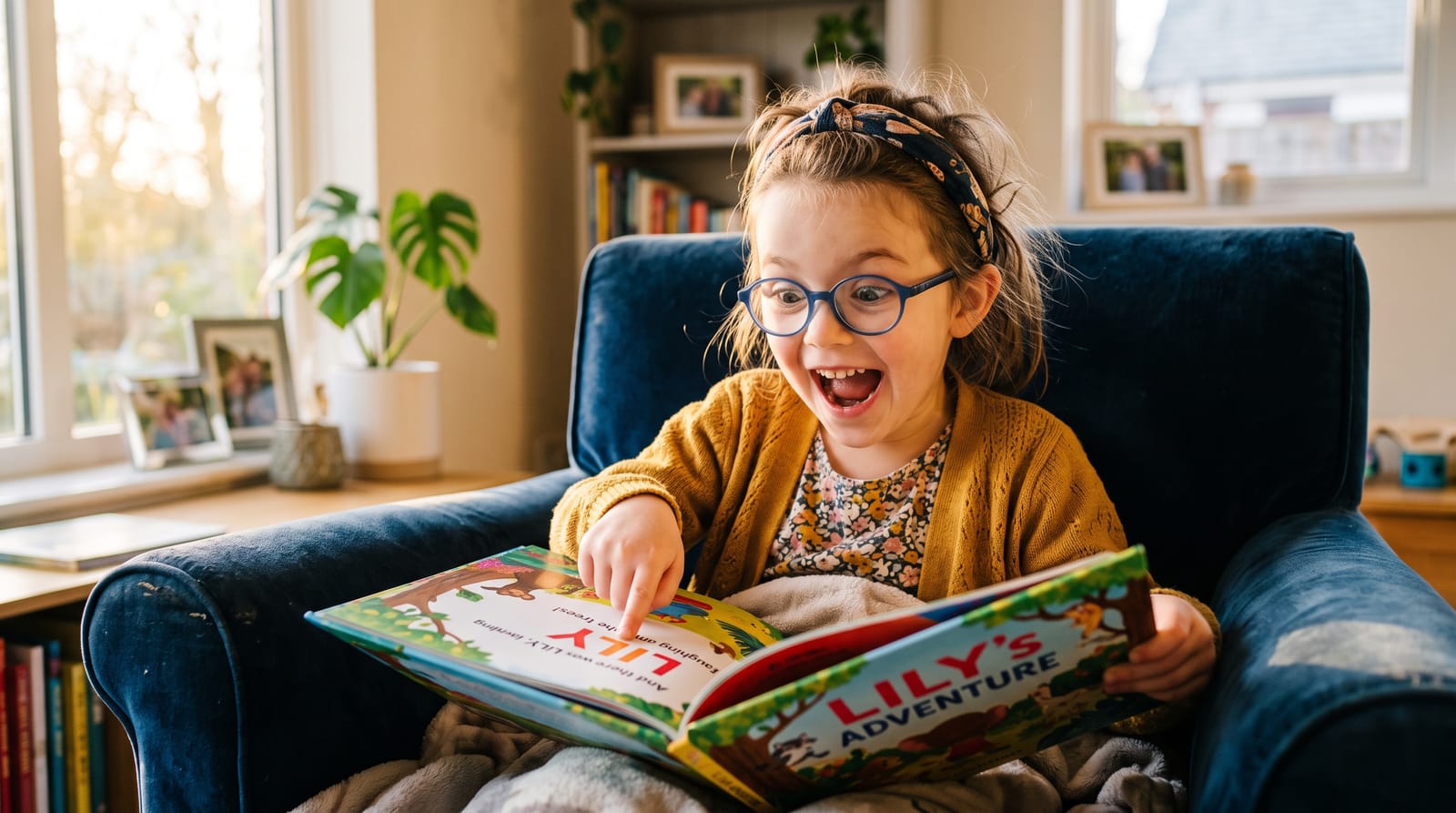
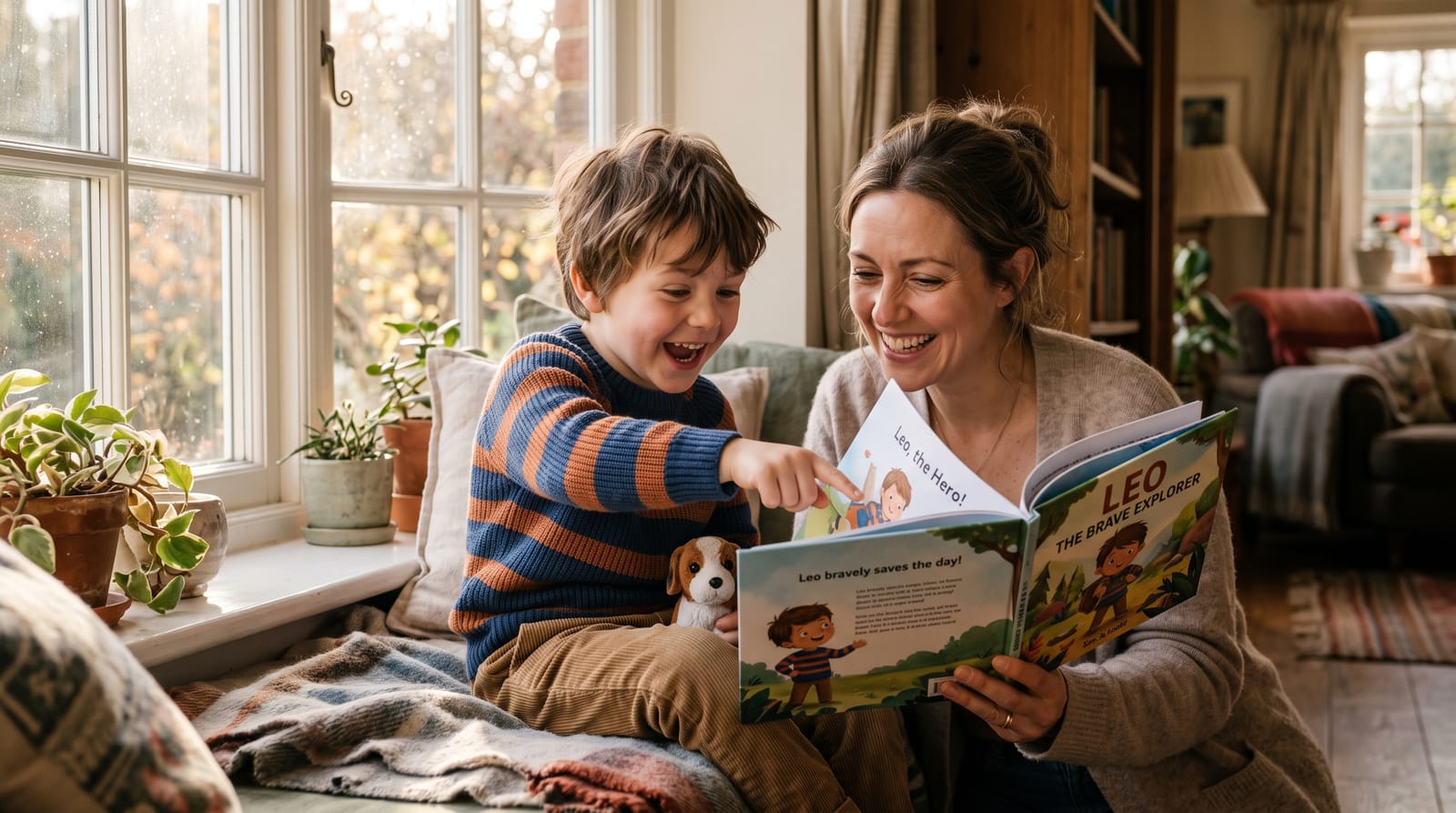
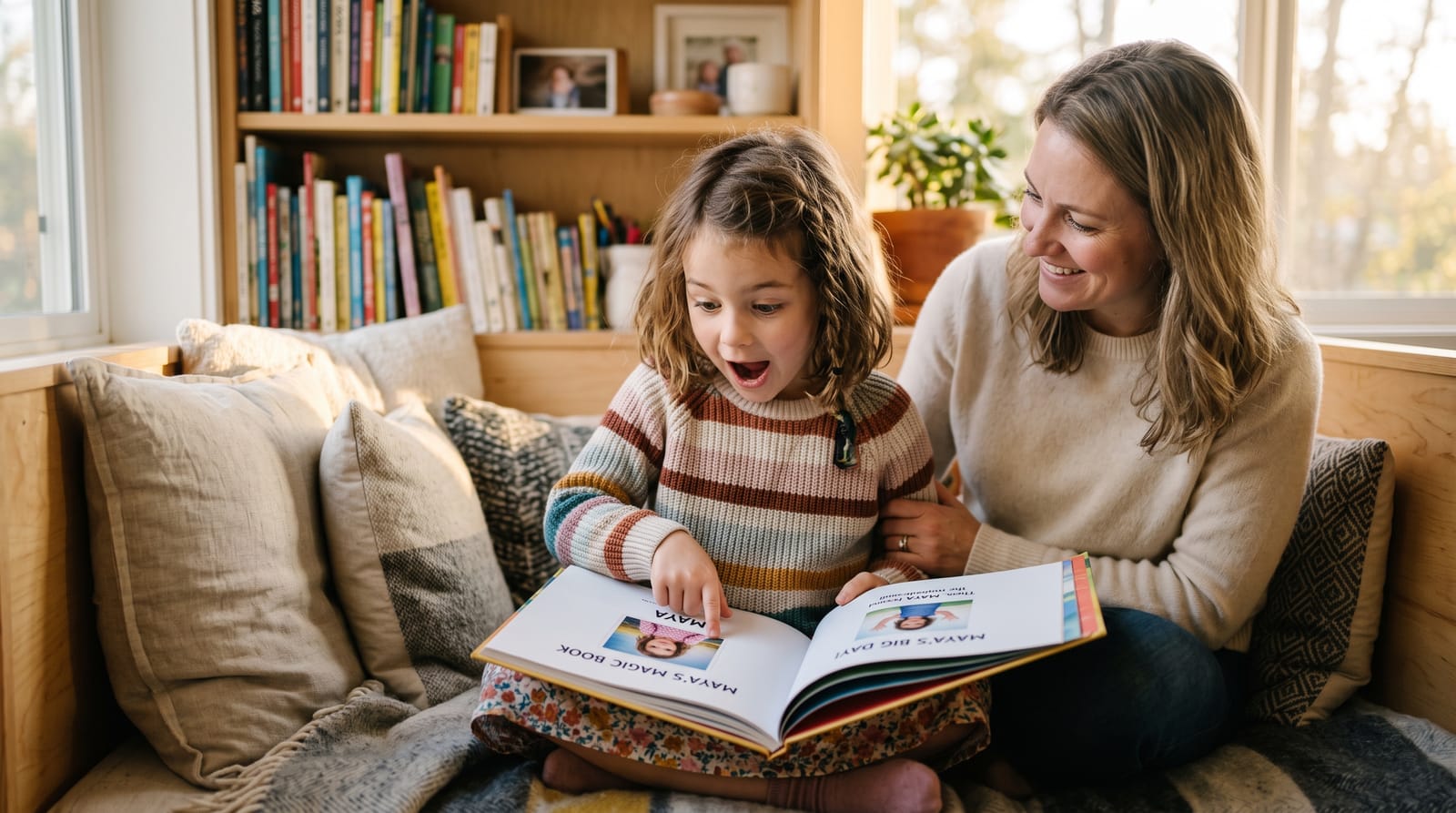
This is where the evolution of storytelling becomes essential. By integrating a child directly into the narrative, personalized books are doing more than just putting a name on a cover; they are addressing the fundamental gaps in how we use stories to teach, comfort, and connect.
The Rhythm of Change: Navigating Seasonal and Life Transitions
Every parent knows the peculiar tension that comes with a change in the seasons. Whether it’s the "cabin fever" of a long winter or the frantic energy of a school year winding down, children are incredibly sensitive to the shifts in their environment. In these moments, a picture book often serves as an anchor.
Traditional nature-themed books are wonderful for slowing down and observing the world, but they can sometimes feel like a distant observation. When a story is personalized, that transition becomes an active journey for the child. Instead of merely watching a fictional character notice the first buds of spring or the falling leaves of autumn, the child sees themselves as the explorer.
This shift from observer to participant is crucial for emotional regulation. When a child sees "themselves" navigating a change in the story, it provides a psychological blueprint for handling change in real life. It transforms a generic lesson about growth into a personal promise: I am growing, I am changing, and I am part of this world’s rhythm.
Moving Beyond Hyper-Independence: Cultivating the Good Neighbor
In our modern world, we’ve become experts at being "alone together." We can order groceries without speaking to a soul and navigate our neighborhoods behind the glass of a car window. This trend toward hyper-independence, while convenient for busy adults, can inadvertently teach our children that community is optional.
Modern picture books are increasingly focusing on the "helper" mentality—the idea that our safety and happiness are inextricably linked to the people living next door. Personalized books take this a step further by placing the child in scenarios where they are the ones extending a hand.
By featuring the child as the protagonist who practices kindness or learns to trust a neighbor, these stories bridge the gap between abstract morality and lived experience. It’s one thing to read that "most people are good"; it’s quite another to see a version of yourself participating in the small, quiet acts of service that build a community. This helps combat the "stranger danger" anxiety that often dominates modern parenting, replacing it with a grounded sense of belonging and social responsibility.
The Relevance Gap: Why Some Classics No Longer Click
We often gift the books we loved as children, only to find that the messages don't quite land the way we remembered. Some "beloved" stories from decades past can feel surprisingly one-sided or outdated in their depiction of relationships. For example, stories that praise total self-sacrifice without any sense of boundaries can be confusing for a modern child who is being taught about consent and mutual respect.
The modern picture book is evolving to reflect a more balanced view of the world—one where generosity is paired with gratitude and where relationships are a two-way street. Personalization allows parents to curate these values more effectively.
When you choose a story from a platform like StorytimeHero, you aren't just buying a book; you are selecting a narrative framework that aligns with your family’s specific culture. You can ensure that the "hero" of the story—your child—is learning about healthy giving, emotional intelligence, and the importance of being valued as an individual. This addresses the "relevance gap" by ensuring the literature in your home feels as current as the conversations you have at the dinner table.
The Science of Seeing Yourself: Why Personalization Matters
Why does seeing their own name and likeness have such a profound impact on a child’s engagement? It comes down to a mix of cognitive development and emotional safety.
- Enhanced Focus: When a child recognizes themselves in a picture book, their "self-referent" processing kicks in. This increases their attention span and helps them retain the information or "lesson" of the story more effectively than with a generic protagonist.
- Emotional Mirroring: Children use stories to rehearse for life. If the character on the page is "them," the emotional stakes are higher, but so is the sense of accomplishment when the character overcomes a hurdle.
- The "Home" Effect: A personalized book creates a sense of permanent belonging. In a world that can feel big and overwhelming, having a book where you are the center of the narrative provides a unique kind of "literary home" that promotes security.
Building a Modern Home Library
Creating a library for your child in {YEAR} isn't about replacing the classics; it's about supplementing them with stories that speak to the specific challenges of today. It’s about finding a balance between the nostalgic whimsy of the past and the practical, inclusive needs of the present.
Personalized books act as the "narrative glue" in a child’s collection. They take the themes found in broader literature—nature, community, resilience, and kindness—and make them undeniable. They turn the act of reading from a passive pastime into an active building block of identity.
As we look for ways to help our children navigate a world that is often loud and unpredictable, the simple, quiet power of a picture book remains our best tool. And when that book tells the story of the child themselves, the message doesn't just sit on the shelf—it lives in their heart.
***
FAQ: Common Questions About Personalized Picture Books
Q: Are personalized books only for younger children who are just learning to recognize their names?
A: Not at all! While the "magic" of seeing their name is a big draw for toddlers, older children (ages 4-8) benefit even more from the narrative immersion. At this age, they are developing a stronger sense of self and can more deeply process the social and emotional themes when they are the protagonist.
Q: Can personalized books help with specific behavioral issues, like shyness or anxiety?
A: Yes, very much so. By creating a "brave story" where the child navigates a situation they find scary in real life, you are providing them with a low-stakes way to rehearse courage. It’s a form of bibliotherapy that feels like a fun bedtime story.
Q: How do personalized books fit into a diverse home library?
A: Personalization is one of the most effective ways to ensure representation. It allows every child, regardless of their background, family structure, or appearance, to see themselves as the hero of a high-quality story. It fills the gaps that traditional publishing sometimes misses.
***
Related Reading
- Modern Values & Community in Picture Books
- How Personalized Books Support Modern Parenting
- Personalized Books: Representation and Embodiment
- How Personalized Books Redefine the Picture Book
By choosing to integrate personalized books into your child's daily routine, you are doing more than just encouraging literacy. You are giving them a mirror that reflects their potential and a map that shows them they belong in the world. In the ever-changing landscape of the {YEAR} picture book, that is the most valuable gift of all.
Free preview checklist
Get the personalized book gift checklist
Know what photo to use, what to write in the dedication, and what to review before ordering.