How Personalized Books Redefine the Picture Book | StorytimeHero
Upload a photo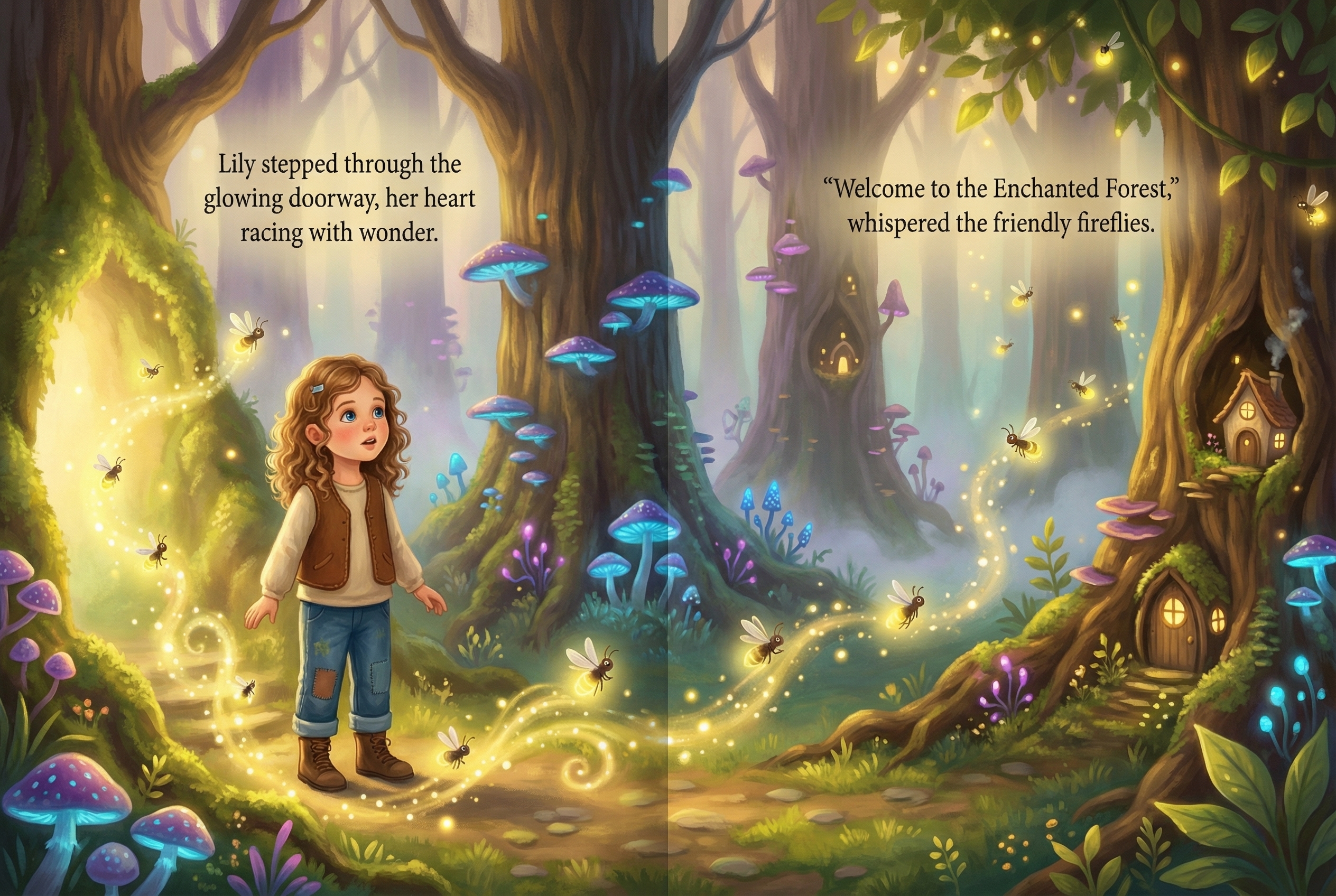
For decades, the standard picture book has served as a window—a way for children to peer into worlds different from their own, meet talking animals, or learn basic moral lessons. But as we move through {YEAR}, the role of children’s literature is undergoing a quiet but profound transformation. Parents today aren't just looking for a story to fill the twenty minutes before lights out; they are looking for tools to help their children navigate an increasingly complex, often isolated, and rapidly changing world.
While the "classics" still hold a nostalgic place on our shelves, there is a growing realization that the traditional picture book model sometimes struggles to keep pace with modern parenting values. This is where the personalized book steps in, not merely as a novelty, but as a bridge. By placing the child at the center of the narrative, personalized storytelling addresses the specific needs of the modern family: the desire for community, the requirement for healthy boundaries, and the necessity of seeing oneself as a capable, active participant in a diverse society.
The Shift from Static Lessons to Active Empathy
One of the most significant critiques of traditional children’s literature involves the way lessons are delivered. In many older stories, characters are often archetypes—the "good child," the "selfish giant," or the "sacrificial friend." While these stories were meant to instill virtues, they often lacked the nuance required for modern emotional intelligence.
Consider the concept of generosity. In the past, many stories equated love with total self-sacrifice. Today, however, we understand that healthy relationships require reciprocity and boundaries. Modern parents want their children to be kind and giving, but they also want them to understand their own worth.
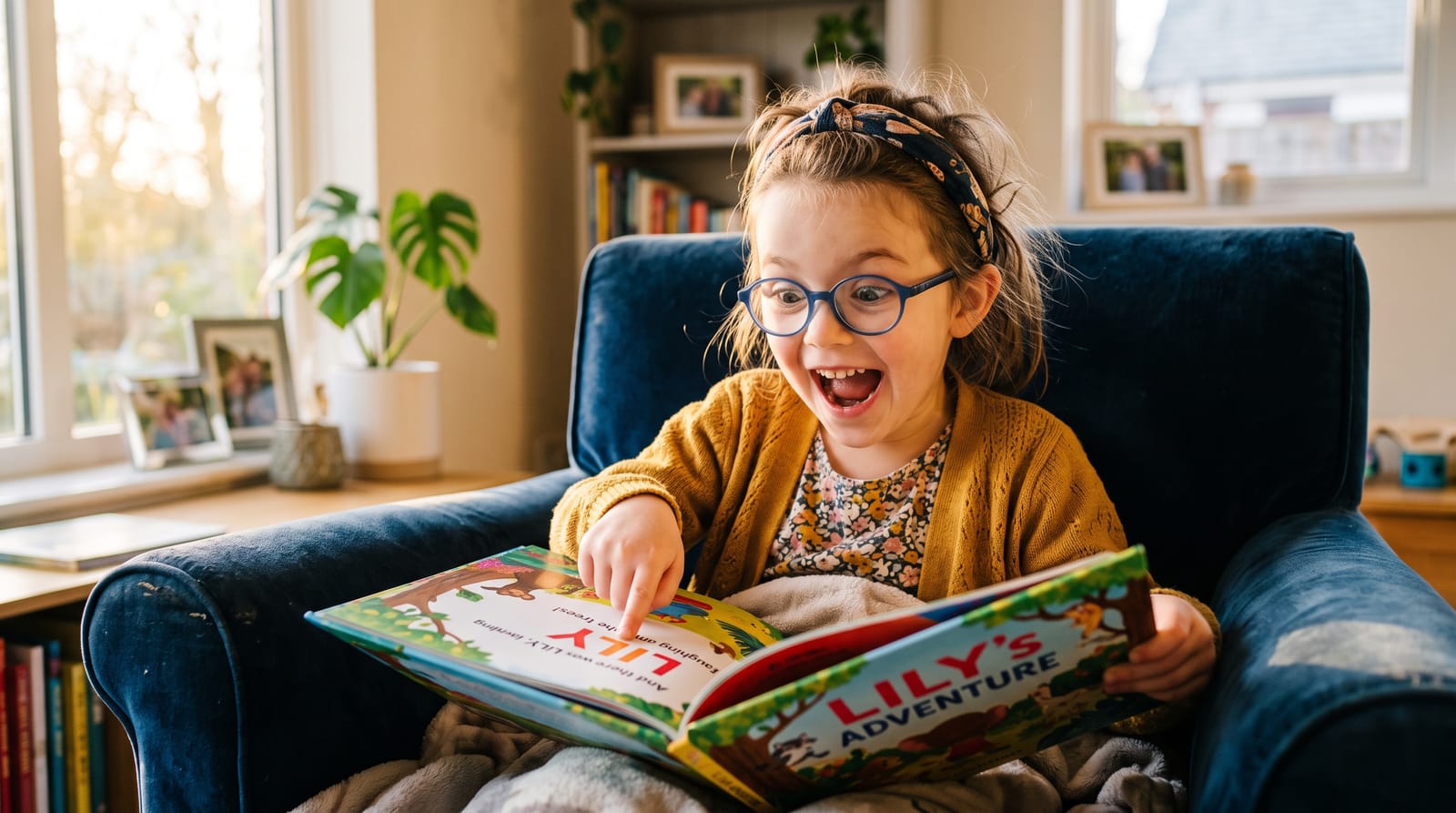
Personalized books solve this by making the child the protagonist of a "living" lesson. When a child sees themselves navigating a situation where they must share or help a friend, the lesson moves from an abstract concept to a practiced reality. It isn’t just a character on a page being kind; it is them. This shift from passive observation to active participation allows parents to discuss complex social dynamics in a way that feels safe and relevant. It transforms the picture book from a lecture into a rehearsal for real life.
Rebuilding the "Neighborhood" in a Digital Age
We live in an era of "hyper-independence." We can order groceries without speaking to a soul and navigate our entire day through a glass screen. While convenient, this shift has thinned the social fabric of our local communities. The "look for the helpers" mentality popularized by Mr. Rogers is more vital than ever, yet the physical "helpers" in our immediate neighborhoods are often strangers to our children.
This isolation creates a unique challenge: How do we teach a child to be a good neighbor when the very concept of "neighbor" has become so distant?
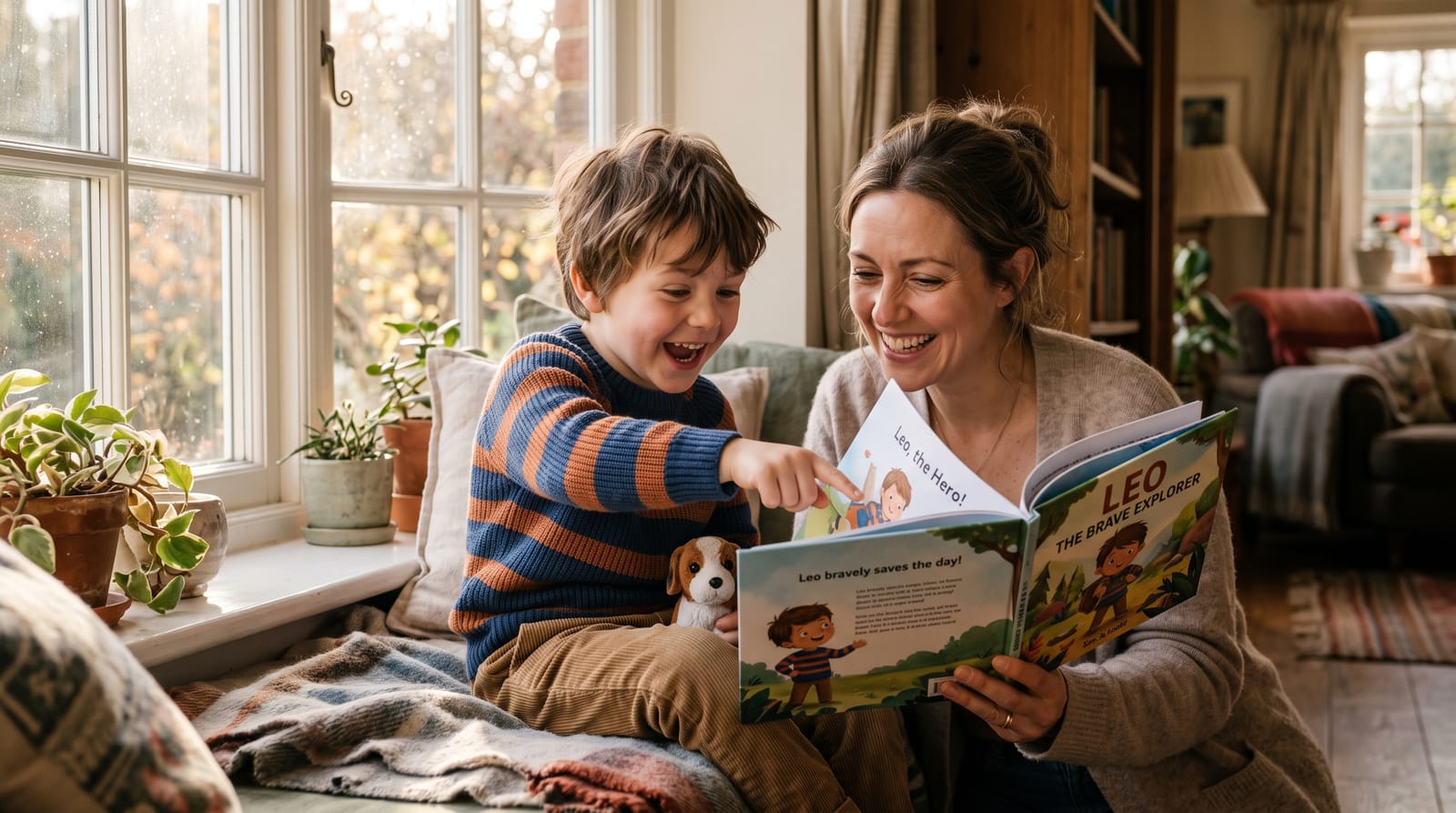
Personalized books offer a unique solution to this "relevance gap." By integrating a child’s real-world environment—their name, their likeness, and even familiar landmarks—into a story about community, these books help rebuild the mental map of what it means to belong. When a child is the "Hero" of a story about helping a neighbor or cleaning up a local park, the wall between the fictional world and their actual street begins to dissolve.
At StorytimeHero, we believe that seeing oneself as a community builder is the first step toward actually becoming one. Personalized stories reinforce the idea that the world is full of "mostly good" people and that the child has a specific, valuable role to play in keeping that goodness alive. It encourages them to look up from the screen and see the people living right next door as part of their own story.
Breaking the "History Month" Cycle: Representation as a Daily Habit
There is a long-standing trend in education and publishing to relegate certain voices to specific months of the year. We celebrate female athletes in March or Black history in February, often returning to a "default" narrative for the remaining ten months.
However, modern families are increasingly aware that representation isn't a seasonal event—it’s a daily necessity. Children need to see women as champions, people of color as innovators, and individuals with disabilities as leaders every single day. They need to see that strength and intelligence aren't confined to a specific "type" of person.
Personalized books naturally dismantle these outdated structures. Because the child is the star, the story is inherently inclusive of their identity. Furthermore, when personalized stories feature diverse supporting casts or place the child in roles traditionally reserved for specific archetypes—such as a world-class athlete or a daring explorer—it breaks down stereotypes before they can even take root.
When a young girl sees herself as the star of a story about a rock-climbing champion or a master of strategy, she isn't just reading about "female empowerment"—she is experiencing her own power. This kind of representation and embodiment ensures that the values of equality and hard work are woven into the child's self-image, rather than being treated as an external "topic" to be studied.
Why Relevance is the Key to Early Literacy
Beyond the moral and social benefits, there is a practical, educational reason why the personalized picture book is the future of the medium: engagement.
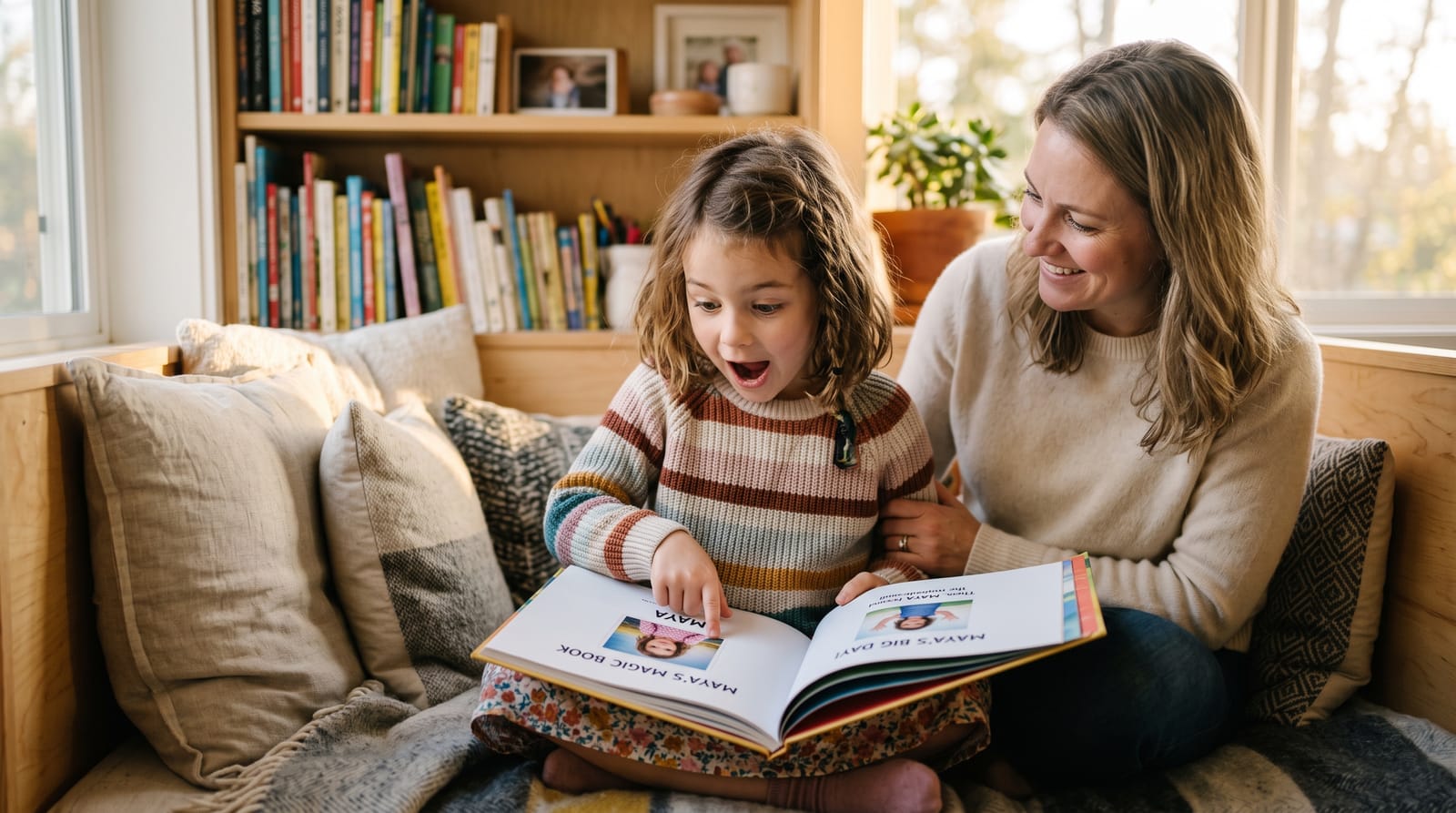
If a child feels a story is "about them," their cognitive engagement skyrockets. This is particularly important in an age where children are bombarded with high-stimulation digital content. A standard picture book might struggle to compete with a fast-paced app, but a book where the child's own name and face appear on every page carries a "magnetic" quality that few other mediums can match.
This deep engagement helps bridge what many educators call the "relevance gap." When a story feels highly relevant to a child’s life, they are more likely to:
- Develop a positive association with reading.
- Retain the vocabulary and themes presented in the text.
- Discuss the story with their parents, leading to deeper family connection.
- Request the book repeatedly, which builds the phonological awareness necessary for reading fluency.
Personalized books take the traditional strengths of the picture book—visual storytelling, rhythmic language, and shared reading time—and supercharge them with a sense of personal stakes.
The Architecture of a Modern Tradition
We often think of traditions as things handed down from the past—the old, tattered books our parents read to us. But traditions are also things we build in the present. In {YEAR}, many families are finding that personalized books are becoming their "new classics."
These stories act as a "narrative glue" for the family. They document a child’s interests, their growth, and the values their parents hold dear. Unlike a generic book that might be donated once the child outgrows the target age, a personalized story often becomes a permanent part of the family archive. It is a snapshot of who the child was at a specific moment in time and who their parents hoped they would become.
By building modern family culture, personalized stories allow parents to curate the "helpers" and heroes they want their children to emulate. It allows for a warmer, more intentional approach to bedtime—one that moves away from the "static" page and toward a living narrative.
Practical Advice for Parents: Choosing the Right Stories
As you look to expand your child’s library in {YEAR}, consider how each book—personalized or otherwise—contributes to their worldview. Here are a few questions to ask:
- Does this story reflect the world as it is today? Look for stories that move beyond old-fashioned stereotypes and embrace the diversity of modern life.
- Does it encourage active problem-solving? The best stories don't just happen to a character; the character makes choices that influence the outcome.
- Is there a balance of kindness and self-respect? Ensure the stories you read teach your child to be a good friend without losing their own voice.
- Can the child see themselves in the "Hero" role? This is where personalized books shine, allowing children of all backgrounds to see themselves as the protagonist of their own life.
Conclusion: The Future of the Picture Book
The traditional picture book is not going away, nor should it. There will always be a place for the whimsical, the abstract, and the historically significant. However, the rise of the personalized book represents a necessary evolution in how we communicate with our children.
By addressing the modern need for community, the psychological benefits of representation, and the educational power of relevance, personalized books ensure that the magic of "storytime" remains as impactful today as it was fifty years ago. At StorytimeHero, we are proud to be part of this shift, helping parents create stories that don't just sit on a shelf, but live in a child’s heart.
---
FAQ: Common Questions About Personalized Picture Books
Q: Are personalized books only for younger children?
A: While they are incredibly popular for toddlers and preschoolers due to the "name-recognition effect," personalized books are increasingly beneficial for older children (ages 6-9). For older kids, the focus shifts from seeing their name to seeing themselves navigate complex social "problems" or academic challenges, which helps build confidence during the transition to independent reading.
Q: Do personalized books replace traditional "classics"?
A: Not at all! Think of personalized books as a specialized tool in your child’s developmental toolkit. While classics provide a connection to the past and a sense of shared cultural history, personalized books provide a connection to the self and the future. A well-rounded library includes both.
Q: How do personalized books help with social-emotional learning (SEL)?
A: SEL is all about self-awareness and relationship skills. By putting the child in the story, you are providing a "safe laboratory" for them to experiment with different emotions and social responses. It allows parents to ask, "What would you do in this situation?" while the child is literally looking at a version of themselves on the page.
---
Related Reading
Free preview checklist
Get the personalized book gift checklist
Know what photo to use, what to write in the dedication, and what to review before ordering.