Modernizing the Picture Book Experience | StorytimeHero
Upload a photo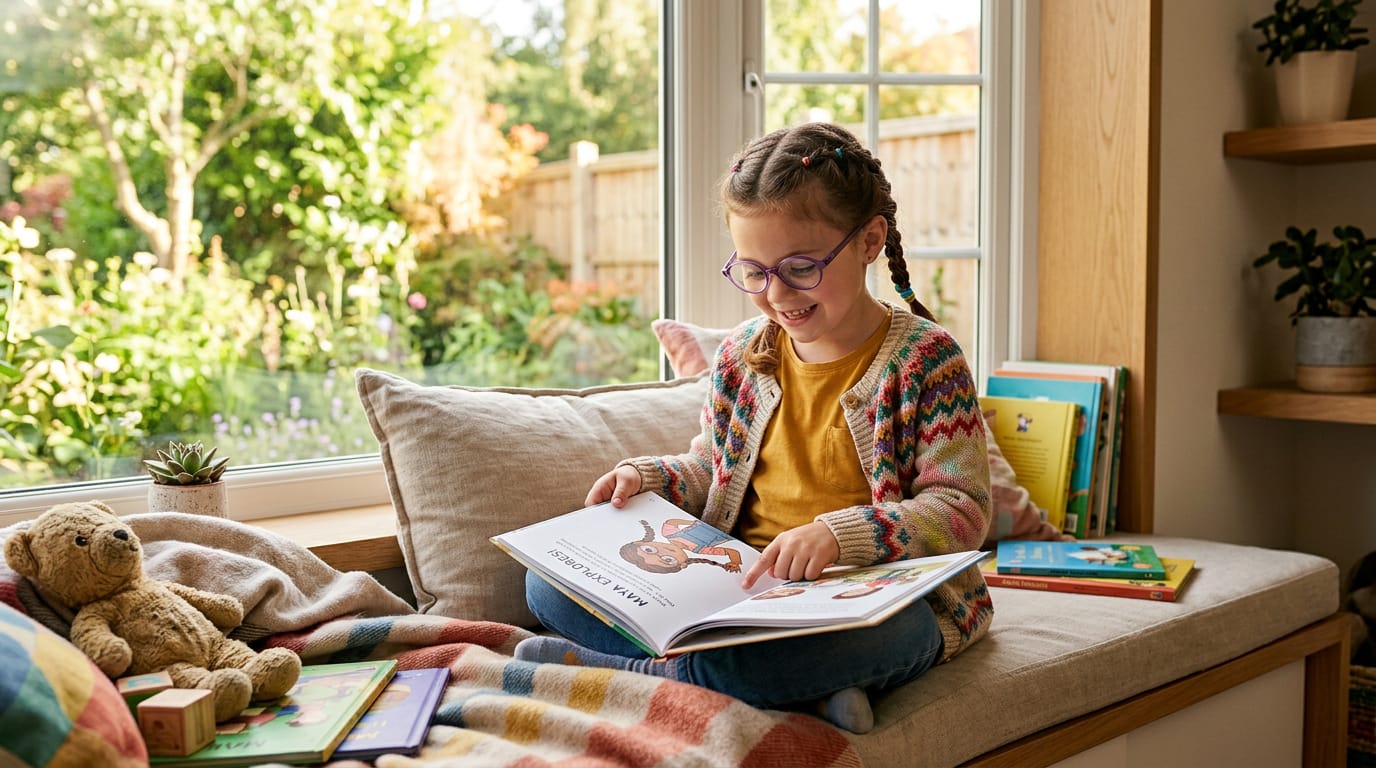
For generations, the traditional picture book has served as a cornerstone of early childhood. We remember the smell of the pages, the rhythm of the rhymes, and the comforting weight of a parent’s arm as they read to us. These stories are more than just ink and paper; they are the first maps we receive to navigate the world. However, as we move through {YEAR}, many parents and educators are realizing that the maps drawn thirty, forty, or fifty years ago don’t always reflect the landscape our children walk today.
The "classic" picture book often relies on universal archetypes—the brave explorer, the helpful animal, the selfless giver. While these tropes have their place, they can sometimes feel distant or even outdated in their messaging. This is where the evolution of storytelling takes a transformative turn. Personalized books are no longer just a novelty; they have become a vital tool for addressing the gaps in traditional children’s literature, ensuring that every child sees themselves not just as a spectator, but as the heartbeat of the narrative.
The Shift from Legacy Stories to Intentional Narratives
We often hold onto legacy picture books because of the nostalgia they evoke. We want our children to love what we loved. But when we revisit some of these older titles with modern eyes, we occasionally find themes that feel out of sync with current values. Some older stories, for instance, celebrate self-sacrifice to the point of erasure or present power dynamics that don’t encourage the healthy boundaries we try to teach our kids today.
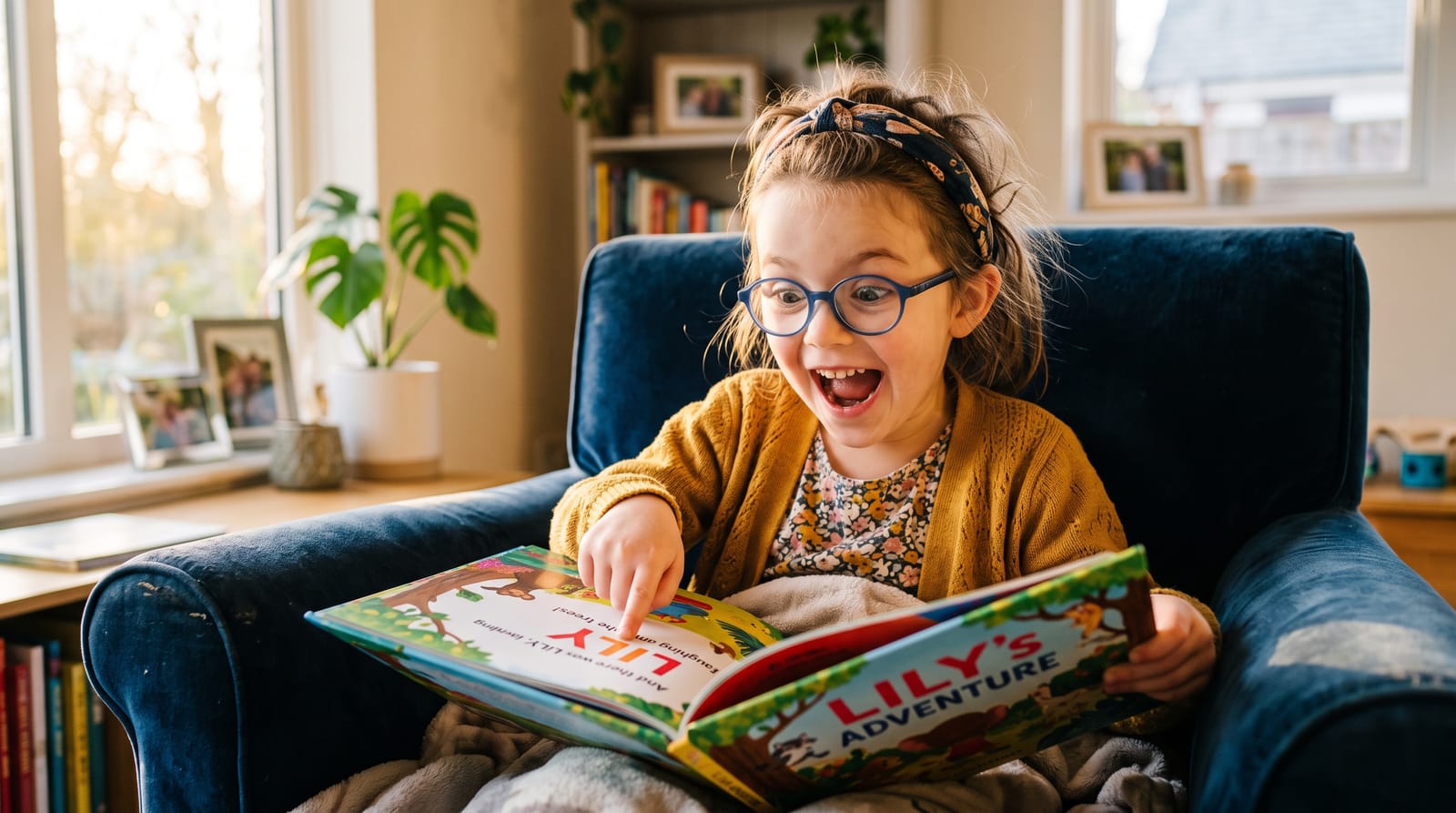
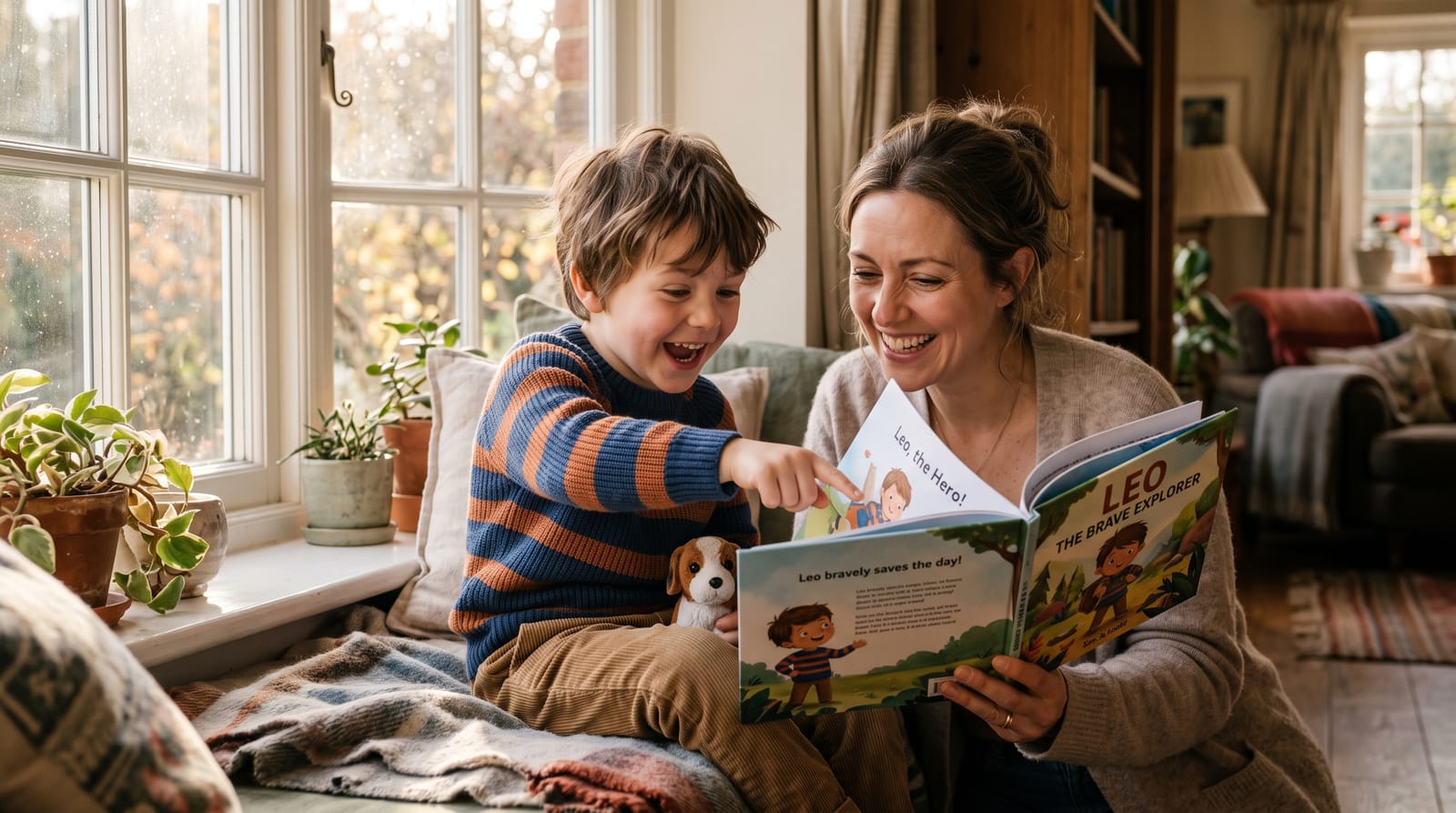
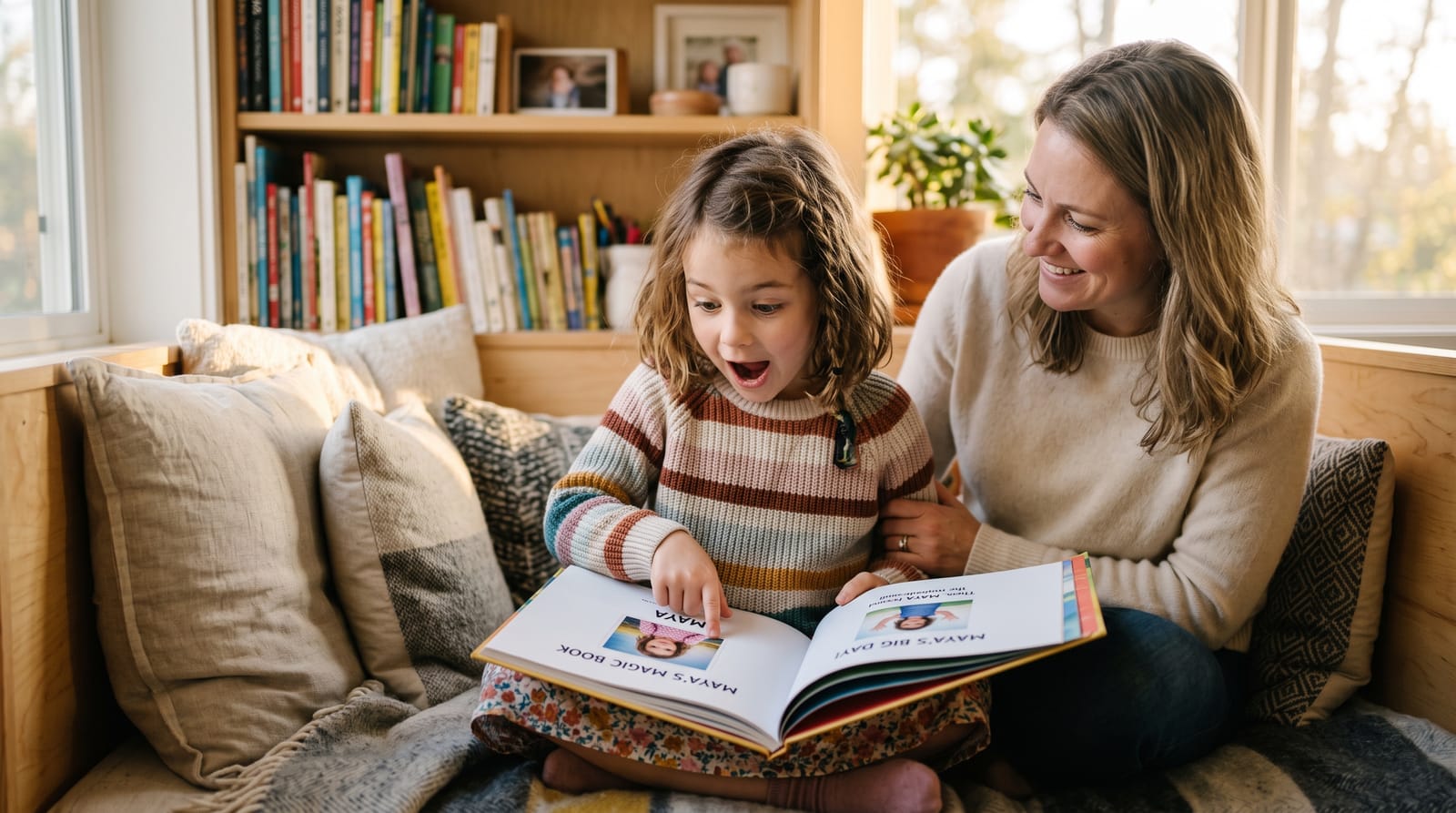
Personalized books address this by shifting the focus from a fixed, historical "lesson" to a dynamic, lived experience. When a child is the protagonist, the story becomes a conversation rather than a lecture. Parents have the opportunity to choose narratives that emphasize reciprocity, emotional intelligence, and modern social dynamics. By integrating a child’s own name and likeness into the story, StorytimeHero allows the "moral of the story" to land with more weight because it is happening to them. It transforms the reading experience from "Look at what this character did" to "Look at what you are capable of."
Representation Beyond the Seasonal Spotlight
In recent years, there has been a wonderful push for more diversity in the picture book world. We see more stories about female athletes breaking records, pioneers from various cultural backgrounds, and historical figures who were previously overlooked. This progress is essential, yet it often faces the hurdle of "seasonal" relevance—books that are pulled off the shelf only during specific months of the year.
The power of personalized books lies in their ability to make representation a permanent, daily reality. When a young girl sees herself as the star athlete in her bedtime story every night, she isn't just learning about "women in sports"; she is internalizing her own potential as a champion. This form of Personalization and the Modern Picture Book moves beyond tokenism. It ensures that the hero of the story always looks like the reader, regardless of whether that child sees themselves reflected on the "Bestseller" endcap at a local bookstore.
By making the child the hero, we bypass the limitations of traditional publishing cycles. We don't have to wait for a publisher to decide that a child’s specific identity is "marketable." In the world of personalized stories, the child’s identity is the market.
Addressing the Spectrum of Human Experience
One of the most significant challenges for the traditional picture book is capturing the nuances of how different children experience the world. Every child has a unique "internal weather." Some may process sensory information intensely; others may communicate in rhythms that don't match the standard prose of a classic tale.
Neurodiversity—the beautiful reality that our brains are wired in countless different ways—is a theme that is finally gaining traction in children’s literature. Stories that celebrate different ways of speaking, moving, and feeling help build empathy in all readers. However, personalized books take this a step further by offering "narrative accommodation."
When a story is tailored to a specific child, it can be adjusted to mirror their specific way of interacting with the surroundings. Whether it’s a story that respects a child’s need for a "quiet corner" or a narrative that celebrates a unique way of processing emotions, personalization provides a level of validation that a generic character cannot. It tells the child, "The way you move through the world isn't just okay; it's heroic." This is a key part of How Personalization Reimagines the Picture Book, turning the reading session into a safe harbor where the child’s specific needs are the blueprint for the adventure.
Breaking the "Observer" Barrier
In a standard picture book, the child is an observer. They watch a character face a problem, find a solution, and grow. This "third-person" learning is valuable, but it lacks the visceral impact of first-person embodiment.
Psychologically, when a child hears their name in a story, their level of engagement spikes. This isn't just about ego; it's about cognitive resonance. When the protagonist of a picture book shares the reader's name, the child’s brain begins to "rehearse" the actions in the story. If the character is brave, the child feels brave. If the character is kind, the child sees themselves as a person who practices kindness.
Personalized books act as a bridge between the abstract world of "once upon a time" and the concrete world of the child’s daily life. This connection is what we call How Personalization Reshapes the Picture Book. It turns the act of reading into an act of identity formation. The child isn't just learning to read; they are learning who they are and what they can achieve.
The Role of StorytimeHero in the New Literary Landscape
At StorytimeHero, we believe that the next chapter of children’s literature is one where the child is the co-author of their own identity. We recognize that the modern parent is looking for more than just a distraction; they are looking for tools to help their children navigate a complex, diverse, and rapidly changing world.
Our approach to personalized books is rooted in the idea of "warmth and wisdom." We don't just put a name on a page; we create environments where a child can explore their potential. Whether it’s tackling a new challenge, celebrating a milestone, or simply finding magic in the mundane, our stories are designed to be "living mirrors." They reflect the best versions of our children back to them, helping them build the confidence they need to step off the page and into their own lives with purpose.
Creating New Traditions for a New Generation
While we will always have a place on our shelves for the classics that shaped us, we must also make room for stories that speak to the specific needs of today's children. The picture book is evolving from a static object into a personalized experience.
By choosing stories that prioritize modern values, inclusive representation, and neurodivergent validation, we are doing more than just reading. We are building a foundation of belonging. We are ensuring that no child ever has to wonder if they "fit" into the world of stories. In a personalized book, the world is built around them.
As we look toward the future of storytelling in {YEAR}, the goal is clear: to move from books that tell children who they should be, to books that celebrate who they are. This is the ultimate gift of the personalized narrative—it turns every bedtime into a celebration of the unique, wonderful, and heroic child sitting right there in your lap.
---
FAQ: What Parents Ask About Modern Personalized Books
Related Reading
If you enjoyed this exploration of how the picture book is changing, you might find these other articles from StorytimeHero helpful:
- How Personalized Books Evolve the Picture Book – A deep dive into the technological and narrative shifts in modern publishing.
- How Personalized Books Address the Modern Picture Book – Understanding the move toward more inclusive and intentional storytelling.
- Personalization and the Modern Picture Book – Exploring the psychological impact of seeing oneself as the hero.
- How Personalization Transforms the Picture Book – A look at how custom narratives are changing the way families bond over stories.
- The Evolution of the Modern Picture Book – Trends to watch in the world of children’s literature for {YEAR}.
Free preview checklist
Get the personalized book gift checklist
Know what photo to use, what to write in the dedication, and what to review before ordering.