The Living Page: Personalized Picture Book Innovation | StorytimeHero
Upload a photo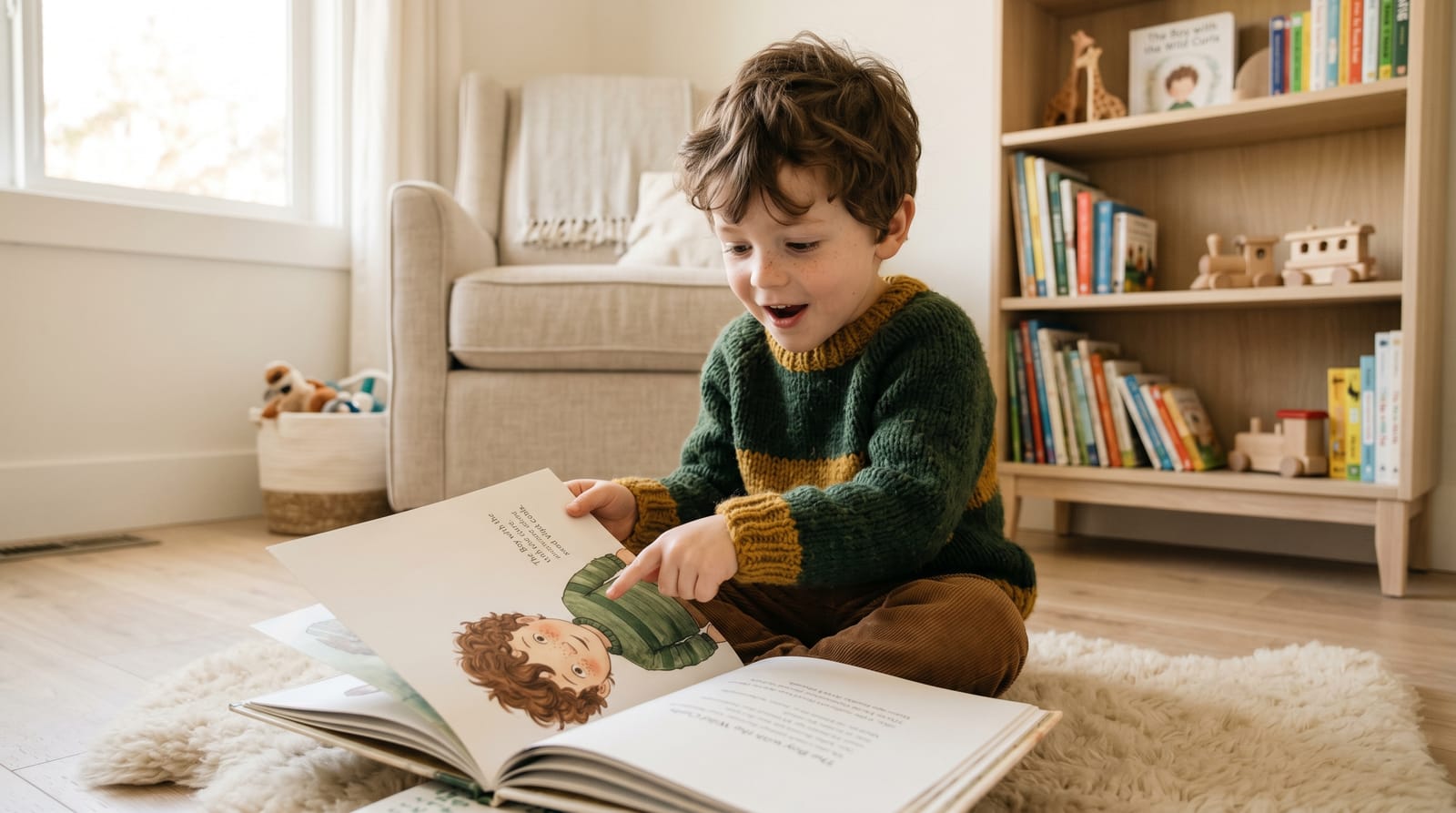
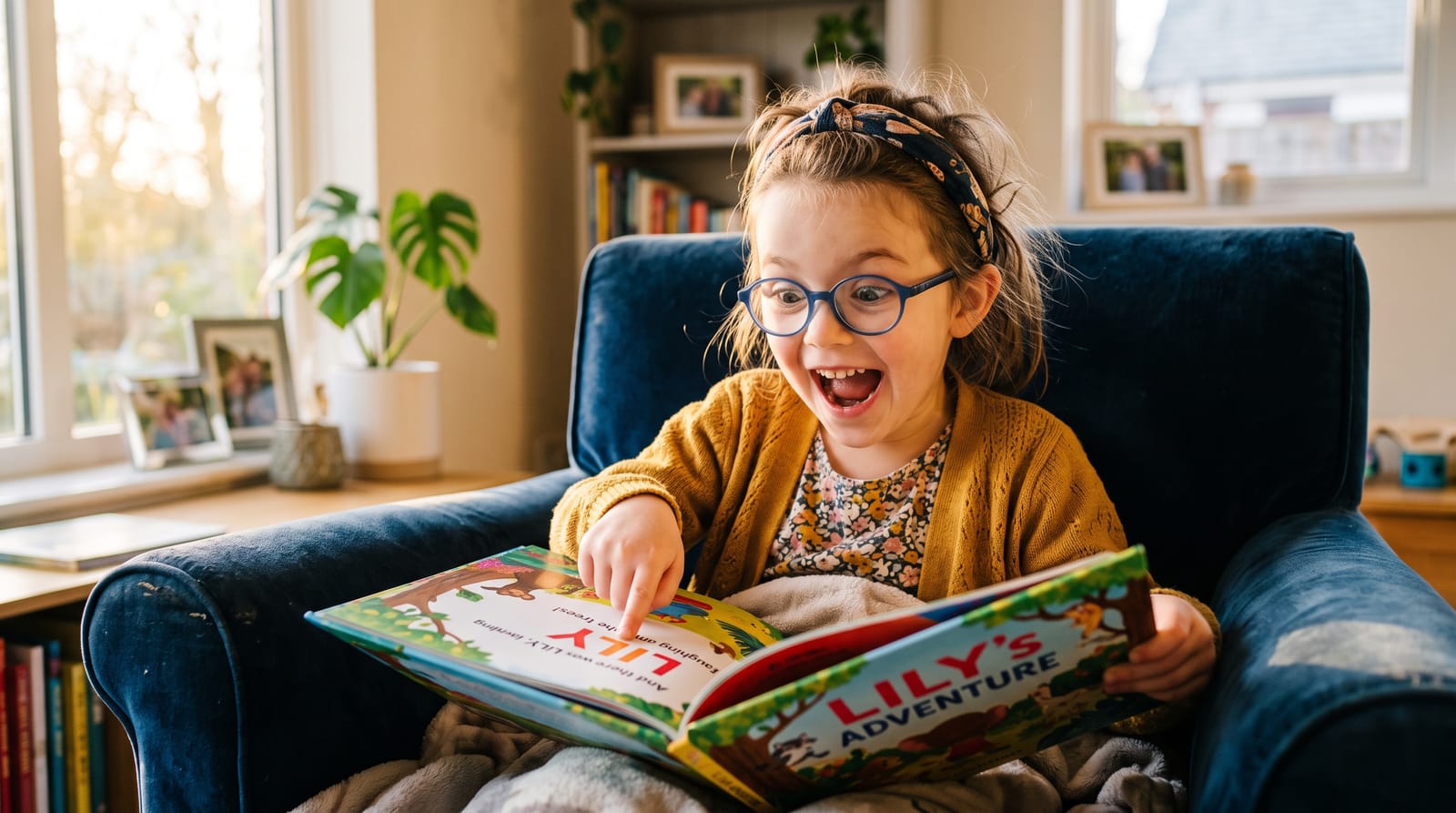
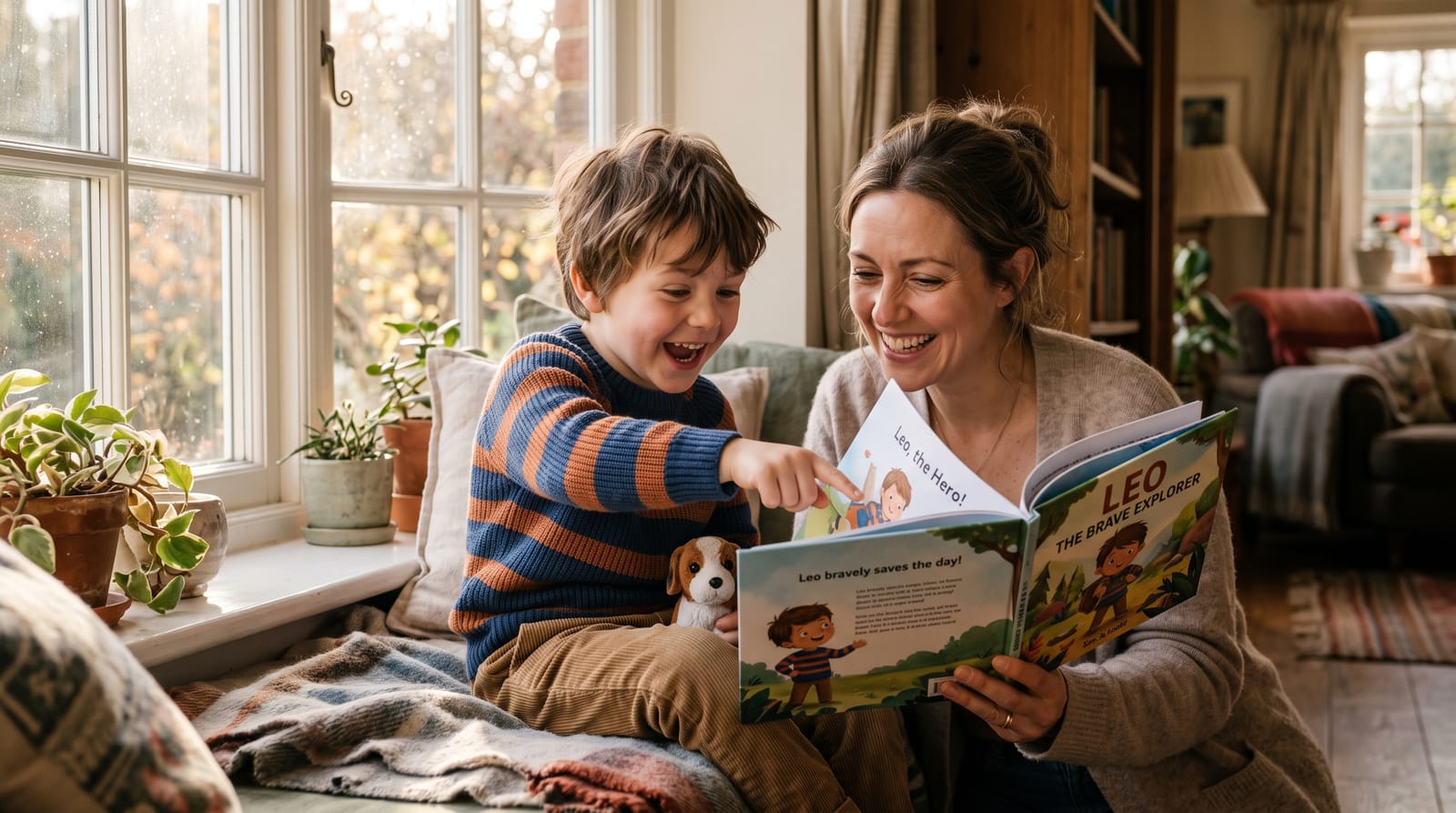
There is a distinct magic that happens when a child opens a new picture book. It is the sound of a fresh spine cracking, the scent of ink on paper, and the immediate, visual immersion into a world that didn’t exist moments before. For decades, these books have served as the first windows through which our children view the world. However, as we move through {YEAR}, the traditional picture book is undergoing a quiet but profound transformation.
At StorytimeHero, we’ve watched this evolution closely. Parents today are looking for more than just a bedtime distraction; they are looking for "mirrors and windows"—stories that reflect their child's own life while opening doors to experiences far beyond their front porch. While the publishing world has made incredible strides in diversity and thematic depth, there is one frontier that traditional publishing often struggles to reach: the deeply personal, individual connection.
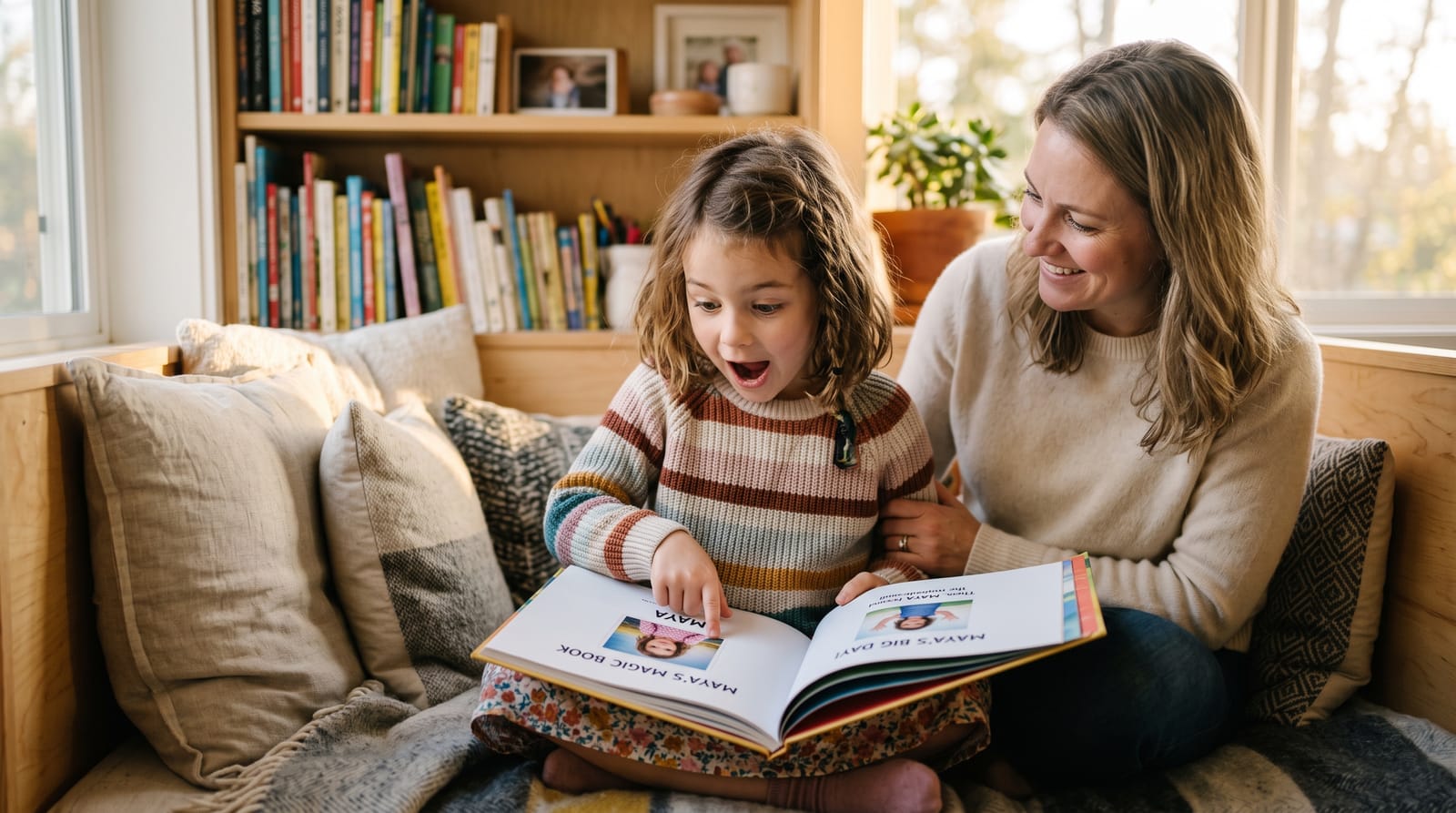
This is where personalized books step in. By weaving a child’s own identity into the fabric of high-quality narratives, we aren't just changing a name on a page; we are evolving the very nature of what a picture book can do.
Moving Beyond Categories: The Power of the Particular
In recent years, there has been a wonderful push toward better representation in children’s literature. We see more stories from Asian American, Pacific Islander, and various other communities that have historically been sidelined. However, as many authors and critics have pointed out, "representation" is often treated as a broad category or an acronym rather than a collection of distinct, vibrant lives.
A picture book about a "culture" is a start, but a picture book about a specific ritual—like the intricate process of dyeing fabric with indigo or the sensory details of a bustling market in the Philippines—is where the real heart lies. These specificities are what make a story feel real.
Personalized books take this concept of "the particular" to its logical conclusion. When a child sees themselves navigating a story that respects these fine-grained details, the "window" of the book becomes a "doorway." Instead of reading about someone else’s heritage or experience, the child is invited to inhabit it. This bridges the gap between observing a diverse world and feeling like an active, welcomed participant in it. By placing a specific child at the center of a nuanced world, we move away from "category-based" reading and toward "individual-based" discovery.
For more on how this connection works, you might explore how personalization grounds modern picture book themes.
The Rise of Cozy Fantasy and Rich World-Building
If you’ve spent any time in a library lately, you’ve likely noticed that fantasy for the younger set is having a "moment." But it isn't the high-stakes, scary fantasy of the past. Instead, we are seeing a surge in "cozy fantasy"—stories that feel like a warm hug. These books often revolve around themes of community, food, and gentle world-building. Think of dragons who would rather bake bread than hoard gold, or cafes built on the edge of enchanted woods where the biggest conflict is finding the right recipe.
Why does this matter for the modern picture book? Because world-building is a form of safety. When a world is rich, detailed, and consistent, a child feels secure exploring it. It provides a container for their imagination to grow without fear.
When we introduce personalization into these cozy, fantastical spaces, the impact is doubled. Imagine a child who struggles with the "real world" being the protagonist of a story where they are the ones befriending the tiny dragon or running the monster-filled cafe. This doesn't just entertain; it builds a sense of belonging. The child isn't just a guest in a magical world; they are the hero that makes that world function. This sense of agency is a powerful tool for emotional development, blending the whimsy of the fantastic with the grounding reality of their own name and likeness.
Understanding this balance is key to shaping modern childhood through personalized narratives, where the lines between the "real" and the "imagined" blur in the most helpful ways.
Stories as Toolkits: Addressing Real-World Resilience
Beyond fantasy and cultural exploration, the modern picture book has become a vital tool for navigating the "rough spots" of childhood. We are seeing more books that tackle specific hurdles: food allergies, the fear of the outdoors, or the struggle to maintain a "growth mindset" when a project fails.
Traditional books on these topics are wonderful, but they can sometimes feel like "lesson books." A child might recognize that the character on the page is having a hard time, but there is still a layer of separation.
Personalized books remove that layer. When the story is about you navigating a food allergy at a birthday party, or you learning to try again after a drawing doesn't turn out right, the "lesson" becomes a lived experience. It transforms the book from a lecture into a rehearsal. The child practices resilience within the safety of the page. This is particularly effective for children who may feel "different" due to health issues or personality quirks. Seeing themselves as the successful problem-solver in a beautifully illustrated book builds a narrative of competence that they carry into their actual lives.
Why Personalization is the Missing Piece
You might wonder: if traditional picture books are getting so much better, why do we need personalization?
The answer lies in the "Protagonist Effect." Research consistently shows that children are more engaged, retain more information, and show higher levels of empathy when they identify strongly with the main character. In a standard picture book, that identification happens through imagination. In a personalized book, it happens through recognition.
By combining the high-level artistry and thematic depth of modern picture book trends with the unique identity of the reader, we create a "Living Narrative." This isn't just about seeing a name; it's about the child realizing that they are worthy of being the center of a grand adventure, a complex cultural journey, or a cozy magical mystery.
We invite you to see how this fits into the broader landscape of modern picture book trends and personalization. It is an exciting time to be a reader (and a parent of a reader!), as the tools we use to tell stories finally catch up to the unique, diverse, and wonderful reality of the children who read them.
The StorytimeHero Philosophy: Warmth, Helpfulness, and Heart
At StorytimeHero, we don't view ourselves as just a technology company. We see ourselves as partners in your child's developmental journey. We believe that every child deserves a library that reflects their potential.
Our approach to the picture book is one of "intentional personalization." We don't just "plug and play." We look for themes that matter—nature, community, resilience, and wonder—and we build worlds where your child can truly belong. Whether they are exploring the great outdoors or learning the value of a quiet moment, they are doing so as the hero of their own story.
In {YEAR}, the definition of a "classic" picture book is changing. It is no longer just a story that stays on the shelf for generations; it is a story that lives in a child’s heart because it was written, quite literally, for them.
---
FAQ: Common Questions About Personalized Picture Books
1. Are personalized books as high-quality as the books I find in a bookstore?
Absolutely. At StorytimeHero, we prioritize "bookstore-quality" illustrations and narrative arcs. The goal is for the personalization to feel like a seamless part of a professional, beautiful picture book, rather than an afterthought.
2. Does seeing themselves in a book limit a child's empathy for others?
Actually, the opposite is true! When a child feels seen and validated in their own stories, they develop a "secure base" of identity. This security makes them more curious and empathetic toward others. Personalization acts as the "mirror" that gives them the confidence to look through the "windows" of other stories.
3. What age is best for a personalized picture book?
While children of all ages love seeing themselves as heroes, the "sweet spot" is typically between ages 3 and 8. This is the stage where children are developing their self-concept and are most enchanted by the magic of seeing their own name and likeness in a professional narrative.
4. Can personalized books help with specific behavioral or emotional challenges?
Yes. By placing the child in a scenario where they successfully navigate a challenge (like trying new foods or staying calm in a new environment), the book acts as a form of "positive modeling." It allows them to visualize success, which is a key component of building real-world confidence.
---
Related Reading from StorytimeHero
If you enjoyed this exploration of the modern picture book, you might find these other articles helpful as you build your child's home library:
- **Grounding Cosmic Dreams in This-World Reality:** How to balance big imaginations with everyday lessons.
- **The Evolution of the Modern Picture Book:** A deeper look at how storytelling has changed over the last decade.
- **Why Kids Read More When They're the Main Character:** The science behind engagement and personalization.
- **Unique Personalized Book Gifts They'll Actually Keep:** How to choose books that become lifelong treasures rather than temporary toys.
The world of children's literature is vast and ever-changing, but the heart of it remains the same: a parent and a child, a quiet room, and a story that makes the world feel a little bit bigger—and a little bit more like home. In {YEAR}, we are proud to help you make those stories more personal than ever before.
Free preview checklist
Get the personalized book gift checklist
Know what photo to use, what to write in the dedication, and what to review before ordering.