Grounding Cosmic Dreams in This-World Reality | StorytimeHero
Start a cover preview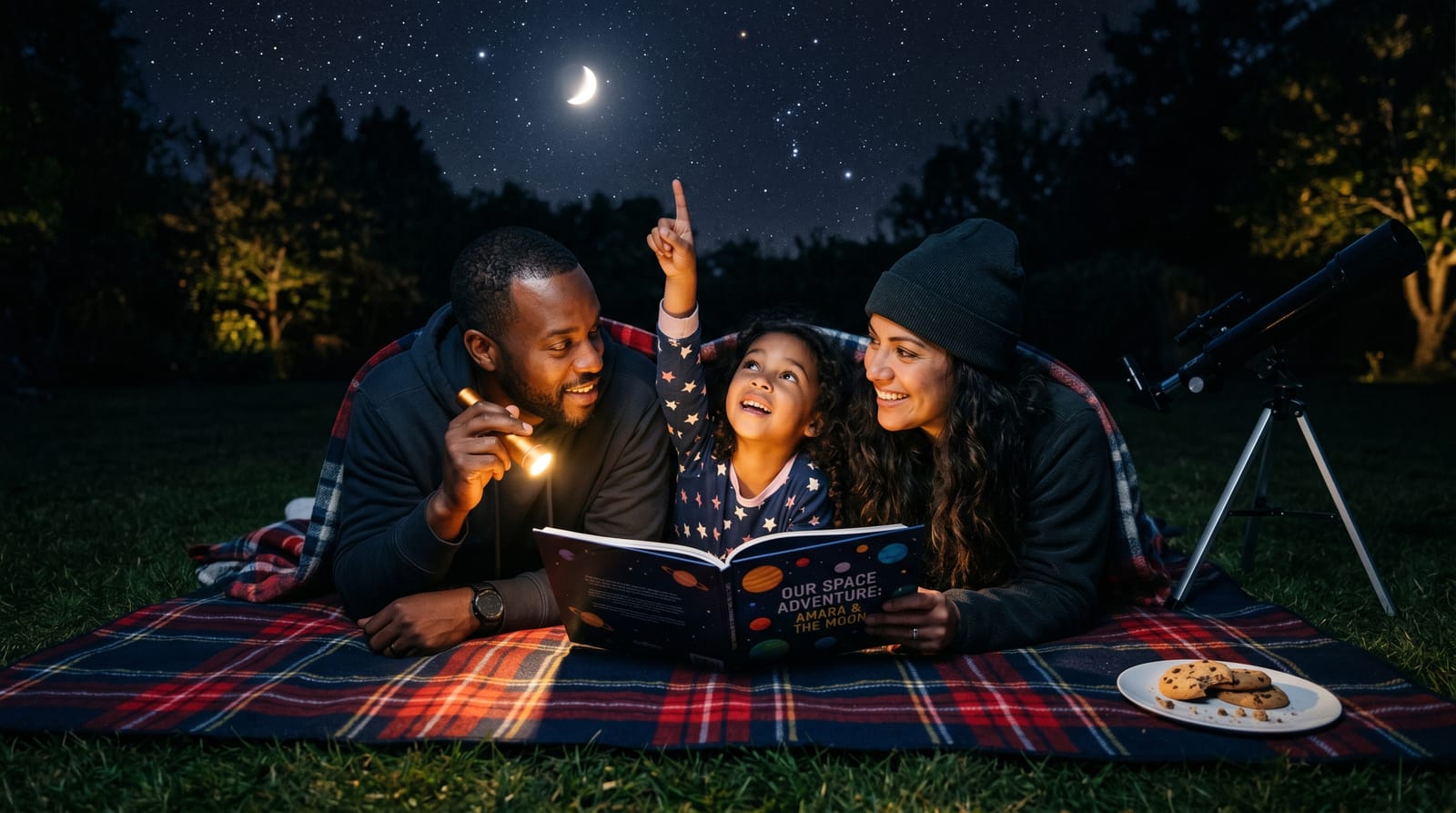
For a child, the night sky isn't just a collection of distant gas giants and burning stars; it is a canvas of infinite possibility. When a young reader looks up at the moon, they aren't just seeing a celestial satellite—they are seeing a potential destination. However, there is often a vast emotional distance between the awe-inspiring mysteries of the universe and the "this-world" reality of a child’s bedroom.
As parents and educators, we often find ourselves wondering how to bridge that gap. How do we take the massive, sometimes overwhelming concepts of astrophysics, NASA missions, and galactic exploration and make them feel personal, achievable, and grounded? This is where the magic of the personalized narrative comes into play. By placing a child at the center of the cosmic story, we transform abstract "out of this world" concepts into tangible, "this-world" milestones.
The Artemis Generation: Why Space Matters More Than Ever in {YEAR}
We are currently living through a second "Space Race," but this one feels different. With the Artemis missions aiming to put the first woman and the next man on the moon, space travel has transitioned from a historical memory into a living, breathing current event. Children today aren't just reading about Apollo 11 in history books; they are watching live streams of rover landings and private rocket launches.
This heightened visibility creates a unique psychological environment. Space is no longer just for "geniuses" or "superheroes"; it is a career path, a scientific frontier, and a playground for the imagination. However, for a child to believe they can contribute to this future, they need more than just facts. They need to see themselves in the suit.
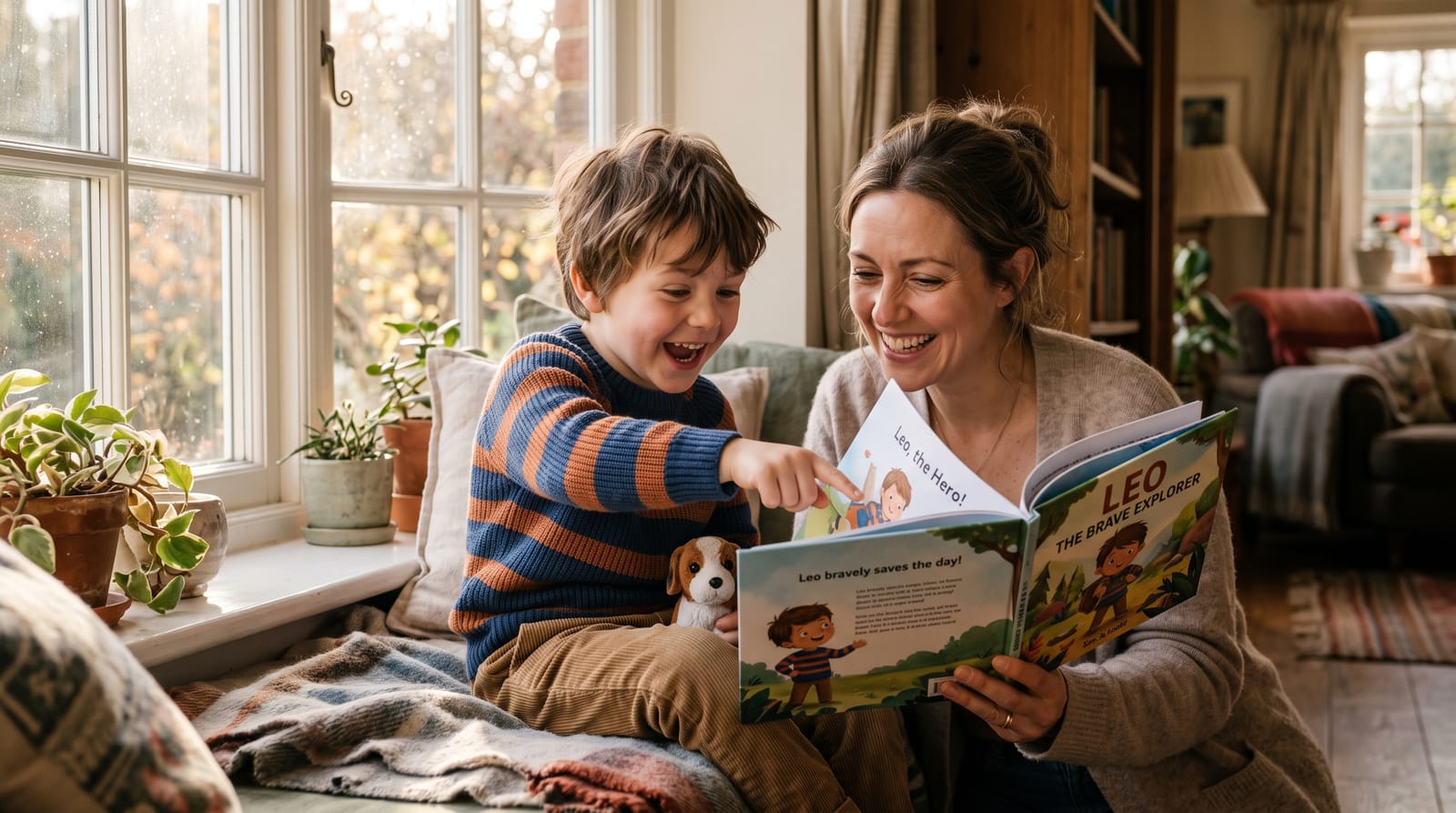
Personalized books act as a bridge. When a story identifies the child by name and places them in the commander’s seat, the "this-world" limitations of being "too small" or "just a kid" begin to evaporate. The narrative reinforces the idea that the universe isn't just something to look at—it’s something to participate in.
From Screen Time to Starlight: Addressing the "Look Up" Dilemma
One of the greatest challenges for modern parents is the pull of the digital world. It is a common "this-world" struggle: how do we encourage a child to put down the tablet and look at the stars? The source of the problem is often that the digital world is highly personalized and interactive, while traditional books can sometimes feel like a passive experience.
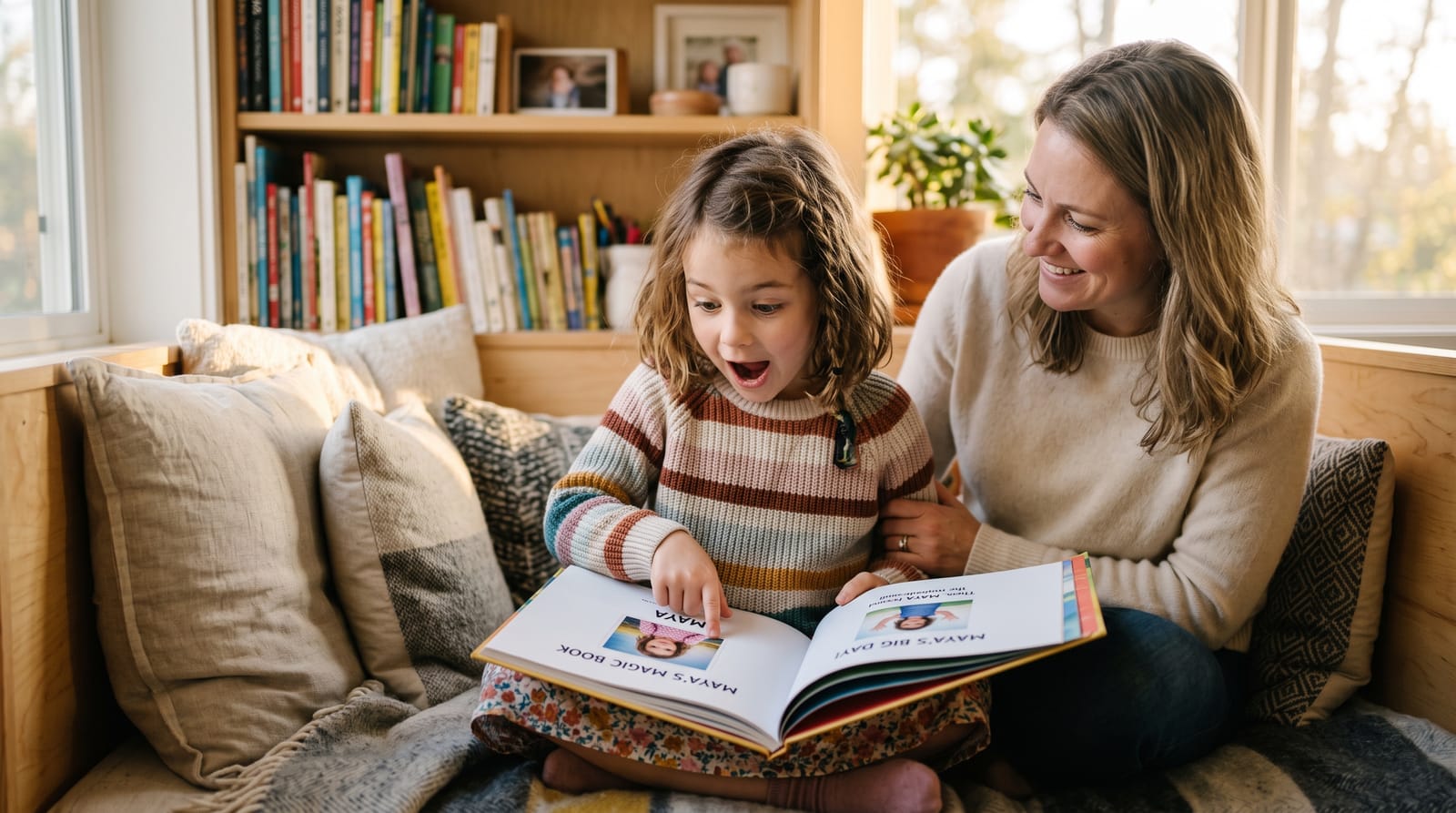
Personalized books solve this by bringing the interactivity of the digital age to the tactile, focused world of print. When a child sees their own name or likeness integrated into a story about the constellations, the book becomes as "sticky" as any app. It encourages them to look up from their immediate surroundings and engage with the broader universe.
By tying cosmic wonder to the child's own identity, we help them develop a sense of "this-world" presence. They learn that they are part of a larger ecosystem—a galaxy that is vast, yes, but one where they have a specific place and a unique story to tell. For more on how these stories ground a child's experience, see our guide on grounding the picture book experience.
The Psychology of Representation: Seeing is Believing
For decades, the "face" of space exploration was somewhat limited. Today, we know that diversity in STEM is crucial for innovation. Children need to know that NASA and other space agencies are looking for explorers from every background, every gender, and every walk of life.
Personalized books serve as a powerful tool for representation. When a child who may not see many people who look like them in traditional media becomes the protagonist of a space-themed book, it changes their "this-world" trajectory. It moves the dream of being an astronaut from the category of "impossible" to the category of "inevitable."
This is particularly important for middle-grade readers who are beginning to form their academic identities. A book that casts them as a scientist or an engineer can spark a lifelong interest in math and science. You can read more about this developmental stage in our article on Personalized Middle-Grade Books & Tween Identity.
Building "This-World" Skills Through Galactic Adventures
While space books are filled with aliens, black holes, and zero-gravity fun, the lessons they teach are deeply rooted in "this-world" values. To survive a fictional trip to Mars, a character needs:
- Resilience: The ability to fix a problem when things go wrong.
- Curiosity: The drive to ask "why" and "how."
- Teamwork: The understanding that we go further when we go together.
- Observation: The skill of looking closely at the world (or planet) around them.
When these stories are personalized, the child isn't just watching a character be brave—they are practicing bravery themselves. They are the ones making the decisions; they are the ones solving the lunar mystery. This builds a sense of agency that carries over into their schoolwork, their friendships, and their daily challenges. It’s about bridging fantasy and resilience in a way that feels natural and empowering.
The Role of the Parent as a Co-Navigator
Storytime is rarely a solo activity. When a parent reads a personalized space book with their child, they are acting as a flight controller to the child’s pilot. This shared experience strengthens the bond between parent and child, creating a safe space to discuss big questions: How big is the universe? Are we alone? What would happen if we fell into a black hole?
These "this-world" conversations are where the real learning happens. A personalized book acts as a prompt, inviting the child to share their fears and their fascinations. It turns a standard bedtime routine into an intentional moment of connection. If you’re looking for ways to make these moments last, explore the best-keep strategy for kids' books to ensure these stories remain part of your family’s legacy.
Practical Tips for Bringing the Universe Home
If your child is currently obsessed with the stars, you can use personalized books as a springboard for other "this-world" activities:
- Create a Moon Journal: After reading a story about the moon, spend a month tracking its phases together.
- Build a "Mission Control": Use cardboard boxes to create a cockpit where the child can "re-enact" the scenes from their personalized book.
- Visit a Planetarium: Seeing the stars on a grand scale after reading about themselves in space can be a transformative experience for a young mind.
- Stargazing Picnics: Take a blanket outside and try to find the constellations mentioned in your stories.
By combining the personal touch of StorytimeHero books with real-world exploration, you are teaching your child that their imagination is a tool for understanding reality, not just escaping it.
Conclusion: Making the Universe Feel Like Home
The universe is vast, cold, and often intimidating. But through the lens of a personalized story, it becomes a place of warmth, discovery, and belonging. By addressing the "this-world" needs of children—the need to be seen, the need to feel capable, and the need to connect with their parents—personalized books turn the distant stars into a familiar neighborhood.
Whether your child dreams of being the first person on Mars or simply wants to know why the moon follows them home at night, putting them at the center of the narrative is the best way to ensure those dreams stay grounded in a foundation of confidence and curiosity.
---
FAQ: Space, Stories, and Your Child
Q: Are space-themed personalized books suitable for very young children?
A: Absolutely! For toddlers and preschoolers, the focus is often on the visual wonder of the stars and the moon. Personalization at this age helps with name recognition and creates an early positive association with reading.
Q: My child is more interested in aliens than real science. Is that okay?
A: Of course. Fantasy and science fiction are the gateways to real scientific curiosity. A story about meeting a friendly alien can teach empathy and communication, which are essential "this-world" skills.
Q: How do personalized books help with "screen addiction"?
A: By making the child the protagonist, the book offers a level of engagement that rivals video games. It provides a "lean-in" experience where the child is active in the narrative, rather than just a passive observer.
---
Related Reading
Free preview checklist
Get the personalized book gift checklist
Know what photo to use, what to write in the dedication, and what to review before ordering.