Grounding the Picture Book Experience | StorytimeHero
Upload a photo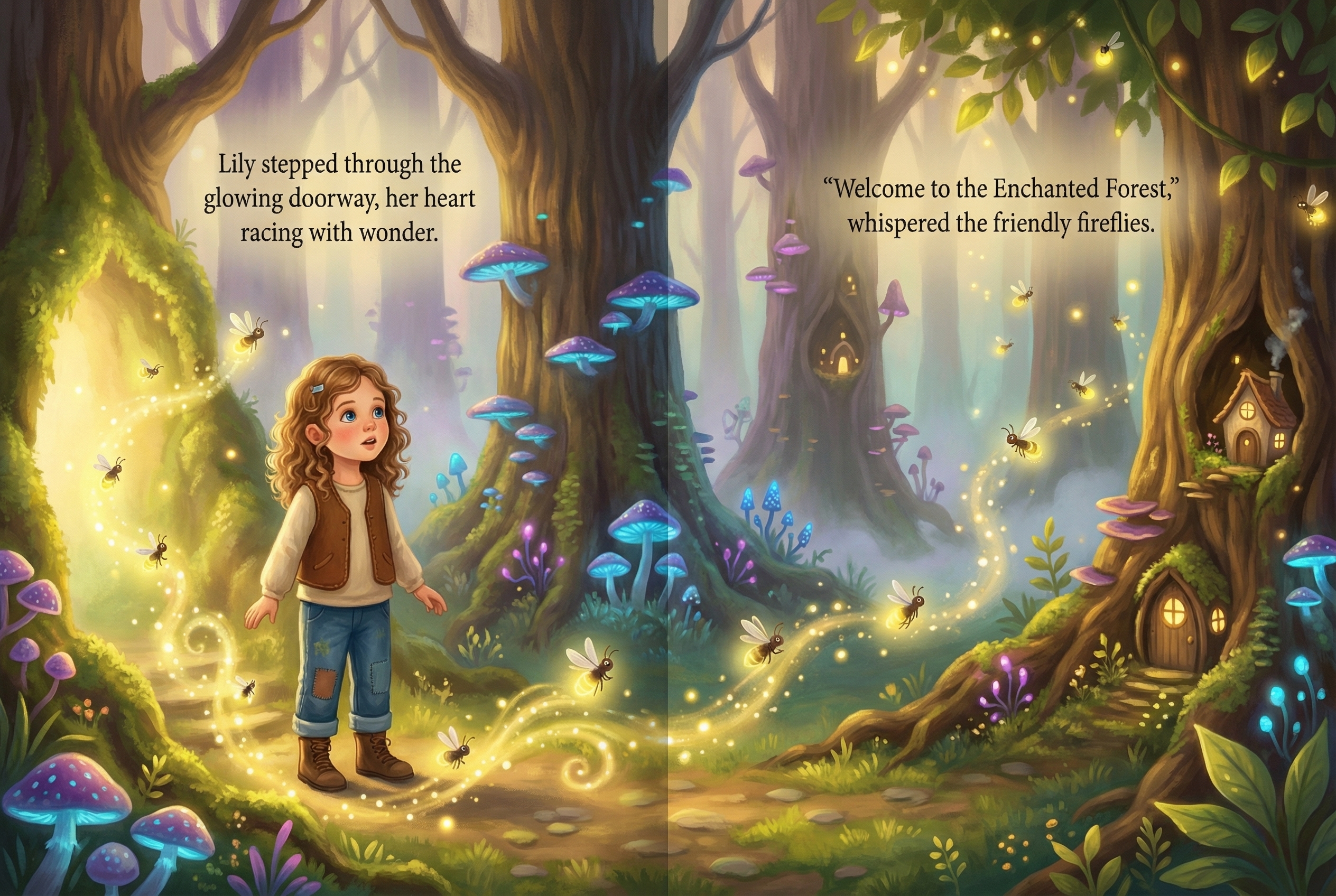
For decades, the picture book has served as a child’s first passport to the world. It is the medium through which they first encounter the rhythm of the seasons, the importance of kindness, and the vastness of the human imagination. Yet, as we navigate the unique pressures of {YEAR}, many parents and educators are noticing a subtle shift. While the "classics" of our own childhoods still hold a place on the shelf, there is a growing need for stories that do more than just show a world—they need to invite the child into it.
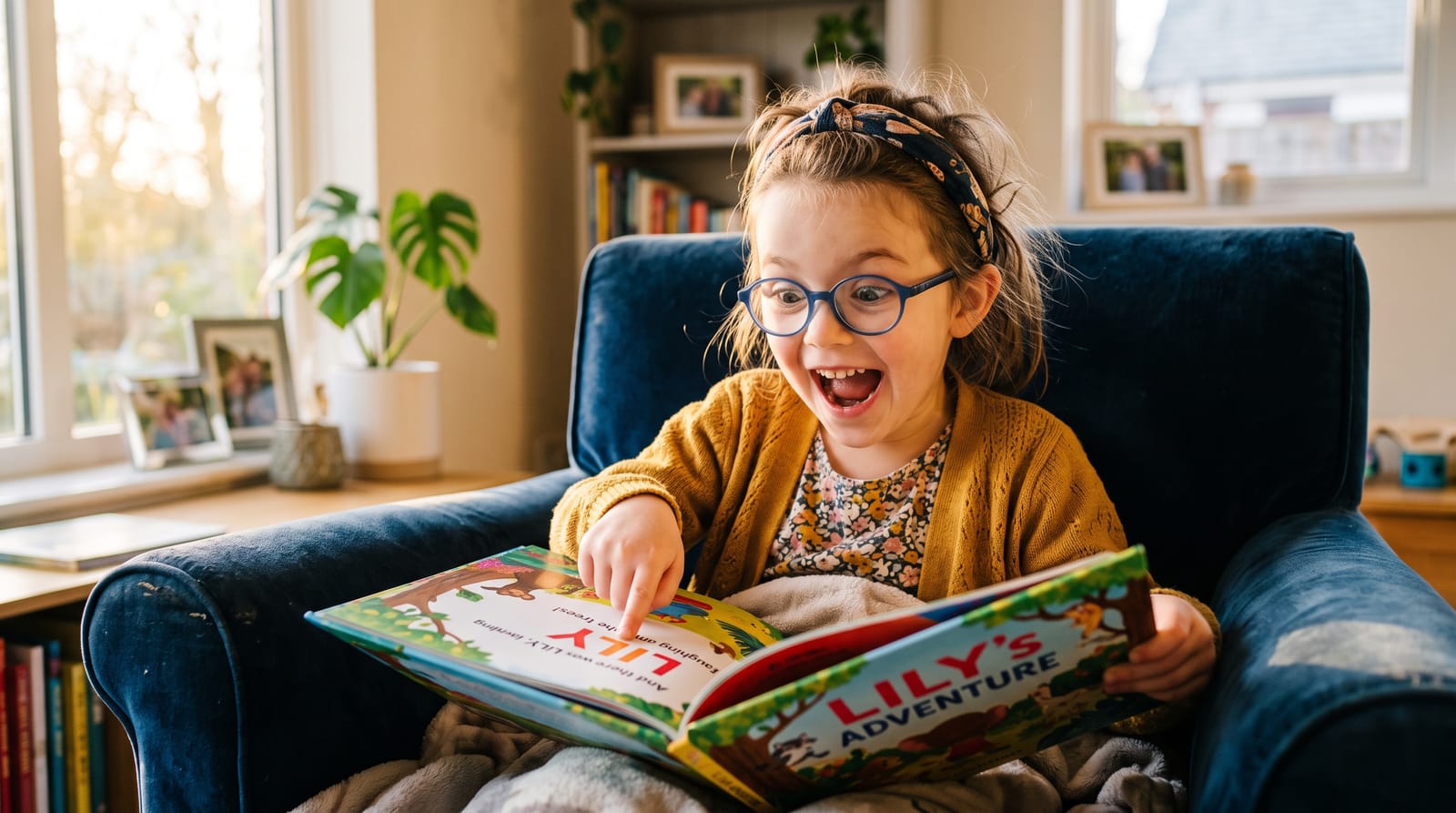
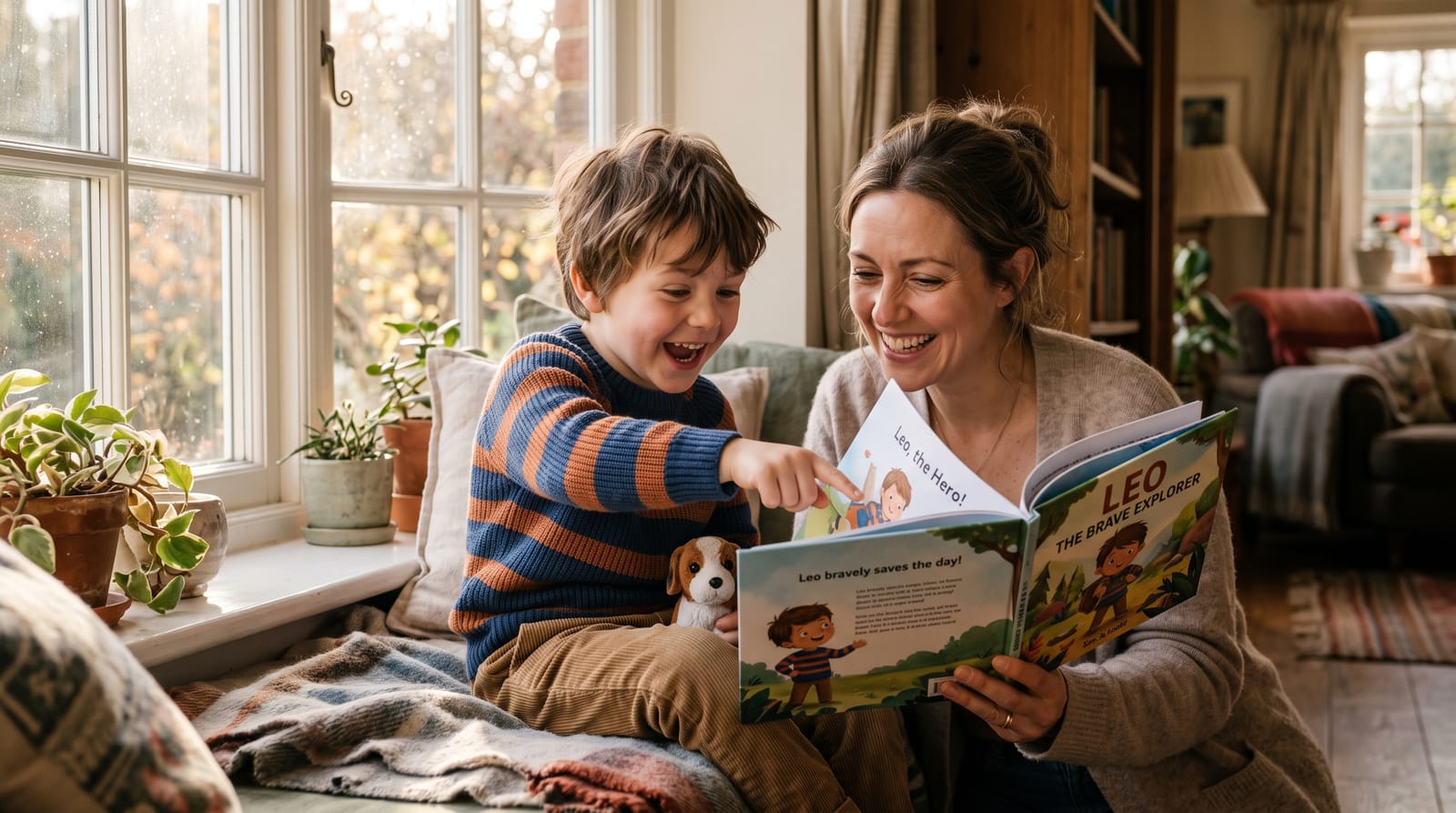
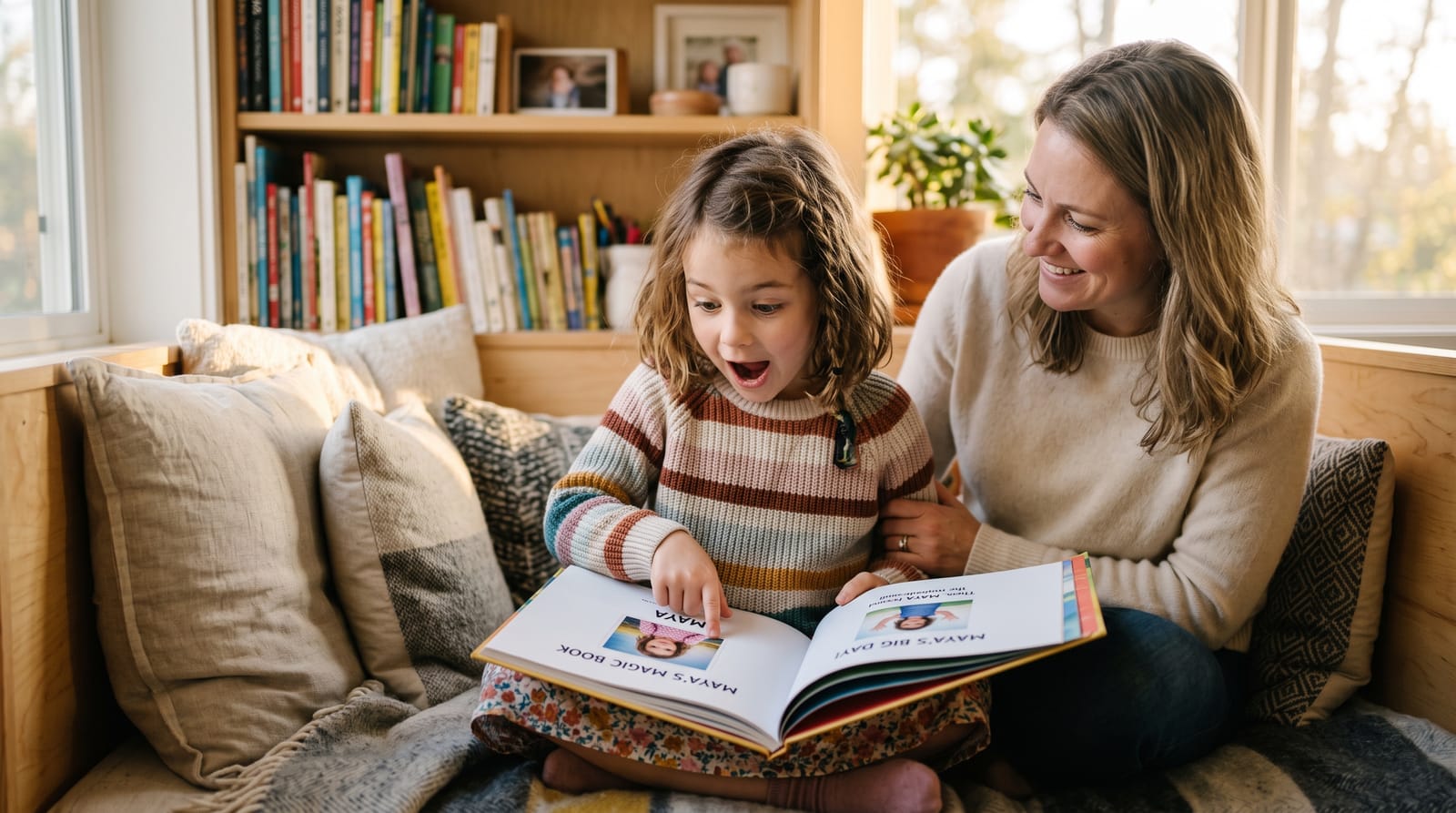
This is where the evolution of the personalized book becomes so vital. It isn't just about a name appearing on a cover; it’s about solving the "relevance gap" that often exists between a generic narrative and a child’s lived reality. By centering the child within the story, personalized books transform the act of reading from passive observation into active participation.
The Seasonal Rhythm: Finding Calm in a Hectic World
One of the most profound roles of the traditional picture book is to help children process the passage of time. Seasonal transitions—the first thaw of spring, the hunker-down energy of winter—can be jarring for young minds. In an era of digital overstimulation and "cabin fever" caused by unpredictable weather or busy schedules, the right book acts as a grounding wire.
Traditional spring narratives often focus on the generic "awakening" of nature. While beautiful, these stories can sometimes feel distant to a child living in a city apartment or a different climate. Personalized books bridge this by allowing the child to be the one who notices the "small details that are easy to miss." When a child sees themselves discovering the first sprout or feeling the warmth of the sun, the narrative shifts from a biology lesson to a personal adventure.
This sense of presence is a powerful tool for emotional regulation. When life feels hectic—perhaps due to school transitions or the general "false starts" of a new season—reading a story where the child is the protagonist who finds peace in nature encourages them to mirror that behavior in real life. It teaches them to slow down, look closely, and realize that they are an integral part of the world’s natural cycles.
From Isolation to Invitation: Redefining the Neighborhood
In the modern world, the concept of "neighborliness" has changed. Many of us value our privacy and independence, often defaulting to digital interactions over a knock on the door. While this offers convenience, it can inadvertently model a sense of isolation for our children.
The picture book has always been a primary vehicle for teaching community values. However, there is a distinct difference between reading about a fictional character being a "good neighbor" and seeing oneself as the "helper" in the story. Personalized books allow parents to curate a world where the child is the one building bridges.
By placing the child at the heart of a community-focused narrative, we move away from the "hyper-independence" that defines much of adult life. We show them that safety and care come from the people next door. In these stories, the child isn't just watching a community thrive; they are the catalyst for that connection. This shift helps combat the "scary world" narrative by focusing on the kindness and helpfulness that exists within their immediate reach. It echoes the classic advice to "look for the helpers" but goes a step further: it encourages the child to be the helper.
For more on how these stories shape our world, explore Modern Values & Community in Picture Books.
Moving Beyond Nostalgia: Updating the Moral Compass
Many parents reach for the books they loved as children, driven by a powerful sense of nostalgia. We remember the comfort of a specific illustration or the voice of a parent reading a certain rhyme. However, as we revisit these classics with the perspective of {YEAR}, we sometimes find that the values don't quite align with what we want to teach today.
Some older picture books, while visually stunning, lean into themes of martyrdom or one-sided generosity that can be confusing for a modern child. We want our children to be generous, yes, but we also want them to understand boundaries, reciprocity, and self-care.
Personalized books offer a "refresh" for the family library. They allow us to move away from outdated tropes and toward stories that emphasize healthy relationships and mutual respect. When a child is the protagonist, the story naturally becomes more about their agency and choices. It allows for the creation of new traditions that feel "highly relevant" to today’s world, rather than just a carbon copy of the past.
By choosing stories that reflect modern sensibilities—such as the importance of asking for help or the value of emotional intelligence—we ensure that the child's "first library" is a true reflection of the person we hope they become. You can read more about this shift in How Personalized Books Redefine the Picture Book.
The Sensory Connection: Why "Presence" Matters
A child’s connection to a book is often determined by how much they can "see" themselves in the pages. This isn't just about physical representation—though that is crucial—it's about emotional and sensory embodiment.
When a child reads a story about a garden and their own name is tied to the sensory descriptions—the smell of the damp earth, the sound of a waking bird—the brain processes that information differently. It becomes a "lived memory" rather than just an abstract concept. This is particularly effective for reluctant readers or children who struggle with focus. The "buy-in" is immediate because the stakes are personal.
At StorytimeHero, we believe that this sense of presence is the "narrative glue" that makes a story stick. When the child is the hero, they aren't just reading about bravery; they are practicing it. They aren't just reading about nature; they are experiencing it. This level of engagement is what transforms a simple picture book into a cherished keepsake.
To dive deeper into the mechanics of this connection, see How Personalized Books Evolve the Picture Book.
Building a Living Library for {YEAR}
The goal of a modern parent isn't just to get their child to read; it’s to help them find a home in books. A "Living Library" is one where the stories grow with the child, offering both comfort and challenge.
Personalized books act as the anchor in this library. They provide the safety and familiarity that allow a child to then branch out into more complex, non-personalized literature. By starting with a story where they are the center, they develop the confidence to explore stories where they are the guest.
This approach also helps parents solve one of the most common hurdles in modern parenting: finding time for meaningful connection. In a world of digital distractions, the 10-minute bedtime story is a sacred space. When that story is personalized, it becomes a shared experience that reinforces the child’s identity and their place within the family. It’s a way of saying, "Your story matters, and you are the hero of our world."
Discover more strategies for modern parenting in our guide on How Personalized Books Support Modern Parenting.
Frequently Asked Questions
Related Reading
- Modernizing the Picture Book Through Personalization
- Refreshing the Picture Book for Modern Families
- The Evolution of the Modern Picture Book
- How Personalization Solves the Modern Picture Book Dilemma
In the end, the magic of the picture book lies in its ability to make the world feel a little smaller and more manageable. By introducing personalization, we don't just give children a story—we give them a place to stand. As they navigate the transitions of spring, the complexities of their neighborhoods, and the shifting values of the modern age, these books serve as a reminder that they are not just observers of life, but the very heroes of it.
Free preview checklist
Get the personalized book gift checklist
Know what photo to use, what to write in the dedication, and what to review before ordering.