The Evolution of the Modern Picture Book | StorytimeHero
Upload a photo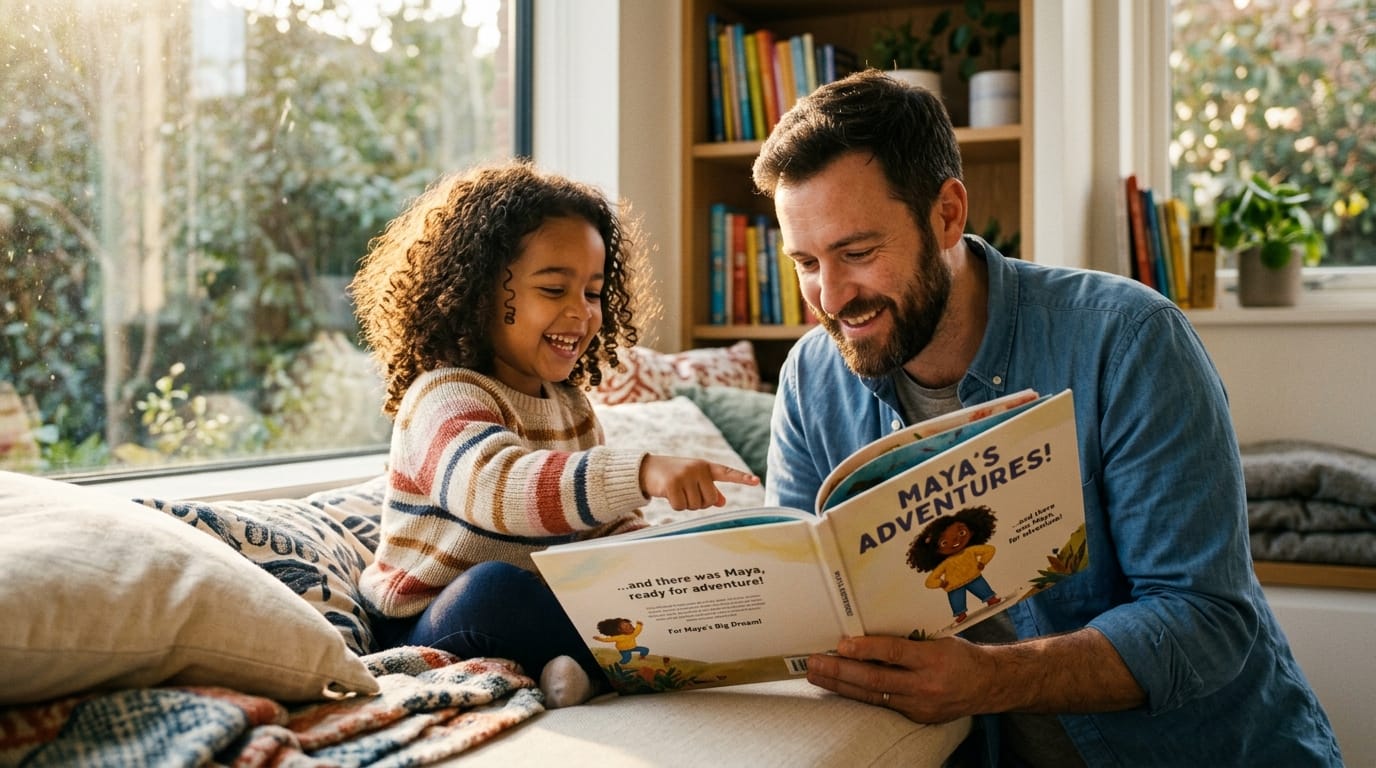
For decades, the standard picture book served as a window. It offered children a glimpse into distant lands, talking animals, or moral fables designed to teach a specific lesson. But as we move further into {YEAR}, the role of the picture book is undergoing a profound transformation. Parents and educators are increasingly looking for stories that do more than just entertain; they are looking for stories that act as mirrors, maps, and bridges to the real world.
The traditional "once upon a time" is being replaced by a more immediate "this is you, and this is your world." This shift isn't just about technology—it’s about a deeper understanding of child development and the changing social landscape. Here is how personalized books are addressing the evolving needs of the modern picture book and why this shift matters for the next generation of readers.
From Observation to Participation: The Power of Presence
In many classic stories, the child is a silent observer. They watch a protagonist navigate a conflict and, hopefully, internalize the resolution. However, modern childhood is increasingly defined by a sense of isolation. Many families today live in a "hyper-independent" bubble, where digital convenience often replaces face-to-face community interaction. We order groceries through apps and avoid the "inconvenience" of the unexpected knock at the door.
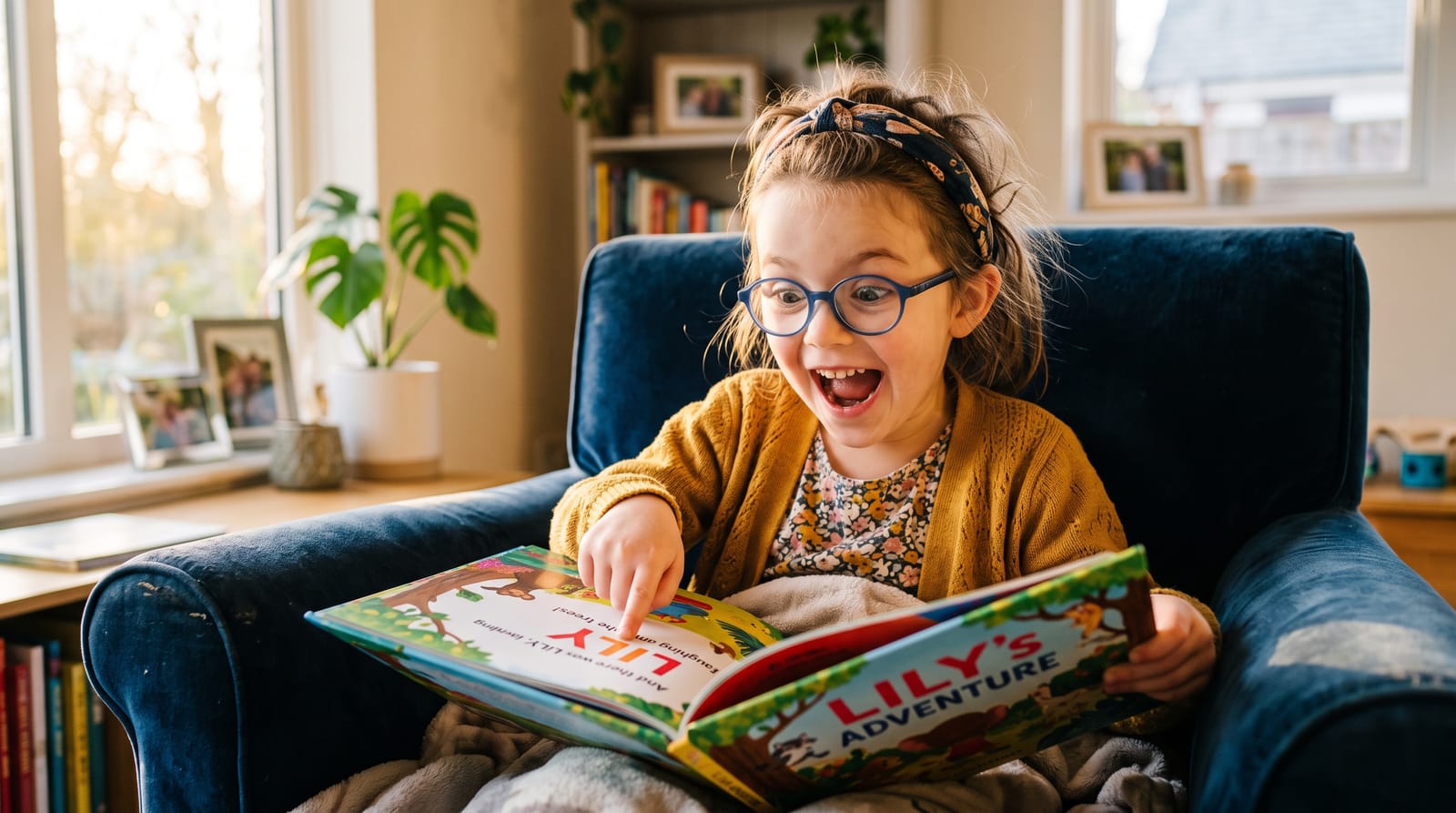
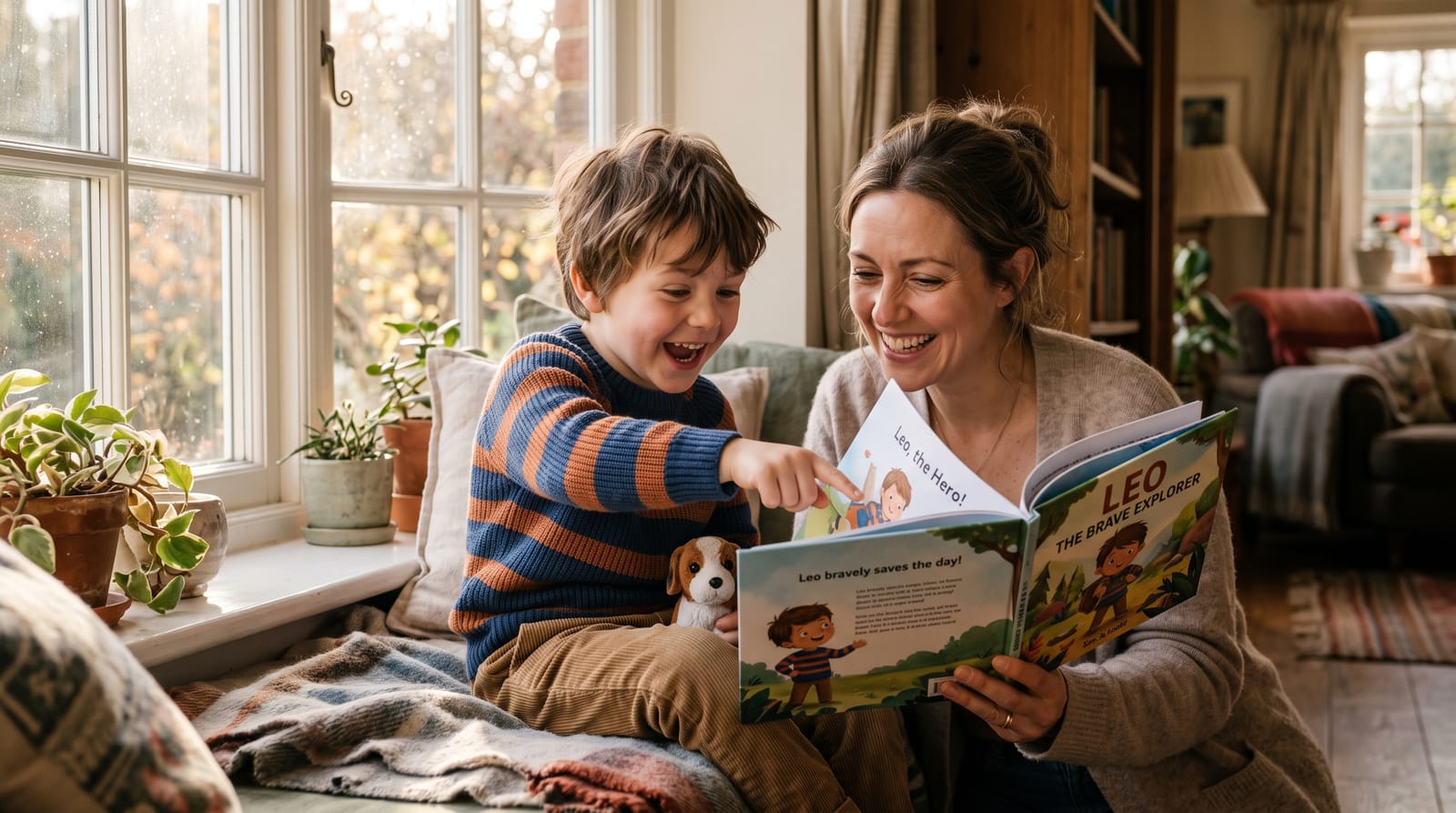
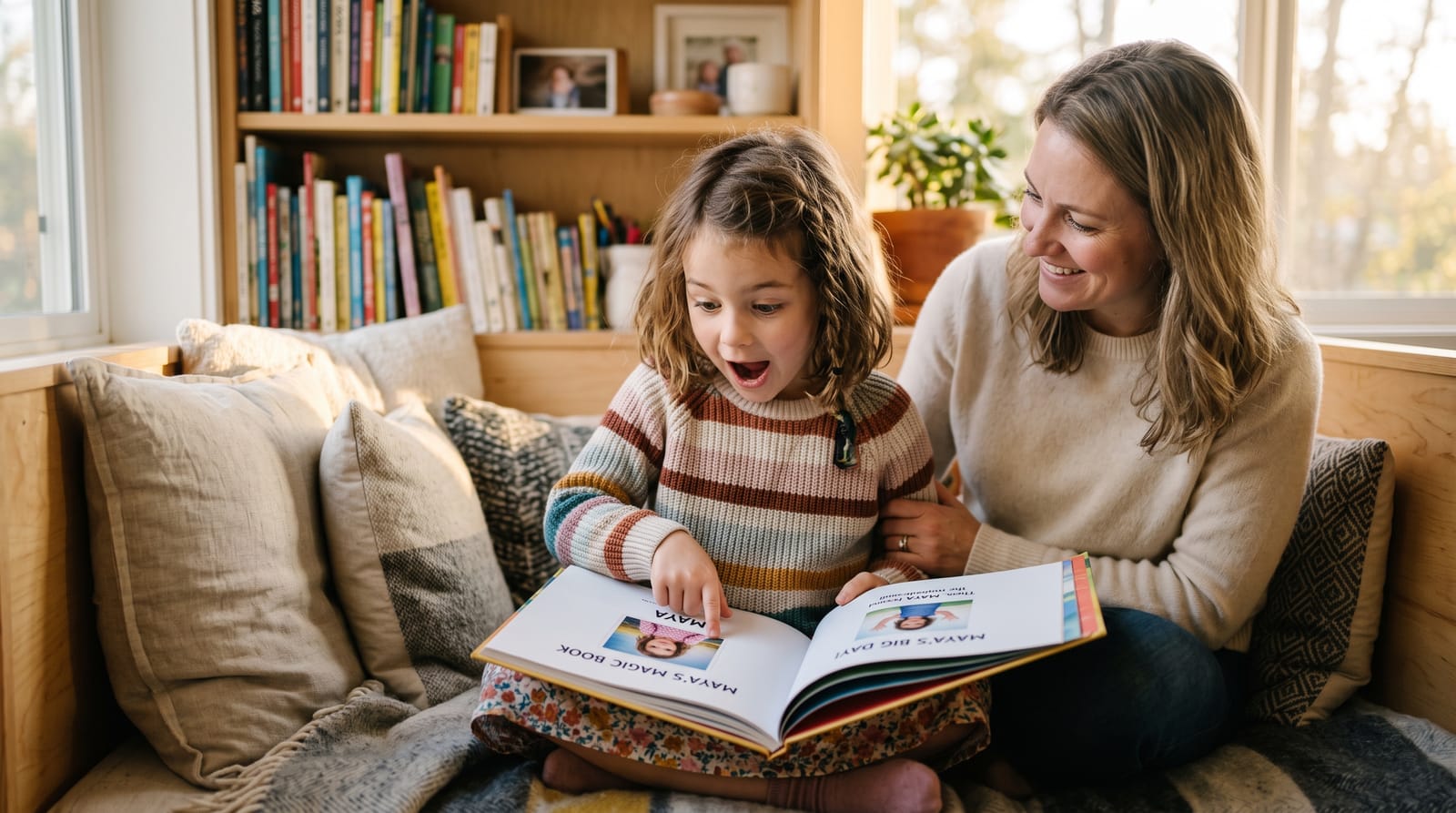
While this efficiency has its perks, it can leave children feeling like spectators in their own lives. This is where the personalized picture book steps in to bridge the gap. By placing the child’s name and likeness directly into the narrative, the story shifts from a passive observation to active participation.
When a child sees themselves as the one helping a neighbor or solving a problem, the lesson sticks differently. It moves from an abstract concept of "being good" to a concrete lived experience. By integrating the child into the story, we are teaching them that they have agency in their community. They aren't just reading about a "helper"—they are the helper.
The Reciprocity Revolution: Moving Beyond Outdated Tropes
If you look back at some of the most famous picture books from the mid-20th century, you might notice a recurring theme: unconditional, often one-sided sacrifice. While these stories were intended to teach generosity, they often lacked a crucial element of modern emotional intelligence—reciprocity.
In {YEAR}, we understand that healthy relationships are built on mutual respect and appreciation. A story that depicts one character giving everything until they are a mere stump of their former self doesn't quite resonate with the values we want to instill in children today. We want our children to be generous, yes, but we also want them to understand their own worth and the importance of boundaries.
Personalized books allow parents to curate stories that reflect these modern values. Instead of the "take-and-take" dynamics of the past, personalized narratives often focus on collaborative problem-solving. When the child is the protagonist, the story can emphasize how their actions affect others and, crucially, how others support them in return. This creates a much more balanced and healthy blueprint for real-world interactions.
Representation as a Daily Reality, Not a Special Event
There has been a significant and necessary push for more diversity in children’s literature. We see this in the surge of books celebrating specific heritage months or highlighting athletes from underrepresented backgrounds. While these "special event" books are vital, the goal for many parents is to make representation a seamless part of every day, not just something that happens in February or March.
A personalized picture book ensures that a child’s unique identity is the default, not the exception. Whether it’s seeing a girl as a champion rock climber or a child of color as the lead scientist in a space mission, personalization removes the "otherness" that can sometimes occur in traditional publishing.
It allows children to see themselves in roles that society might still be catching up to. If a child sees themselves as a strong, intelligent athlete in their favorite bedtime story every night, that image becomes their internal reality. They don't have to wait for a specific month to feel celebrated; their potential is validated every time the book is opened.
Bridging the Relevance Gap in a Fast-Changing World
One of the greatest challenges for any picture book is staying relevant. A book written thirty years ago might use references, family structures, or social norms that feel foreign to a child growing up today. While there is a certain charm to "vintage" stories, children are naturally more engaged when a book reflects their actual life.
If a child can’t connect with the setting or the characters, they are less likely to develop a love for reading. Personalization solves this by making the child the ultimate anchor of the story. No matter how fantastical the setting—be it a kingdom of dragons or a futuristic city—the presence of the child makes the story immediately relevant.
This connection is vital for literacy. When a child’s name appears on the page, their brain's "self-referencing" effect kicks in, increasing focus and retention. They aren't just learning to decode words; they are discovering that words have the power to describe them.
Creating "Helpers" in a Scary World
It is no secret that the world can feel like a daunting place for both parents and children. The news is often filled with stories that can cause anxiety, making it difficult to explain to a child that "life is good."
The best way to combat this fear is to look for the "helpers," as the famous saying goes. But we can go one step further: we can teach our children to be the helpers. Personalized books are an incredible tool for rehearsing kindness. By placing the child in scenarios where they are the ones offering a hand, sharing a toy, or welcoming a new neighbor, we are providing them with a script for empathy.
StorytimeHero focuses on this warm, helpful approach, ensuring that the stories don't just tell a tale, but build a child's confidence in their ability to impact the world for the better. This "pro-social" storytelling is the future of the picture book—moving away from fear and toward empowered community building.
The Psychology of Belonging
At its core, the evolution of the picture book is an evolution of belonging. In a world that often feels fragmented, a book that says "You belong here" is a powerful gift.
Personalized stories provide a sense of security. They create a "safe harbor" where a child can explore different versions of themselves—a hero, an explorer, a friend, a dreamer. This exploration is essential for developing a strong sense of self. When a child sees their own name associated with bravery or kindness, they begin to adopt those traits as part of their identity.
As a content strategist at StorytimeHero, I’ve seen how these stories become more than just books; they become heirlooms of identity. They capture a moment in time when a child was learning who they were, and they provide a permanent record that they were the star of their own journey.
Related Reading
If you're interested in how the landscape of children's literature is shifting, explore these deep dives into modern storytelling:
- How Personalized Books Redefine the Picture Book
- Modernizing the Picture Book: The Power of Personalization
- The Evolution of the Picture Book: Bridging Gaps with Personalization
- How Personalization Solves the Modern Picture Book Dilemma
- Resilience & Representation in Picture Books
Frequently Asked Questions
The Future is Personal
The picture book is not a static medium; it is a living, breathing part of our culture. As our understanding of what children need continues to grow, the tools we use to tell them stories must grow as well. By moving away from passive, sometimes outdated narratives and toward active, personalized experiences, we are giving our children more than just a story.
We are giving them a sense of place. We are giving them a community. And most importantly, we are giving them the belief that they are the heroes the world has been waiting for. Whether it’s through a tale of a local neighborhood helper or a grand adventure across the stars, the personalized picture book is the new gold standard for a generation that deserves to be seen.
In the end, the goal of StorytimeHero and the modern picture book movement is simple: to make sure every child knows that their story is worth telling. When we put a child's name on a cover, we aren't just printing a book; we are affirming a life. And in {YEAR}, there is perhaps no greater gift we can give the next generation.
Free preview checklist
Get the personalized book gift checklist
Know what photo to use, what to write in the dedication, and what to review before ordering.