Modernizing the Picture Book: The Power of Personalization | StorytimeHero
Upload a photo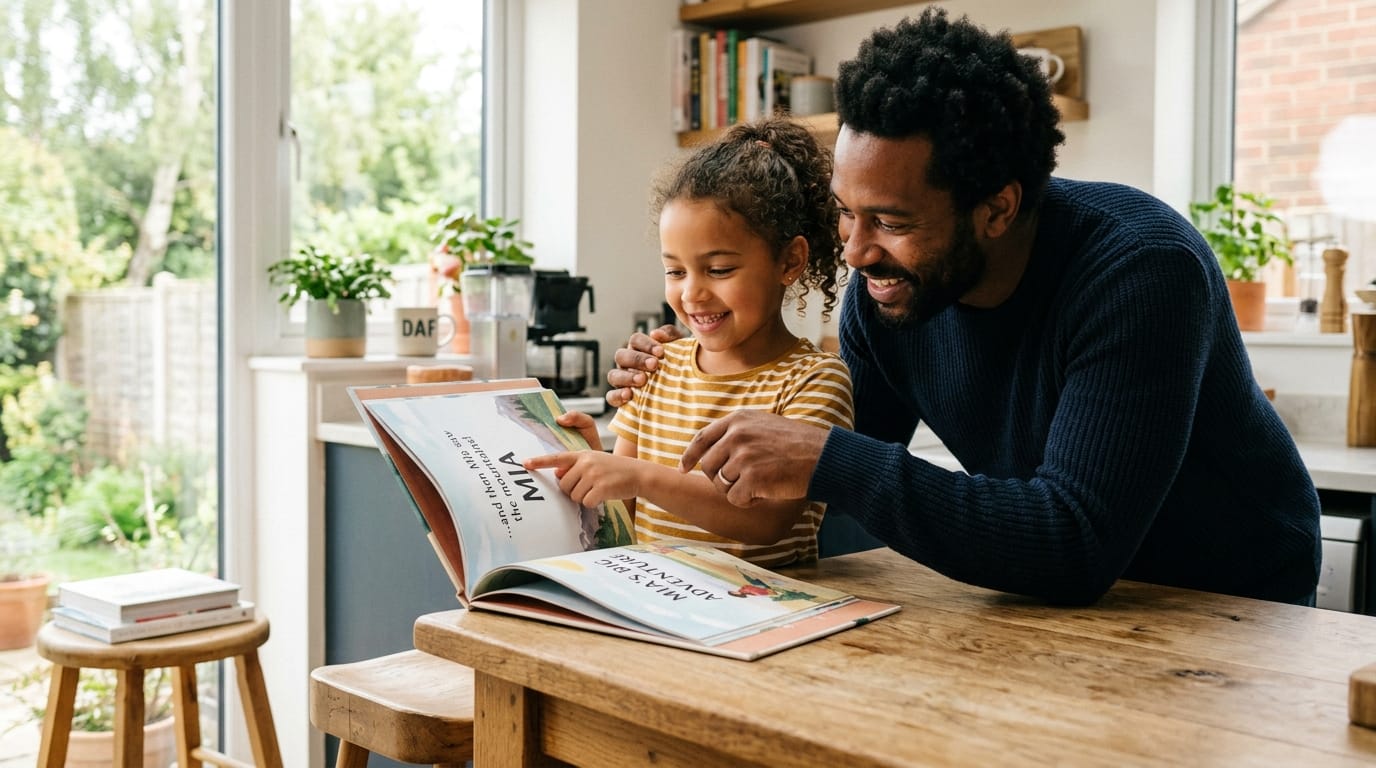
For generations, the picture book has served as the primary vessel for passing down values, sparking imagination, and introducing children to the wider world. We all have those dusty volumes on our shelves—the ones with the broken spines and the faint scent of nostalgia. But as we navigate the parenting landscape of {YEAR}, many of us are discovering a quiet friction between the stories of the past and the realities of our children’s futures.
The world our children are growing up in is faster, more connected, yet paradoxically more isolated than the one we knew. We are looking for stories that don’t just entertain, but also help our children find their footing in a complex social fabric. This is where the evolution of the picture book takes a significant turn. By shifting from static, one-size-fits-all narratives to personalized books, we are finding new ways to address the gaps in representation, community-building, and emotional relevance.
The Neighborhood Shift: Reclaiming Community through the Protagonist
In decades past, the concept of a "neighborhood" was a physical certainty. It was the phone tree, the unannounced porch visit, and the collective eye of the street keeping watch. Today, many parents—particularly millennials and Gen X—grapple with a culture of hyper-independence. We value our privacy and our digital conveniences, but we often worry that our children are losing the "muscle memory" of being a good neighbor.
Traditional picture books often feature a generic protagonist navigating a generic town. While charming, these stories can sometimes feel like a distant fairy tale rather than a blueprint for life. Personalized books change this dynamic by placing the child at the center of the community narrative.
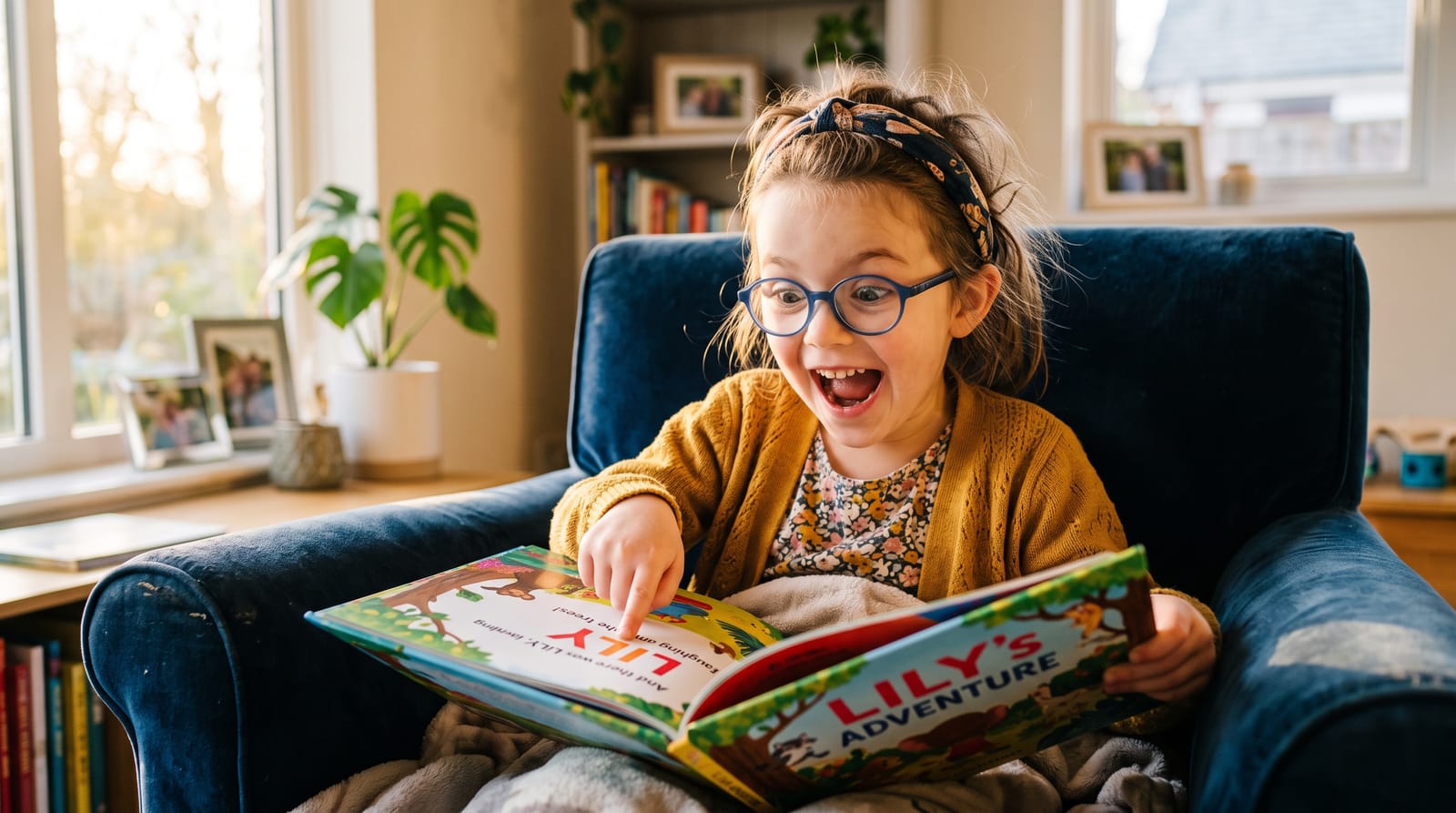
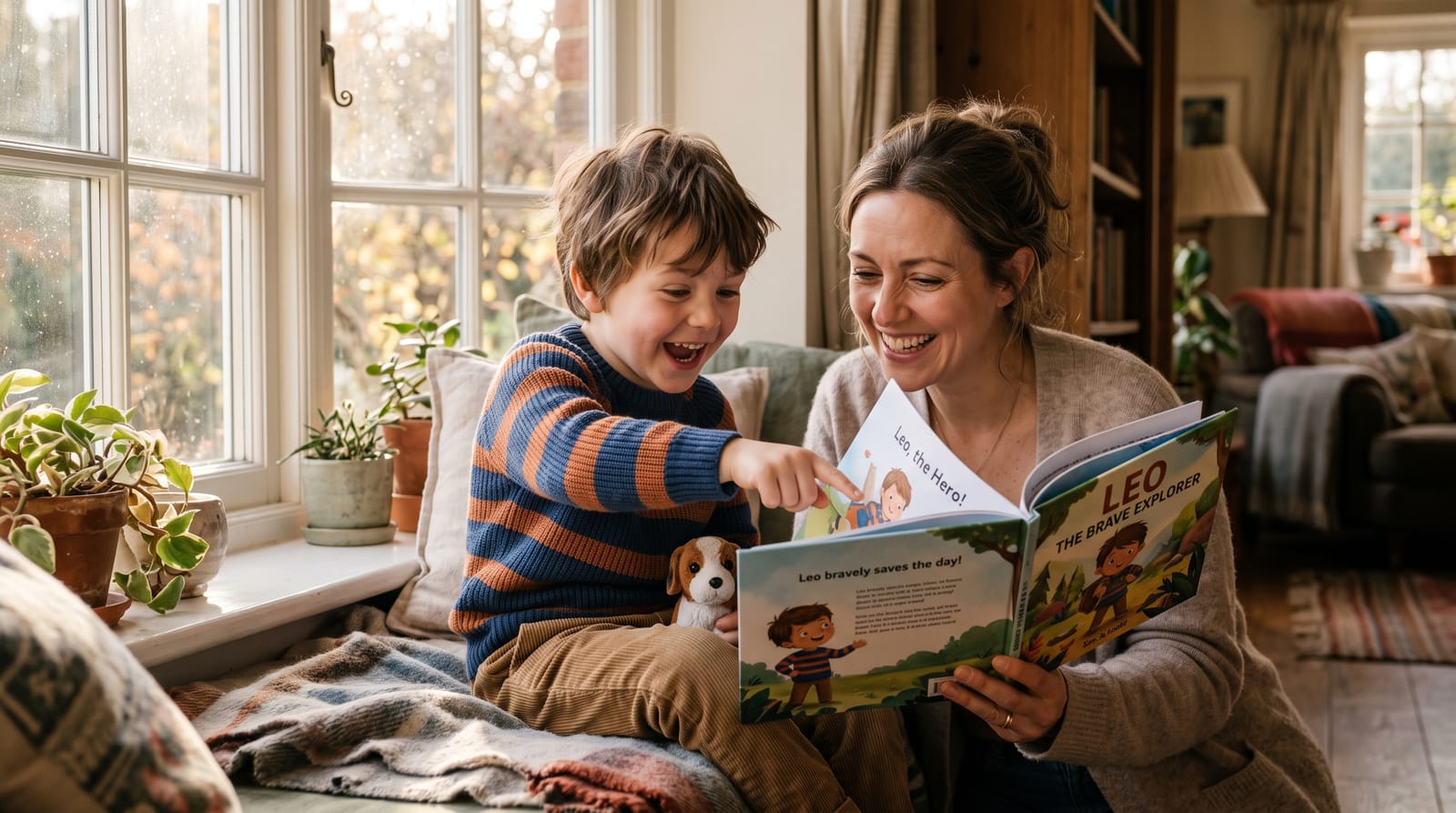
When a child sees their own name and likeness interacting with "helpers"—the mail carrier, the librarian, or the person next door—the concept of community stops being an abstract idea and becomes a personal responsibility. It moves the needle from "someone should help" to "I am someone who helps." This subtle shift in perspective is a powerful tool for parents trying to combat the modern trend of isolation. By making the child the hero of a story about kindness, we are rehearsing the very social skills they need to build a healthier, more connected future.
Beyond the "Classics": Updating Values for a New Generation
There is a certain guilt that comes with realizing a "classic" picture book doesn't quite sit right anymore. Perhaps the message feels a bit too much like self-sacrifice without boundaries, or maybe the social dynamics feel outdated. Many of the books we loved as children were written for a world that didn't yet have the vocabulary for emotional intelligence or reciprocal relationships that we prioritize today.
The challenge for modern parents is finding stories that reflect today’s values of consent, emotional health, and self-worth. Personalized books offer a unique solution to the "outdated classic" dilemma. Because these stories are often built on modular, modern frameworks, they allow parents to provide their children with narratives that are inherently relevant.
Instead of a story where a character gives until they are nothing but a stump, modern personalized narratives can focus on the joy of sustainable generosity. They can highlight that being "good" doesn't mean being a doormat. When a child is the star of the story, the parent has more agency to choose themes that resonate with their specific family culture. You aren't just reading a book; you are curating a personal philosophy for your child.
The Representation Revolution: From Checkboxes to Identity
We have made incredible strides in the world of children’s literature regarding diversity. We now have beautiful books celebrating female athletes, different cultural heritages, and various family structures. However, a common pitfall in the industry is treating representation as a "special event"—a book to be read during a specific month or for a specific lesson.
True representation isn't just about seeing someone who looks like you; it’s about seeing yourself as the default hero of any adventure. Whether it’s a story about a championship climber or a quiet afternoon in the park, the impact is magnified when the child doesn't have to search for themselves in the background.
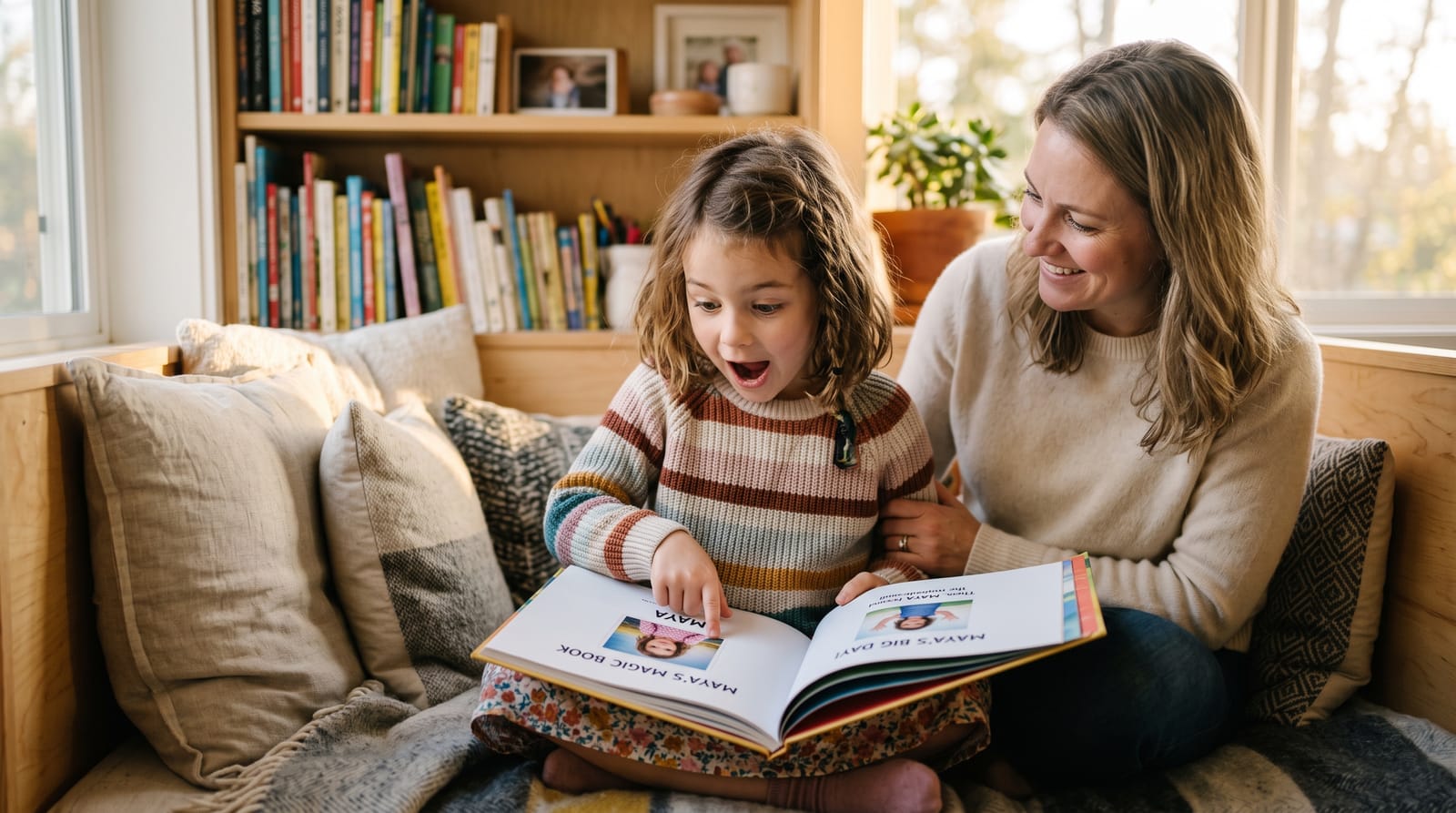
Personalized books move beyond the "checkbox" approach to diversity. They ensure that for your child, representation is a 365-day-a-year reality. If your daughter sees herself as a gold-medal athlete or a courageous explorer in her nightly bedtime story, that identity becomes a part of her internal monologue. It’s no longer a story about what other girls can do; it’s a story about what she does.
This is particularly vital in sports and STEM-themed books. By removing the "otherness" of achievement and making it personal, we help children bypass the societal stereotypes that might otherwise hold them back. You can explore more on this in our guide on Personalized Books: Representation and Embodiment.
Cognitive Resonance: Why the "Name Effect" Matters
Why does it matter if a child's name is in the book? From a developmental perspective, the "self-reference effect" is a well-documented phenomenon. We are all more likely to remember information and feel an emotional connection to it if it relates to us personally.
For a young child, hearing their name in a story acts like a cognitive "anchor." It pulls their attention back to the page and increases their engagement with the plot. This is especially helpful when tackling "big" topics like empathy, resilience, or facing fears. When a generic character is brave, it’s a nice story. When the child is brave, it’s a transformative experience.
This deep engagement helps children navigate the world with more confidence. They aren't just passive observers of a picture book; they are active participants in their own growth. This participatory element is a cornerstone of The Evolution of the Picture Book, where we see the transition from storytelling to "story-living."
Creating Lasting Memories in a Digital Age
In an era of endless scrolling and fleeting digital content, the physical picture book remains a sanctuary of slow, intentional connection. However, the "specialness" of a book is often what determines its longevity in a child's heart.
Personalized books carry an inherent "keepsake" quality that traditional books struggle to match. They are often the books that are kept in memory boxes long after the child has outgrown the reading level. This is because the book isn't just a commodity; it’s a record of who the child was at a specific moment in time—their name, their appearance, and the values their parents wanted to instill in them.
By choosing to personalize a story, you are signaling to your child that their life is worthy of being "in print." It’s a powerful boost to their self-esteem and a way to anchor family traditions in a world that often feels like it's moving too fast. For more on how these stories act as a "narrative glue" for families, check out our article on The Narrative Glue: Custom Books & Family Identity.
Practical Tips for Selecting Personalized Books in {YEAR}
When looking for a personalized book that truly addresses the needs of a modern child, consider the following:
- Look for Value-Alignment: Does the story encourage the kind of neighborliness and community-mindedness you want to see in your child?
- Focus on Agency: Choose stories where the child's actions matter. The best personalized books aren't just about the child being present; they are about the child being active.
- Prioritize Quality Illustrations: Personalization shouldn't come at the cost of art. Look for books that feel like high-quality literature.
- Consider the "Why": Are you trying to help them through a transition, celebrate an achievement, or simply build their self-confidence? Matching the theme to your current parenting goal makes the book even more effective.
Frequently Asked Questions
Are personalized books just a gimmick, or do they actually help with reading?
While they are certainly fun, the "name-recognition effect" significantly boosts engagement and phonemic awareness in early readers. Children are more motivated to decode words when those words are about them.
How do personalized books handle different family structures?
One of the greatest strengths of modern personalized books is their flexibility. Unlike traditional books that might only feature a "mom and dad" dynamic, many personalized options allow you to customize the adults in the story to reflect your child's real-life village.
At what age should I start reading personalized books to my child?
It’s never too early! Even for infants, hearing their name woven into a rhythmic, warm story helps with bonding and language development. As they grow into toddlers, the visual recognition of "themselves" in the book becomes a major highlight of their day.
Conclusion: The New Chapter of Storytelling
The picture book is not a static medium; it is a living one that must evolve alongside the children who read it. By embracing personalization, we aren't just making stories more "fun"—we are making them more functional. We are providing our children with the tools to see themselves as helpers, athletes, explorers, and, most importantly, as integral members of their communities.
At StorytimeHero, we believe that every child deserves to be the hero of a story that reflects their world and their potential. As we move forward into {YEAR}, let’s continue to bridge the gap between the page and the person, one personalized story at a time.
Related Reading
Free preview checklist
Get the personalized book gift checklist
Know what photo to use, what to write in the dedication, and what to review before ordering.