The Evolution of the Picture Book | StorytimeHero
Upload a photo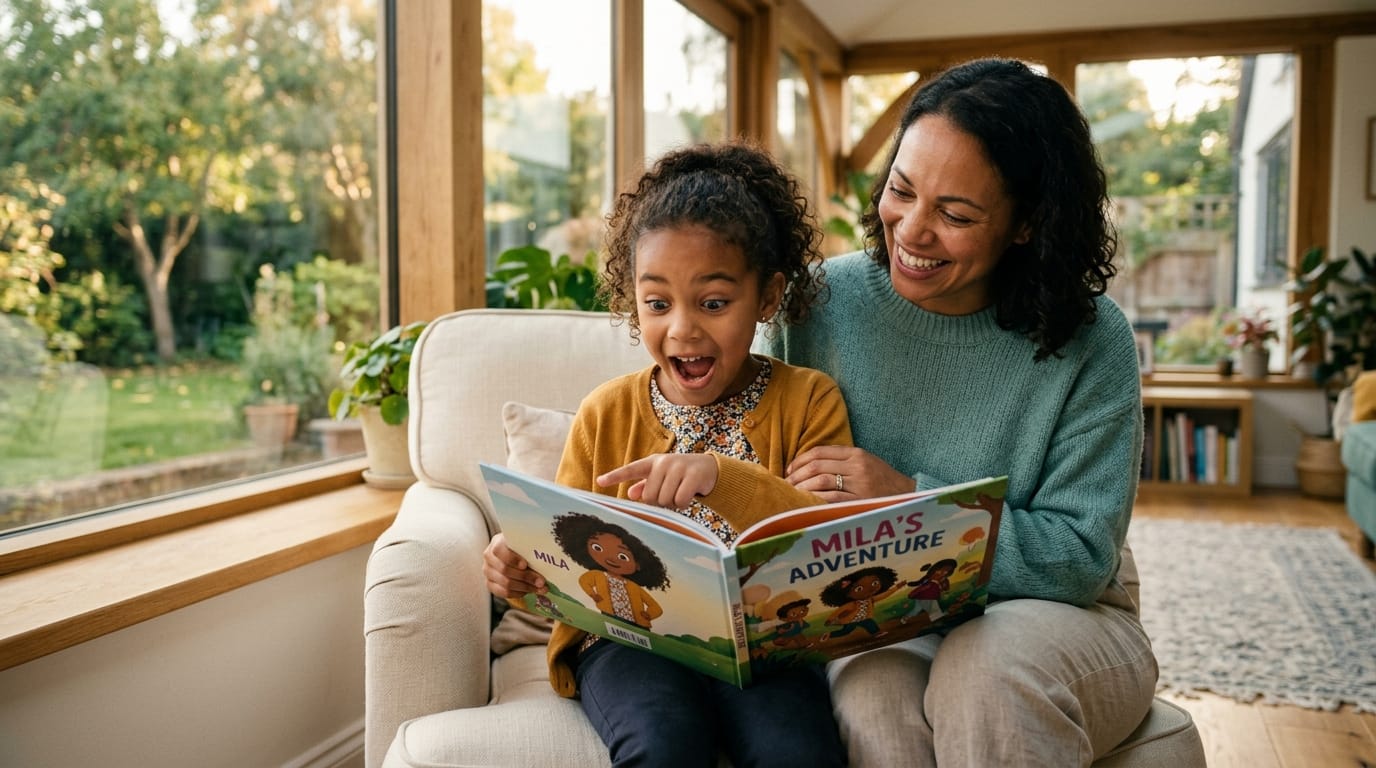
For generations, the standard picture book has served as a quiet window into other worlds. We sat our children down, opened a hardcover, and invited them to watch a story unfold from the sidelines. But as we move further into {YEAR}, the role of children’s literature is undergoing a profound transformation. Parents are no longer looking for just a "window"; they are seeking a "mirror" and a "map."
In a world that feels increasingly digital and occasionally isolated, the traditional narrative structures we grew up with are being re-evaluated. We are realizing that for a story to truly resonate with a child today, it needs to do more than just entertain—it needs to foster a sense of belonging, model healthy boundaries, and provide a blueprint for navigating a complex social landscape.
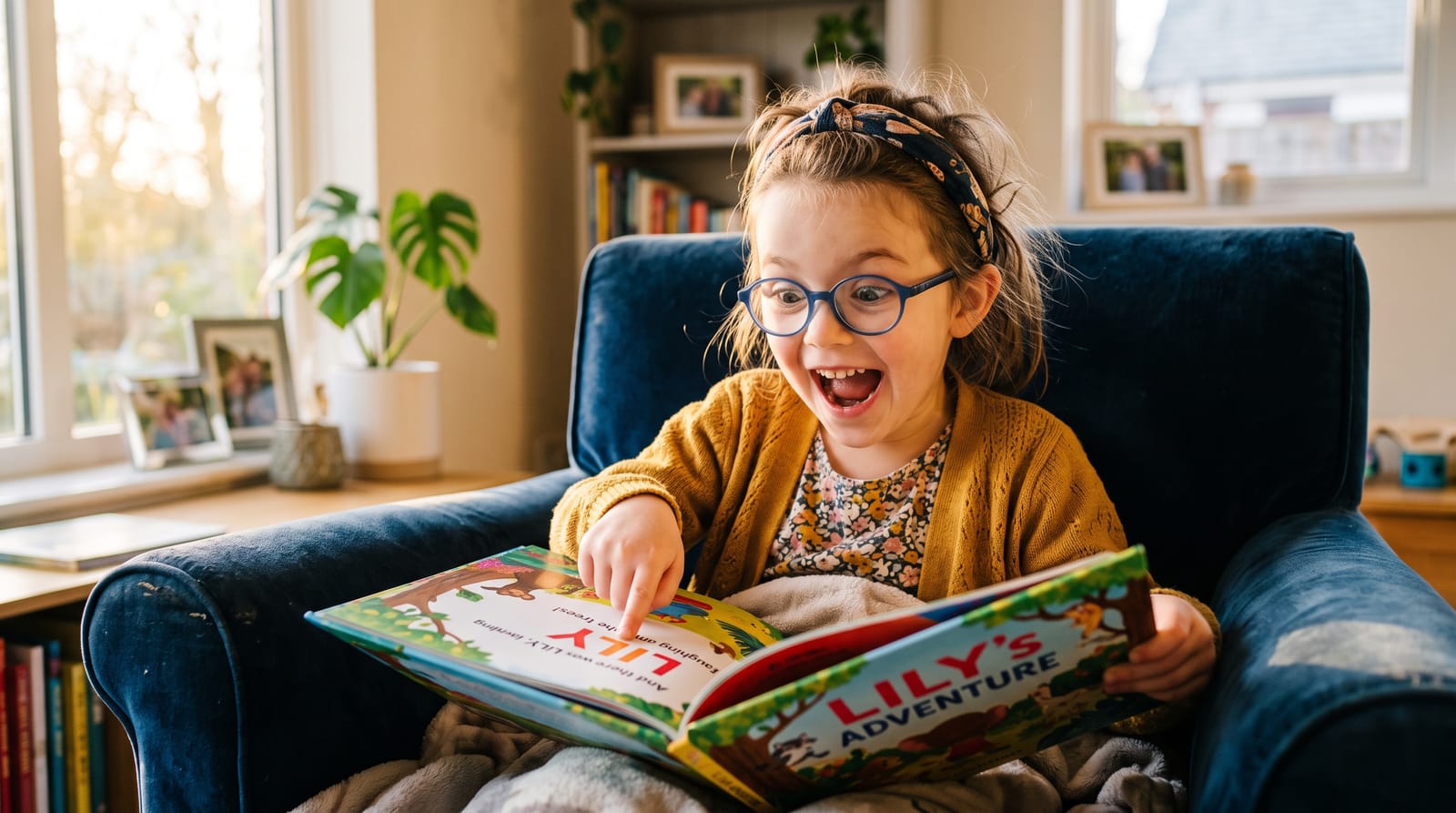
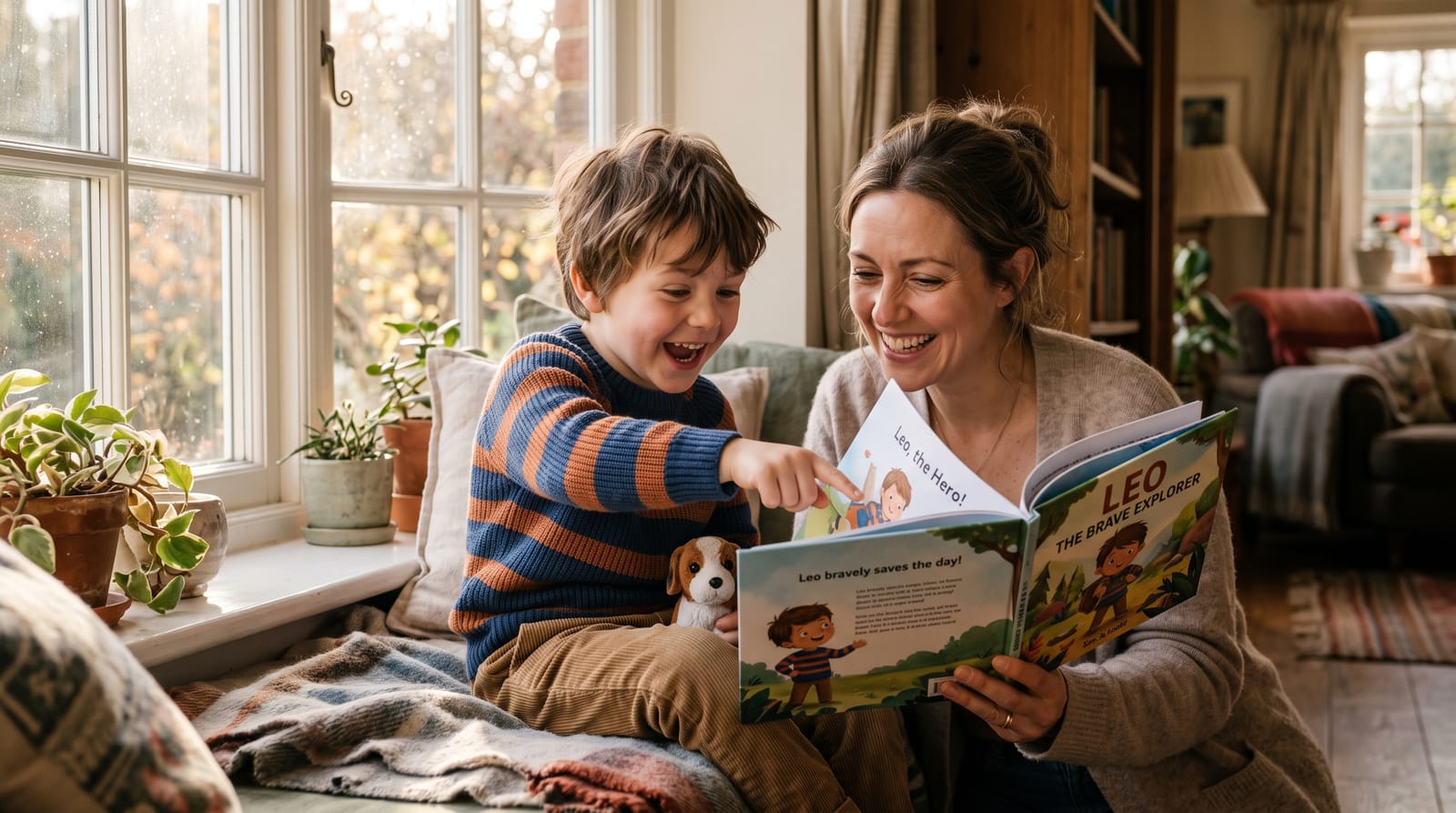
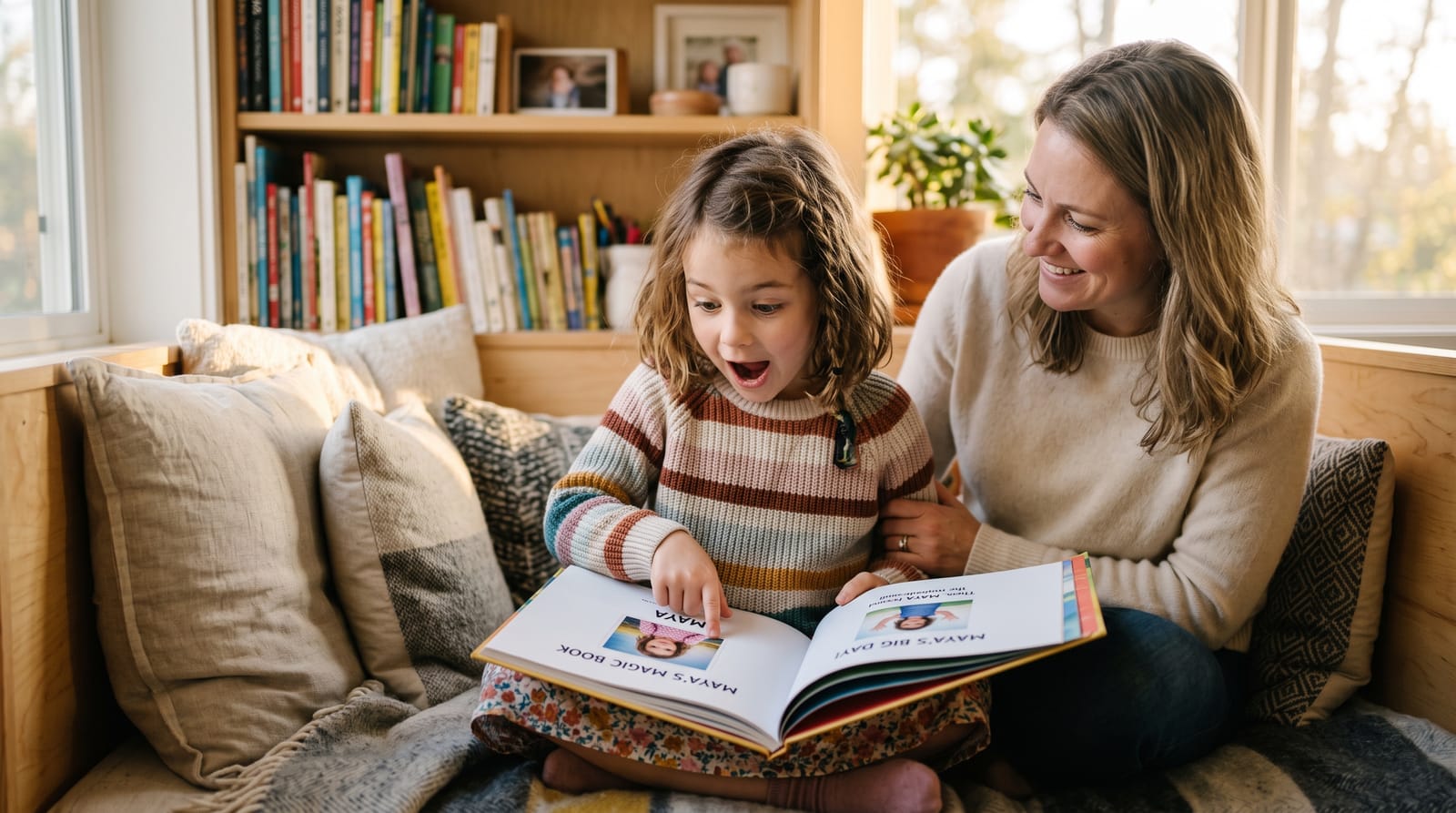
This is where the personalized picture book steps in, not as a gimmick, but as a structural solution to the evolving needs of the modern family. By placing the child at the center of the narrative, we move from passive observation to active participation.
The Neighborly Narrative: Rebuilding Community Through Story
There is a growing concern among developmental experts and parents alike regarding the "isolation of convenience." We live in an era where groceries appear on our doorsteps without a word exchanged and our "neighbors" are often just avatars on a local social media app. The hyper-independence that defines modern adulthood can inadvertently teach our children that community is optional.
Traditional picture books often feature anthropomorphic animals or distant characters learning about kindness. While charming, these stories can feel abstract. When a child reads a story where they are the protagonist visiting a local park or helping a neighbor, the lesson shifts from a theoretical concept to a practiced reality.
Personalized books address this by creating a "rehearsal space" for real-world interaction. When a child sees their own name and likeness in a story about community effort, the psychological distance between the page and their life vanishes. They aren’t just reading about a "good neighbor"; they are seeing themselves as that neighbor. This subtle shift helps combat the modern trend of isolation by normalizing the "inconvenience" of showing up for others as a core part of their identity.
Beyond the "Giving Tree" Complex: Modeling Reciprocity
Many of us hold deep nostalgia for the classics of our childhood. However, as our understanding of emotional intelligence evolves, some of these beloved stories are being viewed through a more critical lens. A common critique of older literature is the glorification of one-sided sacrifice—the idea that love means giving until there is nothing left of yourself.
In {YEAR}, parents are prioritizing stories that model healthy boundaries, mutual respect, and reciprocity. We want our children to be generous, yes, but we also want them to understand their own worth and the importance of a two-way street in any relationship.
The personalized picture book offers a unique advantage here. Because the story is centered on the child, the narrative naturally focuses on their agency and growth. These stories can be crafted to show the child not just as a giver or a taker, but as a participant in a balanced ecosystem of friends and family. By modernizing the picture book experience, we move away from the "martyrdom" tropes of the past and toward a more sustainable model of emotional health.
Representation as a Daily Standard, Not a Monthly Event
There has been a vital and necessary push for diversity in children’s publishing. However, a lingering issue in the industry is the "seasonalization" of representation—the idea that we read about certain heroes only during specific months of the year.
True belonging happens when a child sees themselves as the hero of a story every single day, regardless of the calendar. Whether it’s a girl excelling in a high-intensity sport or a child of color navigating a magical adventure, the impact is doubled when that representation is specific and personal.
StorytimeHero and other personalized platforms allow parents to bypass the limitations of traditional publishing cycles. Instead of waiting for a book that "sort of" looks like their child or reflects their specific family structure, parents can create a narrative that is inherently inclusive. This is particularly powerful for fostering "grit" and "growth mindset." When a child reads about their own journey toward a goal—like mastering a new skill or overcoming a fear—they internalize the idea that success is a result of their own persistence.
The Cognitive Power of the "Name-Recognition Effect"
Why does personalization feel so different to a child? It comes down to how the brain processes information. From a very young age, a child’s own name is one of the most powerful linguistic cues they possess. When they hear their name in a story, their physiological arousal increases—they become more alert, more engaged, and more likely to retain the information being presented.
This isn't just about vanity; it’s about cognitive "anchoring." In a standard picture book, the child has to do the mental work of translating the character’s experiences into their own life. In a personalized book, that bridge is already built. This allows the child to focus more of their mental energy on the emotional themes and vocabulary of the story.
By reimagining the modern picture book through personalization, we are essentially creating a bespoke educational tool that speaks directly to the child’s sense of self. This deepens the bond between the parent and child during storytime, turning a routine activity into a transformative emotional experience.
Navigating Modern Anxiety with Narrative Safety
It’s no secret that the world can feel like a scary place for a young child (and their parents). From global events to the simple anxiety of starting a new school, the "unknown" is a significant source of stress.
Traditional books often try to solve this by telling children "don't be afraid." Personalized books take a more effective approach: they show the child how to be brave. By placing the child in a controlled, fictionalized version of a stressful situation, the book acts as a "social story." It allows the child to visualize a positive outcome, effectively lowering their cortisol levels when they face the situation in real life.
This is a key way that personalized books and modern picture book trends are converging. We are moving away from simple "happily ever afters" and toward narratives that provide practical, emotional tools for resilience.
The Future of the Picture Book: From Consumer to Creator
As we look toward the future of children’s media, the line between the "story" and the "reader" will continue to blur. The rise of personalized books represents a shift in how we value children’s voices. We are telling them that their lives are worthy of being bound in a book; that their adventures are as important as any fairy tale; and that they have the power to shape their own narrative.
For the modern parent, choosing a personalized book is an act of intentionality. It is a way to say, "I see you, I know what you’re facing, and I want you to see yourself as the hero of your own life."
FAQ: What Parents Ask About Personalized Books
Q: Are personalized books just for younger children who are learning their names?
A: While they are incredible for name recognition in toddlers, personalized books offer even deeper benefits for older children (ages 5-9). At this age, children are developing their self-concept and social identity. Seeing themselves navigate complex social situations or achieve difficult goals in a book helps solidify their self-esteem and "can-do" attitude.
Q: Do personalized books replace traditional "classics"?
A: Not at all! They serve a different purpose. Think of traditional classics as a way to learn about the world at large, and personalized books as a way to learn about one's place within that world. A healthy "reading diet" includes both: the window to see others and the mirror to see themselves.
Q: How do personalized books help with children who have short attention spans?
A: The "Self-Reference Effect" is a powerful psychological tool. Children are naturally more interested in things that involve them. When a child hears their own name or sees a character that looks like them, their brain’s "salience network" activates, making it much easier for them to stay focused on the narrative compared to a generic story.
Related Reading
- Modernizing the Picture Book Experience
- How Personalized Books Reimagine Picture Books
- Personalization and the Modern Picture Book
- Personalized Books & Modern Picture Book Trends
The landscape of the picture book is changing, and personalization is at the heart of that evolution. By moving the child from the audience to the stage, we aren't just telling better stories—we are building more confident, connected, and resilient kids for the world of {YEAR} and beyond. Whether it's through fostering a sense of community or modeling healthy emotional boundaries, personalized books provide the relevance that modern families crave.
Free preview checklist
Get the personalized book gift checklist
Know what photo to use, what to write in the dedication, and what to review before ordering.