Personalized Books & Modern Picture Book Trends | StorytimeHero
Upload a photo
For generations, the picture book has been the cornerstone of the bedtime routine. It is a vessel for memory, a bridge between parent and child, and often, the very first window through which a toddler views the world. We all have those "golden" titles—the ones with worn spines and coffee-stained covers—that we remember from our own childhoods. But as we move further into {YEAR}, many parents are realizing that the stories we inherited don't always reflect the world we want our children to grow up in.
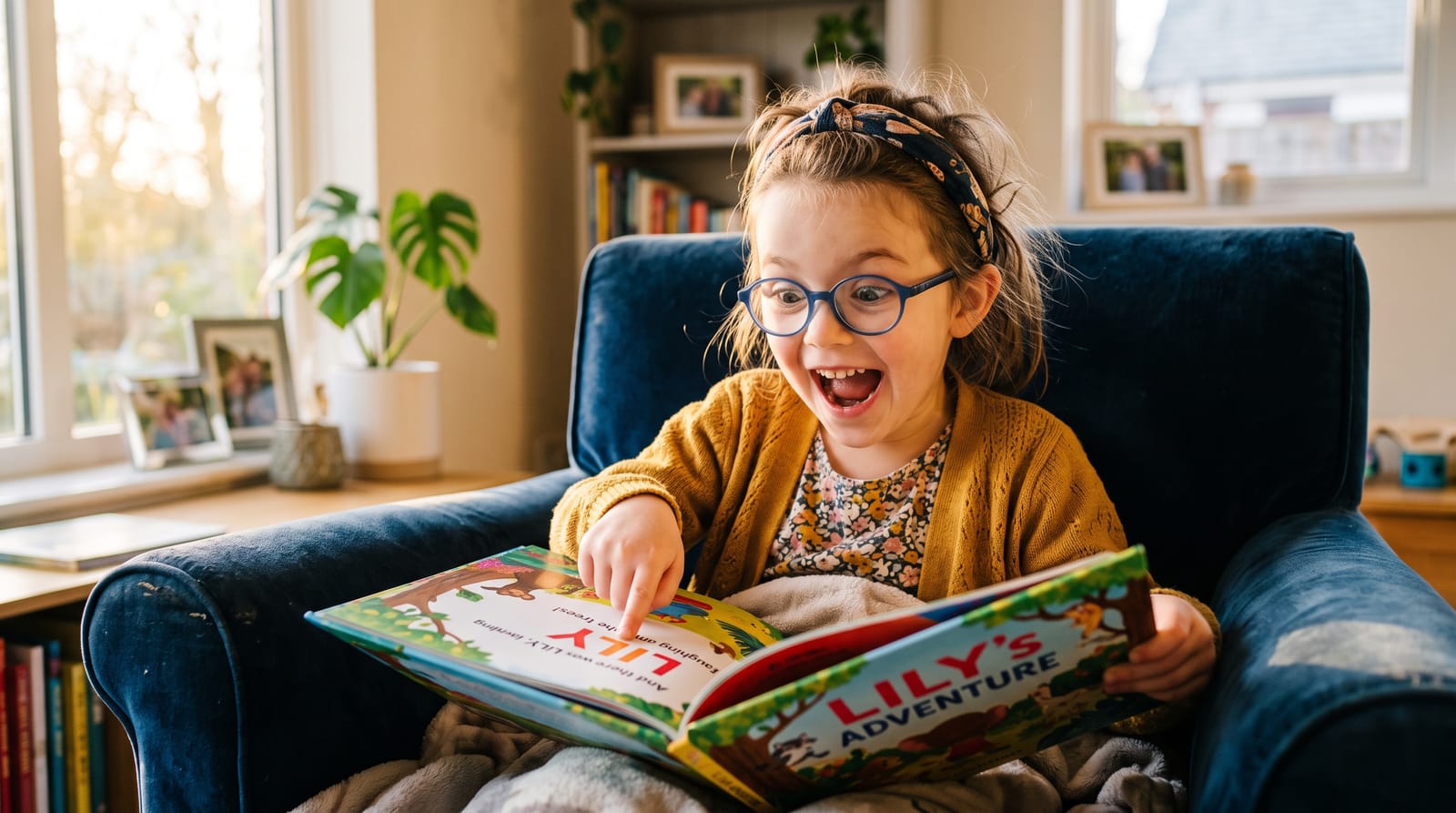
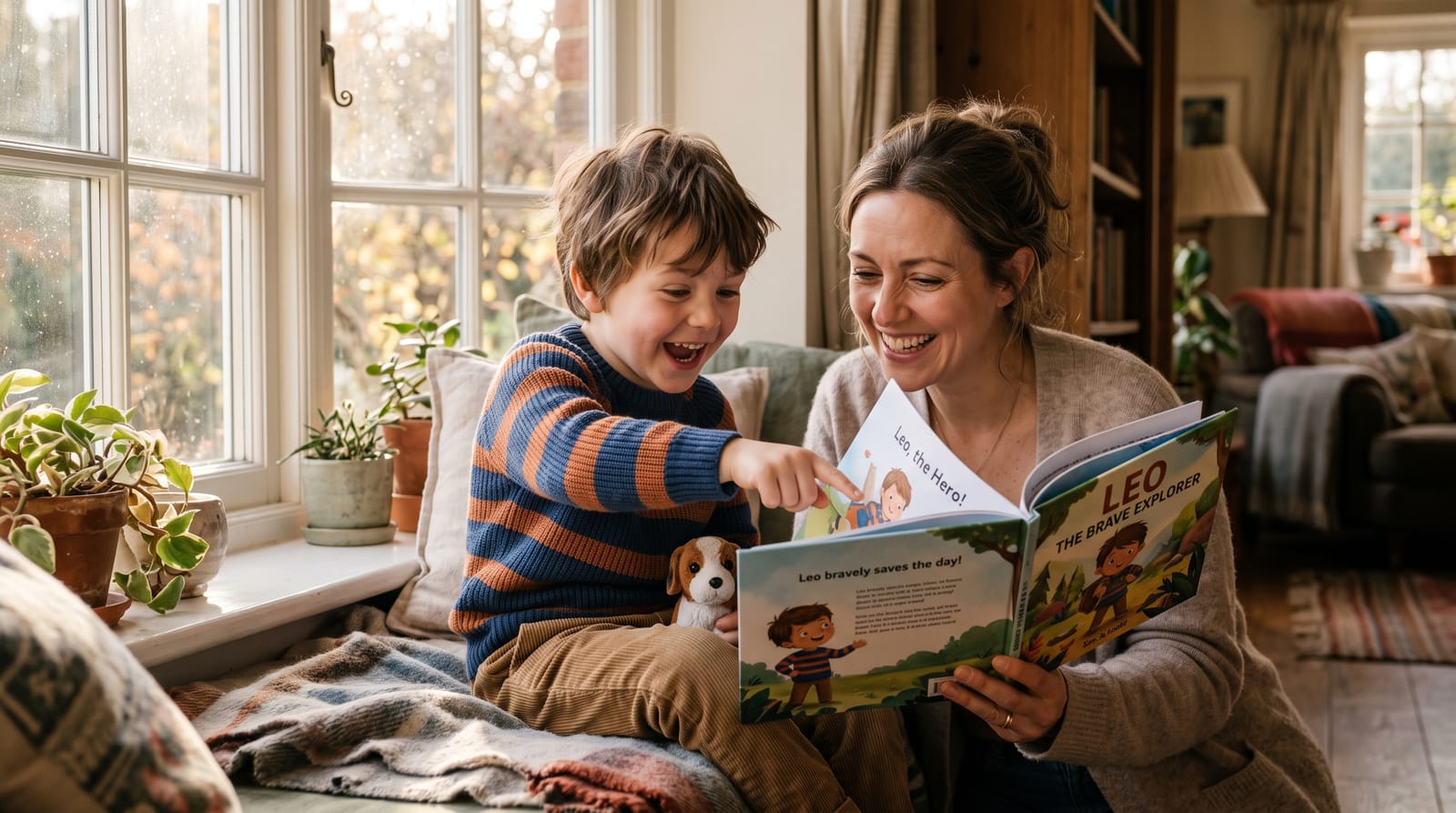
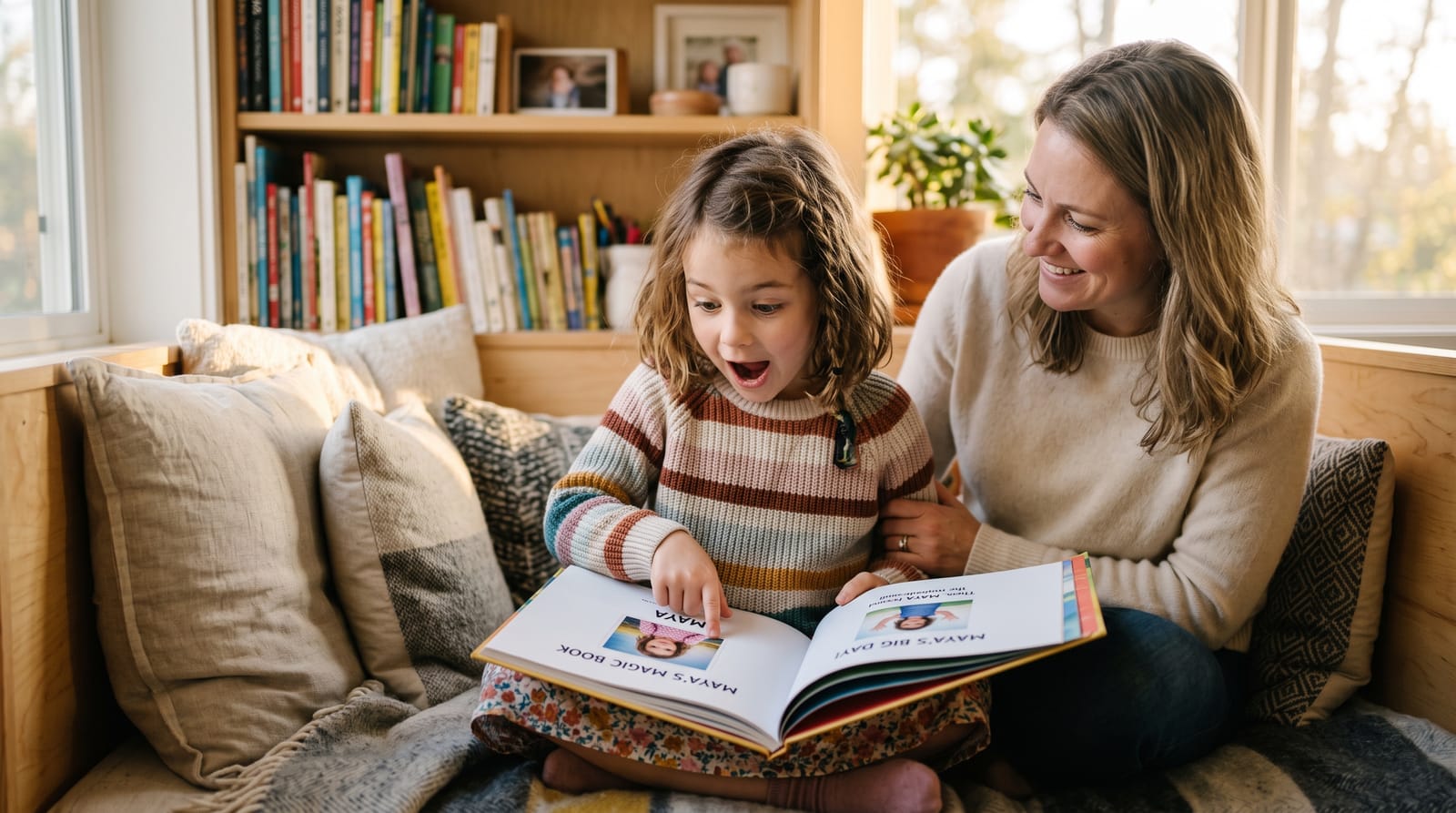
The traditional picture book is undergoing a quiet revolution. We are moving away from the era of "one-size-fits-all" narratives and toward a landscape that prioritizes relevance, emotional intelligence, and radical inclusion. At the heart of this shift is the rise of personalized books. By placing the child directly into the narrative, these stories do more than just entertain; they solve the modern dilemma of how to make literature feel both timeless and timely.
The "Classic" Conundrum: Why Some Favorites No Longer Fit
It is a common experience for modern parents: you sit down to read a beloved childhood classic to your little one, only to find yourself pausing, mid-sentence, wondering if the message is actually one you want to instill.
Take, for instance, the theme of unconditional sacrifice. While the intention of older stories was often to teach generosity, many modern readers find that these narratives inadvertently celebrate a lack of boundaries. When a character gives until they are nothing but a stump, it can send a confusing message to a child about their own worth and the importance of reciprocity in relationships.
In {YEAR}, the goal of the picture book has shifted. We want our children to understand that kindness should not come at the cost of their own identity. This is where StorytimeHero and the power of personalization come into play. When a child sees themselves as the hero, the story becomes a rehearsal for real life. Personalization allows us to frame virtues like kindness and bravery within a context of self-respect. Instead of a child watching a character be "taken from," they participate in a story where they are an active, respected participant in their community.
Beyond the Monthly Calendar: Representation as a Daily Reality
There has been a wonderful push in recent years to celebrate diverse voices during specific times of the year—highlighting female athletes in March or neurodivergent characters during awareness months. While these initiatives are vital, the modern picture book needs to move beyond the "special occasion" mentality.
True representation isn't a guest at the table; it’s a permanent seat. For a young girl, seeing a female athlete achieve greatness shouldn't be a lesson reserved for a specific month; it should be part of the fabric of her daily reading. However, even the most diverse library can feel like a collection of "others" if the child doesn't see a direct connection to their own potential.
Personalized books bridge this gap by turning "she can" into "I can." When a child is the protagonist of a story about perseverance, athleticism, or leadership, the psychological barrier between the reader and the achievement dissolves. It moves the conversation from "Look at what this person did" to "Look at what I am capable of." This shift is essential for building a child's internal narrative of competency.
For more on how this impacts a child's development, you might explore Modernizing the Picture Book: The Power of Personalization.
Celebrating Every Kind of Brain: The Neurodiversity Shift
One of the most profound evolutions in the modern picture book is the recognition that every brain works differently. In the past, characters who experienced the world through a different sensory or cognitive lens were often portrayed as problems to be solved or mysteries to be explained.
Today, we are seeing a beautiful influx of stories that celebrate the "curiosities" of the human mind. Whether it’s a character who communicates through the rhythm of a river or a child who finds comfort in a specific, safe space, these stories validate the lived experiences of neurodivergent children.
But even with these strides, a traditional book is still a fixed object. It describes a child’s experience, which may or may not perfectly align with your own child’s unique sensory profile or communication style. Personalization offers a solution by making the child the undisputed center of the experience.
When a story is personalized, it acknowledges the child’s specific presence in the world. For a child who might feel "different" in a traditional classroom or social setting, seeing their name and likeness in a book where they are the hero provides a sense of safety and belonging that a generic story simply cannot replicate. It reinforces the idea that their way of being is not just "accepted," but is the very thing that makes the story possible.
You can dive deeper into this topic in our guide on Resilience & Representation in Picture Books.
From Spectator to Protagonist: Why Personalization Matters
Why does it feel so different when a child’s name is on the page? It comes down to the "Mirror and the Map" philosophy. A good picture book should act as a mirror (reflecting the child’s own life) and a map (showing them where they can go).
In a standard picture book, the child is a spectator. They are watching someone else’s map. They are looking into someone else’s mirror. While this builds empathy—a crucial skill—it doesn't always build the same level of self-assurance.
Personalized books turn the reader into the protagonist. This changes the way the brain processes the information. When "Sammy" faces a challenge in a book, the child named Sammy isn't just learning about resilience; they are practicing it. This "narrative rehearsal" is a powerful tool for navigating real-world hurdles, from the first day of school to learning a new skill.
By integrating the child’s identity into the story, we are How Personalized Books Redefine the Picture Book and creating a deeper emotional anchor for the lessons within.
Building the New "Golden" Library
The goal of modernizing the picture book isn't to throw away the past, but to build a more inclusive and relevant future. We can still cherish the books that gave us comfort as children, but we have a responsibility to supplement them with stories that speak to the world our children are actually living in.
The new "golden" library is one that is:
- Dynamic: Stories that grow with the child and reflect their changing world.
- Inclusive: Books that don't just "mention" diversity but center it through the child's own identity.
- Respectful: Narratives that model healthy boundaries, mutual respect, and emotional honesty.
By choosing personalized books, you aren't just buying a gift; you are creating a lasting artifact of your child’s childhood. These are the books that will stay on the shelf long after the "classics" have been donated, because they contain the one thing no other book can: the child themselves.
To see how this fits into the broader evolution of children's literature, check out The Evolution of the Modern Picture Book.
Frequently Asked Questions
Related Reading
- How Personalized Books Support Modern Parenting
- The Mirror and the Map: Personalized Picture Books
- How Personalization Transforms the Picture Book
- How Personalized Books Enhance Modern Picture Books
In the end, the best picture book is the one that makes a child feel seen, heard, and valued. By embracing the power of personalization, we are ensuring that the stories we tell today are the ones that will truly withstand the test of time.
Free preview checklist
Get the personalized book gift checklist
Know what photo to use, what to write in the dedication, and what to review before ordering.