How Personalized Books Reimagine Picture Books | StorytimeHero
Upload a photo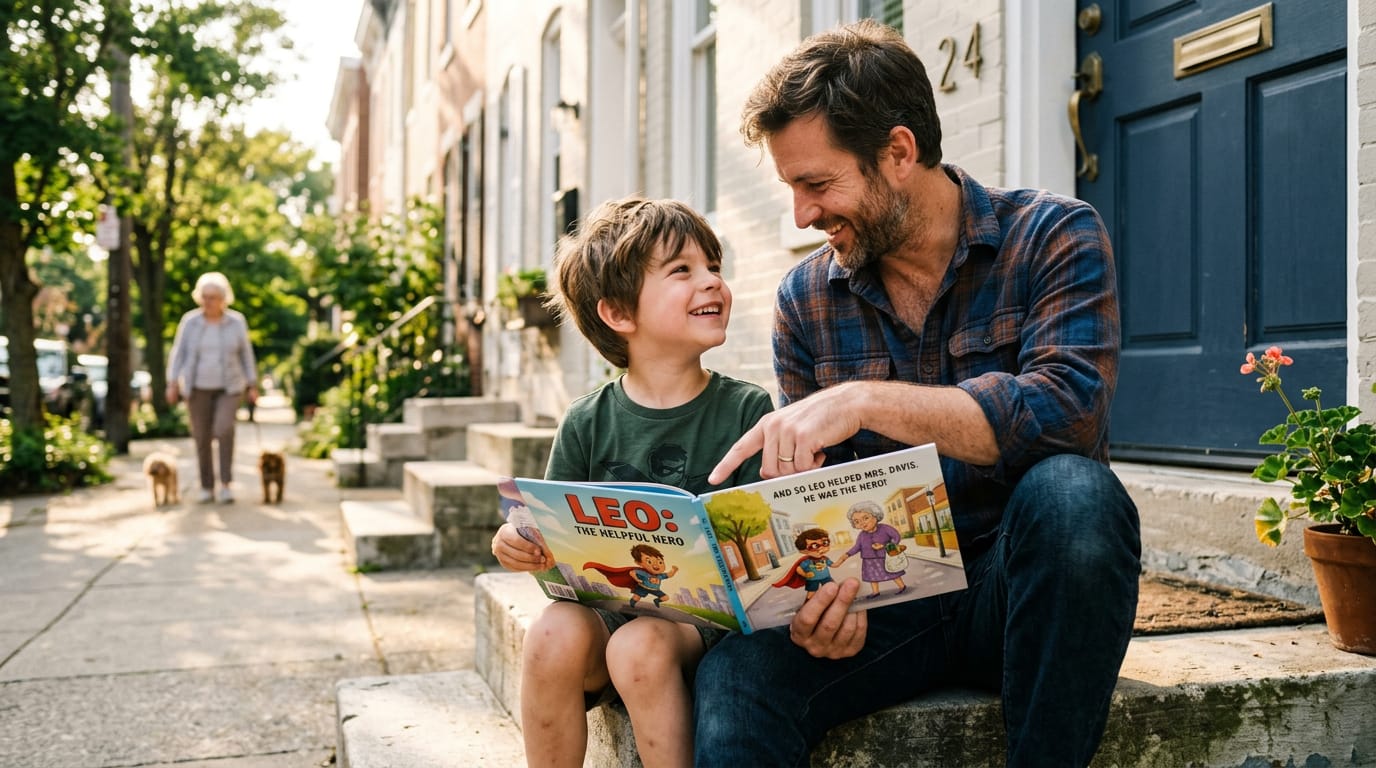
The traditional picture book has always been a cornerstone of childhood. For generations, these bound volumes of art and prose have served as a child’s first window into the wider world. We remember the smell of the pages, the rhythm of the rhymes, and the comforting weight of a parent’s arm as we explored distant lands from the safety of a bedroom. However, as our society shifts and our understanding of childhood development evolves, the way we approach the picture book is undergoing a profound transformation.
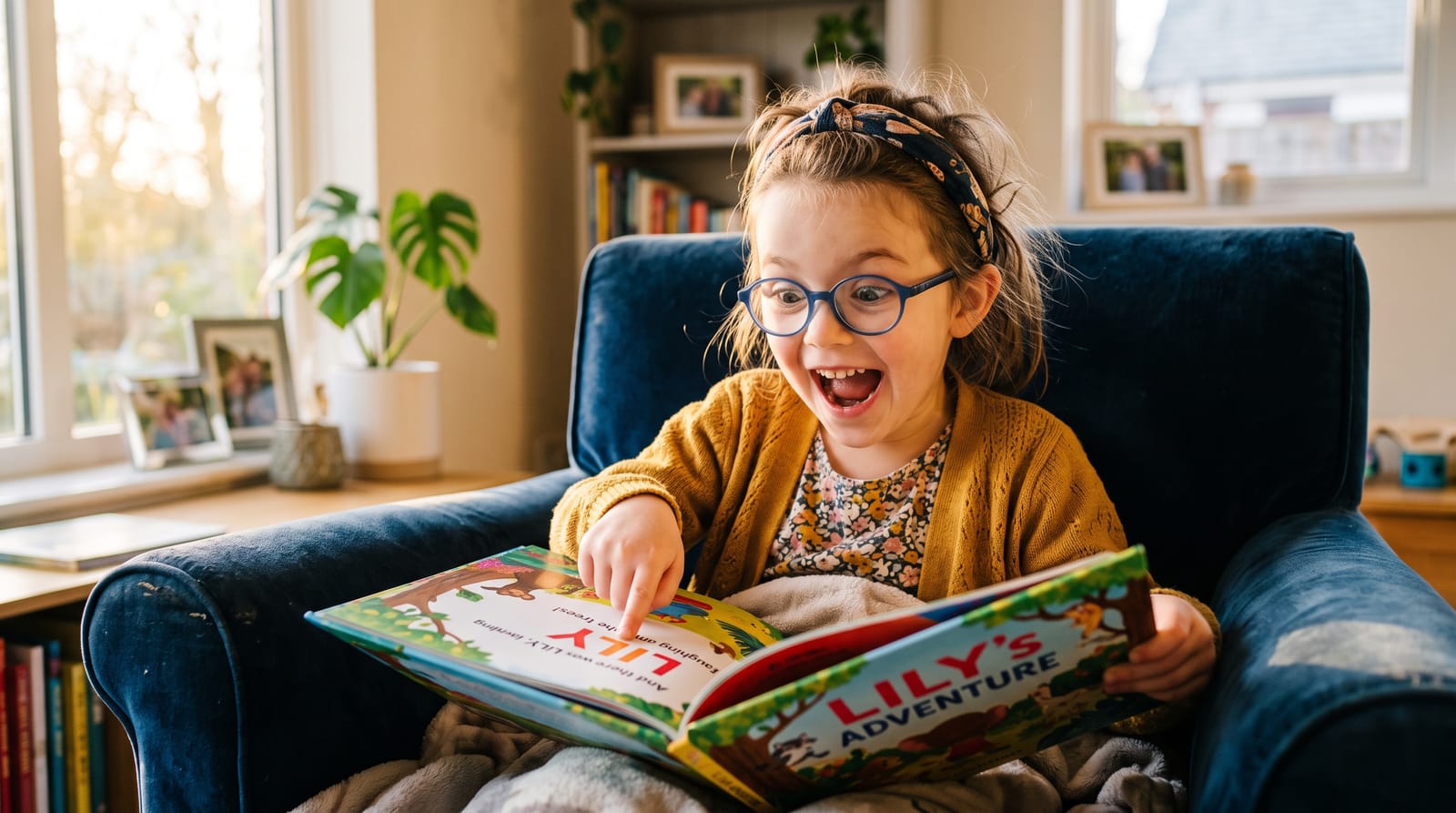
In {YEAR}, parents are looking for more than just a pleasant story. We are looking for tools that help our children navigate a world that feels increasingly complex, isolated, and rapidly changing. This is where the emergence of personalized books has changed the landscape. By placing a child directly into the narrative, we are seeing a shift from passive observation to active participation.
At StorytimeHero, we believe this evolution isn't just about adding a name to a page; it’s about addressing the specific gaps that traditional literature sometimes leaves behind.
The Shift from Isolation to Community Connection
One of the most pressing challenges facing modern families is the rise of "hyper-independence." Many of us grew up in an era where the neighborhood was an extension of the home, but today, digital convenience often replaces face-to-face interaction. We can order groceries, work, and entertain ourselves without ever speaking to the person living next door. While this offers efficiency, it can inadvertently model a sense of isolation for our children.
The modern picture book is increasingly tasked with rebuilding this sense of "the neighborhood." However, when a child reads a story about a fictional character helping a neighbor, there is still a layer of abstraction. The child is watching someone else be a "helper."
When you introduce personalized books into this equation, that abstraction vanishes. When the story features the child by name, walking down a street that mirrors their own reality and engaging in acts of kindness, the lesson moves from the theoretical to the practical. It teaches the child that they are a vital thread in their local fabric. It moves the needle from "someone should help" to "I am the person who helps." This subtle shift helps combat the modern trend of isolation by framing the child as an active architect of their own community.
Moving Beyond Outdated Narratives
Many of us hold deep nostalgia for the classics we read as children. We want to share the same stories that our parents read to us. Yet, as we revisit some of these "overrated" classics with a modern lens, we often find themes that don’t quite align with the values we want to instill today.
Consider the themes of unconditional, one-sided sacrifice that were prevalent in mid-century children's literature. While the intention was often to teach generosity, these stories sometimes modeled a lack of boundaries or a "take-and-take" dynamic that doesn't reflect healthy, reciprocal relationships. In a modern context, we want our children to be generous, yes, but we also want them to understand self-worth and the importance of mutual respect.
Personalized books allow parents to bypass these outdated tropes. Instead of a story where a character gives until they are a mere stump, a personalized narrative can center on the child learning the joy of balanced giving. It allows for a Modernizing the Picture Book: The Power of Personalization where the child learns that their presence and their contributions have value, and that healthy relationships are built on appreciation and shared effort. By tailoring the narrative, we ensure the "moral of the story" is one that actually serves the child in the {YEAR} world.
Representation as a Daily Reality, Not a Monthly Event
There has been a beautiful and necessary push for more diversity in children’s literature. We see more books celebrating athletes of all genders, characters from various cultural backgrounds, and stories that highlight different abilities. This progress is vital. However, a common pitfall in traditional publishing is the "thematic" approach—where certain identities are only highlighted during specific months of the year.
The power of the personalized picture book is that it makes representation a 365-day-a-year reality. For a young girl who loves sports, seeing herself as the star of a hockey game or a rock-climbing champion shouldn't be a "special" story saved for Women’s History Month. It should be her Tuesday night bedtime story.
When a child sees their own likeness and name associated with strength, intelligence, and bravery, it redefines their internal "image of what is possible." We are no longer just telling them that "girls can be athletes"; we are showing them that they are the athlete. This brand of Resilience & Representation in Picture Books is incredibly potent because it doesn't just ask the child to look at a hero—it asks them to recognize the hero in the mirror.
The Cognitive Impact of "The Self" in the Story
From a developmental perspective, the "name-recognition effect" is a powerful tool for literacy and emotional intelligence. When a child hears their own name in a narrative, their attention levels spike. This isn't just vanity; it’s a biological response to a highly relevant stimulus.
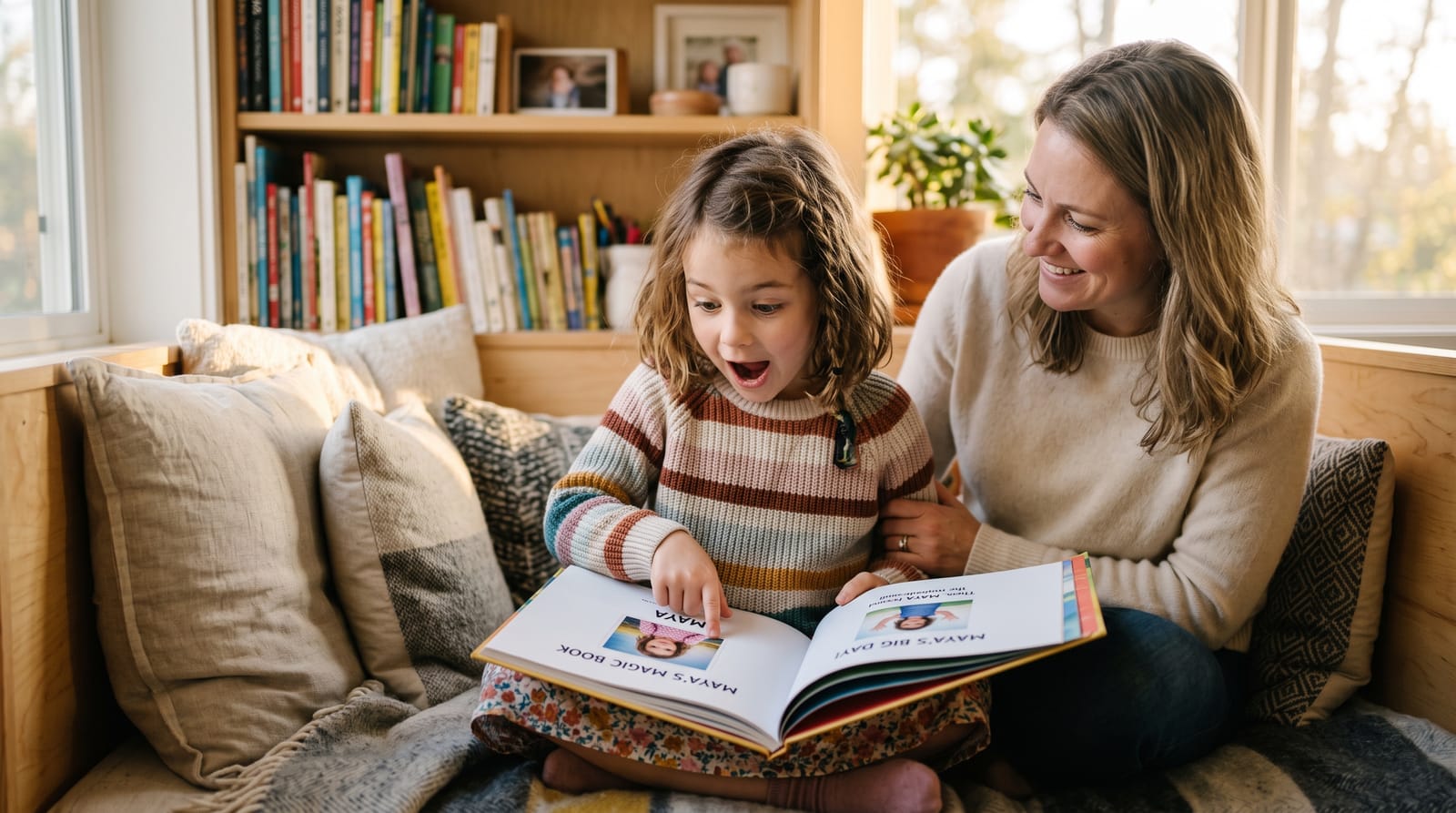
In a traditional picture book, a child must do the cognitive heavy lifting of empathizing with a character who looks and acts differently than they do. While this is a crucial skill for developing empathy, it can sometimes be a barrier for younger readers or those who struggle with focus. Personalization removes that barrier. By making the child the protagonist, the story becomes a "social rehearsal."
The child isn't just learning how Timothy handled being nervous on the first day of school; they are practicing how they will handle it. This "live-like" philosophy helps children build a reservoir of confidence. They have already "seen" themselves succeed in the pages of their book, making the real-world application of those skills feel much more attainable. This is a core part of How Personalized Books Evolve the Picture Book, turning reading time into a coaching session for life’s little (and big) hurdles.
Strengthening the Family Narrative
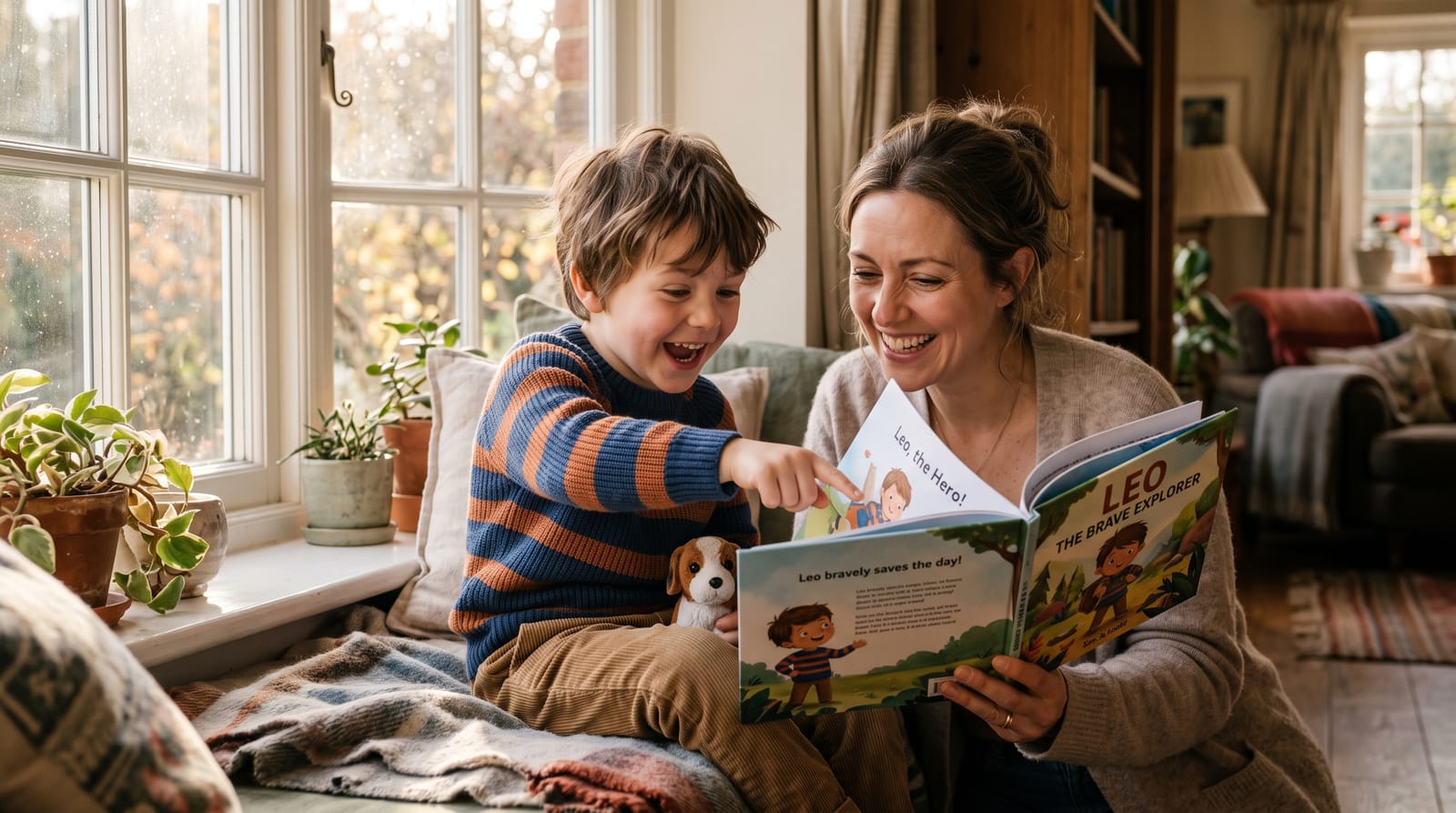
Beyond the individual development of the child, the personalized picture book serves as a bridge for family connection. In a world of fragmented attention and digital distractions, the act of reading together is one of the few remaining "sacred" spaces in a daily routine.
When the book is personalized, it often includes details that ground the story in the family’s unique culture. It might mention a favorite family pet, a specific town, or a beloved grandparent. This transforms the book from a mass-produced product into a family heirloom. It reinforces the idea that the child’s life is a story worth telling.
This sense of belonging is perhaps the greatest gift a parent can give. In an era where many feel like just another face in the crowd, a personalized book says, "You are the center of this story. You are seen, you are known, and you belong here." This is why we often discuss How Personalized Books Build Family Bonds—because the story doesn't end when the book is closed; it continues in the way the family perceives its own shared history.
The Future of the Picture Book: Dynamic and Inclusive
As we look toward the future of children's literature, the trend is clear: we are moving toward stories that are more dynamic, more inclusive, and more reflective of the individual child's experience. The traditional picture book will always have a place on our shelves, but the personalized book is filling a specific, modern need for relevance and engagement.
StorytimeHero is proud to be part of this shift. We understand that every child is a "hero" in their own right, and our goal is to provide the canvas where that heroism can be explored. Whether it’s teaching a child to "look for the helpers" in their neighborhood or helping them visualize their own path to success in sports or school, personalization is the key that unlocks a deeper level of connection to the written word.
By focusing on community, healthy boundaries, and consistent representation, we aren't just creating books; we are creating blueprints for a more confident, connected, and empathetic generation. The picture book is no longer just a window; it has become a mirror, a map, and a cherished companion on the journey of growing up.
---
Frequently Asked Questions
Related Reading
Free preview checklist
Get the personalized book gift checklist
Know what photo to use, what to write in the dedication, and what to review before ordering.