Modernizing the Picture Book Through Personalization | StorytimeHero
Upload a photo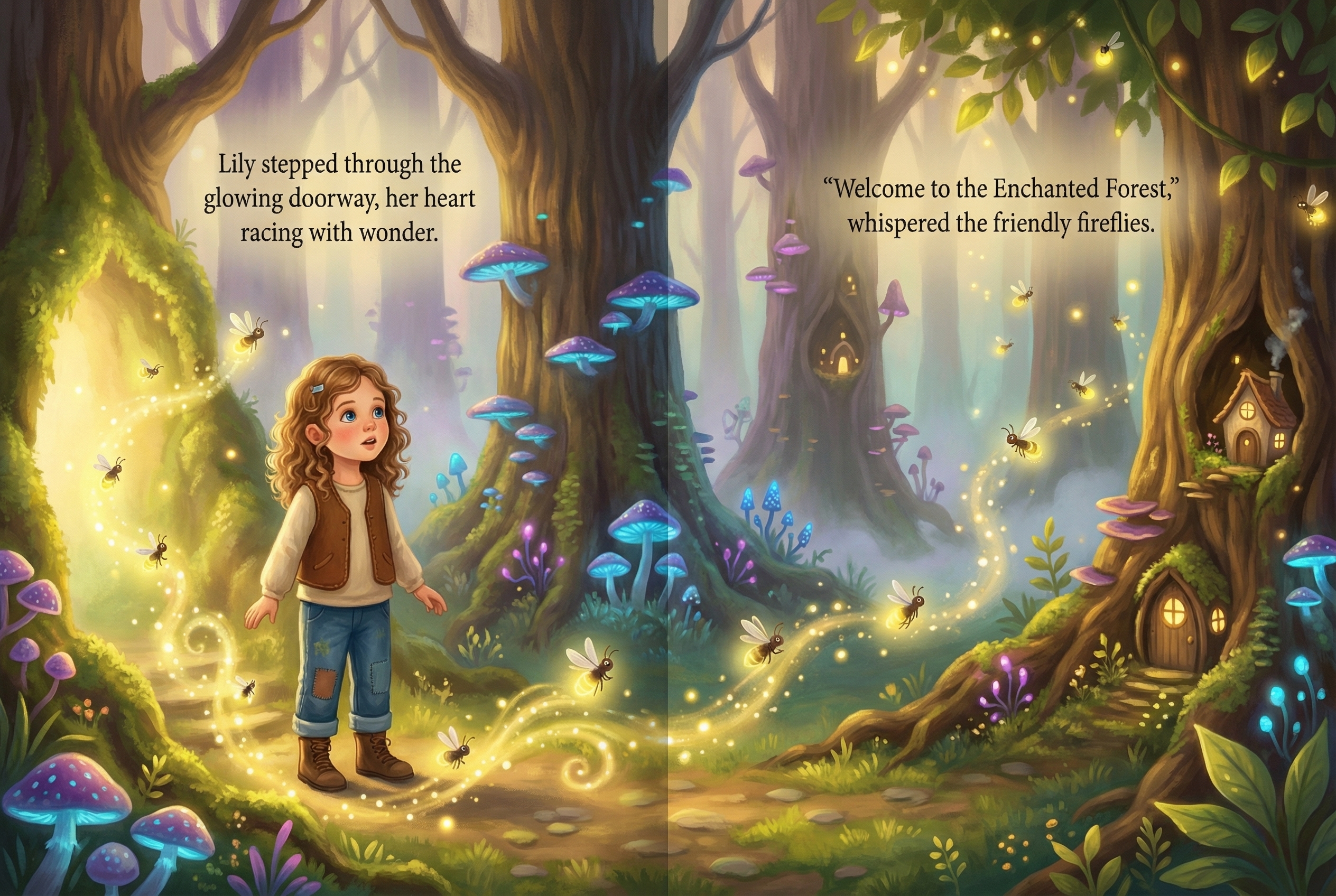
There is a specific kind of magic that happens in the quiet moments before sleep, when the glow of a bedside lamp illuminates the pages of a well-loved story. For generations, the picture book has served as a child’s first window into the wider world. It is where they learn about kindness, bravery, and the complex tapestry of human emotion. However, as we navigate the unique landscape of {YEAR}, many parents are noticing a subtle disconnect between the stories on their shelves and the world outside their front doors.
The traditional children's book, while often beautiful and nostalgic, can sometimes feel static. In an era defined by rapid social change, digital connectivity, and a shifting sense of community, the "relevance gap" is becoming more apparent. This is where the evolution of storytelling—specifically through personalized books—is stepping in to fill the void. By placing a child at the center of the narrative, we aren’t just reading them a story; we are helping them rehearse for life in a modern world.
Strengthening the Social Fabric: Teaching Community Through Active Participation
One of the most profound shifts in modern parenting is the way we conceptualize "neighborliness." A generation or two ago, community was often an organic, albeit sometimes inconvenient, part of daily life. There were phone trees for school closures, unexpected knocks on the door for a cup of sugar, and a general sense of shared space.
Today, our lives are often characterized by a high degree of "hyper-independence." We value the convenience of contactless deliveries and the privacy of fenced-in yards. While these modern comforts are undeniable, they can inadvertently teach our children that isolation is the default state.
When a standard picture book discusses being a "good neighbor," it often does so through abstract characters—animals in a forest or fictional children in a generic town. While these stories are sweet, they can feel like distant fables. Personalized books bridge this gap by making the child the protagonist of their own community-building adventure.
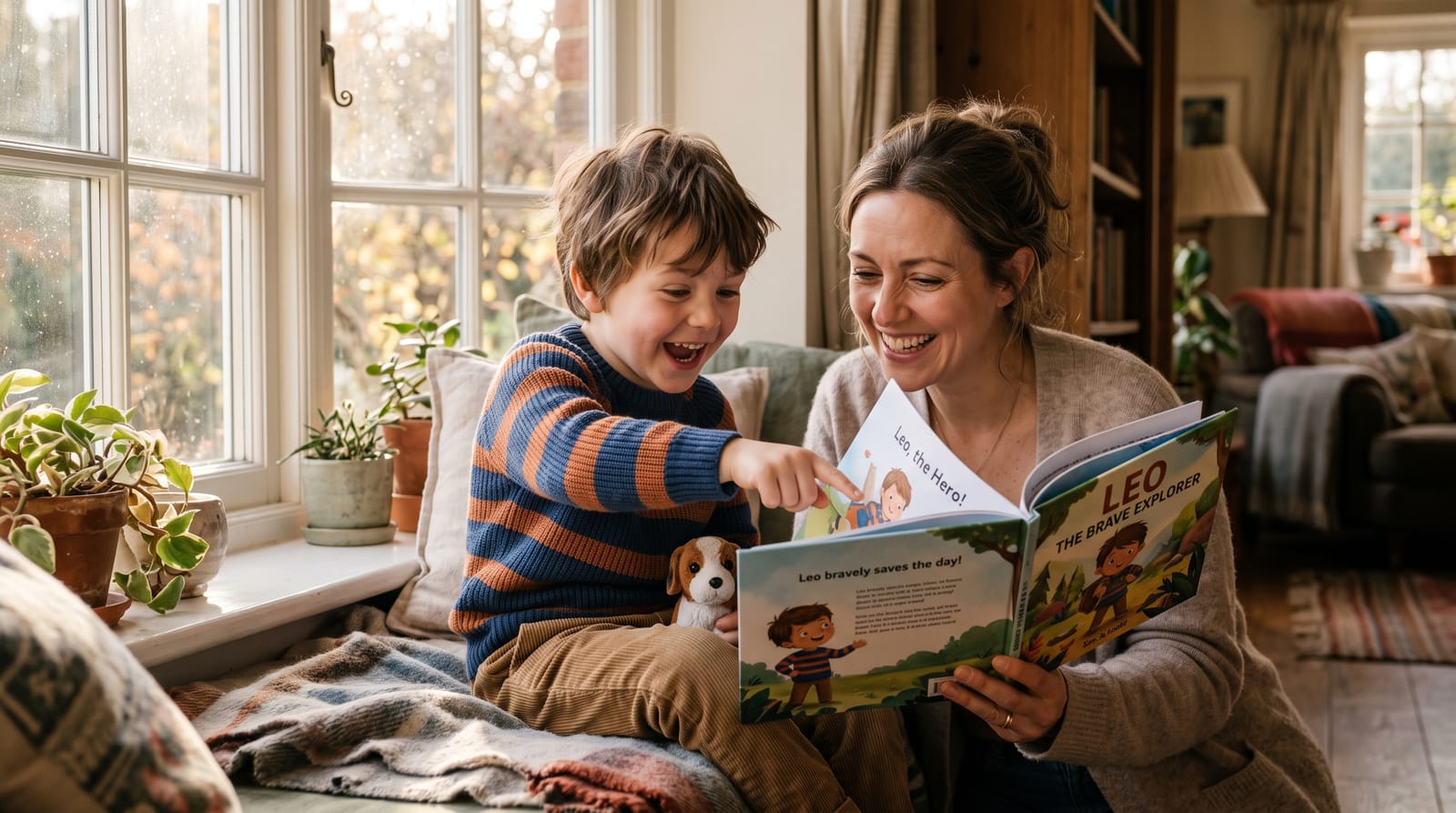
When a child sees themselves helping a "neighbor" in a story, the lesson shifts from a theoretical concept to a personal identity. They aren't just learning what a helper does; they are seeing themselves as the helper. This internal shift is crucial for fostering the empathy required to look past our modern digital barriers and reconnect with the people living right next door. For more on this, explore how we are Modernizing the Picture Book with Personalization.
Moving Beyond Outdated Tropes: Crafting Meaningful Connections
Many of us hold deep nostalgia for the classics we read as children. We remember the rhythm of the prose and the comfort of the illustrations. However, as we re-read these stories to our own children in {YEAR}, we might find that some themes haven't aged as well as we’d hoped.
Consider the traditional trope of "unconditional giving" often found in older literature. While generosity is a cornerstone of a good life, modern psychology emphasizes the importance of reciprocity and healthy boundaries. Some classic narratives portray a one-sided relationship where one character gives until they are depleted, while the other takes without gratitude. In a modern context, we want to teach our children that healthy relationships are built on mutual respect and appreciation, not just self-sacrifice.
Personalized books allow parents to move away from these "overrated" tropes and toward narratives that reflect modern values. By using platforms like StorytimeHero, parents can ensure the stories their children consume are teaching resilience and agency rather than passive compliance. When the child is the hero, the story can focus on problem-solving, emotional intelligence, and the joy of a shared accomplishment. This shift ensures that the picture book remains a tool for empowerment rather than just a vessel for outdated social scripts. You can read more about this transition in our guide on Reimagining the Picture Book for Modern Families.
Representation as a Daily Practice, Not a Monthly Celebration
In recent years, there has been a wonderful push for more diversity in children’s literature. We see more books celebrating athletes of all genders, protagonists from various cultural backgrounds, and stories that highlight different physical abilities. This progress is vital. However, a common pitfall is treating representation as a "special event"—something we focus on only during specific months of the year.
True belonging happens when diversity is the background noise of a child’s life, not just a highlighted lesson. A child should see women as champions, people of color as leaders, and individuals with disabilities as adventurers every single day.
Personalized books take this a step further by offering "representation through embodiment." When a child—regardless of their background—sees themselves in a role traditionally reserved for a specific archetype, it shatters internal glass ceilings before they are even formed. If a young girl sees herself as the star of a hockey story or a rock-climbing champion in her nightly picture book, that identity becomes part of her foundational self-image.
This is the power of StorytimeHero: it moves representation from the "other" to the "self." It’s not just a book about a girl who can climb; it’s a book about her climbing. This subtle shift in narrative perspective is one of the most effective ways to build lasting confidence and a sense of belonging in an increasingly diverse world. For a deeper dive into this topic, see our article on Personalized Books: Representation and Embodiment.
The Psychology of the Mirror: Why Being the Hero Matters
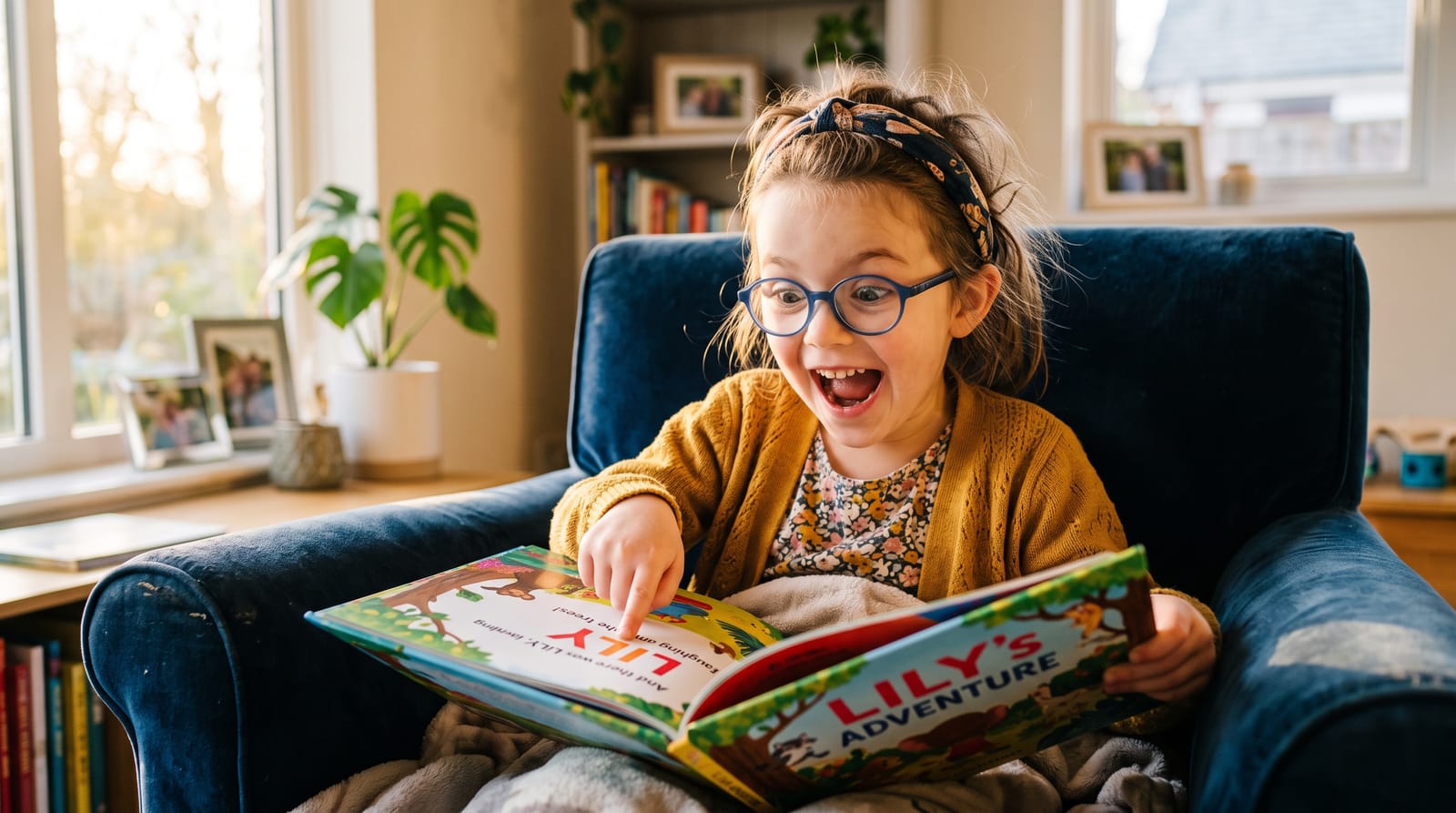
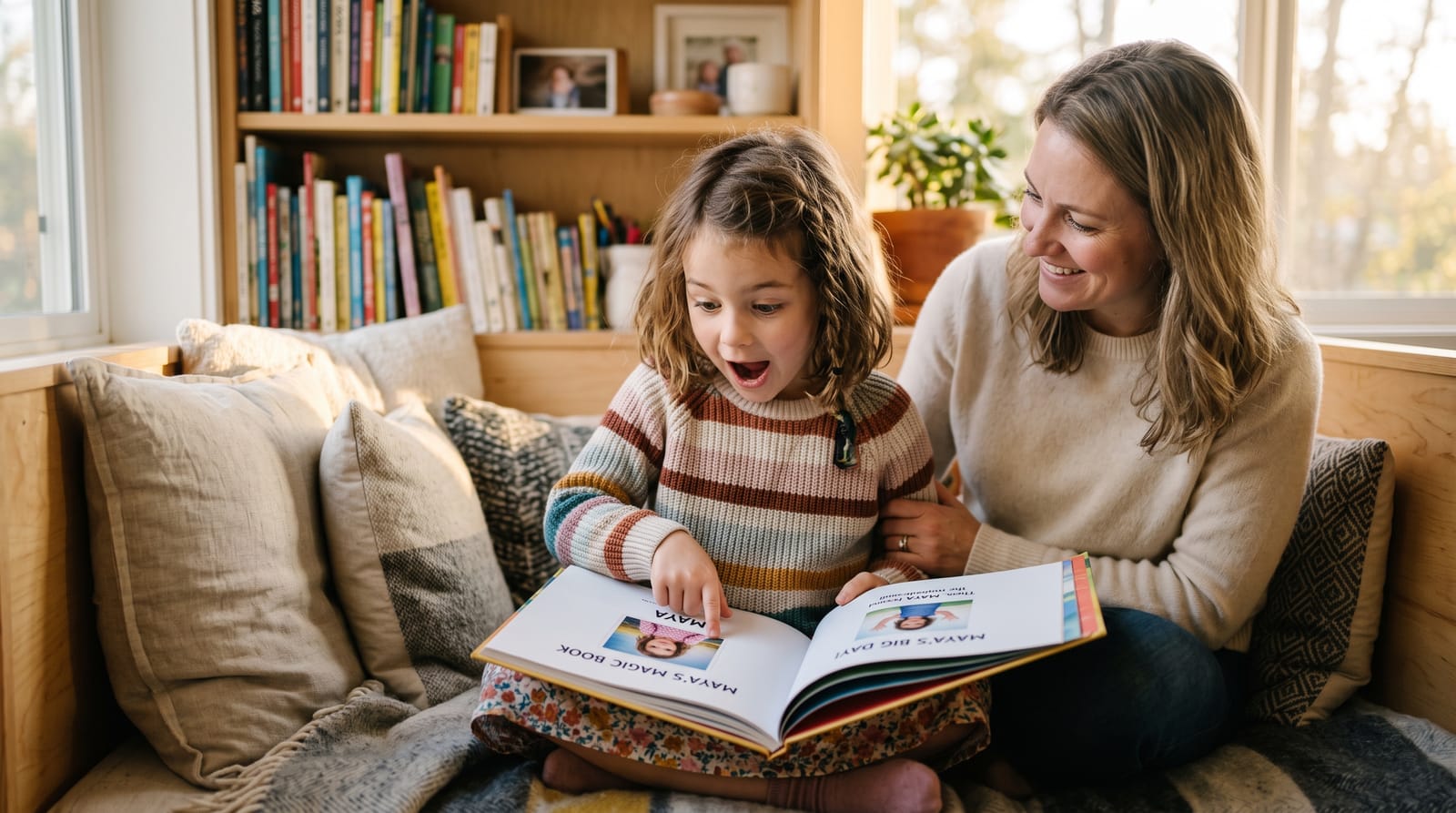
Why does it matter so much if a child’s name and likeness appear in a picture book? From a developmental standpoint, the "name-recognition effect" is a powerful motivator. Children are naturally ego-centric in their early years; they are the center of their own universe. By leaning into this developmental stage rather than fighting it, personalized books capture a child’s attention more effectively than standard narratives.
When a child hears their own name in a story, their brain signals that the information following is highly relevant. This increased engagement leads to better retention of the story’s moral or lesson. If the story is about overcoming a fear of the dark or learning to share, the child isn't just watching a character named "Timmy" do it—they are experiencing the triumph themselves.
This "mirror effect" helps children process complex emotions in a safe, controlled environment. If the world feels scary or overwhelming, a story where the child successfully navigates a challenge acts as a psychological rehearsal. It builds a "bravery muscle" that they can flex in real-life situations.
Navigating the "Inconvenience" of Modern Growth
We live in a world that prioritizes "frictionless" experiences. We want our food fast, our news in snippets, and our entertainment on demand. But character building is inherently "frictional." It requires showing up when it’s inconvenient, practicing when it’s hard, and engaging with people who are different from us.
The modern picture book must address this. It needs to be more than just a distraction; it needs to be an anchor. Personalized books provide this by creating a "living narrative" that grows with the child. As their world expands, their stories can expand with them.
At StorytimeHero, we believe that the best stories are the ones that make us feel seen. By combining the timeless charm of the picture book with the precision of personalization, we are helping parents create a library that is as unique and vibrant as their children are. These aren't just books to be read; they are memories to be built and identities to be forged.
Conclusion: Setting the Stage for the Future
As we look toward the future of children's literature, it is clear that the role of the reader is changing. The child is no longer just a passive observer of someone else's journey; they are an active participant in their own growth. By addressing the gaps in community, updating our moral narratives, and making representation a daily reality, personalized books are redefining what a picture book can achieve.
Whether it’s teaching a child to be the "helper" in their neighborhood or helping them see themselves as a champion athlete, these stories provide the framework for a resilient, empathetic, and confident life. The classics will always have a place on our shelves for the sake of nostalgia, but the personalized story is what will prepare our children for the world of tomorrow.
---
FAQ: Frequently Asked Questions About Personalized Books
Q: Are personalized books just a gimmick, or do they actually help with learning?
A: While they certainly have a "wow" factor, the benefits are backed by developmental psychology. The "self-reference effect" suggests that people (including children) remember information better when it is related to themselves. In the context of a picture book, this means higher engagement and better retention of literacy skills and social lessons.
Q: My child already has a lot of books. Why should I add a personalized one?
A: Personalized books serve a different purpose than a standard library. While general stories introduce children to new worlds, personalized books help them navigate their world. They are particularly effective for addressing specific milestones, such as starting school, moving house, or building self-esteem.
Q: Can a personalized book help a child who is struggling with social anxiety?
A: Yes. By creating a story where the child successfully navigates a social situation—like meeting a new neighbor or playing with a group—you are providing them with a "social script." This allows them to visualize success and reduces the fear of the unknown when they face similar situations in real life.
Q: Is StorytimeHero appropriate for all ages?
A: While the peak age for the picture book format is typically 2 to 8 years old, the emotional impact of a personalized story can resonate much longer. Even older children find value in stories that affirm their identity and place within their family and community.
---
Related Reading
If you enjoyed this exploration of modern storytelling, you might find these other articles from StorytimeHero helpful:
- **Modern Values & Community in Picture Books:** A deeper look at how we can use stories to rebuild the social ties that modern life often stretches thin.
- **The Evolution of the Modern Picture Book:** How the transition from passive reading to active participation is changing the way children learn.
- **How Personalized Books Build Family Bonds:** Discover how sharing a story where your child is the hero can create lasting emotional connections between parents and children.
- **The 'Live-Like' Philosophy in Personalized Books:** Understanding how "rehearsing" for life through fiction can build real-world resilience.
Free preview checklist
Get the personalized book gift checklist
Know what photo to use, what to write in the dedication, and what to review before ordering.