Modernizing the Picture Book with Personalization | StorytimeHero
Upload a photo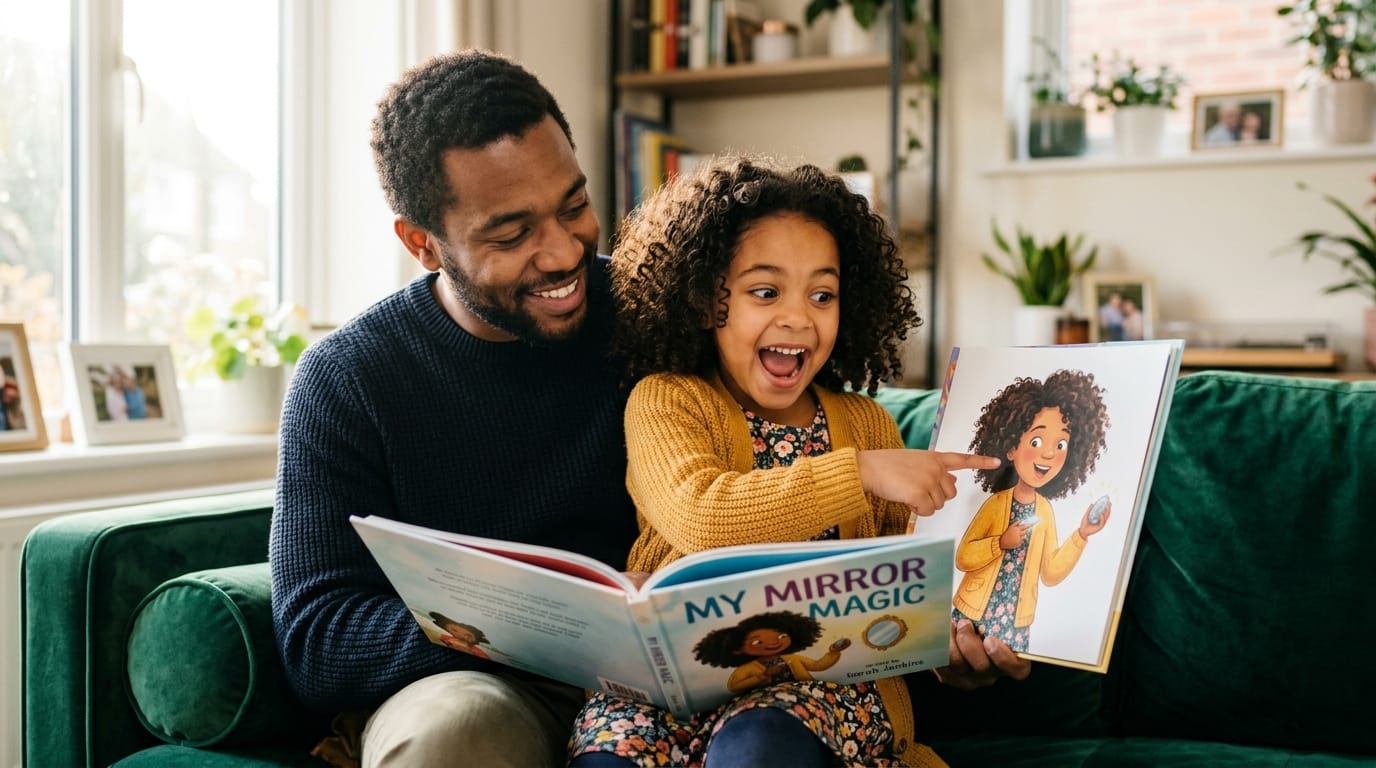
For many of us, the phrase "picture book" triggers a specific sensory memory. It’s the smell of slightly dusty library pages, the weight of a hardcover on our laps, and the soothing cadence of a parent’s voice reading a story we’ve heard a hundred times before. These books are the foundation of our literacy, but as we navigate parenting in {YEAR}, we are beginning to realize that the stories of our past don’t always provide the roadmap our children need for the future.
The world has changed significantly since the "classics" were written. We live in an era of hyper-independence, where convenience often comes at the cost of community. We are also more aware than ever of the importance of representation and the need for stories that model healthy, reciprocal relationships. This is where the evolution of the picture book takes a fascinating turn. By introducing personalization, we aren't just changing the name of the protagonist; we are fundamentally shifting how a child interacts with the concepts of empathy, community, and self-worth.
The Shift from Observation to Participation
In a traditional story, the child is an observer. They watch a character—perhaps a bear, a train, or a child from a different era—navigate a conflict. While this builds foundational empathy, there is a natural distance between the reader and the page.
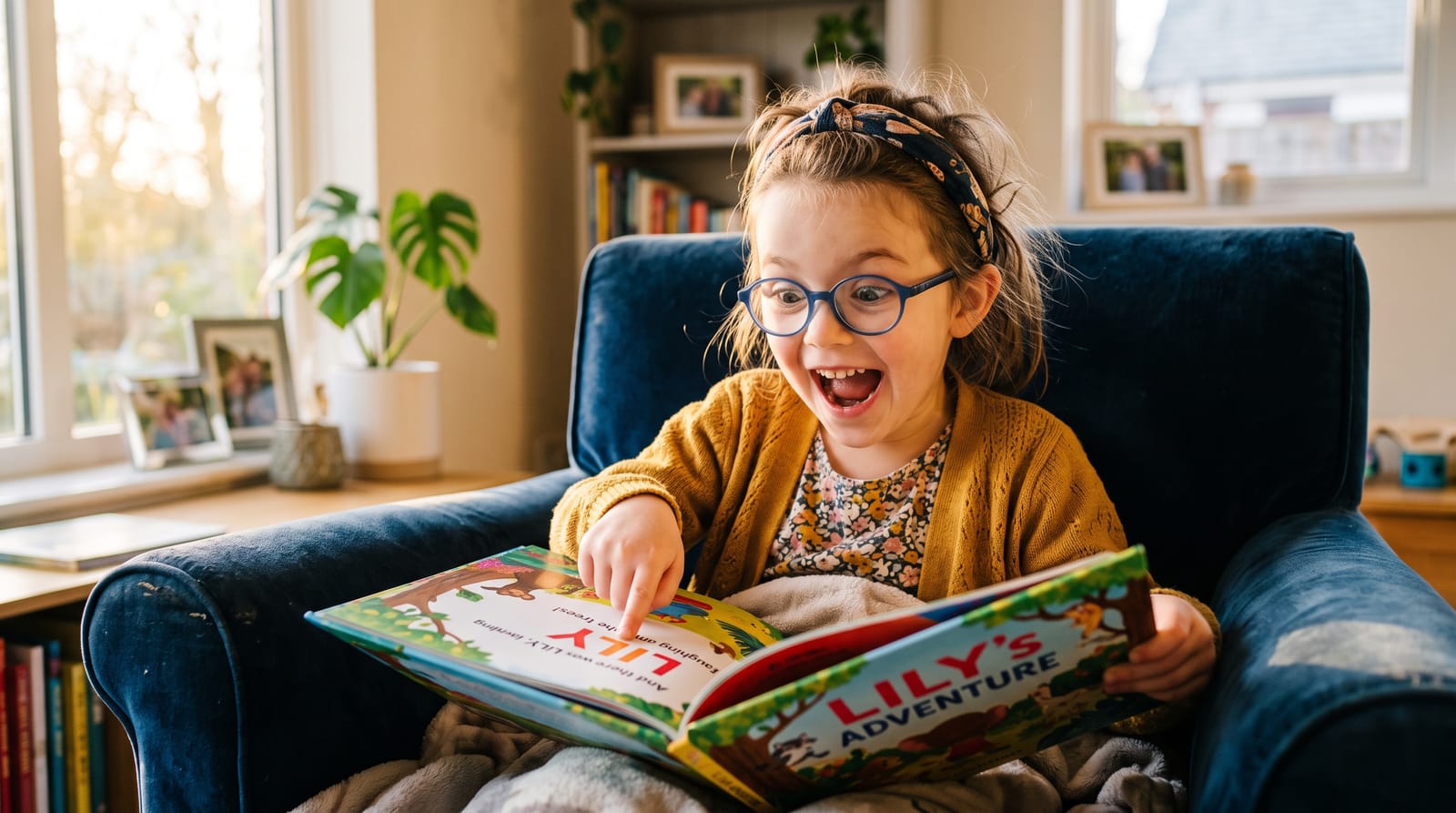
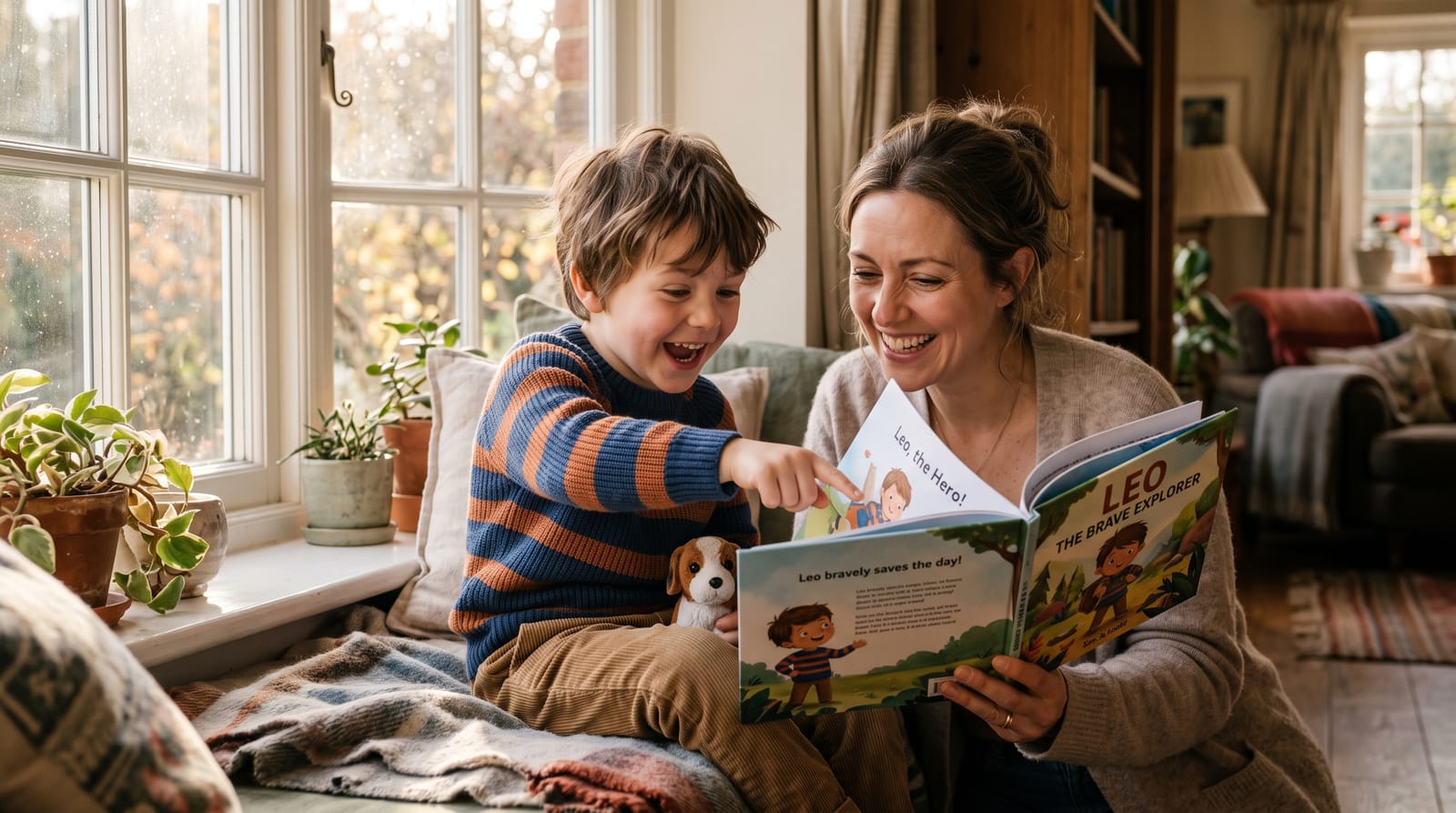
Modern personalized books collapse that distance. When a child sees themselves as the central figure in a narrative about being a good neighbor or a resilient athlete, the story stops being a "lesson" and starts being a "rehearsal." In {YEAR}, the most effective picture book is one that invites the child to be an active participant in their own moral and social development.
Moving Beyond the "Isolated" Protagonist
Many older children’s stories focus on a lone hero’s journey. While there is beauty in independence, modern social critics and educators are noticing a trend toward dangerous isolation. In a world where we can order groceries without speaking to a soul and work from behind a screen, the art of "showing up" for our neighbors is at risk of being lost.
Personalized storytelling allows parents to place their child within a vibrant, interconnected community. Instead of reading about a generic character helping a neighbor, the child sees themselves looking for the helpers and, eventually, becoming one. This mirrors the "Mr. Rogers" philosophy of community-building: it makes the world feel less scary by proving that the child is part of the safety net, not just a bystander watching the world go by.
Rethinking the "Giving" Narrative: Modeling Reciprocity
We often cling to certain classics because of the nostalgia they evoke, but some of these stories carry messages that haven't aged well. Take, for example, the trope of the "limitless giver"—the character who gives everything until they are nothing but a stump. While intended to teach generosity, these narratives often fail to model the importance of boundaries and mutual respect.
In {YEAR}, parents are looking for a more balanced approach. We want our children to be generous, yes, but we also want them to understand that healthy relationships are a two-way street. Personalized books offer a unique solution to this "relevance gap." By placing the child in a story where they both give and receive kindness, the narrative becomes a template for healthy social interaction.
Through personalized books, the child learns that:
- Their contributions are valuable and deserve appreciation.
- Kindness should be sustainable, not self-destructive.
- Community is built on a cycle of mutual support, not one-sided sacrifice.
This shift helps children navigate the world with a sense of agency. They aren't just passive recipients of the world’s demands; they are active negotiators of their own space and relationships. You can explore more about this in our guide on Modernizing the Picture Book: The Power of Personalization.
Representation as a Daily Practice, Not a Monthly Event
There is a growing movement in children's literature to move beyond "theme months." While celebrating Women’s History Month or Black History Month is vital, true representation happens when diverse heroes are visible every day of the year.
For a young girl to see herself as a champion athlete, or for a child with a disability to see themselves as the lead explorer, the story needs to be integrated into their nightly routine. StorytimeHero and other innovators in the field are making it possible to bypass the limitations of traditional publishing schedules.
Instead of waiting for a specific book to be published that "looks like them," children can step into any role—from a mountain climber solving a "problem" on a rock face to a scientist discovering a new planet. This "embodiment" of the hero role is a powerful tool for building self-esteem. When a child is the "star" of their own picture book, the barriers of "who is allowed to be a hero" simply vanish.
This is particularly important for breaking down stereotypes in sports and STEM. By seeing themselves as strong, exuberant, and capable within the pages of a book, children begin to internalize these identities before the world has a chance to tell them otherwise. For more on this, see how we are Reimagining the Picture Book for Modern Families.
The Psychology of Seeing Your Own Name
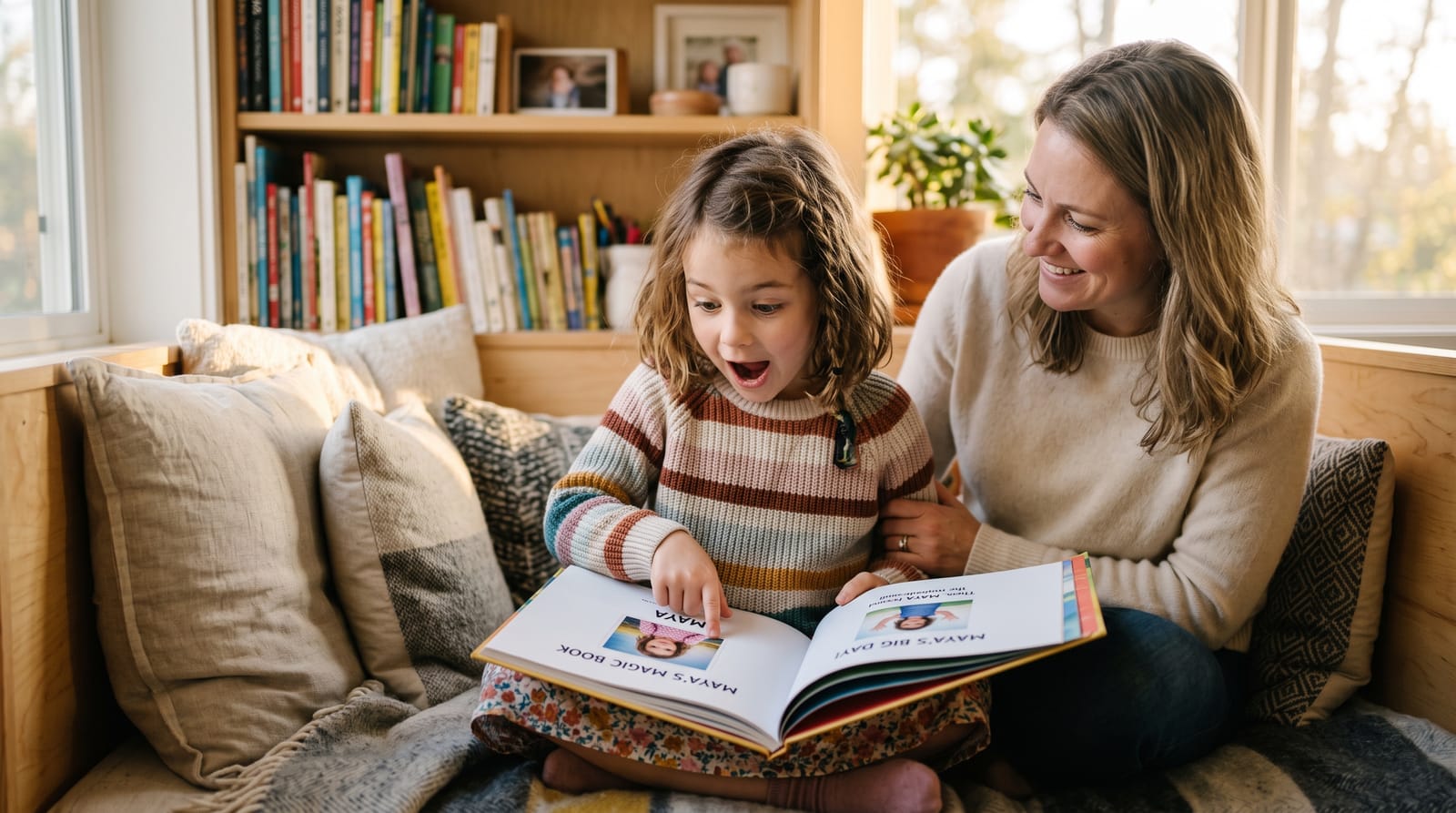
Why does personalization work so well? It’s more than just a novelty. Psychologically, name recognition triggers a higher level of cognitive engagement. When a child hears their own name, their "internal radar" pings. They lean in. They pay closer attention to the consequences of the character’s actions.
This heightened focus makes the picture book an incredible tool for teaching emotional intelligence. If the character in the book—who shares the child's name and likeness—feels sad because a friend moved away, the child processes that emotion more deeply. It provides a safe "container" to explore complex feelings like grief, anxiety, or the fear of trying something new.
At StorytimeHero, we believe that this connection is the "narrative glue" that helps families stay bonded in a fast-paced world. By creating a Living Family Narrative, we allow stories to grow alongside the child, reflecting their real-world milestones and challenges.
Bridging the Gap Between Generations
One of the challenges of the modern picture book is finding a middle ground between the "hyper-independent" millennial or Gen Z parent and the more "community-centric" grandparent. Personalization serves as a bridge. It allows grandparents to gift a story that features both them and the grandchild, reinforcing the family connection even if they live miles apart.
In an era where "phone trees" have been replaced by silent text threads, these books act as a tangible reminder of the people who make up a child’s world. They turn the act of reading into a communal experience, one that honors the past while embracing the tools of the future.
How to Choose the Right Personalized Story for {YEAR}
When looking for a picture book that incorporates personalization, consider these three modern pillars:
- Does it model "The Helper" mindset? Look for stories that encourage the child to look for ways to improve their immediate surroundings or help those around them.
- Does it reflect modern values of reciprocity? Ensure the story portrays the child as a valuable member of a team or family, where their needs are as important as their contributions.
- Is it inclusive and expansive? Choose themes that challenge the child to think outside of traditional roles, whether that's in sports, science, or community leadership.
By focusing on these elements, you aren't just buying a book; you are investing in a tool that helps your child navigate the complexities of modern life with confidence and empathy. For a deeper look at how this works, check out our article on How Personalized Books Strengthen Family Identity.
Conclusion: The Future of the Picture Book
The picture book is not a static artifact of the past; it is a living, breathing medium that continues to evolve. While we will always have a place on our shelves for the classics that comforted us, we owe it to the next generation to provide stories that reflect their reality.
Personalized books represent the next chapter in this evolution. They take the warmth and magic of traditional storytelling and infuse it with the relevance and representation required for {YEAR}. By making the child the hero, we aren't just teaching them to read; we are teaching them that they have the power to shape their own story, their own community, and their own future.
---
FAQ: Frequently Asked Questions About Personalized Picture Books
Related Reading
Free preview checklist
Get the personalized book gift checklist
Know what photo to use, what to write in the dedication, and what to review before ordering.