Modernizing the Picture Book: The Power of Personalization | StorytimeHero
Upload a photo
The landscape of the children’s picture book has undergone a quiet but profound transformation over the last decade. Gone are the days when these volumes were viewed merely as simple bedtime diversions or basic tools for literacy. Today, the medium has expanded into a sophisticated art form that tackles complex emotional territories, builds intricate secondary worlds, and serves as a vital tool for child development.
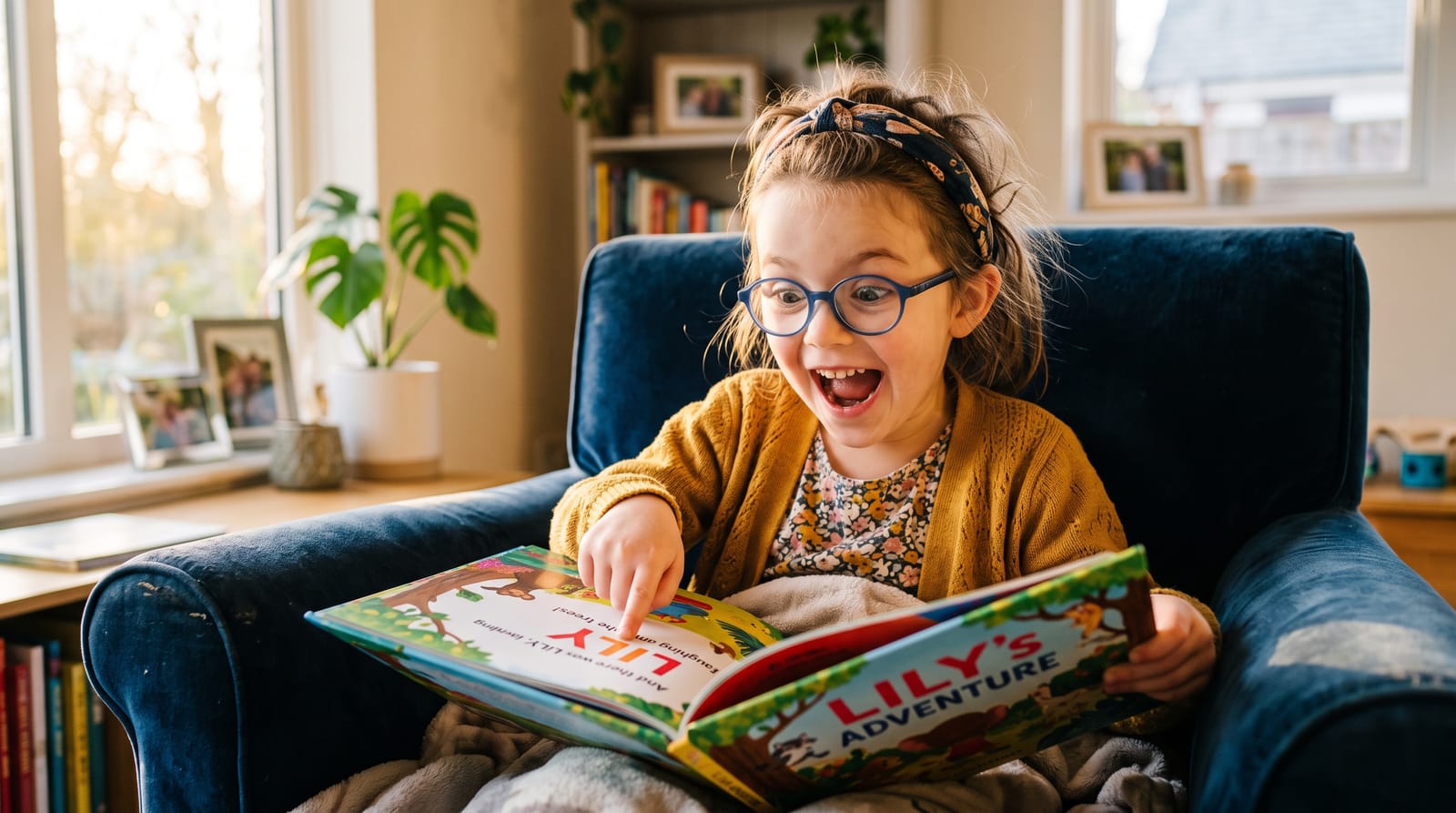
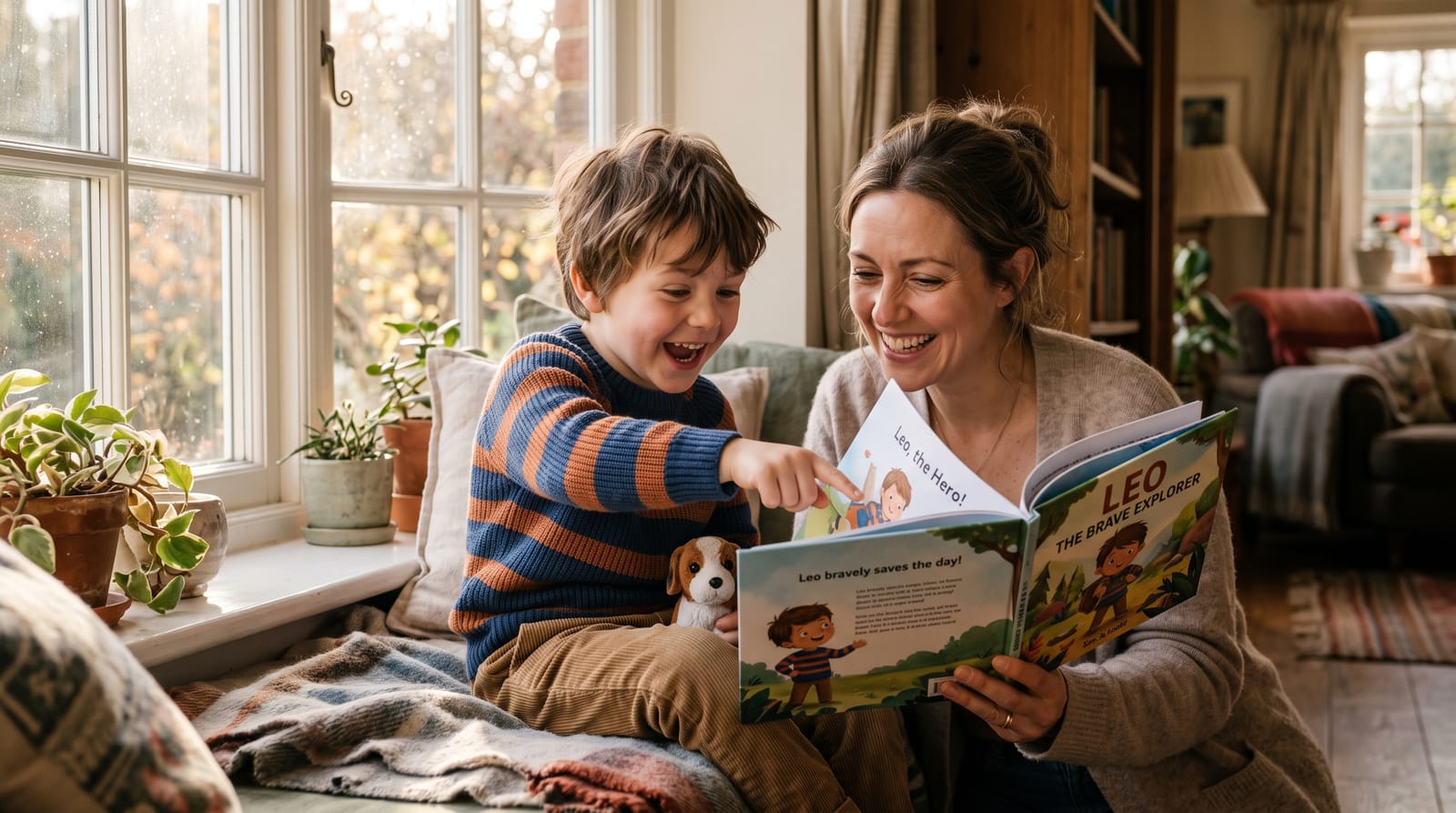
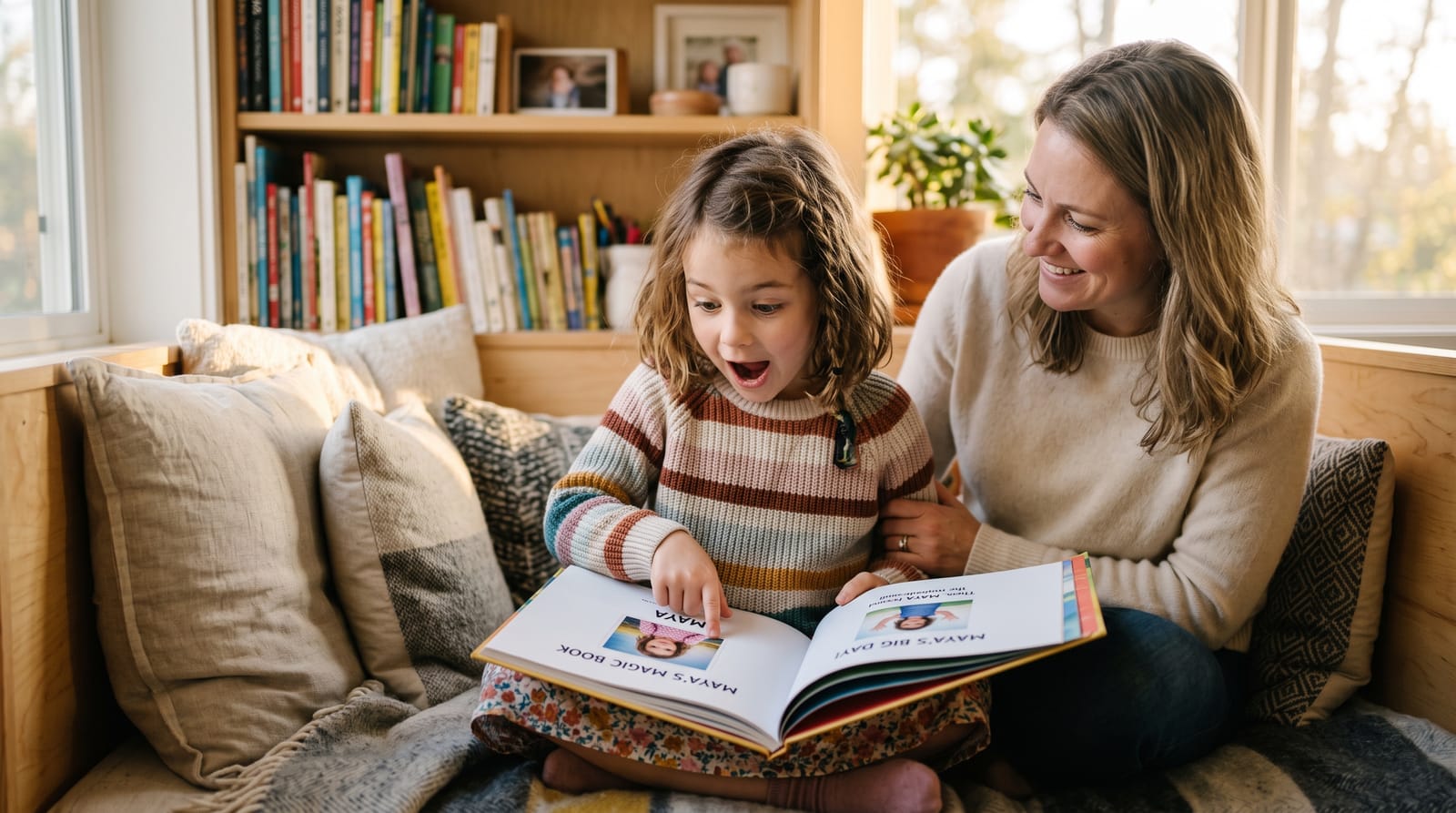
As we move through {YEAR}, parents and educators are looking for more than just a story; they are looking for a "narrative mirror"—a way for children to see their own experiences, challenges, and dreams reflected in the pages they hold. This is where the intersection of modern publishing trends and personalized books becomes truly transformative. By weaving a child’s own identity into the high-quality storytelling and artistry of the contemporary picture book, we create a bridge between the "once upon a time" and the "here and now."
The Shift Toward Immersive "Cozy" Fantasy
One of the most significant trends currently sweeping the world of children’s literature is the rise of high-fantasy world-building tailored for the very young. Unlike the high-stakes, epic battles often found in middle-grade novels, this new wave focuses on "cozy fantasy." These stories emphasize atmosphere, intricate settings, and a sense of safety and warmth—often described as the literary equivalent of a warm hug.
Publishers are increasingly seeking stories where the world-building is as rich as a Tolkien epic but the stakes are gentle and relatable. Think of a dragon who would rather bake bread than hoard gold, or a forest filled with whimsical creatures who help one another solve everyday problems.
Why Personalization Heightens the Fantasy Experience
When a child becomes the protagonist of a personalized book set within such a rich world, the psychological impact is profound. In a traditional picture book, the child is an observer of the magic. In a personalized narrative, they are the steward of the magic.
When a child sees their own name as the one befriending the "bakery dragon" or navigating a creature-laden landscape, the barrier between the imagination and reality thins. This deepens the "cozy" feeling of the story; the child isn't just watching someone else be safe and loved in a magical world—they are experiencing that safety and belonging firsthand. This sense of agency in a fantastical space builds confidence that carries over into the real world.
Addressing Real-World Challenges with a Growth Mindset
Beyond the realms of dragons and owls, the modern picture book has become a primary tool for helping children navigate the complexities of their own lives. We are seeing a surge in stories that address specific life hurdles: food allergies, social anxiety, and the importance of a "growth mindset."
A growth mindset—the belief that abilities can be developed through dedication and hard work—is no longer just a classroom concept; it is a central theme in modern storytelling. Authors are crafting narratives where characters face failure, pivot their strategies, and eventually find success through persistence.
The Protagonist as a Problem-Solver
Personalization takes the "teaching moment" of a picture book and turns it into a lived experience. For a child dealing with something like a food allergy or a difficult social transition, seeing a character who looks like them or shares their name successfully navigating those same hurdles is incredibly validating.
By using personalized books to mirror these real-life scenarios, we move away from "preaching" to the child and instead allow them to "practice" through the narrative. When the child is the one in the story who learns to try a different approach after a mistake, they are essentially rehearsing resilience. You can read more about this in our exploration of how Personalization and Modern Picture Book Themes work together to ground a child’s understanding of the world.
The Resurgence of Poetry and Lyrical Prose
While prose remains the standard, there is a beautiful, rhythmic resurgence of poetry within the picture book format. Educators and linguists have long touted the benefits of verse for early brain development. The cadence, rhyme, and "musicality" of poetic language act as a balm for the ears and a workout for the developing brain.
Modern poetry books for children are moving away from simple AABB rhyme schemes and toward "lyrical narratives" that explore identity, ancestry, and deep emotion. These books encourage children to slow down and savor the sound of language, fostering a lifelong love for the arts.
Creating a Personalized Verse
There is something uniquely touching about hearing one’s own name woven into a rhythmic, poetic text. Personalization in a poetic picture book enhances the auditory comfort of the story. It transforms the reading experience into a private ceremony between the parent and the child.
When the "joy of sound" includes the child’s own identity, the emotional resonance of the poem doubles. This is a key part of the Evolution of the Modern Picture Book, where the goal is to create a lasting emotional bond between the reader and the written word.
Why Personalized Books are the Future of the Medium
The traditional publishing industry is doing incredible work in diversifying themes and elevating the art of the picture book. However, even the most beautifully written story can sometimes feel "distant" to a child who doesn't see themselves in the illustrations or the character's journey.
StorytimeHero and other innovators in the personalized space are not trying to replace the traditional picture book; we are trying to evolve it. By combining the high-quality world-building of cozy fantasy, the psychological depth of growth-mindset narratives, and the lyrical beauty of modern poetry with the power of personalization, we offer a tool that meets the specific needs of {YEAR}’s families.
As we’ve discussed in our piece on How Personalization Reimagines the Picture Book, the goal is to move the child from a passive listener to an active participant. This shift is essential in an age of digital distractions, where capturing a child's attention requires a story that feels uniquely relevant to them.
The Architecture of Belonging
At its heart, every great picture book is about belonging. Whether it’s a story about a lost owl finding its way home or a child learning to bake a cake despite an allergy, the underlying message is: You have a place here. You are capable. You are seen.
Personalized books take this architecture of belonging and make it literal. They ensure that every child—regardless of their background, their physical challenges, or their unique personality—sees themselves as the hero of a high-quality, beautifully illustrated narrative. This is not just about putting a name on a cover; it’s about Modernizing the Picture Book: Why Personalization Matters in a way that honors the child’s individuality.
Frequently Asked Questions
Related Reading
If you enjoyed this exploration of the modern picture book, you might find these other articles helpful:
- How Personalization Enhances Modern Picture Books
- Personalized Picture Books: Poetry, Nature & Community
- How Personalized Books Anchor Modern Childhood
- The Participatory Page: Personalized Books & Modern Needs
In {YEAR}, the picture book continues to be a cornerstone of childhood. By embracing the power of personalization, we can ensure that these stories do more than just fill a shelf—they fill a child's heart with the knowledge that they are the hero of their own story.
Free preview checklist
Get the personalized book gift checklist
Know what photo to use, what to write in the dedication, and what to review before ordering.