Helping Kids Navigate Friendship & Fear | StorytimeHero
Start a cover preview
Growing up has always been a journey of discovery, but for the children of {YEAR}, that journey often involves navigating a landscape of complex social dynamics and heavy global realities. As parents and educators, we often turn to children's books to provide a map for these experiences. We look for stories that don’t just entertain, but also offer a safe harbor where big questions can be asked and even bigger feelings can be felt.
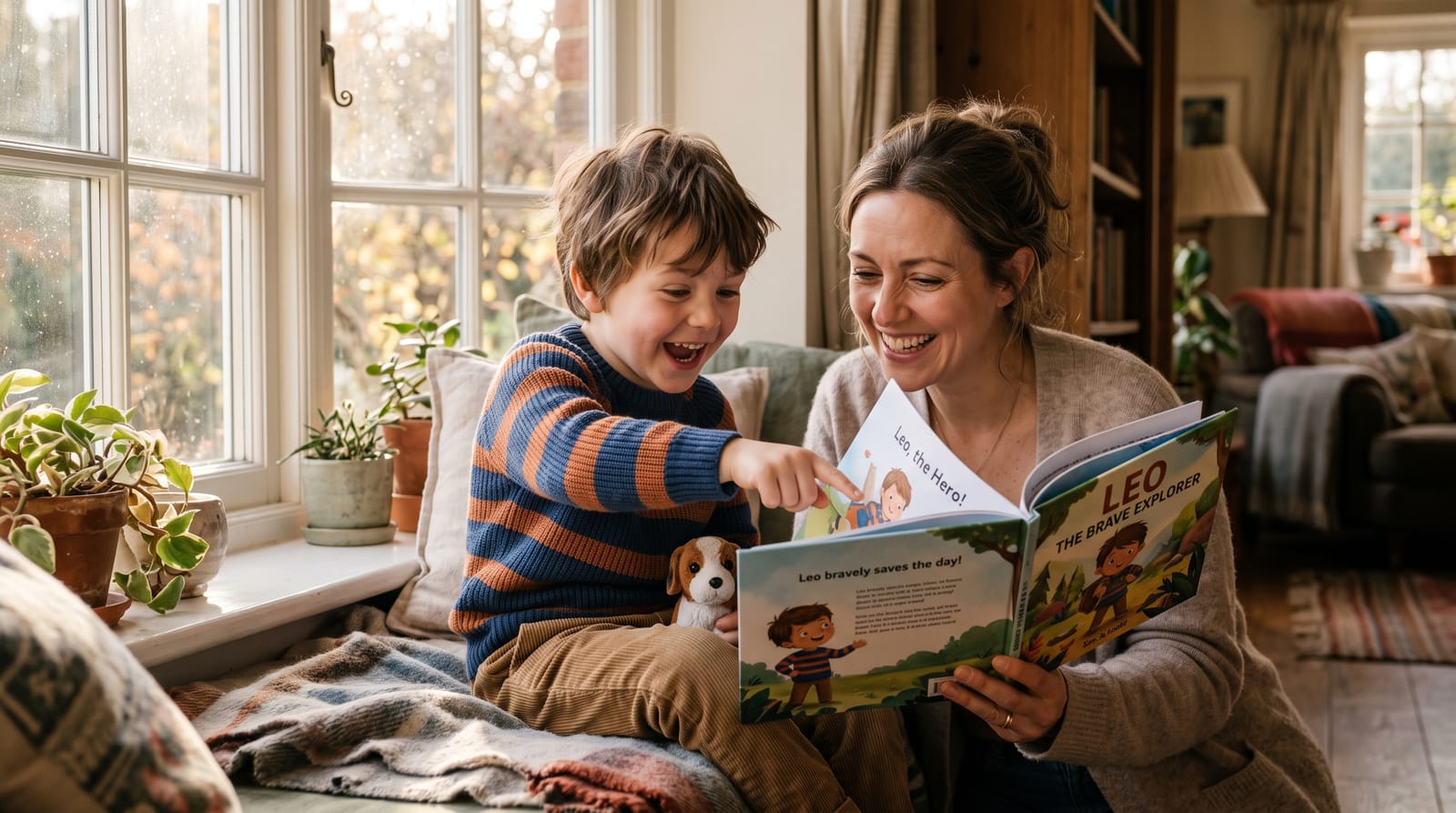
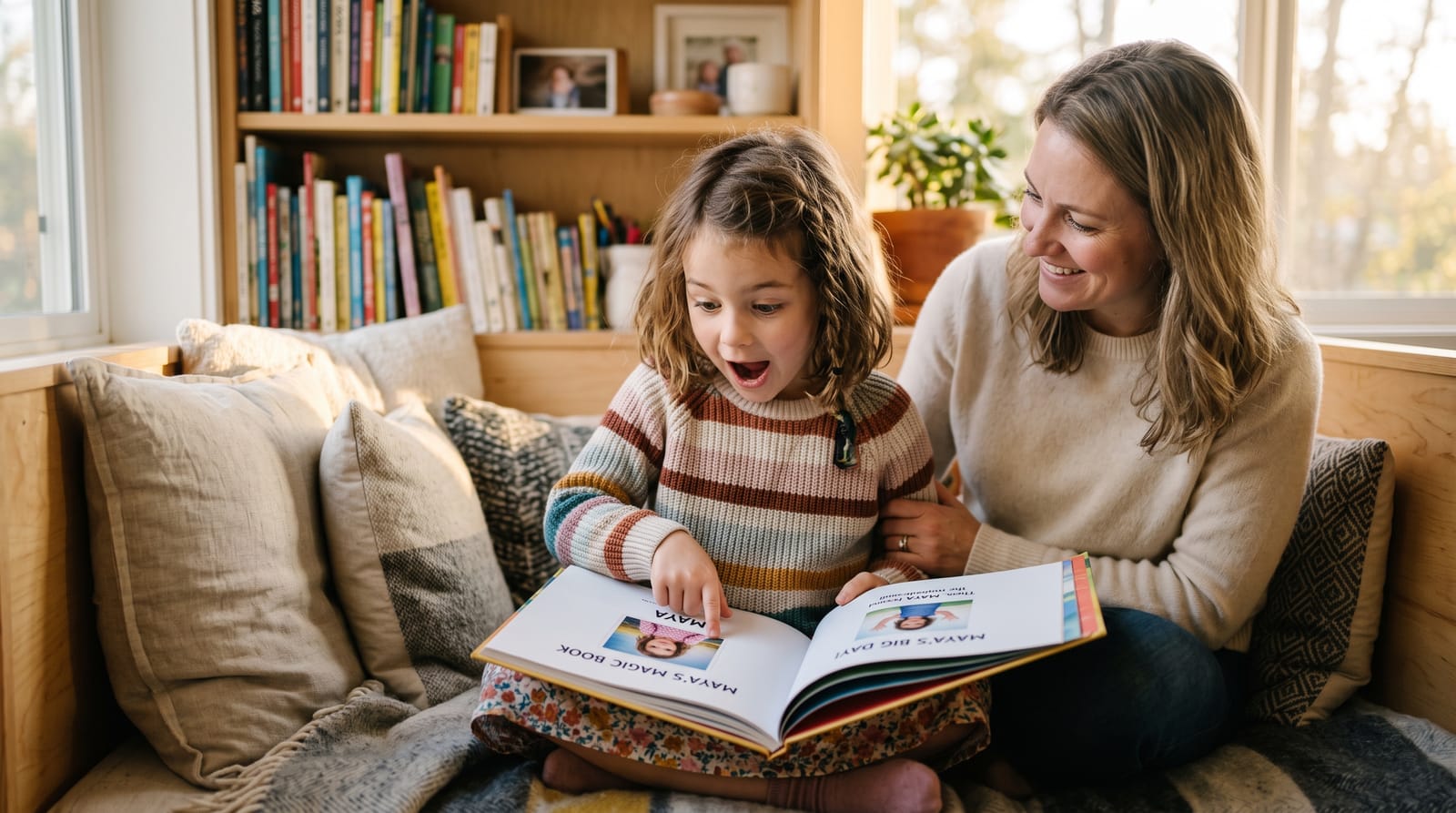
In recent years, a significant shift has occurred in the world of children's literature. Authors are moving away from simple "happily ever afters" to explore the nuances of "unlikely friendships" and the sobering realities of modern safety concerns. When we introduce personalization into this mix, these stories transform from external observations into internal experiences. Personalized books allow a child to not only see a hero navigate a challenge but to step into the hero’s shoes themselves.
The Beauty of the "Unlikely": Why We Need Stories of Unexpected Connection
One of the most enduring trends in modern children's books is the exploration of unlikely friendships. Whether it’s a predatory animal befriending its natural prey or two children from vastly different backgrounds finding common ground, these stories resonate because they mirror the real-world challenge of building bridges across differences.
Breaking the Mold of Traditional Peer Groups
Children often feel a natural pressure to "fit in" with peers who are just like them. However, the world is a diverse place, and the most rewarding relationships often come from the most unexpected places. Stories that feature characters who overcome obstacles—be they personality traits, species, or life circumstances—teach children that friendship isn't about similarity; it's about connection.
When a child reads about an owl who loves the night befriending a morning-loving lark, they aren't just learning about sleep cycles. They are learning about compromise, the value of different perspectives, and the fact that "different" does not mean "wrong."
The Role of Personalization in Building Empathy
While reading about a girl and her lion friend is magical, seeing your own name and your own likeness as the one befriending the "scary" or the "different" character creates a powerful psychological shift. This is often referred to as the "protagonist effect." When a child is the central figure in a story about crossing social boundaries, they are essentially practicing empathy in a low-stakes, high-reward environment.
By seeing themselves as the bridge-builder, children internalize the identity of someone who is inclusive and brave. This makes the leap to befriending the new kid at school or reaching out to someone outside their usual circle feel much more attainable. Why Kids Read More When They're the Main Character explores this phenomenon in depth, highlighting how being the hero increases emotional engagement.
Carrying Heavy Backpacks: Addressing Modern Anxieties
Beyond the playground, today’s children are often exposed to heavy topics that previous generations might not have encountered until much later. From climate anxiety to school safety drills, the "big feelings" associated with these realities can be overwhelming for a young mind.
Giving Fear a Name and a Face
One of the most difficult aspects of modern parenting is knowing how to talk about scary things without causing unnecessary trauma. The consensus among child development experts is that avoiding these topics often leads to more anxiety, as children sense the tension but lack the language to describe it.
Modern children's books are increasingly stepping into this gap. They provide a narrative framework for discussing things like lockdown drills or community tragedies. These stories don't aim to explain the "why" of the world's problems—which is often inexplicable—but rather to validate the child's "how." How they feel, how they can find calm, and how they can talk to the adults in their lives.
Creating a Safe Proxy for Hard Conversations
Personalized books serve as a unique tool in this area. When a story addresses a stressful situation—like a school drill—and features the child as the protagonist, it creates a "safe proxy." It allows the child to process the event through a fictional lens while maintaining a direct personal connection.
In these stories, the child sees themselves feeling "butterflies in their chest" or being "quiet and thoughtful." Seeing their own name associated with these feelings normalizes them. It tells the child: It is okay for YOU to feel this way. You are not alone, and you are still the hero of your story. This can be an essential part of Supporting Your Parenting Journey with Personalized Books, as it provides a natural opening for a deeper conversation.
The Language of Emotion: Beyond the Words
It isn’t just the plot of the story that matters; it’s the emotional vocabulary the book provides. Many modern children's books focus on the "silence" that often follows a scary or confusing event. They emphasize that talking isn't always the first step—sometimes, painting, being in nature, or simply sitting with a trusted adult is the path to healing.
The Power of Being "Seen"
For a child, there is an immense sense of relief in being seen. Personalization takes this "seeing" to a literal level. When a child sees themselves in a book, the message is: This story is about you because your feelings matter.
In {YEAR}, where digital noise can often make children feel like one of many, a personalized book stands out as a dedicated space for their individual experience. This sense of being centered helps build the resilience necessary to handle the "unlikely" and the "heavy" aspects of life. As discussed in Modern Values & Community in Picture Books, the shift toward more inclusive and emotionally honest narratives is a hallmark of the current era of publishing.
Why Personalization is a Tool for Resilience, Not Just Entertainment
It’s easy to view personalized books as a fun novelty or a unique gift. While they certainly are those things, their true value lies in their ability to act as a developmental anchor.
Rehearsing Resilience
Life is full of "rehearsals." We rehearse for plays, we rehearse for sports, and we rehearse for emergencies. Reading a personalized story where the child navigates a difficult friendship or manages a big fear is a form of emotional rehearsal.
When the child eventually faces a real-life version of that challenge, they have a mental "file" to pull from. They remember the time they (the hero in the book) took a deep breath. They remember the time they reached out to the shy classmate who made friends with inanimate objects. These memories, even though they were formed on the page, contribute to a child's sense of self-efficacy.
Strengthening the Parent-Child Bond
Reading together is already a bonding activity, but reading a personalized book about a sensitive topic creates a shared narrative. It allows parents to say, "Remember when the 'you' in the book felt scared? It's okay if you feel that way now, too." This bridges the gap between the fictional world and the child's reality, making the parent a co-navigator in the child's emotional world.
Personalized Books: Bridging Fantasy & Resilience highlights how this connection helps ground children, giving them the confidence to explore both the wonders and the worries of their world.
Building a Library of Heart and Courage
As we look toward the future, the role of children's books will continue to evolve. We will likely see more stories that challenge the status quo, more books that tackle the "unspoken" fears of childhood, and more narratives that celebrate the beauty of the unlikely.
By integrating personalized books into a child’s library, we aren't just giving them a story; we are giving them a mirror and a shield. We are showing them that they are capable of great empathy and that they have the strength to handle the big feelings that come with being a human in the modern world.
Whether it’s a story about a dog and a cheetah cub or a quiet afternoon spent painting with a grandfather after a hard day at school, these narratives remind us that the heart of the story is always the child. And when that child sees themselves on the page, the lessons of the story become a permanent part of their own personal history.
At StorytimeHero, we believe that every child deserves to see themselves as the hero of a story that matters. By focusing on themes of connection, emotional intelligence, and resilience, we help parents turn storytime into a foundation for a lifetime of courage.
***
FAQ: Parents' Questions About Complex Themes in Books
1. Is my child too young to read about "heavy" topics like school safety?
Every child is different, but many experts suggest that if your child is participating in safety drills at school, they are old enough to have a supportive story to help them process it. The goal isn't to introduce new fears, but to provide a vocabulary for the ones they may already be experiencing.
2. How do I choose a book about unlikely friendships for a shy child?
Look for stories that focus on "quiet" connections. Sometimes the most powerful friendships aren't the loudest ones. For a shy child, seeing a protagonist who makes friends in their own way—perhaps through shared interests or small acts of kindness—can be very validating.
3. Does personalization really change how a child understands a story?
Yes. Research into the "protagonist effect" shows that children demonstrate higher levels of identification and emotional retention when they are the main character. This makes the moral or emotional lesson of the book feel like a personal experience rather than a lecture.
4. Can personalized books help with social anxiety?
They can be a great tool! By seeing themselves successfully navigate social situations or meet new "unlikely" friends in a book, children can build "narrative courage" that they can eventually apply to real-world interactions.
***
Related Reading
Free preview checklist
Get the personalized book gift checklist
Know what photo to use, what to write in the dedication, and what to review before ordering.