How Personalized Books Evolve the Picture Book | StorytimeHero
Upload a photo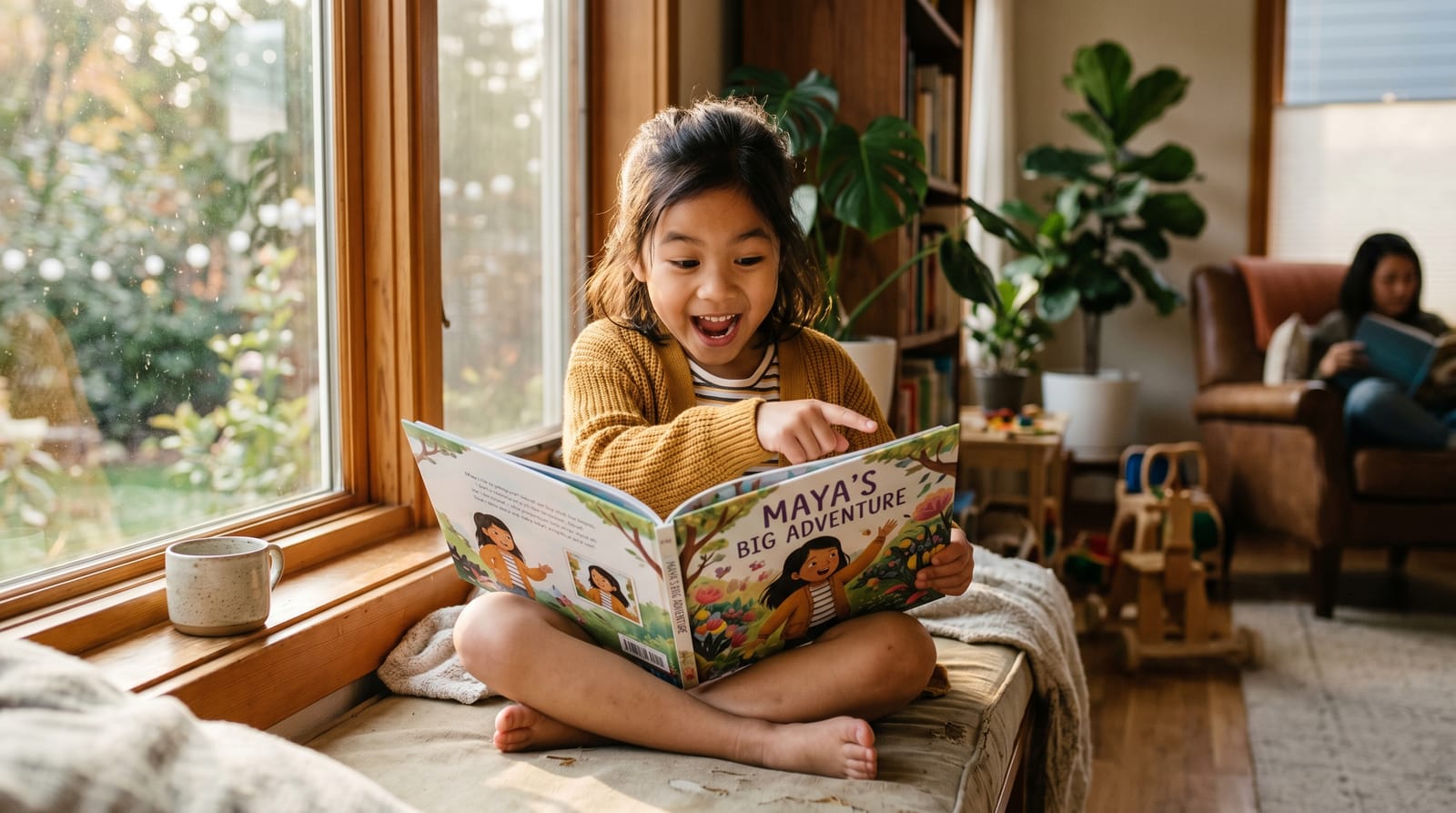
The first time a child holds a picture book, they aren't just looking at ink and paper; they are holding a map to the rest of the world. For decades, these maps were simple, guiding young readers through the basics of colors, shapes, and animal sounds. However, as we move through {YEAR}, the landscape of children’s literature has shifted dramatically. Today’s picture book is a sophisticated vessel for big ideas—biographical legacies, cultural nuances, and complex emotional resilience.
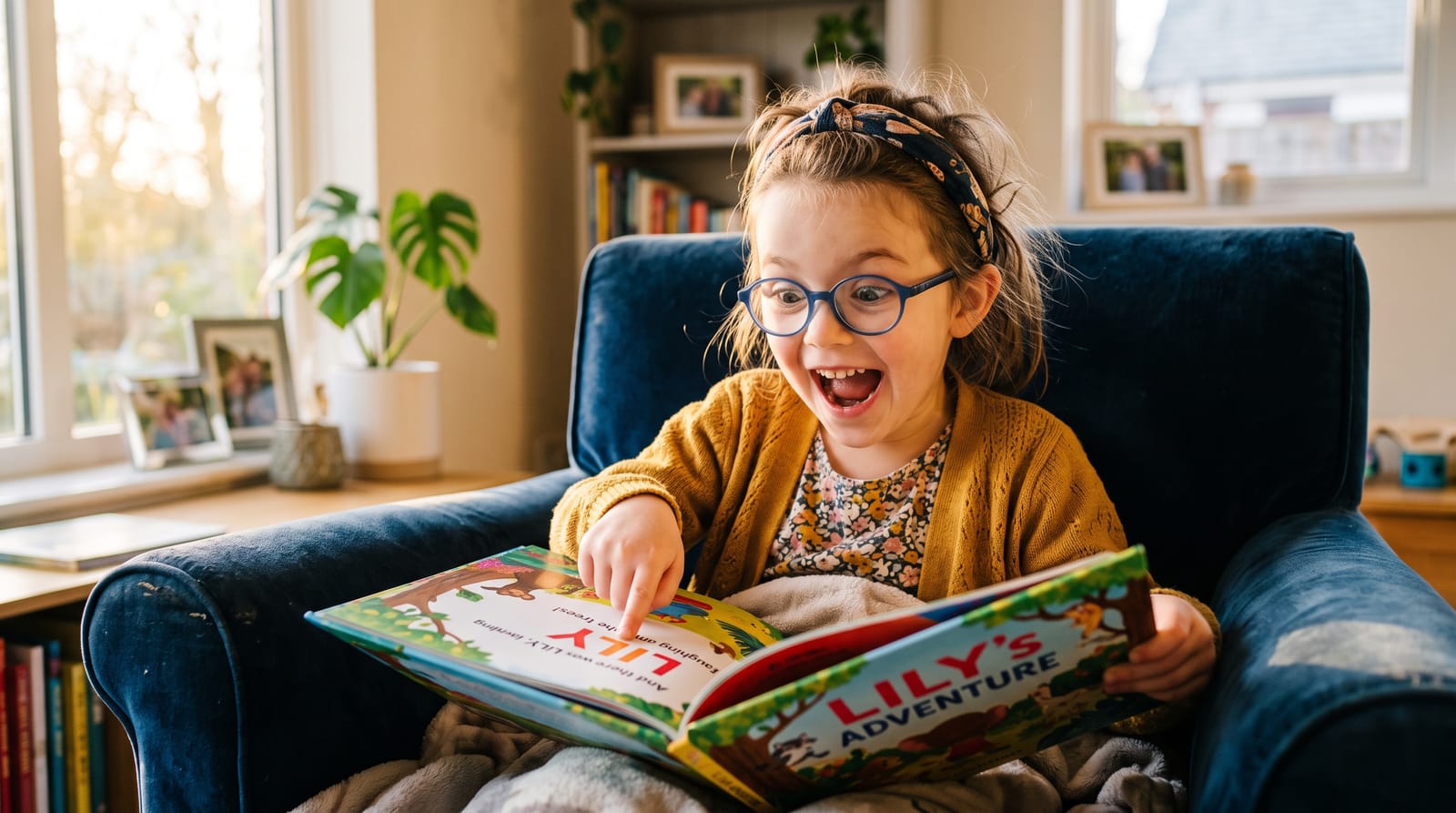
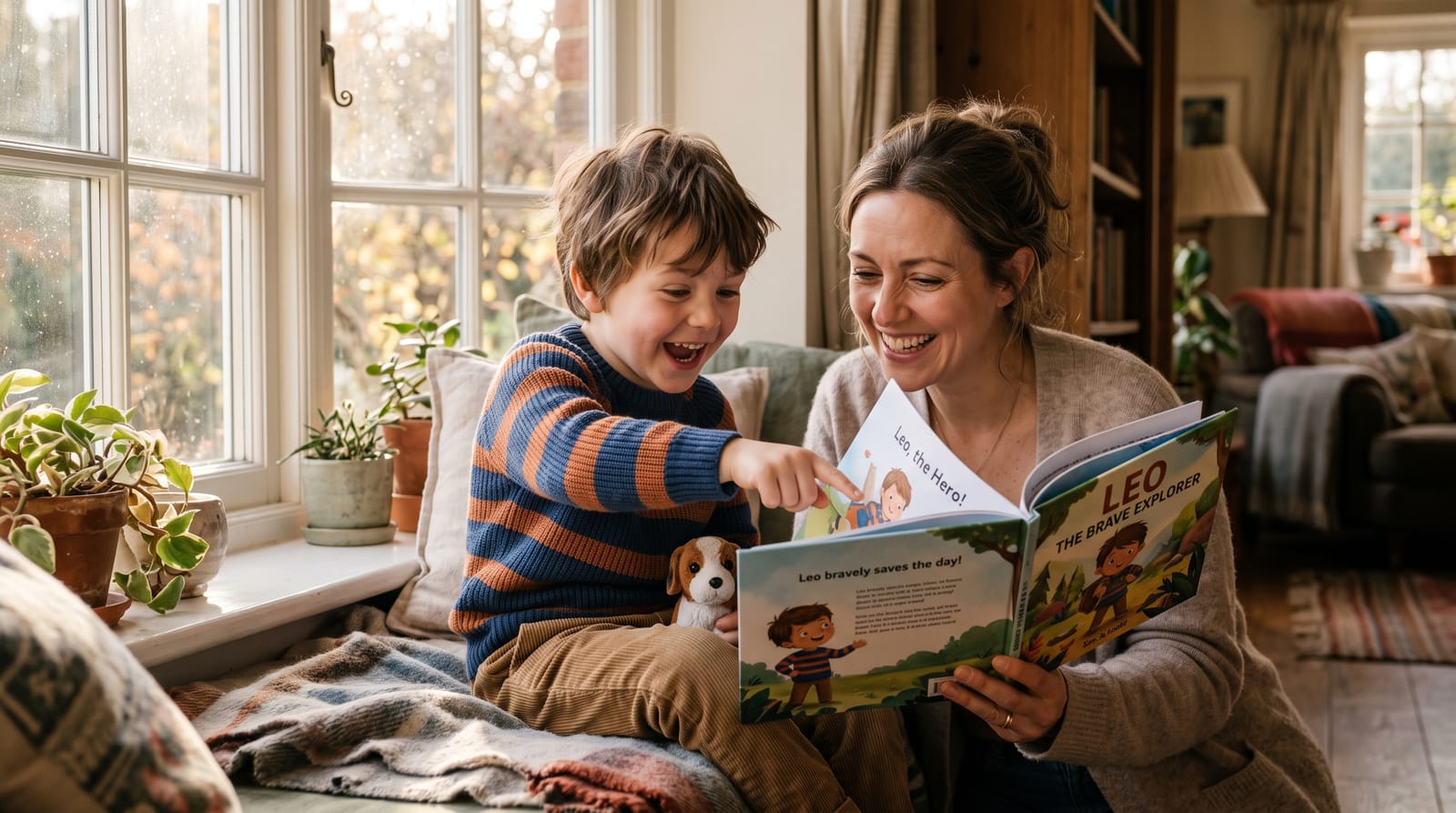
As parents and educators, we often find ourselves wondering how to bridge the gap between these significant, sometimes abstract themes and the very concrete, "right now" world of a toddler or local school-age child. This is where the magic of personalized books enters the narrative. By placing the child at the center of the story, personalization transforms a passive reading experience into an active journey of self-discovery.
Moving Beyond the General: The Power of Specificity in Every Picture Book
One of the most beautiful trends in modern storytelling is the move away from broad, sweeping categories toward the "tiny starting points" of individual experience. We see this increasingly in stories from AAPI (Asian American and Pacific Islander) authors who are pushing back against the idea of a monolithic cultural experience. Instead of a generic story about "tradition," we are seeing vibrant, specific tales about the precise rhythm of a trip to the Philippines or the mesmerizing, step-by-step process of dyeing cloth in an indigo studio.
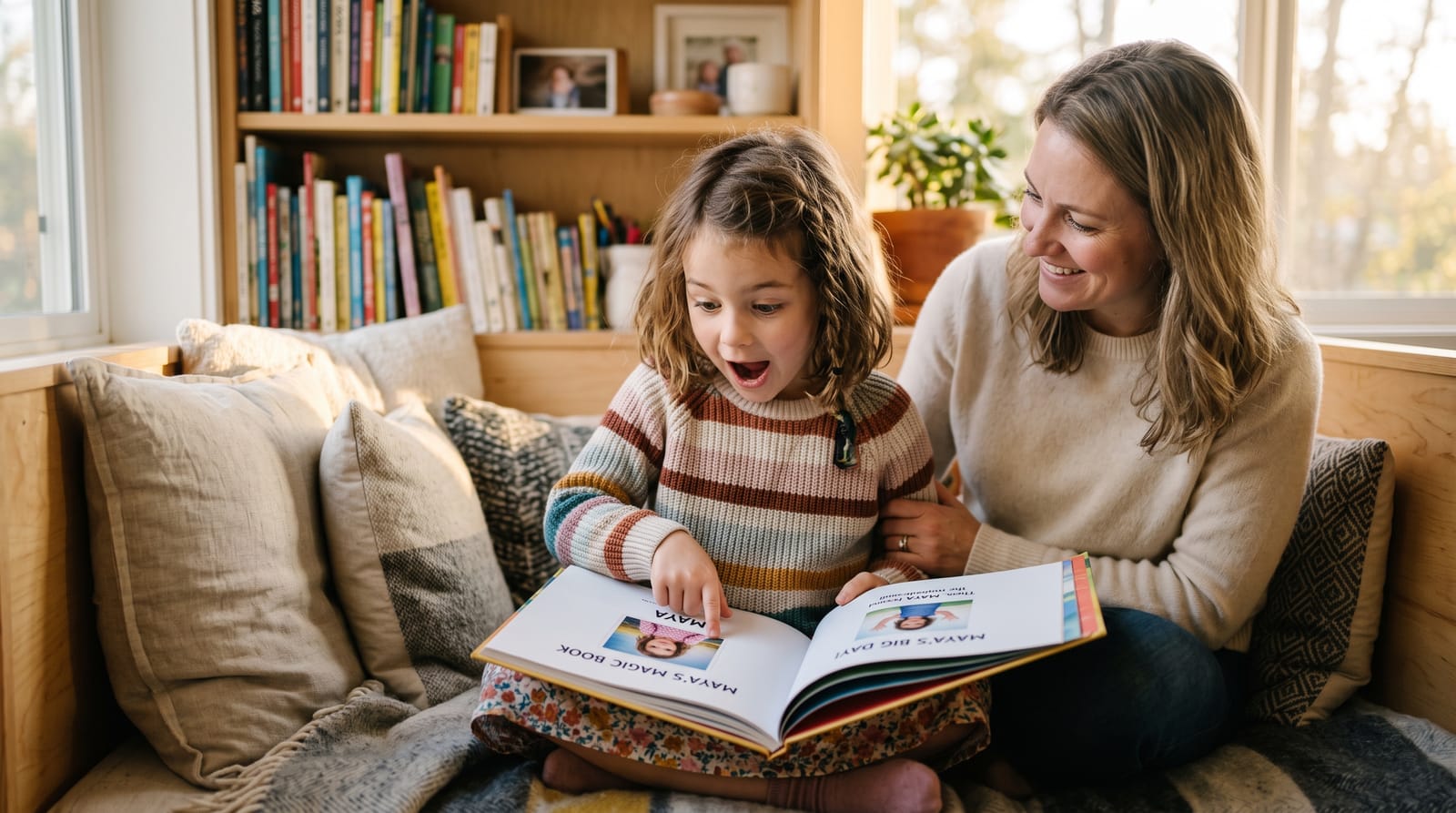
When we introduce personalized books into this mix, we take that specificity a step further. While a traditional picture book offers a window into someone else’s life, a personalized story provides a mirror. It says to the child, "This world of curiosity, art, and heritage isn't just something you are observing—it is a world you belong in."
By integrating a child’s name and likeness into these rich environments, we help them navigate modern values and community in picture books, making the vastness of the world feel both accessible and intimate.
Literary Legends and the Search for a Personal Voice
There is a growing movement to introduce young readers to the giants of literature—authors like Judy Blume, Toni Morrison, or Virginia Hamilton—through the medium of the picture book. These biographical stories celebrate the creative process and the courage it takes to find one's own voice. They teach children that writing is a way to gain control over one's fears and to process the complexities of the world.
However, for a five-year-old, the life of a "literary legend" can feel like ancient history. Personalization acts as the bridge. When a child sees themselves interacting with the themes of storytelling and creativity, the "legendary" becomes "attainable."
Personalized books allow children to practice the very skills these authors championed:
- Self-Expression: Seeing their name in print reinforces the idea that their words matter.
- Narrative Control: Understanding that they are the protagonist of their own life story.
- Emotional Processing: Using the story as a safe space to explore "big feelings."
By shaping modern childhood through personalized narratives, we aren't just teaching kids about authors; we are inviting them to become the authors of their own futures.
Growth Mindset: Turning Challenges into "Sweet Solutions"
In the modern picture book, characters are no longer just "good" or "bad." They are learners. We see this in stories that tackle practical life hurdles, such as navigating food allergies or learning to solve problems with a growth mindset. These stories are vital because they provide children with a blueprint for resilience.
When a child reads a story about a character named Tova solving a problem, they learn empathy. But when that child is the character navigating a challenge, they build self-efficacy. Personalized books excel at this. Whether it’s a story about trying new foods, overcoming a fear of the dark, or learning a new skill, the impact is doubled when the "hero" shares the child's identity.
This approach is essential for integrating presence into modern picture book narratives. It shifts the lesson from "this is what someone else did" to "this is what I can do." This subtle shift in perspective is the foundation of a growth mindset, turning every "I can't" into a "I can't yet."
Nature, Curiosity, and the Great Outdoors
Modern picture books are also increasingly focused on our relationship with the natural world. From mothers convincing skeptical children of the magic found in the woods to fathers sharing the beauty of their ancestral homelands, these stories encourage a sense of wonder.
At StorytimeHero, we believe that personalization can deepen this connection to nature. When a child sees themselves illustrated among the trees or exploring a digital forest, the "outdoors" stops being a scary or distant concept. It becomes a playground for their imagination.
By bridging the relevance gap in modern picture book trends, personalized stories help ground cosmic wonder in the reality of the child's daily life. They transform a walk in the local park into a legendary expedition, inspired by the pages they read the night before.
Why Personalization is the Future of the Picture Book
The evolution of the picture book reflects our evolving understanding of childhood. We now know that children are capable of engaging with deep themes of identity, struggle, and joy. Personalization is the tool that ensures these themes "stick."
When a book is personalized, it becomes a "forever book." It is no longer a disposable item to be cycled out of the library, but a keepsake that documents a child's growth. It tells the story of who they were at a specific moment in time—what they looked like, what they were learning, and how they saw themselves in the world.
The StorytimeHero Approach
Our goal is to support parents in this journey. We don't just put a name on a page; we create an environment where a child can see themselves as a brave adventurer, a curious scientist, or a kind friend. In doing so, we help them internalize the values found in the very best modern literature.
Frequently Asked Questions
Related Reading
- Modern Values & Community in Picture Books
- How Personalization Redefines the Picture Book
- Modernizing the Picture Book: Why Personalization Matters
- Personalization and the Modern Picture Book
In the end, every picture book is an invitation. By choosing personalized stories, you are giving your child the best invitation of all: the invitation to see themselves as the hero of their own unfolding story. Whether they are learning about the indigo fields of their ancestors or the poetic resilience of a literary giant, they will know one thing for certain—their story is worth telling.
Free preview checklist
Get the personalized book gift checklist
Know what photo to use, what to write in the dedication, and what to review before ordering.