How Personalization Reimagines the Picture Book | StorytimeHero
Upload a photo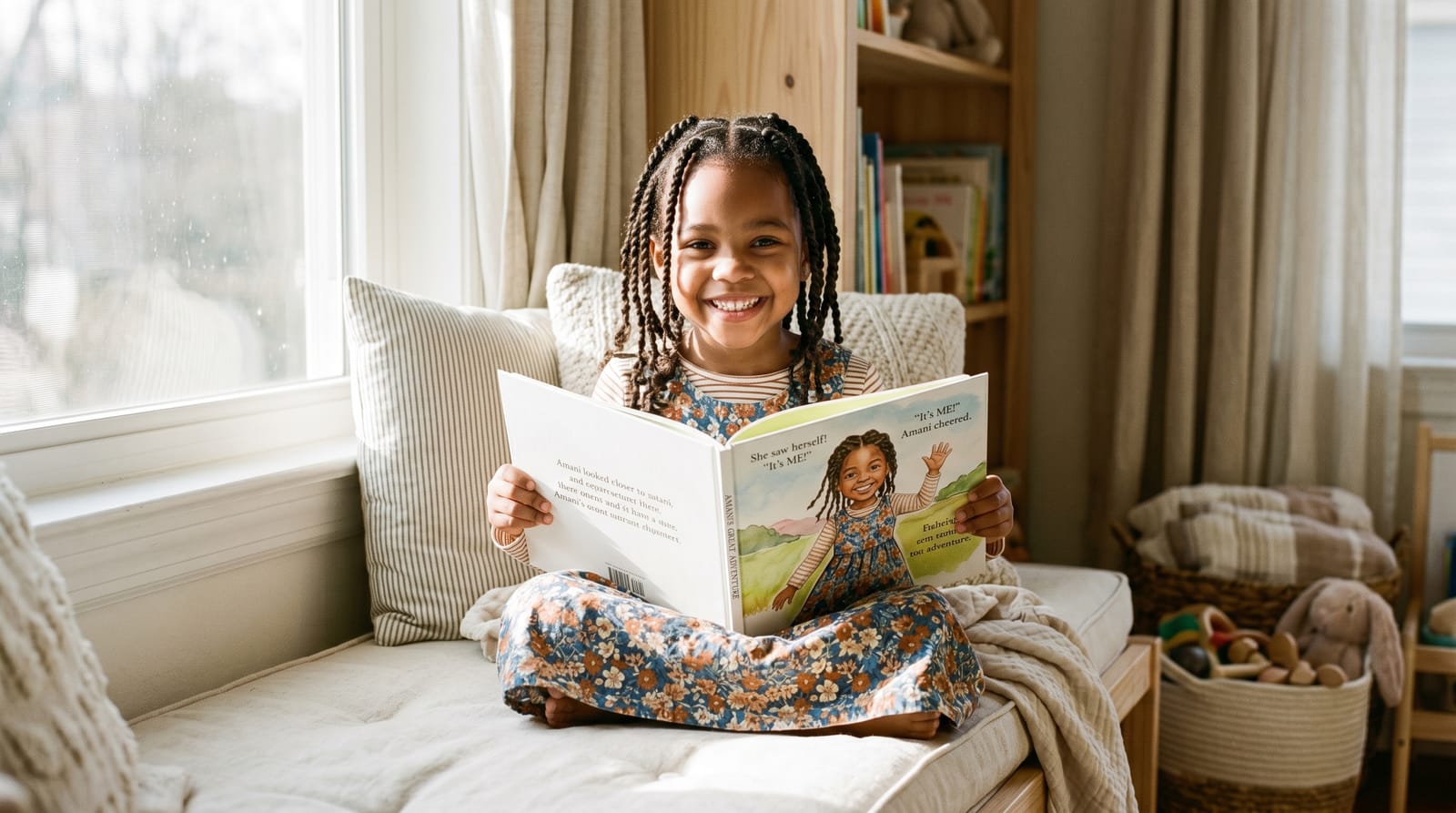
For decades, the standard picture book has served as a window. Through its vibrant pages, children have looked out at worlds they’ve never visited, met characters who look nothing like them, and learned lessons from the triumphs of others. This "window" effect is a cornerstone of early childhood development, fostering empathy and expanding a child’s horizon.
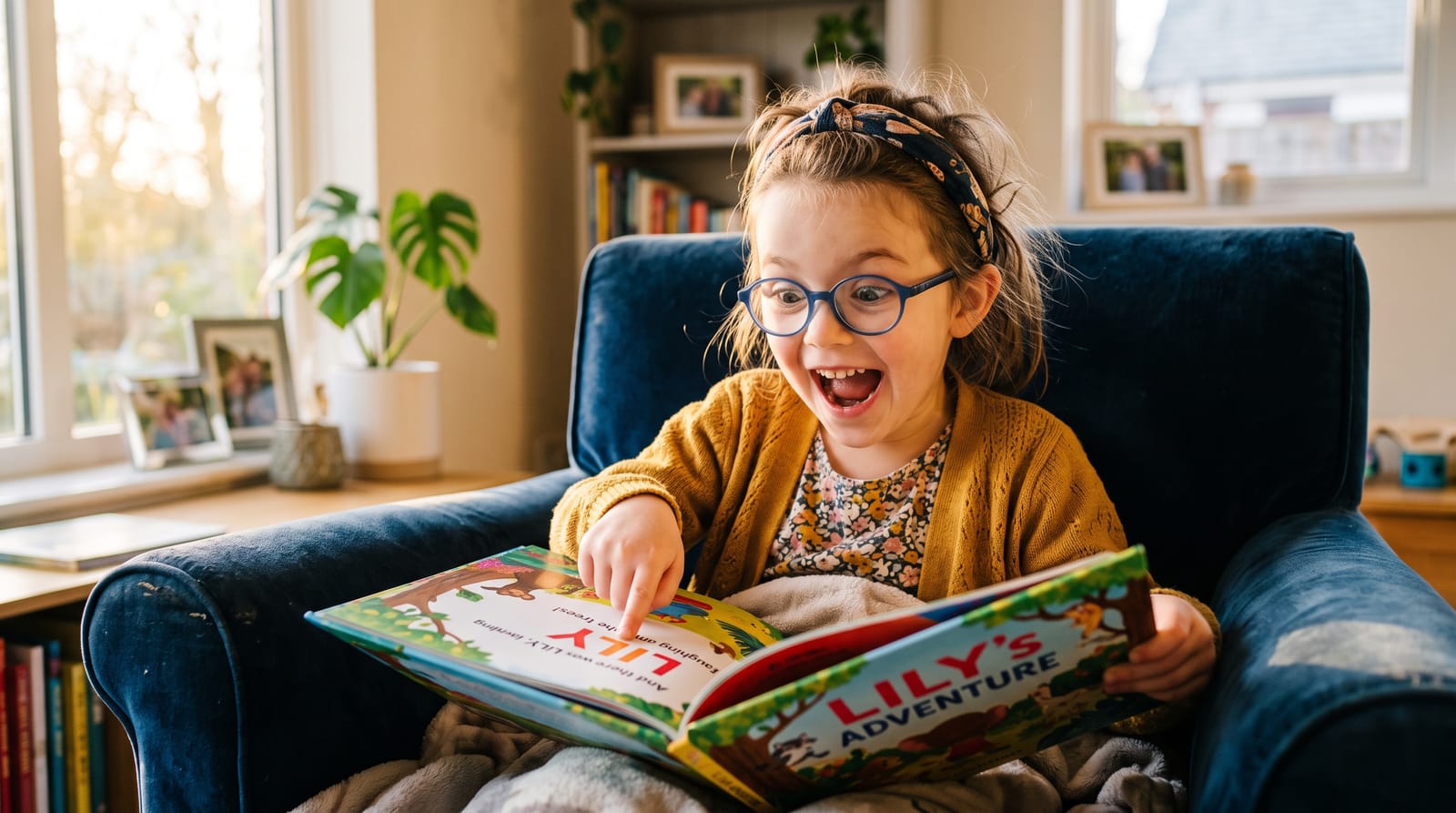
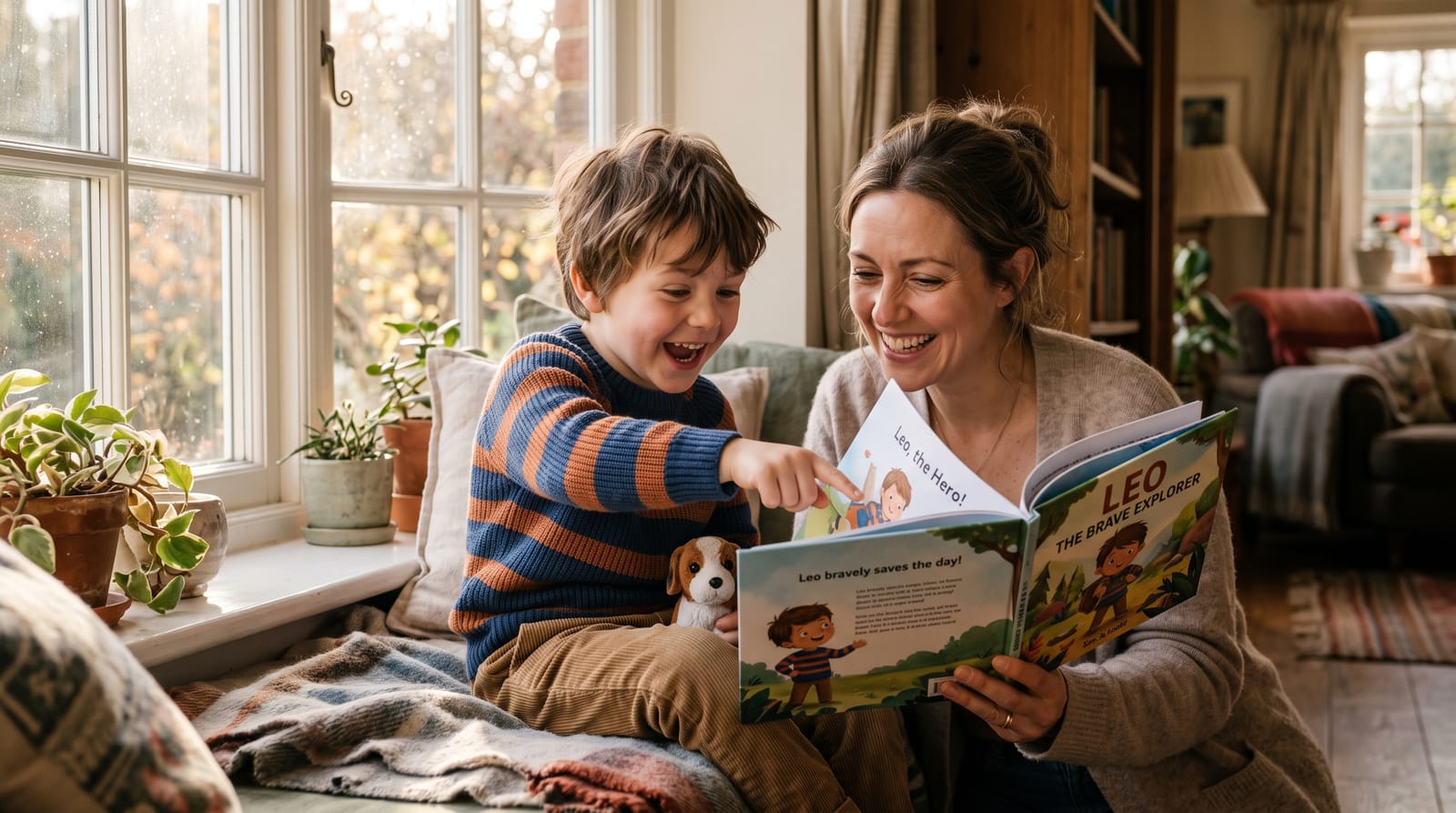
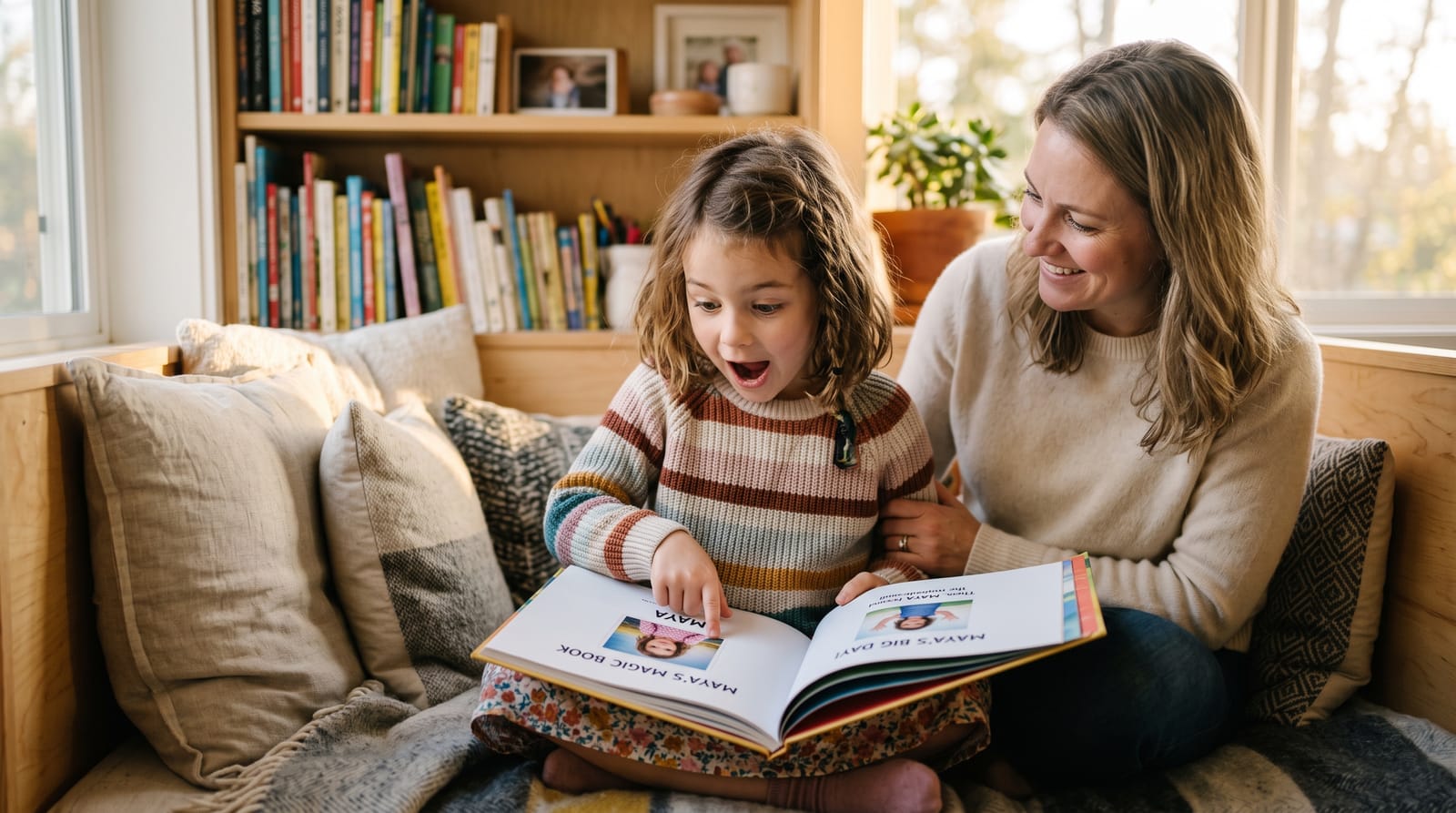
However, as we move through {YEAR}, a new shift is occurring in children’s literature—one that transforms the window into a mirror. While traditional stories remain vital, the rise of personalized books is changing the fundamental way children interact with narrative. By weaving a child’s own name, appearance, and identity into the fabric of the story, we are no longer just telling them a story; we are inviting them to inhabit it.
At StorytimeHero, we believe this evolution isn’t just about a "cool" gift. It is about addressing the core needs of the modern child: the need for representation, the desire for agency, and the necessity of building a resilient mindset in an increasingly complex world.
The Power of Presence: Beyond the "Every-Child" Protagonist
Historically, many children’s stories relied on the "every-child"—a generic protagonist designed to be vague enough that any reader could, in theory, step into their shoes. But modern research and the evolving landscape of the picture book suggest that specificity is actually more powerful than generality.
When a child sees a character who shares their name and physical traits navigating a story, their cognitive engagement spikes. They aren't just observing a character’s bravery; they are practicing their own. This is particularly impactful when addressing the themes found in contemporary biographical picture books.
Drawing Inspiration from Literary Legends
Recent trends in children’s publishing have seen a surge in "literary biographies"—stories that introduce young readers to icons like Judy Blume or Virginia Hamilton. These books celebrate the creative process and the courage it takes to find one’s voice.
When we apply the lens of personalization to these themes, the impact is magnified. Imagine a story where a child doesn't just read about a famous author’s struggle to find words, but instead, the child themselves is the one discovering the magic of storytelling. By placing the child at the center of a creative journey, personalized books help bridge the gap between "great people do these things" and "I can do these things too." It turns a history lesson into a personal manifesto.
Specificity Over Acronyms: Honoring Unique Heritage
One of the most significant challenges in the modern picture book market is the tendency to group diverse experiences into broad categories. For example, stories categorized under "AAPI" (Asian American and Pacific Islander) represent a staggering array of distinct cultures, languages, and histories.
The most resonant stories are those that dive deep into the specific—the particular blue of an indigo dye in a grandfather’s workshop, or the specific sights and sounds of a trip to the Philippines to see where a parent grew up.
Personalized books allow for an even deeper level of cultural connection. They provide a framework where a child’s unique family structure and background aren't just "represented" in the background but are the engine of the plot. This helps children move beyond being a "category" and allows them to see themselves as an individual with a rich, specific story.
When a story is tailored to a child’s actual life, it validates their personal reality. It says: Your specific life, your specific family, and your specific journey are worthy of being bound in a book.
Building Resilience Through "Problem-Solving" Narratives
The modern picture book has also become a vital tool for helping children navigate real-world challenges, such as food allergies, anxiety, or the need for a growth mindset.
In a traditional story about a character with a peanut allergy, a child learns that "Tova" (a character) can be brave and careful. However, in a personalized narrative, the child sees themselves making the safe choice, asking the right questions, and thriving despite their restrictions.
This creates what psychologists often call "narrative modeling." By seeing a version of themselves succeed on the page, the child builds a mental blueprint for succeeding in real life. This is particularly effective for:
- Growth Mindset: Seeing "themselves" struggle with a new skill (like riding a bike or painting) and eventually succeeding through persistence.
- Navigating Fears: Identifying with a protagonist who shares their name as they face the "dark" or a first day at school.
- Health and Safety: Normalizing daily routines related to allergies or medical needs by making them part of a heroic or adventurous journey.
For more on how these stories help bridge the gap between imagination and reality, you might explore how we are Elevating Great Children's Stories with Personalization.
The Role of Nature and Process in Personal Growth
Many of the most beloved new entries in the picture book world focus on the "slow" moments of life—the artistic process of dyeing cloth, the patience required to watch a garden grow, or the curiosity sparked by a walk in the woods.
Personalization turns these "process" stories into active experiences. When the book asks the child to look at the trees or mix the colors, and addresses them by name, it transforms the reading session into a participatory event.
This participatory nature is a hallmark of how The Bridge of Belonging: Personalized Books & Modern Themes works. It takes a theme that might feel abstract—like "environmental stewardship"—and makes it a personal mission for the reader.
Why Personalization is the Future of the Picture Book
As we look toward the future of children's literacy, the role of the picture book is expanding. It is no longer just a bedtime ritual; it is a tool for identity formation.
- Increased Engagement: Children are more likely to want to read—and re-read—a book where they are the star. This repetition is key to language acquisition and reading fluency.
- Emotional Anchoring: In a fast-paced digital world, a physical book that features the child provides a sense of "grounding." It is a permanent record of their importance in the family narrative.
- Strengthening Bonds: Reading a personalized book together is a unique bonding experience. It allows parents to affirm the child’s identity out loud, creating "micro-moments" of connection that build long-term Family Identity via Micro-Moments.
By focusing on the individual child, we are honoring the spirit of the great authors who came before us—the ones who fought for every child to find their own voice. We are simply giving that voice a place to live: right there on the cover and on every page in between.
Cultivating a "Best-Keep" Library
In an era of "disposable" content, parents are increasingly looking for items that have "best-keep" quality—things that won't be outgrown or tossed aside when the next trend arrives. A personalized picture book inherently possesses this quality. It isn't just a story they liked when they were four; it is a time capsule of who they were at that age.
When you choose a story that focuses on Shaping Modern Childhood via Personalized Narratives, you are investing in a piece of your child's personal history. These books often become the ones saved in the "memory box," passed down or revisited years later to remember the specific magic of their early childhood.
Conclusion: Every Child is a Hero
The evolution of the picture book from a simple window to a personalized mirror reflects a deeper understanding of how children learn and grow. By integrating the lessons of literary legends, the beauty of specific cultural heritages, and the practical needs of modern parenting, personalized books offer a more immersive, impactful, and lasting reading experience.
At StorytimeHero, we are proud to be part of this narrative shift. We believe that when a child sees themselves as the hero of their own story, they begin to believe they can be the hero of their own life. And that is the most powerful story of all.
---
FAQ: Common Questions About Personalized Picture Books
Q: Are personalized books only for toddlers, or can older children enjoy them too?
A: While many personalized books are designed as a child's first picture book, the concept is highly effective for kids up to age 8 or 9. For older children, personalization can help them navigate more complex themes like friendship, school transitions, and self-esteem by providing a safe space to "rehearse" these social situations.
Q: How does seeing their own name in a book help with literacy?
A: It’s called the "Self-Reference Effect." We are biologically wired to pay more attention to information that relates to us. When a child sees their name, their brain "switches on" in a different way, increasing focus and making the phonetic recognition of their name a gateway to recognizing other words.
Q: Can personalized books include diverse family structures?
A: Absolutely. One of the greatest strengths of modern personalized stories is their ability to adapt to the child’s real world. Whether a child has two moms, lives with grandparents, or is an only child, the narrative can be adjusted to reflect their actual support system, which is vital for their sense of belonging.
Q: Won't my child get "bored" of seeing themselves in every book?
A: Surprisingly, no! Children at this age are in a developmental stage where they are forming their sense of self. They crave repetition and validation. A personalized book doesn't replace traditional stories; it anchors their library, providing a "home base" they can return to between other adventures.
---
Related Reading
Free preview checklist
Get the personalized book gift checklist
Know what photo to use, what to write in the dedication, and what to review before ordering.