Personalized Books & The Modern Picture Book | StorytimeHero
Upload a photo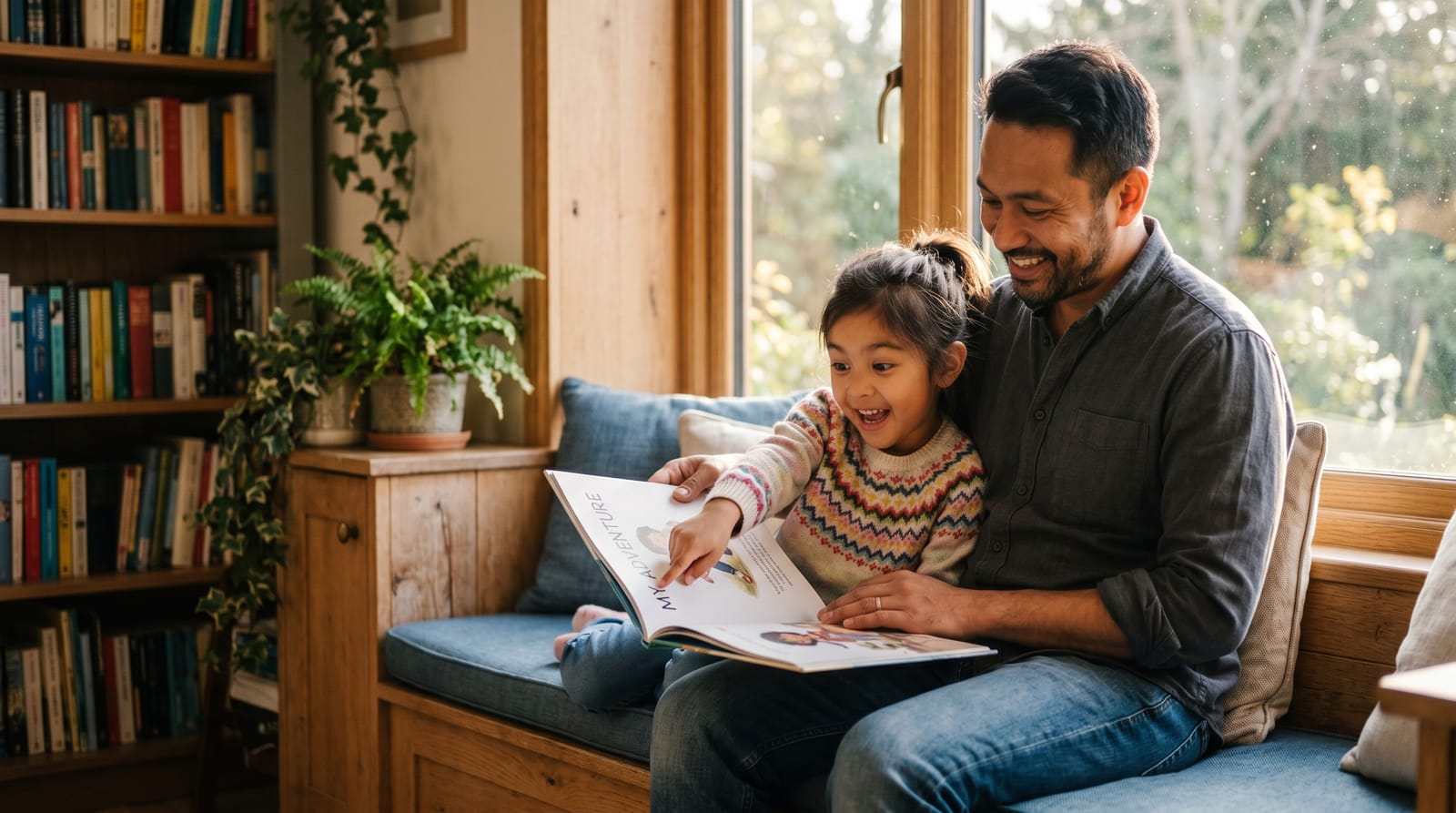
The landscape of children’s literature is shifting beneath our feet, and it is a beautiful sight to behold. For decades, the traditional picture book served as a window—a way for children to peer into worlds unlike their own, meeting talking animals or children in far-off lands. But as we move through {YEAR}, the role of these books is expanding. Today’s parents and educators are looking for more than just a bedtime distraction; they are seeking "mirrors" as much as "windows."
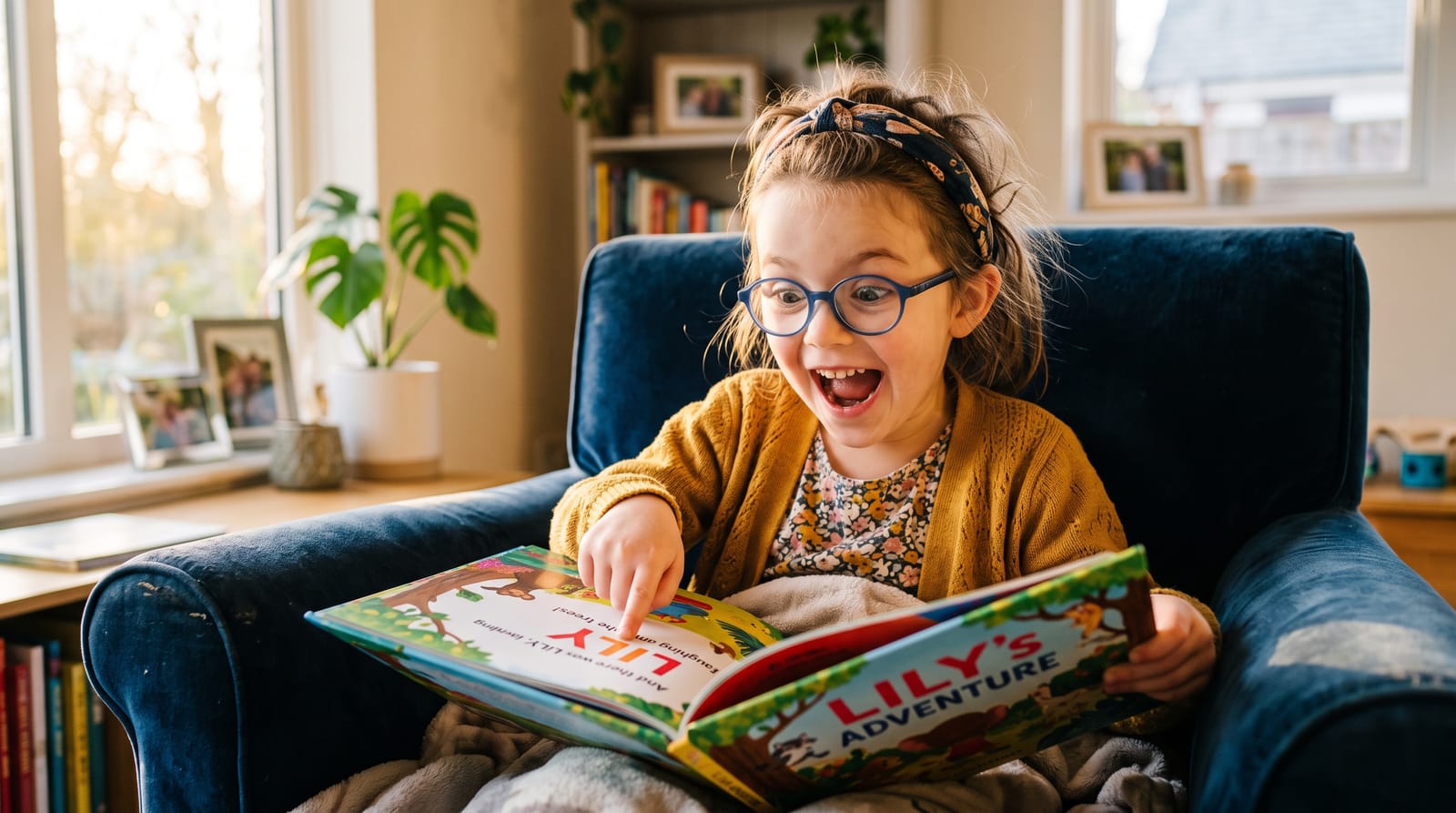
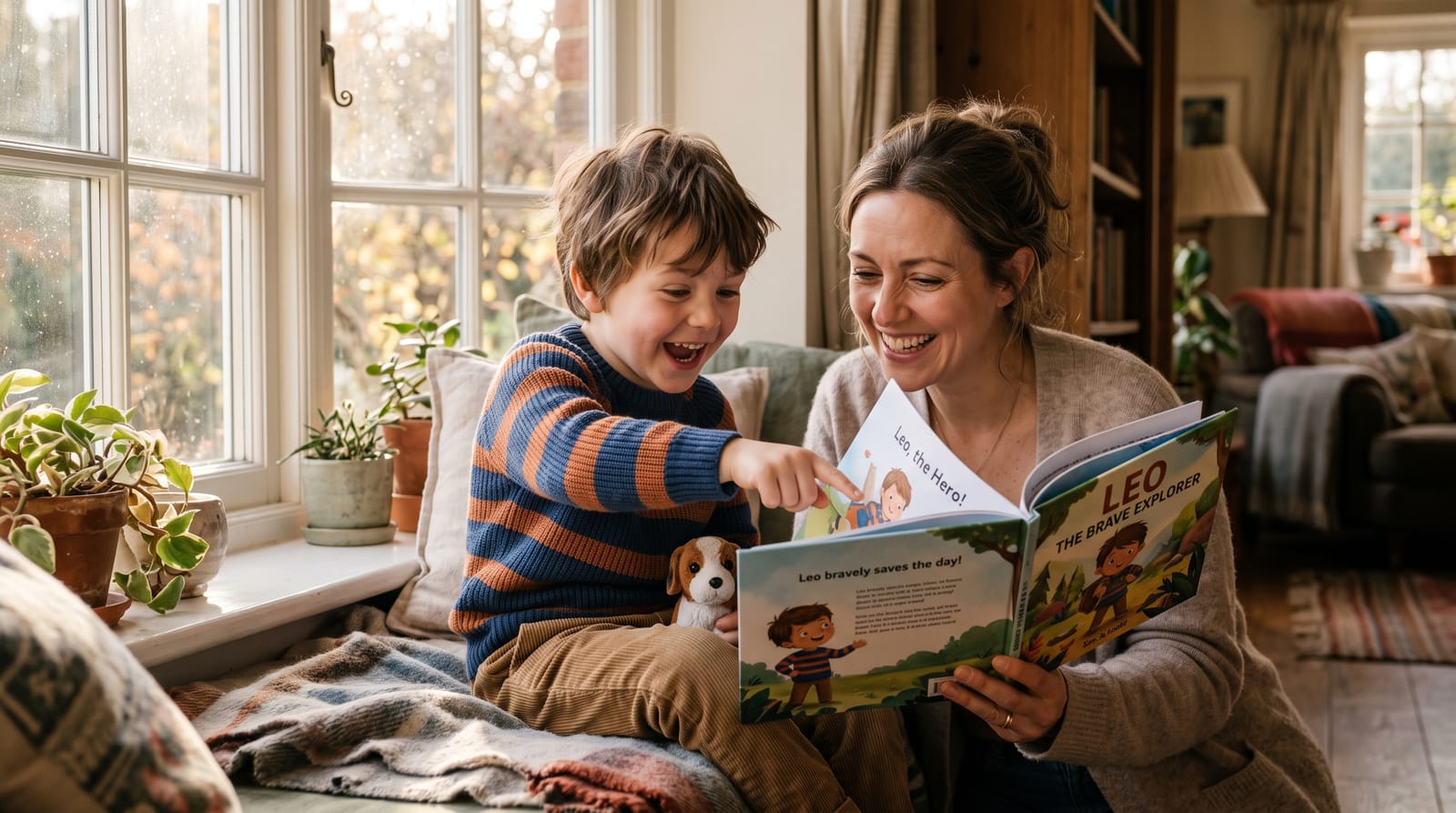
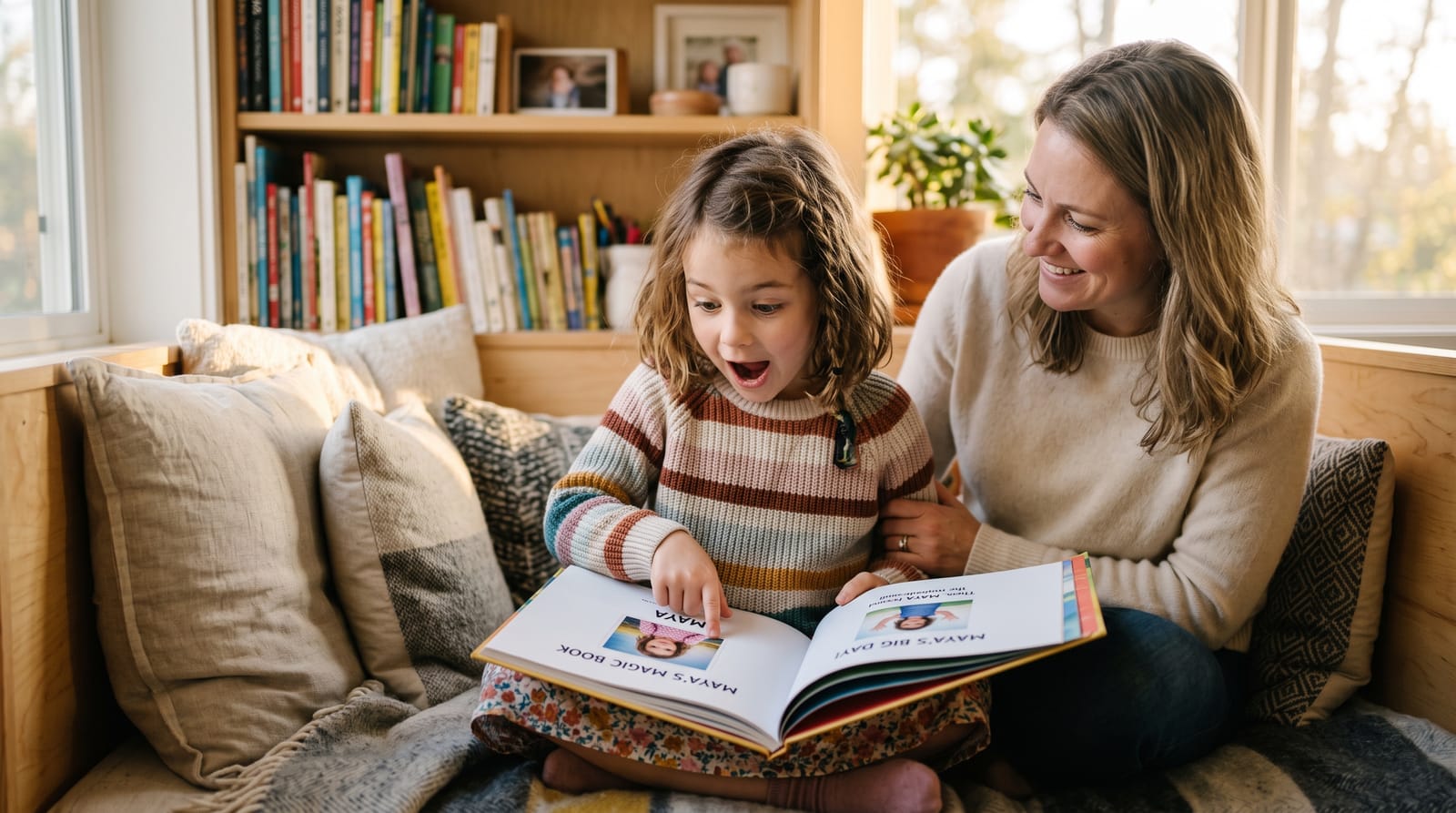
This evolution is where the magic of personalized books truly shines. By integrating a child's own identity into the narrative structure of a high-quality story, we aren't just changing a name on a page; we are fundamentally altering how a child relates to the concepts of heroism, heritage, and personal growth.
The Shift from Categories to Individual Experiences
In recent years, there has been a wonderful surge in diverse storytelling. We are seeing more books that celebrate specific cultural heritages, such as the vibrant traditions of AAPI communities or the rich history of the Philippines. However, there is a growing realization in the literary world that children should not be reduced to an acronym or a broad category.
True representation is about the "tiny starting points"—the specific way a grandfather teaches a child to dye fabric indigo, or the way a mother encourages a skeptical child to find the hidden wonders of the forest. When we look at the modern picture book, we see a move toward these intimate, lived experiences.
StorytimeHero takes this a step further. While a standard book might show a child traveling to see their ancestral home, a personalized narrative allows your child to be the one boarding the plane. This transforms the story from a lesson in geography into a foundational piece of their own family mythology. It bridges the gap between "someone else's story" and "my story," helping children see their own lives as worthy of being bound in a book.
Celebrating the Creative Spirit and Literary Legends
One of the most exciting trends in contemporary publishing is the biographical picture book that introduces young readers to literary icons. Whether it’s the resilient spirit of Judy Blume or the groundbreaking achievements of Virginia Hamilton, these stories teach children that writers are real people who used their voices to change the world.
These biographies do more than just relay facts; they celebrate the creative process itself. They show that storytelling is a tool for gaining control over one's fears and understanding one's place in history.
When a child engages with personalized books, they aren't just reading about a creator—they are stepping into the role of the protagonist themselves. This creates a powerful psychological "on-ramp" to literacy. If a child sees themselves navigating a magical world or solving a mystery today, they are much more likely to believe they can write their own stories tomorrow. It turns the "literary legend" from a distant figure into a relatable mentor.
Navigating Modern Challenges with a Growth Mindset
The world our children are growing up in is complex. From navigating food allergies to managing the frustrations of learning a new skill, the modern picture book has become a vital tool for social-emotional learning.
We see this in stories that focus on a "growth mindset"—the idea that our abilities aren't fixed, but can be developed through persistence and creative problem-solving. A story about a child finding a "sweet solution" to a difficult situation is more than just a plot; it’s a blueprint for resilience.
In the context of personalized books, this impact is amplified. When a child sees their own name attached to a character who is struggling but eventually succeeds, the "self-reference effect" kicks in. They don't just think, "That character was brave." They think, "I am brave." This subtle shift in perspective is incredibly effective for:
- Building confidence in the face of physical challenges or allergies.
- Encouraging persistence when a task feels too difficult.
- Developing empathy by seeing how their "character" interacts with others.
By modernizing the picture book with personalization, we provide children with a safe rehearsal space for real-life challenges.
The Sensory and Nature-Based Connection
There is a tactile, almost meditative quality to the best illustrated stories. Whether it’s the deep blue of an indigo dye or the lush green of a rice field, the visual language of a picture book helps ground a child in the physical world.
In an era of increasing screen time, the physical book remains a sanctuary. Many modern stories are focusing on the "slow" moments—nature walks, artistic processes, and quiet observations. Personalization adds a layer of "embodiment" to these moments. When the story describes the wind in the trees or the smell of a home-cooked meal, and it’s directed at the reader by name, the sensory details feel more immediate.
As we explore in our piece on how personalization is humanizing the picture book, this connection helps anchor a child’s wandering imagination. It tells them that the world around them—their backyard, their kitchen, their community—is a place of wonder.
Why Personalization is the Future of the Family Library
We often talk about "keepsake" books, but what makes a book worth keeping? Usually, it’s the memory of who we were when we first read it. By embodying narratives in modern picture books, we create a snapshot of a child’s identity at a specific moment in time.
The evolution of the picture book is moving away from the "one-size-fits-all" model. We are entering an era of participatory storytelling where the reader is no longer a passive observer. They are an active participant, a hero-in-training, and a vital part of the narrative fabric.
At StorytimeHero, we believe that every child deserves to see themselves as the center of a grand adventure. Whether that adventure is a trip across the globe or a simple lesson in kindness, the presence of the child’s own identity makes the lesson stick and the magic feel real.
FAQ: Common Questions About Personalized Picture Books
Related Reading
If you enjoyed exploring the changing world of children's literature, you might find these articles helpful:
- The Evolution of the Modern Picture Book
- The Bridge of Belonging: Personalization & Modern Themes
- The Lived Narrative: Personalization Meets Modern Picture Books
- Helping Kids Navigate Friendship & Fear
By embracing the new era of the picture book, we aren't just teaching our children how to read; we are teaching them how to belong, how to grow, and how to see the "extraordinary magic" in their own everyday lives.
Free preview checklist
Get the personalized book gift checklist
Know what photo to use, what to write in the dedication, and what to review before ordering.