How Personalization is Humanizing the Picture Book | StorytimeHero
Upload a photo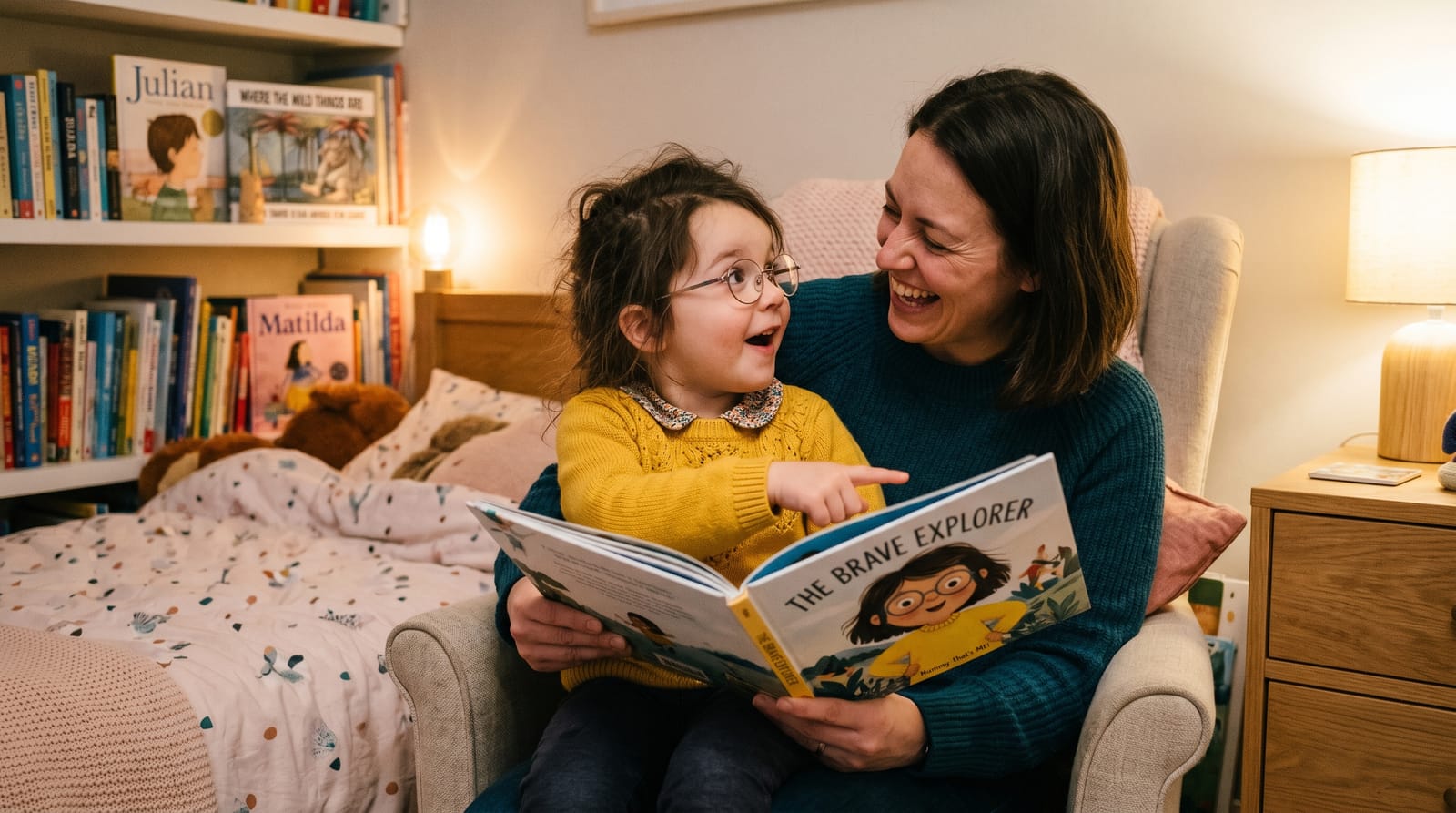
For decades, the standard picture book served as a gentle window into other worlds. We read about talking animals, brave knights, and distant lands, allowing our children to peek into lives different from their own. However, as we move through {YEAR}, a significant shift is occurring in the world of children’s literature. The "window" is becoming a "mirror."
Today’s parents and educators are looking for more than just a distraction; they are seeking stories that help children navigate the complexities of their own identities, challenges, and creative potential. This is where the evolution of the picture book meets the power of personalization. By integrating a child’s name, likeness, or specific life experiences into the narrative, we aren't just changing a character—we are changing the child’s relationship with the written word.
At StorytimeHero, we believe that every child deserves to see themselves as the protagonist of a grand adventure. Here is how the modern landscape of children’s literature is changing and why personalized books are the natural next step in that journey.
From Observing Greatness to Embodying It
One of the most inspiring trends in recent years is the rise of biographical picture books. We are seeing a surge in stories that celebrate literary icons and creative legends—people like Judy Blume, Virginia Hamilton, or Toni Morrison. These books are wonderful because they demystify the "creative genius," showing children that even the most famous authors were once little kids who felt small, scared, or unheard.
These stories teach children that their voices matter. But there is a leap that must be made from reading about someone else’s voice to finding your own.
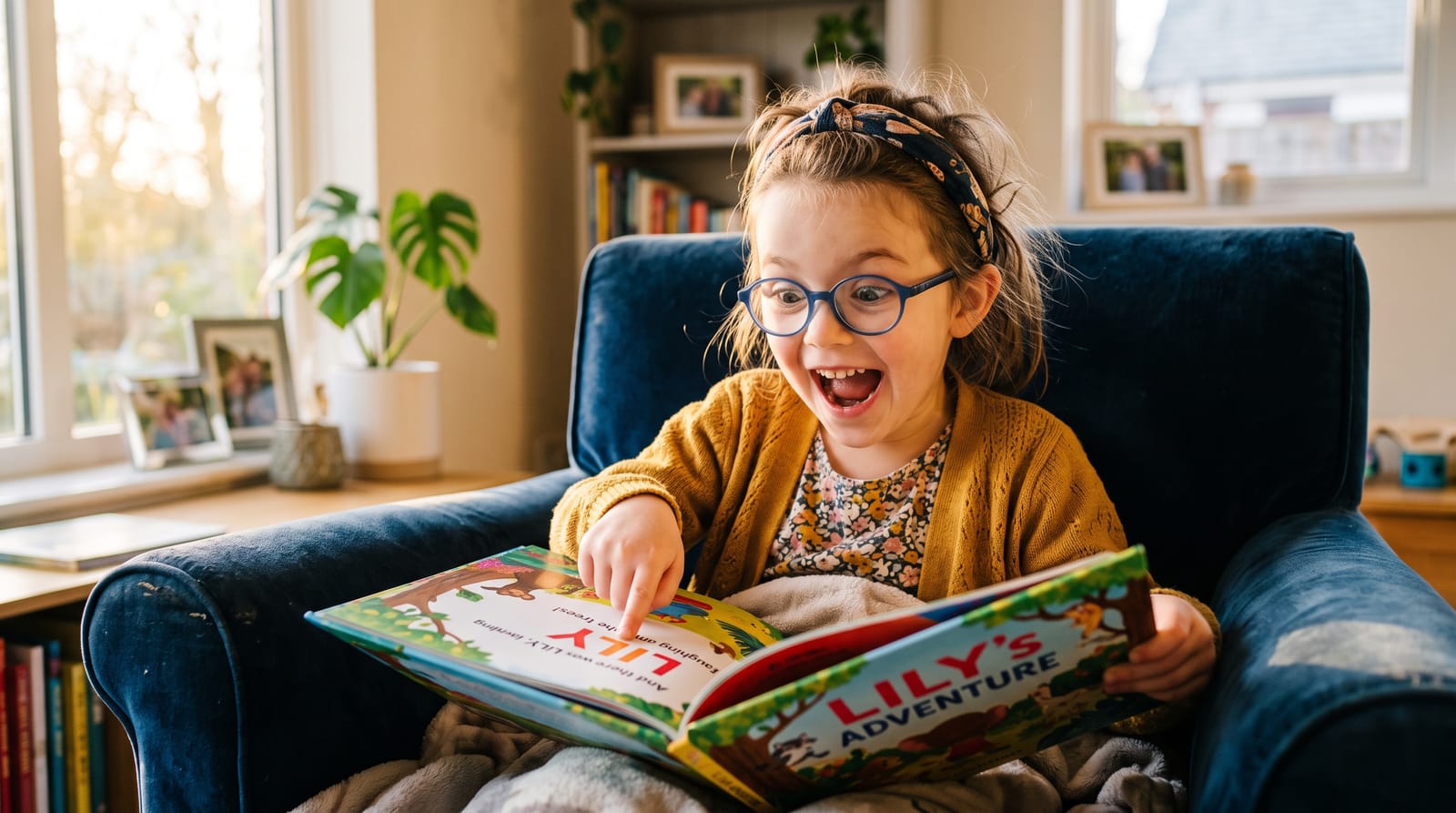
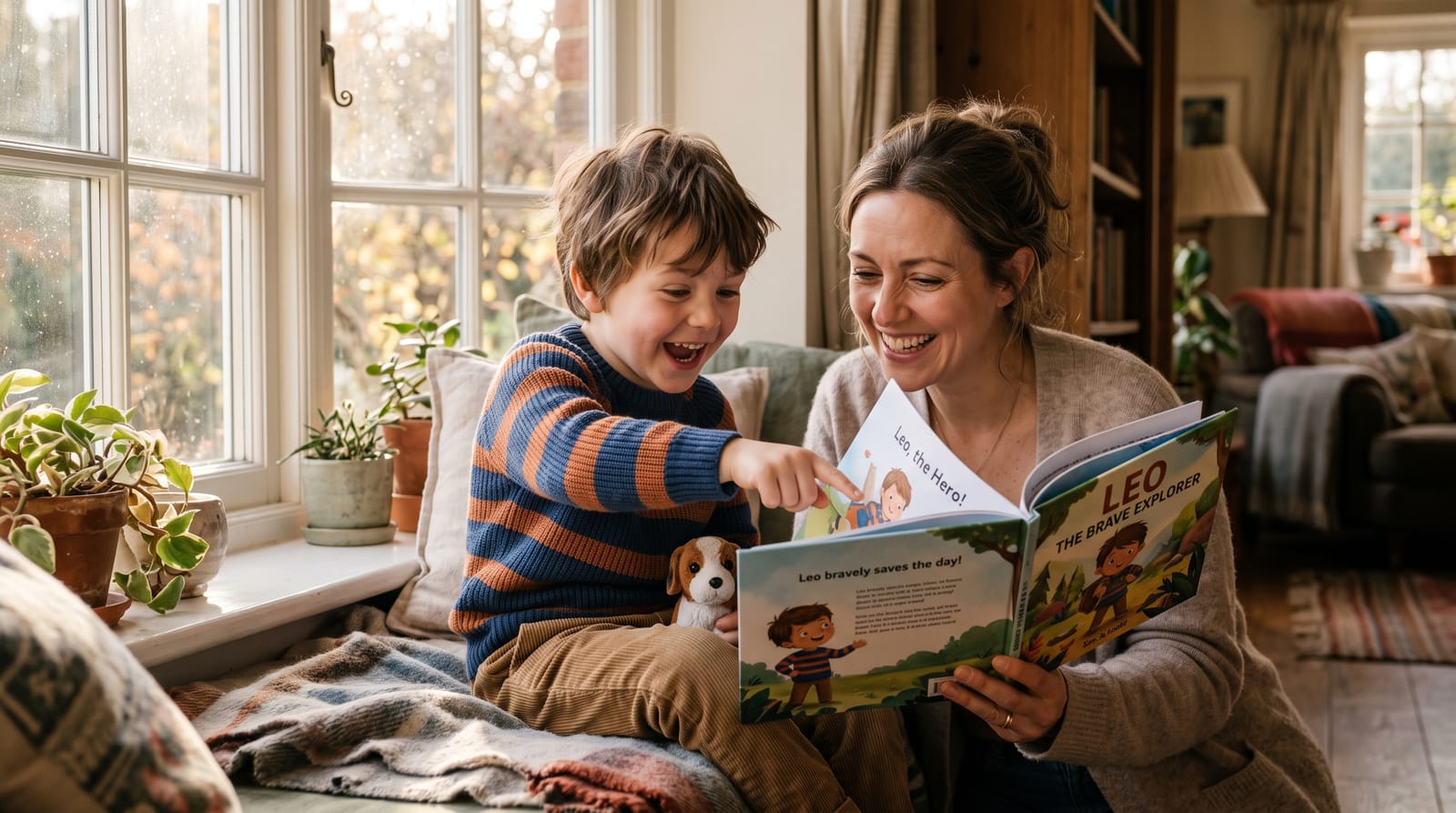
Personalized books bridge this gap by placing the child in the driver’s seat of the narrative. When a child sees their own name on the cover, the lesson shifts from "This person was brave enough to tell their story" to "I am the hero of my own story." It transforms the reading experience from a passive observation of someone else's achievement into an active exercise in self-efficacy. By seeing themselves navigate a plot, solve a problem, or explore a new world, children begin to internalize the idea that they, too, are capable of "extraordinary magic."
Moving Beyond the Acronym: The Need for Nuanced Representation
We are also seeing a beautiful push toward more diverse representation in the picture book market. There is a growing understanding that "diversity" isn't a monolith. For example, stories featuring Asian American and Pacific Islander (AAPI) characters are moving away from broad strokes and toward specific, lived experiences—whether it’s the meticulous process of indigo dyeing with a grandparent or a specific journey back to a family’s homeland in the Philippines.
This move toward specificity is crucial. Children don’t identify with "acronyms" or broad categories; they identify with the small, tactile details of life. They connect with the way a certain food tastes, the way a specific family member laughs, or the unique traditions held within their own four walls.
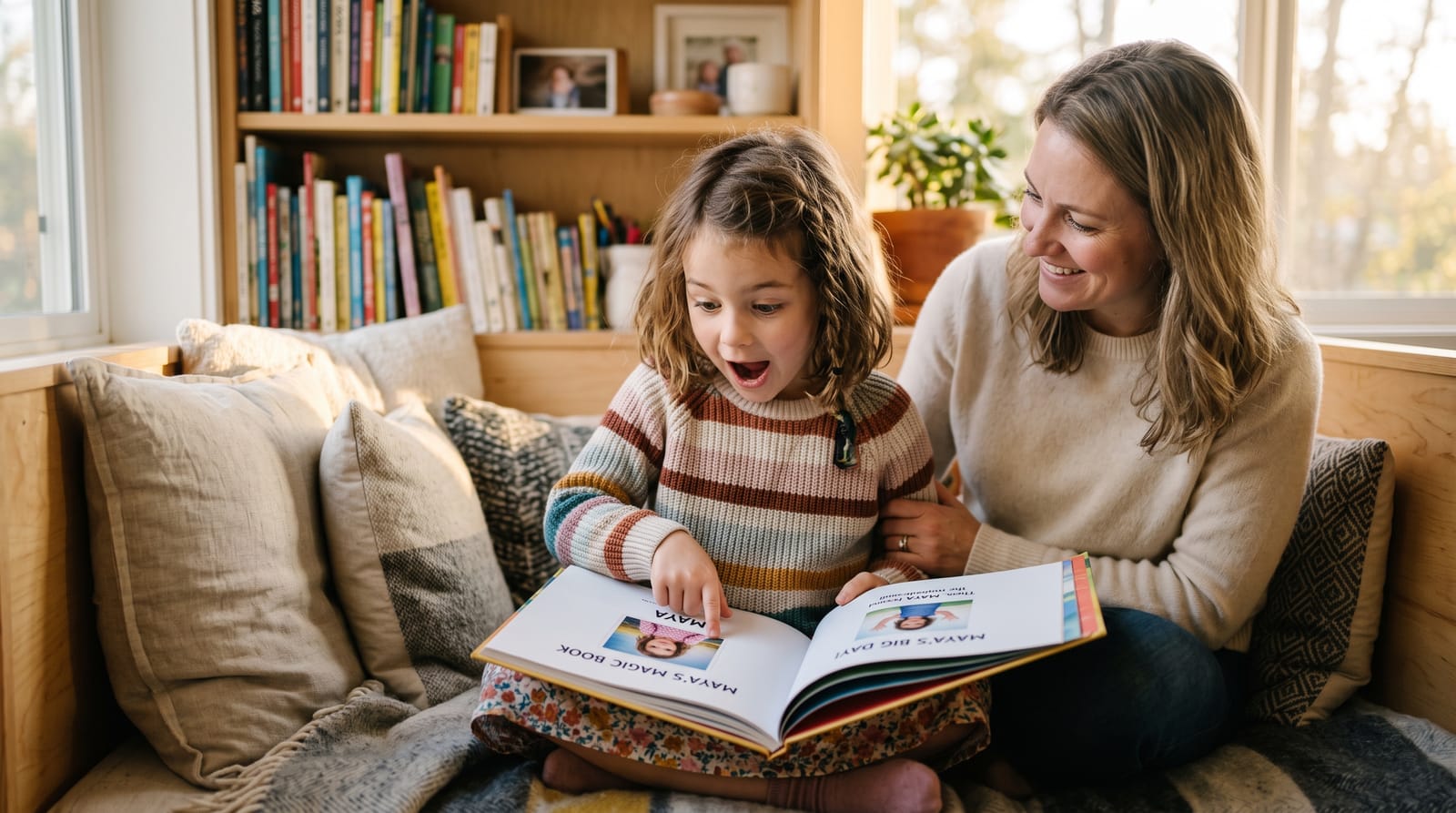
Personalization takes this quest for specificity to its logical conclusion. While traditional publishing is doing a better job of offering "representative" stories, a personalized book allows for a "one-of-one" experience. It acknowledges that your child’s family structure, their physical appearance, and their specific heritage are unique. In a world that often tries to categorize children, Personalized Books and Family Identity offer a sanctuary where their specific "self" is the gold standard.
The Picture Book as a Tool for Resilience and Mindset
Beyond identity and creativity, the modern picture book has become a vital tool for "social-emotional learning" (SEL). We are seeing more stories that tackle real-world "kid problems"—from managing food allergies to developing a "growth mindset" when things go wrong.
These books serve as a safe training ground. They allow children to experience a conflict and see a resolution from the safety of their parent's lap. However, when a story is personalized, the impact of these lessons is magnified.
Imagine a story about a child learning to be brave in the face of a new challenge. If the character in the book looks like the reader and shares their name, the "lesson" becomes a "memory." The child isn't just learning that a character can be resilient; they are practicing being resilient themselves. This is the "embodied narrative" in action. By Helping Kids Navigate Friendship & Fear, personalized stories provide a blueprint for real-life courage.
Why Personalization is the Future of Early Literacy
The primary goal of any picture book is to foster a love of reading. We want children to associate books with warmth, wonder, and a sense of belonging. Research has long shown that children are more engaged with a text when they see themselves reflected in it. This "self-referencing effect" helps with:
- Memory Retention: Kids remember the details of a story better when they are the ones experiencing the events.
- Vocabulary Acquisition: When a child is highly engaged, they are more likely to ask questions about new words and concepts.
- Empathy Development: Paradoxically, by seeing themselves as the hero, children become better at imagining what it’s like for others to be the hero of their own lives.
By Modernizing the Picture Book with Personalization, we are essentially giving children a key to the library. We are telling them that the world of books isn't a place they visit; it's a place they belong.
Creating a "Best-Keep" Library
In an age of digital distractions, the physical picture book remains a sacred object. It’s something to be held, chewed on, and tucked under a pillow. Parents today are moving away from "disposable" toys and toward "keepsake" experiences.
A personalized book from StorytimeHero isn't just a bedtime story; it's a time capsule. It captures who the child was at a specific moment in time—their interests, their appearance, and their place in the family. This is why many families are adopting a Best-Keep Strategy for Kids' Books, choosing to invest in a few high-quality, deeply meaningful stories rather than a mountain of generic titles.
Frequently Asked Questions
Related Reading
If you enjoyed this exploration of the modern picture book, you might find these other articles helpful:
- The Evolution of the Modern Picture Book
- How Personalization Reimagines the Picture Book Experience
- Enhancing Fantastic Children's Stories with Personalization
- The Living Protagonist: Modern Picture Book Trends
Conclusion: The Story is Only Just Beginning
The picture book is a resilient medium. It has survived the rise of television, the internet, and tablets because nothing can replace the intimacy of a shared story. By introducing personalization into this mix, we aren't replacing the classic picture book; we are evolving it.
We are moving toward a future where every child knows, without a shadow of a doubt, that they are "book-worthy." Whether they are learning about the great authors of the past or navigating the tiny, indigo-dyed details of their own heritage, personalized stories ensure that the most important character in the book is the one holding it in their hands.
At StorytimeHero, we are honored to help you build that bridge of belonging, one story at a time. In {YEAR} and beyond, let’s make sure every child sees themselves as the hero they truly are.
Free preview checklist
Get the personalized book gift checklist
Know what photo to use, what to write in the dedication, and what to review before ordering.