The Living Picture Book: Connection & Resilience | StorytimeHero
Upload a photo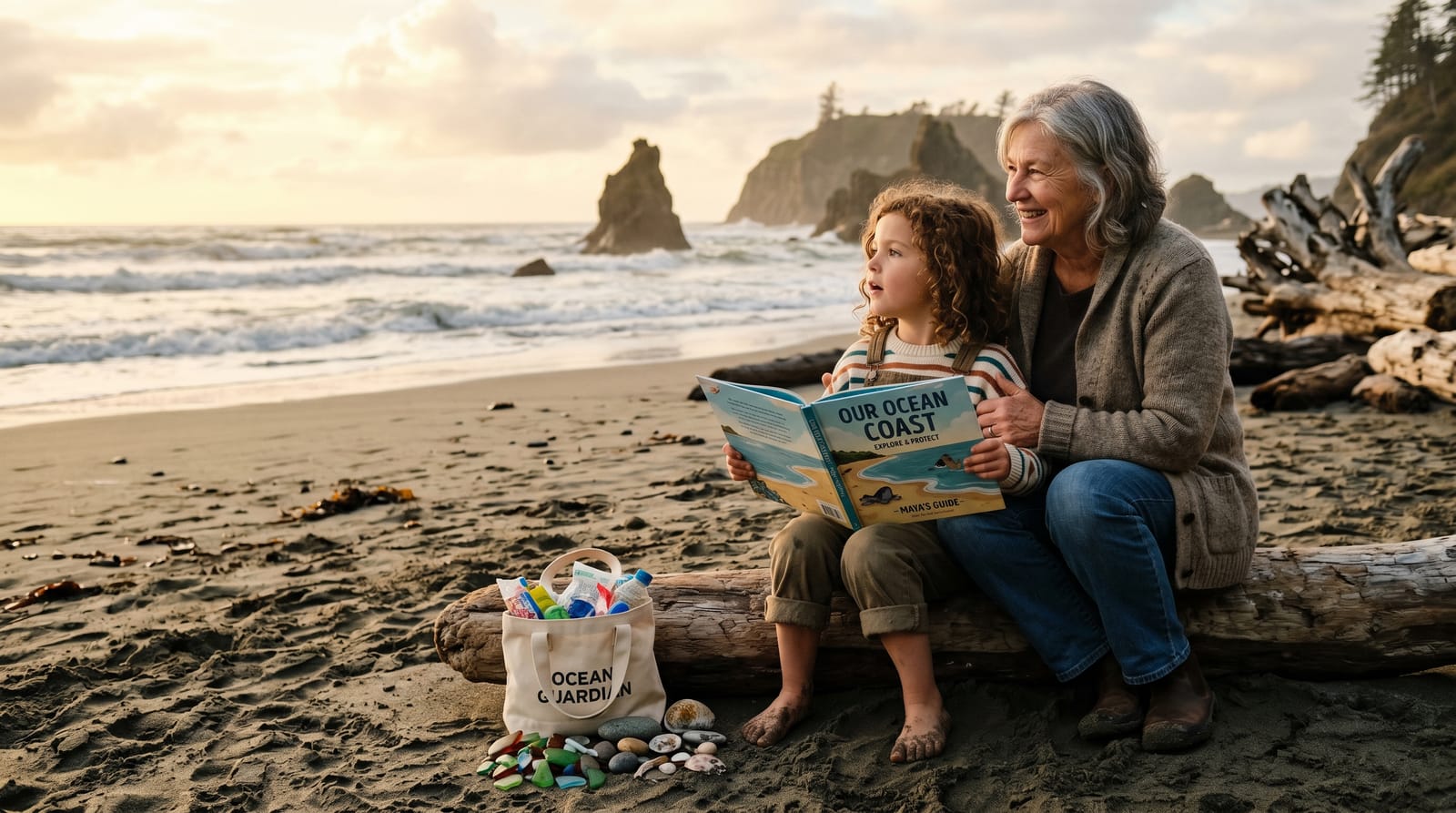
The landscape of the children's picture book has undergone a quiet but profound transformation. Once viewed primarily as a tool for early literacy or a simple bedtime distraction, today’s most impactful stories serve as blueprints for navigating a complex world. They are mirrors for identity, maps for emotional regulation, and bridges toward deeper family connection.
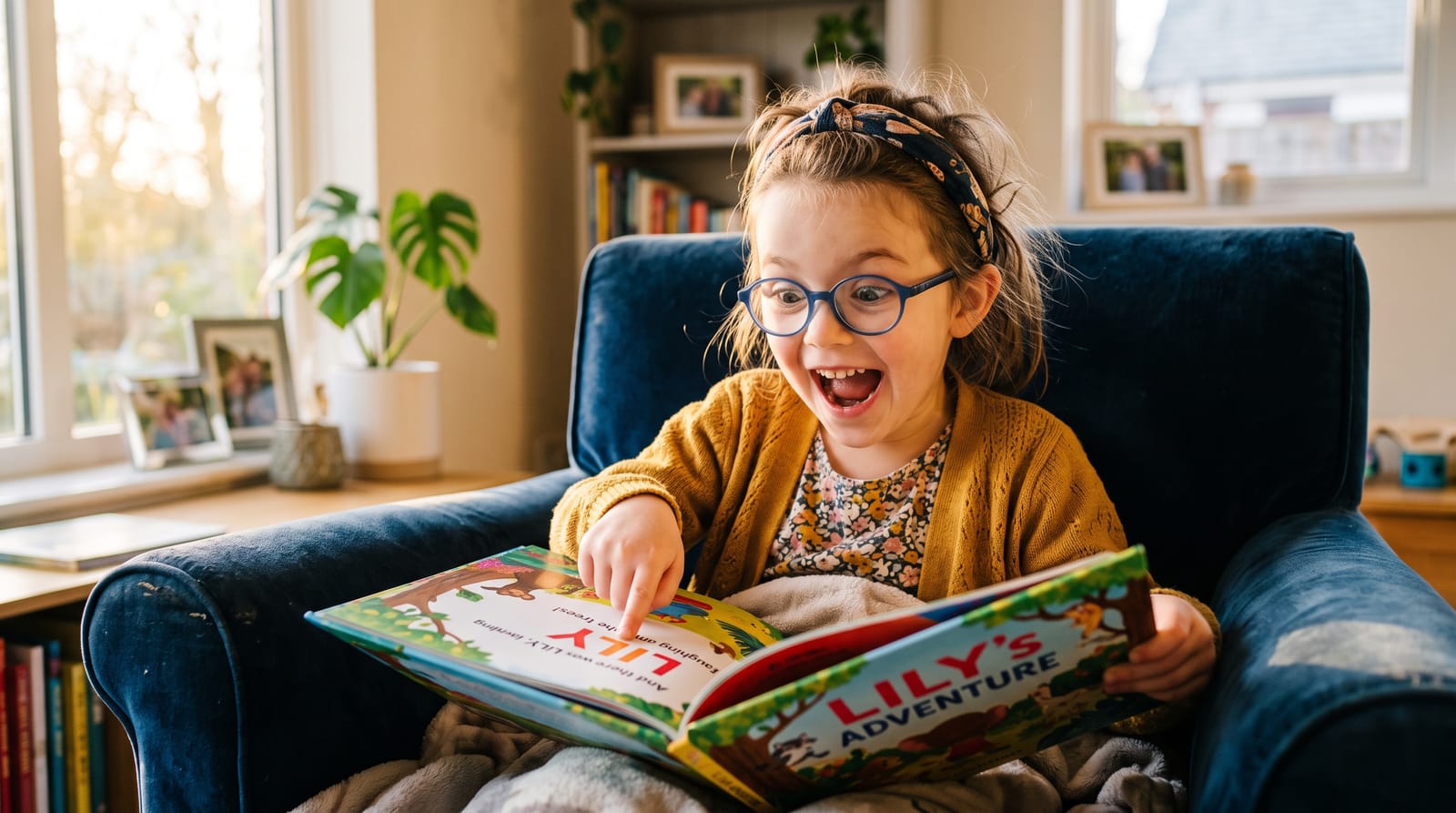
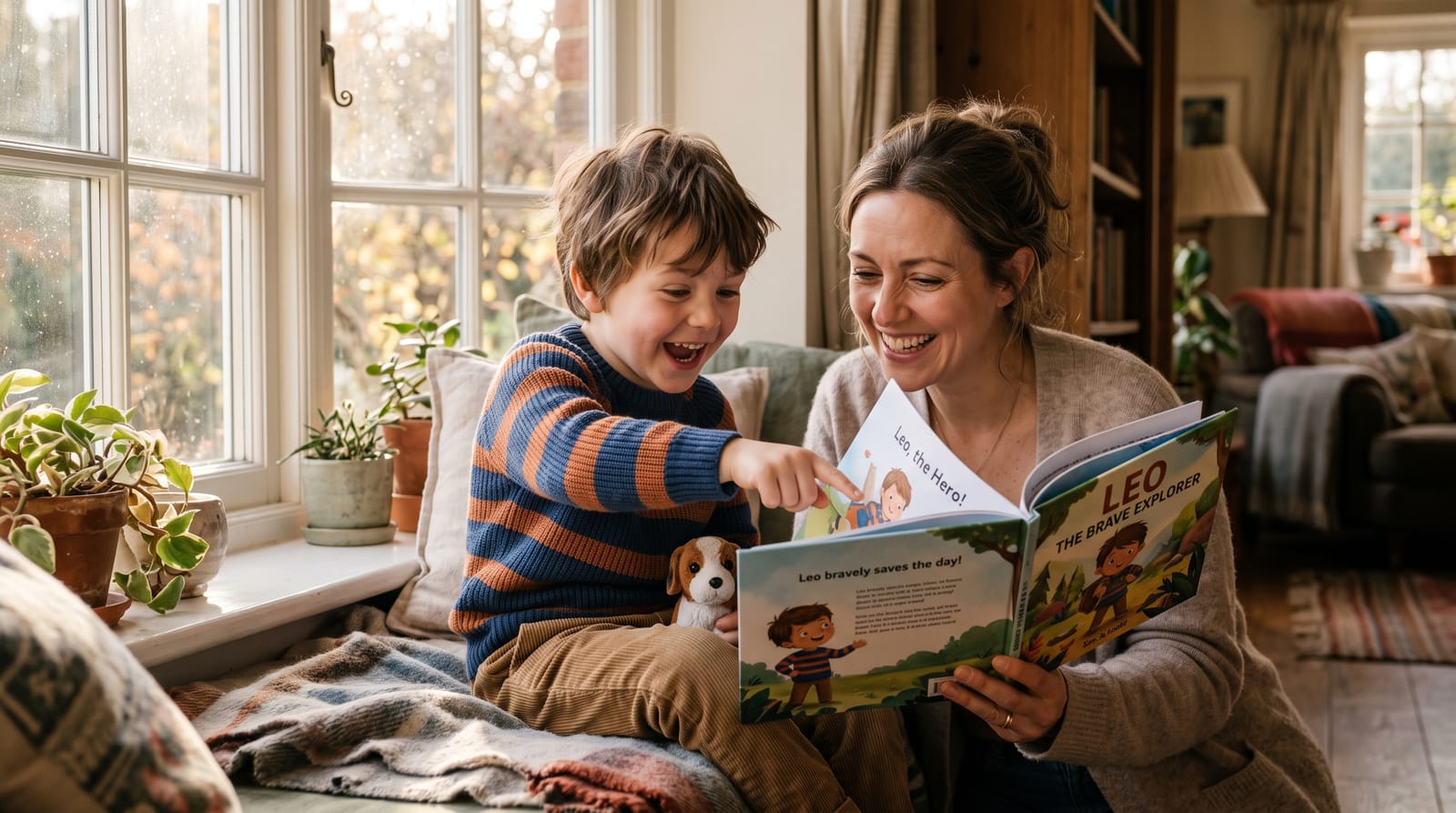
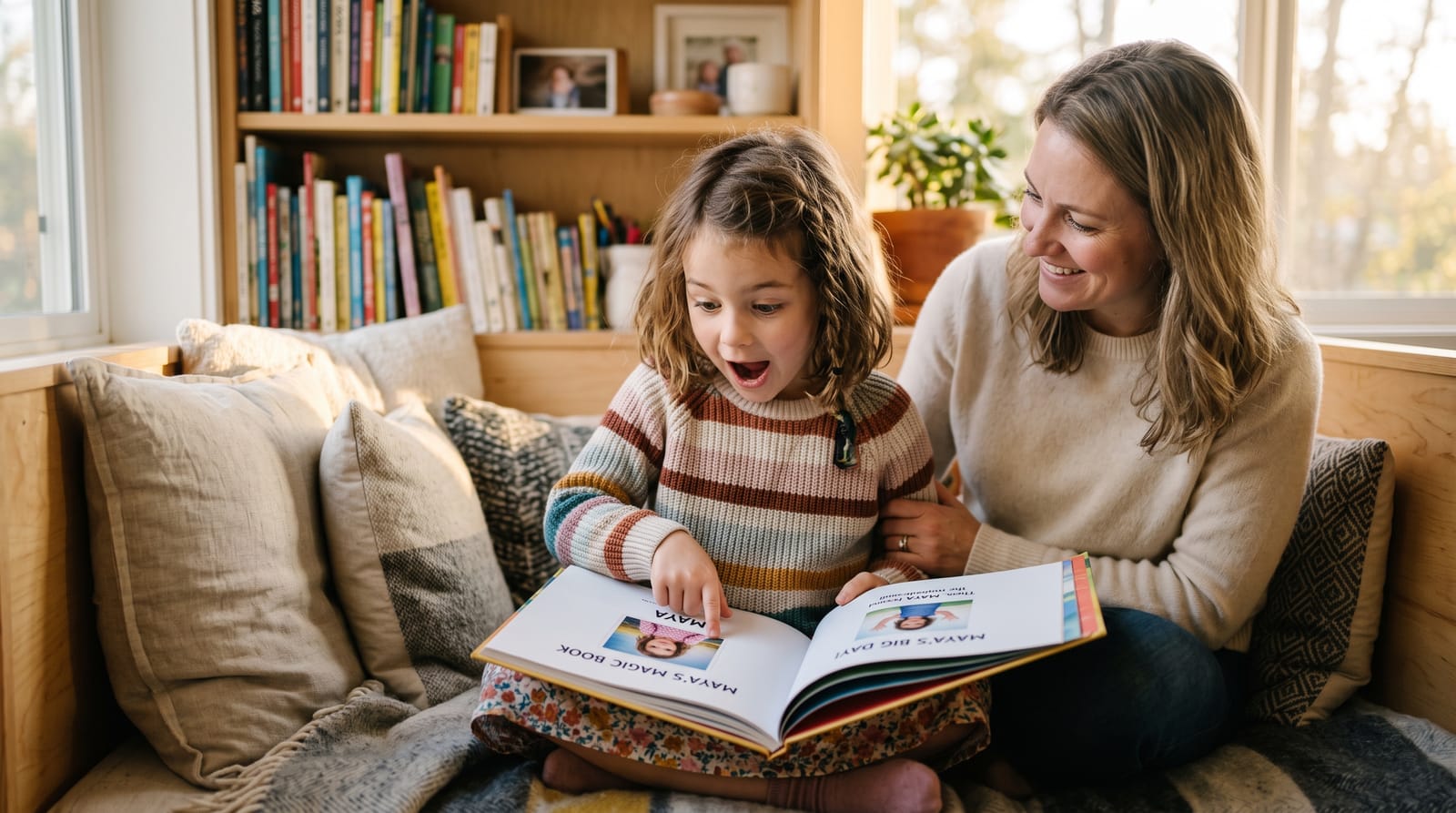
In {YEAR}, parents are looking for more than just "excellent" stories. They are looking for narratives that resonate with their child’s specific lived experience. This is where the concept of the "living" picture book comes into play—a story that doesn't just sit on a shelf but lives within the child's daily reality. By integrating personalization into these high-quality narratives, we can bridge the gap between a fictional character’s growth and a child’s personal development.
The Power of Shared Settings: Beyond the Scenery
One of the most enduring themes in the modern picture book is the importance of setting as a character in its own right. Consider the classic beach day. For many families, the ocean represents a recurring tradition, a place where extended family members—grandparents, cousins, and old friends—reunite under the sun.
When a story focuses on these environments, it highlights a fundamental human need: connection. These stories aren't just about building sandcastles; they are about the "salt air" of nostalgia and the "vibrant" energy of being together. However, a generic character experiencing these moments can sometimes feel distant.
When we introduce personalized books into these settings, the impact shifts. Suddenly, it isn't just "a girl named Maya" visiting her grandmother; it is your child walking along the shore with their specific family members. This personalization anchors the child’s sense of belonging. It reinforces the idea that their family traditions are worthy of being documented in a "tippy-top" favorite book.
Environmental Stewardship Through Personal Agency
Modern stories also use these settings to teach responsibility without being "preachy." A child might see a character notice litter on a foggy beach and choose to clean it up. This teaches a powerful lesson about environmental stewardship.
By making the child the protagonist of such a story, the lesson becomes an identity. Instead of learning that "people should keep beaches clean," the child learns "I am the kind of person who cares for the world." This shift from passive observation to active participation is the hallmark of how personalization breathes life into modern picture books.
Navigating Modern Challenges: Problem-Solving and Growth Mindsets
Childhood in {YEAR} comes with its own unique set of hurdles. From navigating food allergies to managing the frustrations of learning a new skill, children are constantly required to practice a "growth mindset."
A high-quality picture book today often serves as a "sweet solution" to these real-world problems. For example, a story about a child with a food allergy who finds a creative way to celebrate a birthday doesn't just offer representation—it offers a roadmap for problem-solving. It teaches kids that constraints are not dead ends but opportunities for innovation.
The Role of Personalization in Resilience
When a child sees themselves—their own name and likeness—navigating a challenge in a book, the psychological "distance" between the story and reality vanishes. If the character in the book can find a way to enjoy a party despite an allergy, then the child reading the book feels empowered to do the same.
Personalized books act as a rehearsal for real-life resilience. They allow children to "practice" success in a safe, narrated environment. This is why personalization and the modern picture book are such a natural fit; they take the high-quality themes of modern literature and apply them directly to the reader's life.
The Magic of Tradition: Excellence in Seasonal Stories
There is perhaps no time of year when the picture book carries more weight than during the holidays. Whether it’s a snowy winter journey or a festive family gathering, these books often become "treasured" heirlooms.
Creators of these stories often go to great lengths to "set the mood," even if they are writing a winter tale in the middle of summer. They focus on the "enchanting journey" and the emotional core of the audience. For a book to be truly "above and beyond excellent," it must capture the magic of the season in a way that feels timeless.
Making the Magic Personal
While there is no shortage of holiday books, the ones that stick are those that feel like they belong to the family. StorytimeHero recognizes that the "most treasured" read-alouds are those where the child is the hero of the holiday magic.
Imagine a Christmas story where your child isn't just watching a reindeer's journey, but is the one helping the reindeer find their way. This transforms the reading experience from a passive activity into a foundational family memory. By bridging the narrative gap, we ensure that the "tippy-top" favorites on the shelf are the ones that celebrate the child’s place in the family’s seasonal mythology.
Why Intentionality Matters in Children's Literature
What makes a picture book truly great? It is the intentionality of the creator—the way they consider their audience, the rhythm of their prose, and the emotional resonance of their illustrations. Whether it's a retired sea captain finding friendship or a bird navigating a bustling city, the best stories are built on universal truths.
At StorytimeHero, we believe that the ultimate "universal truth" for a child is their own value and agency. Our goal isn't to replace the classics but to elevate great children's stories with personalization. We take the elements that make a book "excellent"—strong themes, beautiful settings, and meaningful challenges—and weave the child into the very fabric of the narrative.
Practical Tips for Building Your Living Library
When selecting books for your child this year, look for stories that offer more than just a plot. Look for "living" books that:
- Emphasize Connection: Does the story highlight the beauty of family bonds or the joy of making new friends?
- Foster a Growth Mindset: Does the protagonist face a challenge with determination and a "sweet solution" rather than giving up?
- Encourage Stewardship: Does the book inspire the reader to care for their environment or their community?
- Allow for Personalization: Can your child see themselves in the story, either literally or through shared experiences?
By choosing books that address modern family life, you are giving your child more than just a story; you are giving them a sense of self.
The Future of the Picture Book
The evolution of the picture book is moving toward a more participatory experience. We are entering an era where the "audience" is no longer just a listener, but an active participant in the tale. This shift is humanizing the reading experience, making it more inclusive and more impactful.
As we look toward the future of storytelling, the focus remains on quality. Whether it’s a story about the beach, a holiday adventure, or a lesson in resilience, the goal is to create a "bridge of belonging." When a story is "above and beyond excellent" and specifically tailored to the child, it becomes a permanent part of their internal world.
---
FAQ: Frequently Asked Questions About Personalized Picture Books
Related Reading
Free preview checklist
Get the personalized book gift checklist
Know what photo to use, what to write in the dedication, and what to review before ordering.