How Personalized Books Address Modern Family Life | StorytimeHero
Start a cover preview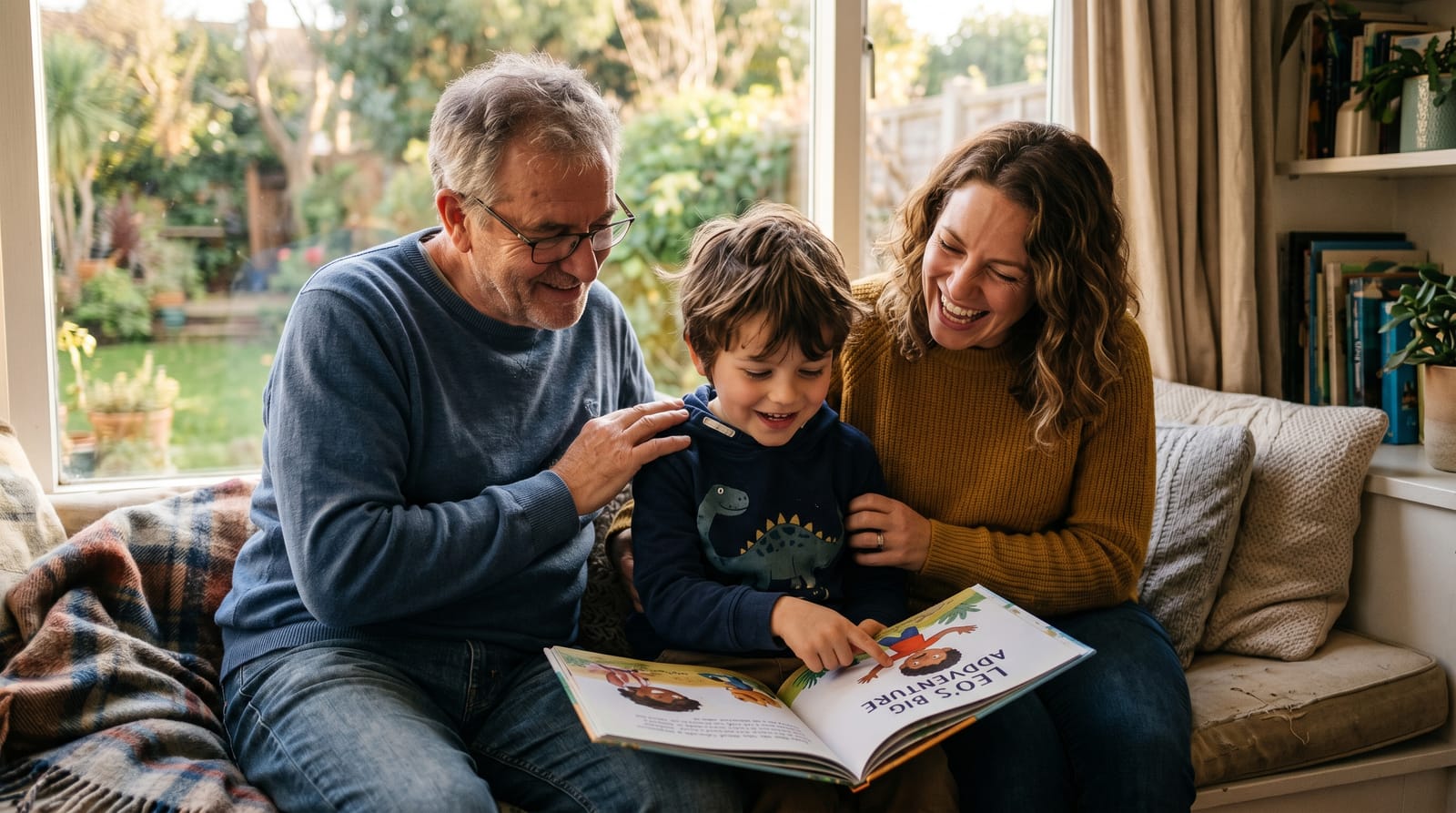
In the quiet hush of a bedroom as the sun dips below the horizon, a child settles under the covers. This is the moment where the world shrinks down to the size of a page, and the stories we tell become the bricks and mortar of a child’s identity. For decades, the "standard" family in children’s literature followed a very specific, often narrow, blueprint. But as we move through {YEAR}, the definition of family has blossomed into a beautiful, complex, and diverse tapestry.
The challenge for modern parents is finding stories that don’t just "include" their children but actually see them. This is where the evolution of storytelling takes a personal turn. By shifting the perspective from a generic protagonist to a child’s own lived reality, personalized books are doing more than just entertaining; they are validating the very structure of the modern home.
The Shift from Generic to Genuine: Why Representation Matters
For a long time, children from non-traditional or marginalized backgrounds had to perform a sort of "narrative gymnastics." They had to squint at the characters in their books and try to find a version of themselves in stories that didn't quite fit. Whether it was a family with two dads, a household navigating a disability, or a multi-generational home, the "mirrors" provided by traditional publishing were often cracked or missing entirely.
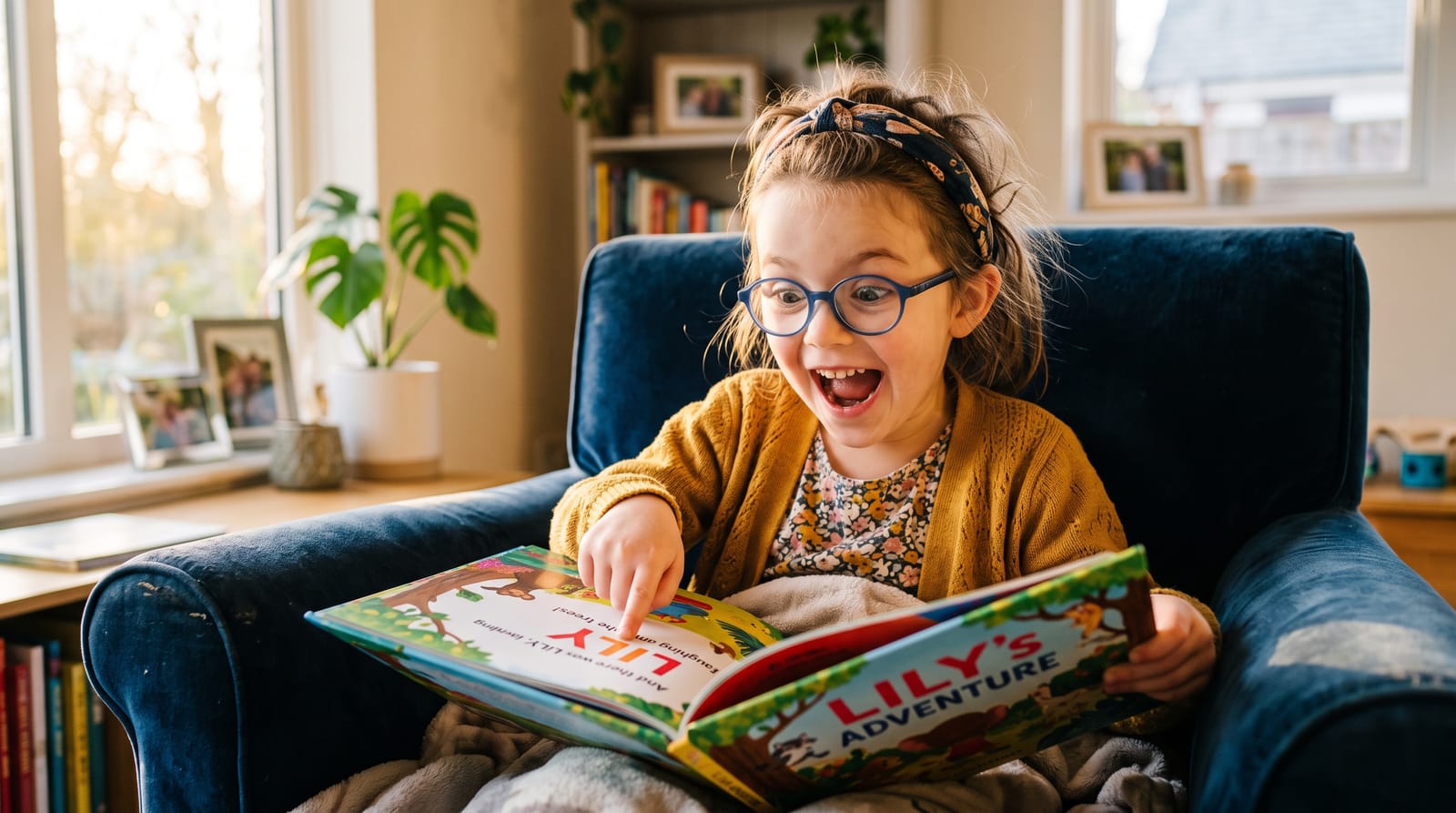
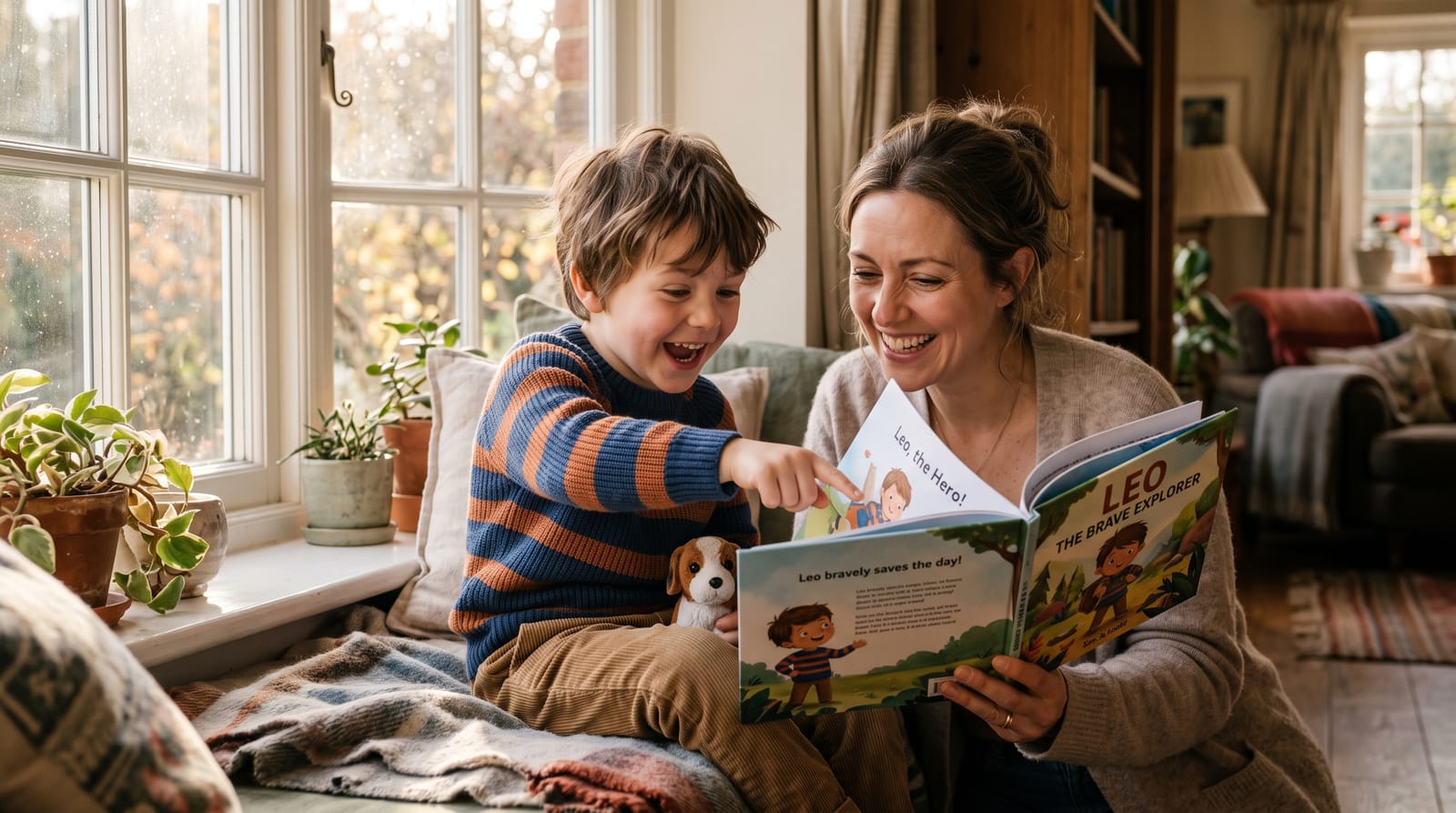
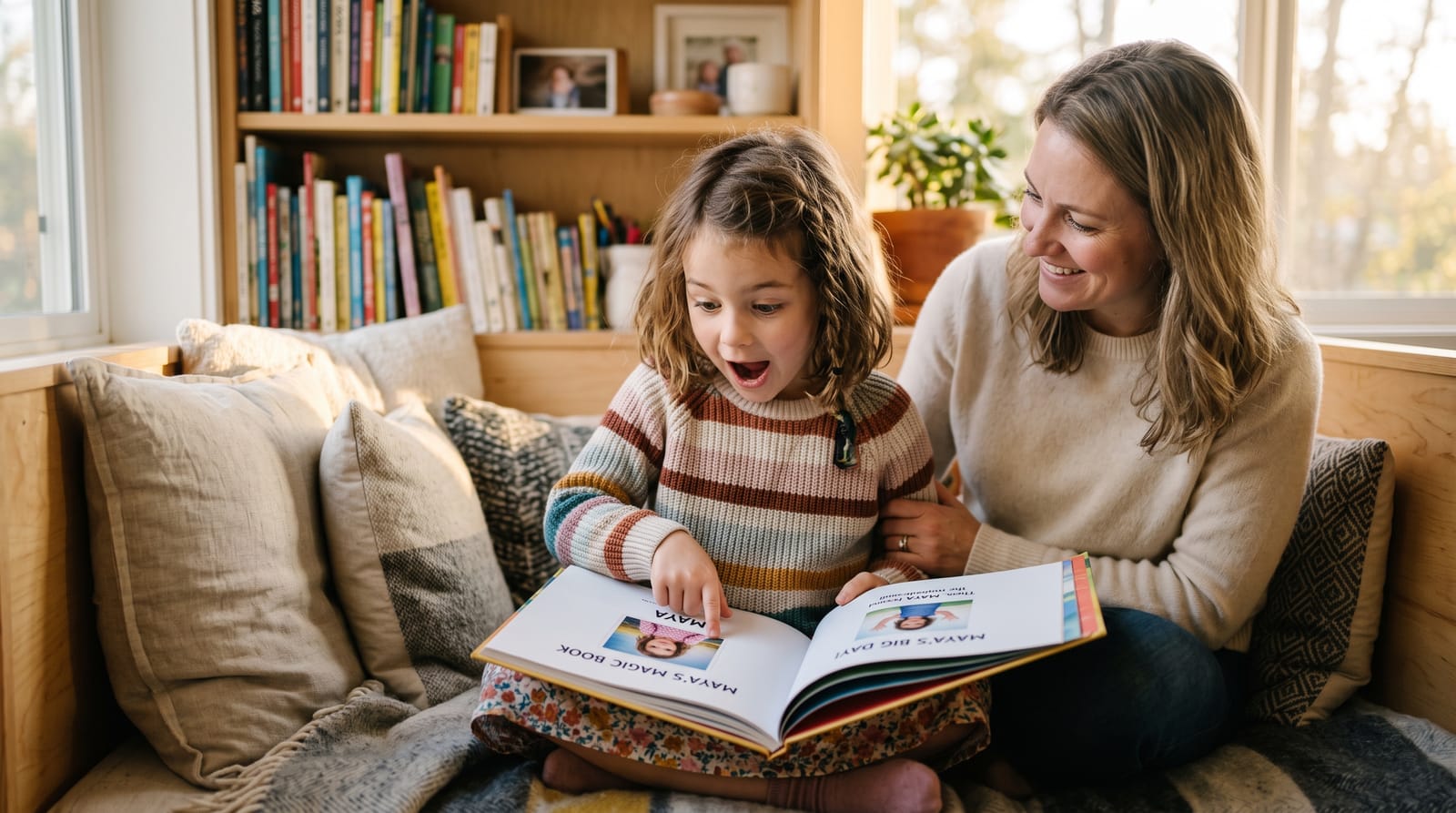
Personalized books have changed this dynamic by allowing the family unit to be the foundation of the story, rather than a secondary detail. When a child sees their own name, their specific family members, and even their unique household dynamics reflected on the page, the story ceases to be a distant "once upon a time" and becomes a "here and now." This is a crucial step in Modern Family Narratives & Personalized Books, where the goal is to bridge the gap between fiction and reality.
Normalizing the "Different"
One of the most profound impacts of personalization is its ability to normalize what society might label as "different." In many contemporary conversations among authors, there is a growing emphasis on moving beyond "issue books"—stories where a disability or a specific family structure is the entire plot. Instead, there is a push for stories where these elements simply exist as part of a rich, adventurous life.
When a personalized story features a child who uses a wheelchair or lives in a blended family as the hero of a grand adventure, it sends a powerful message: your identity is not a hurdle to be cleared; it is simply the starting point of your journey. This approach helps in Strengthening Family Identity via Micro-Moments, as the focus remains on the love and connection within the home rather than the labels placed upon it.
The Shared Journey: Lessons from the Family Road Trip
Think about the last time you planned a family outing. Perhaps it was a summer vacation or a simple trip to a local park. You likely spent hours balancing the needs of a toddler who wants to run, a middle-grader who wants to explore, and your own desire for a moment of peace. Family life is a constant act of synchronization.
Reading a book together is, in many ways, the ultimate "family trip." It is a destination that everyone arrives at together, yet everyone experiences differently. Personalized books act as a GPS for this journey. By centering the story on the child and their specific world, it creates a Narrative Anchor: Family & Personalized Books that keeps everyone grounded.
Balancing Individual and Collective Identity
In a personalized narrative, the child is the hero, but they are rarely alone. They are surrounded by the people who make up their support system. This mirrors the reality of a family vacation where, despite different interests, the core experience is shared. By weaving the child’s real-world connections into the fabric of a fantastical quest, these stories help children understand their place within the larger family unit. They learn that while they are the "main character" of their own lives, their strength is amplified by the people who walk beside them.
Windows, Mirrors, and the Bridge of Belonging
Literary experts often speak about the "window and mirror" concept. A book should be a mirror in which children can see themselves, and a window through which they can observe the lives of others. For many years, certain children were given plenty of mirrors but very few windows, while others were given nothing but windows and were left searching for a reflection.
Personalized books offer a unique third option: the "Bridge of Belonging." By starting with the child’s own reflection (the mirror), the story then builds a path toward understanding more complex themes (the window).
Cultivating Empathy for the Self and Others
In {YEAR}, we are seeing a significant rise in the need for inclusive content that addresses LGBTQ+ themes, neurodiversity, and physical differences. When these themes are introduced through a personalized lens, they feel less like a "lesson" and more like an extension of the child’s world.
For example, a story that acknowledges a child’s two mothers or their non-binary sibling doesn't need to explain why that family exists; it simply celebrates that they are there. This subtle but firm validation is a key part of The Bridge of Belonging: Personalized Books & Modern Themes. It allows the child to feel secure in their own identity, which is the necessary prerequisite for developing genuine empathy for others.
Building a "Family Mythology" through Storytelling
Every family has its own "mythology"—the stories we tell over and over again about the time the dog escaped, the "secret" ingredient in grandma's cookies, or the first time a child saw the ocean. These stories define who we are as a collective.
StorytimeHero and other personalized book platforms allow families to codify these mythologies. When you put a child at the center of a story that reflects their real-world environment, you are essentially "leveling up" the family narrative. You are telling the child: "Your life is worth writing about. Your family is legendary."
The Power of Being Seen
There is a psychological weight to being the protagonist. When a child reads a story where they are the one solving the mystery or befriending the dragon—and they are doing so while surrounded by characters who look and act like their real family—it fosters a deep sense of belonging. This isn't just about entertainment; it’s about emotional safety. In an increasingly fast-paced and digital world, the tangible experience of a book that "knows" you provides a rare form of grounding.
Navigating the "Away-Story" with a Home Base
As children grow, their worlds naturally expand. They go to school, join sports teams, and eventually start navigating friendships and conflicts outside the home. This is often referred to as the "away-story." It can be a scary transition for both the child and the parent.
Personalized books serve as a bridge between the safety of the home and the unknown of the "away-story." By creating a narrative where the child successfully navigates challenges while staying connected to their family roots, these books build resilience. They provide a mental rehearsal for real-world independence, all while keeping the "home base" clearly in view.
Practical Tips for Choosing Personalized Family Stories
If you are looking to integrate personalized books into your family’s library in {YEAR}, consider these factors:
- Look for Depth, Not Just Names: A good personalized book should do more than just swap out a name. It should allow for the customization of family structures and appearances to truly reflect your household.
- Focus on Shared Values: Choose stories that emphasize the values your family holds dear—whether that’s courage, kindness, curiosity, or humor.
- Consider the "Long Game": Think about how the book will age with your child. A story that validates their family identity today will become a cherished keepsake that tells the story of their childhood tomorrow.
Frequently Asked Questions
Conclusion: The Lasting Legacy of the Personal Page
At the end of the day, a family is more than just a group of people living under one roof; it is a shared story. By choosing personalized books, parents are taking an active role in how that story is written. They are ensuring that their children grow up in a world where their family structure isn't an "exception" or a "variation," but the very heart of the adventure.
In {YEAR}, we have more tools than ever to ensure that every child feels like the hero of their own life. Whether we are navigating the complexities of modern identity or simply trying to find a story that makes everyone feel at home, the power of the personalized page remains one of our most effective ways to say: "You belong here, exactly as you are."
Related Reading
Free preview checklist
Get the personalized book gift checklist
Know what photo to use, what to write in the dedication, and what to review before ordering.