Personalization & Modern Picture Books | StorytimeHero
Upload a photo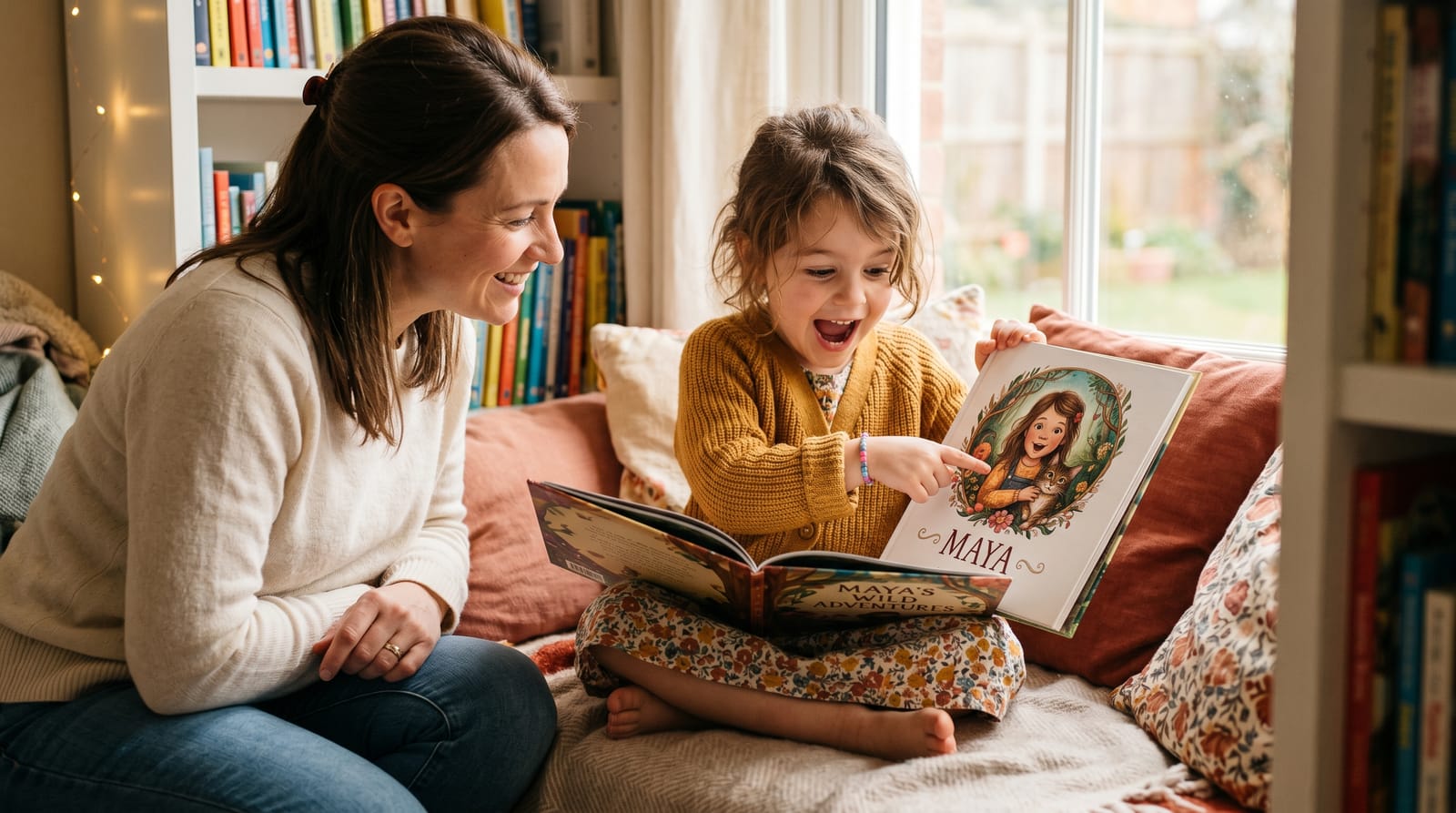
The humble picture book has always been more than just ink on paper. For a toddler, it is a first passport to other worlds; for a caregiver, it is a bridge to connection at the end of a long day. However, as we move through {YEAR}, the definition of what a picture book can achieve is undergoing a quiet but profound transformation. We are moving away from the era of "generic" storytelling and entering a time where the narrative is as unique as the child holding the book.
At StorytimeHero, we’ve observed that the most impactful stories are those that act as both a mirror and a map. They mirror the child’s current reality and map out the possibilities of who they might become. By synthesizing modern trends in children’s literature—from the rise of biographical storytelling to the push for hyper-specific cultural representation—we can see how personalized books are not just a novelty, but the next logical step in the evolution of the picture book.
The Power of the Living Biography: Every Child as a Legend
Recent trends in the publishing world have seen a surge in picture books that celebrate "literary legends." These stories introduce young readers to the lives of iconic authors, showing how a person’s childhood experiences and struggles eventually fuel their creative fire. Whether it is a story about a young girl finding her voice through poetry or a boy learning the weight of words from his ancestors, these books serve a vital purpose: they humanize the "hero."
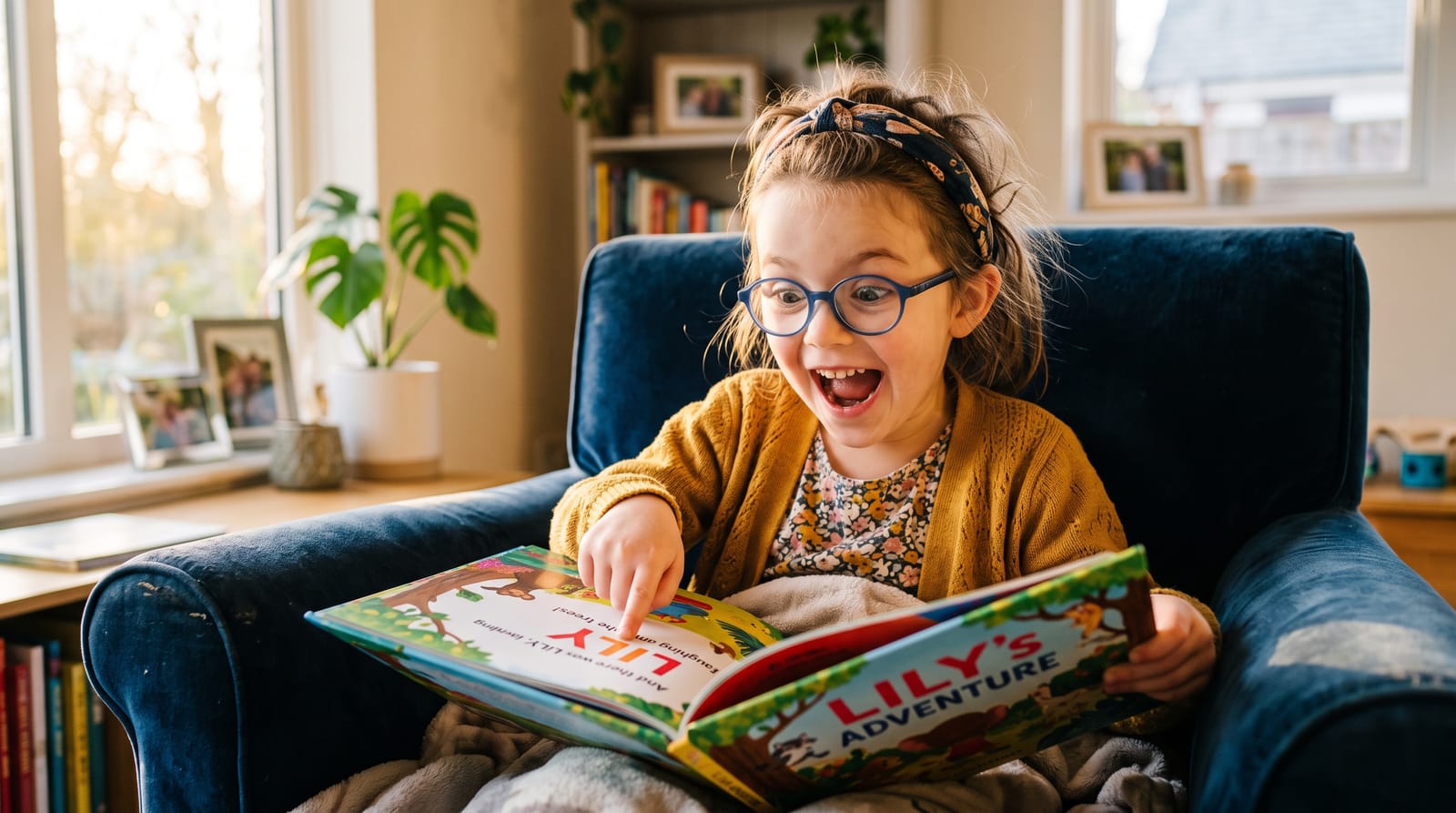
When we look at this through the lens of personalized books, the impact is magnified. Instead of merely reading about the greatness of others, personalization allows a child to see themselves as the protagonist of their own legendary journey.
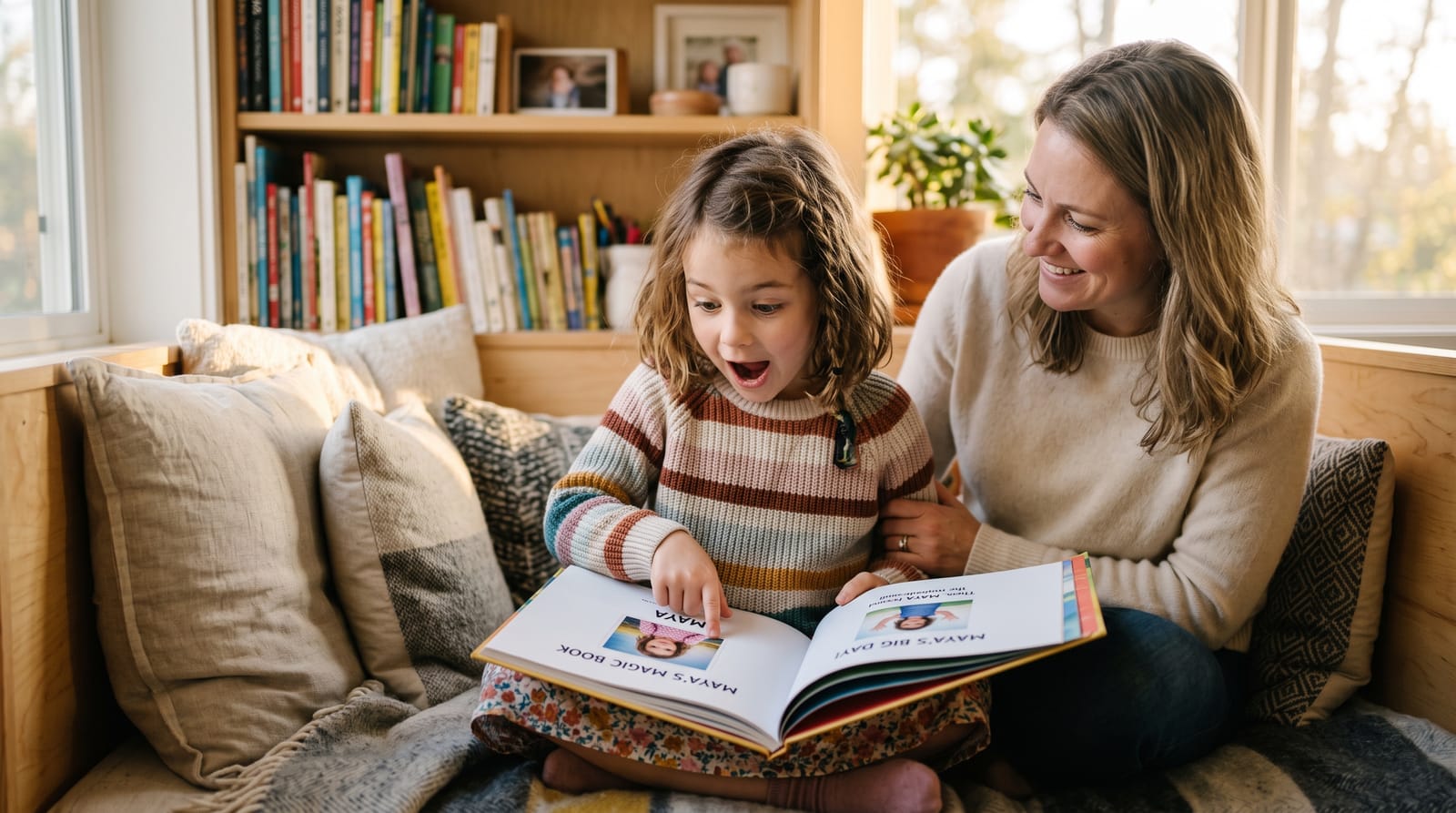
When a child sees their own name and likeness navigating a story about courage or creativity, the distance between "me" and "the hero" vanishes. This isn't just about ego; it’s about agency. If a picture book can show a child that they are the master of their own narrative, it builds a foundation of self-worth that lasts long after the final page is turned. We are moving toward a future where every child’s library contains at least one book where they are the legendary figure overcoming obstacles.
Moving Beyond Labels: The Beauty of Specificity
For a long time, the push for diversity in children’s literature was focused on broad categories. While well-intentioned, these "umbrella" terms often smoothed over the rich, textured nuances of individual cultures and family traditions. A child’s heritage isn't an acronym; it’s the specific way their grandfather dyes fabric, the particular scent of a family kitchen, or the unique landscape of a homeland they’ve only visited in stories.
The modern picture book is shifting toward this hyper-specificity. We see authors now focusing on the "micro-moments" of culture—the artistic processes of a specific craft or the exact feeling of riding through a specific rural field.
This is where personalized books excel. They allow families to step away from "general" representation and move toward "individual" representation. In a personalized story, the "hero" doesn't just represent a demographic; they represent that specific child in their specific family context. This level of detail validates a child’s unique existence. It tells them that their specific life—not just their category—is worthy of being bound in a book.
The Practical Magic of Resilience and Growth Mindset
Beyond culture and legacy, the contemporary picture book has become a tool for navigating the "nitty-gritty" of childhood. From managing food allergies to developing a growth mindset, today’s stories are increasingly utilitarian. They help children solve problems.
However, a general book about a "generic" child having an allergic reaction or failing at a task can sometimes feel a bit distant. When you introduce personalization, the "sweet solution" to a problem becomes the child’s own solution.
If a child sees "themselves" navigating a social anxiety or learning to be brave in the face of a physical challenge, the brain processes that information differently. It becomes a rehearsal for real life. Personalized books act as a safe space for this rehearsal. By placing the child at the center of a "growth mindset" narrative, we aren't just telling them they can be resilient; we are showing them a version of themselves that already is.
The Participatory Page: Why Personalization Matters in {YEAR}
We live in a world that is increasingly interactive. Children today are not just passive consumers of media; they are creators, gamers, and participants. The traditional picture book, while timeless, must adapt to this participatory spirit.
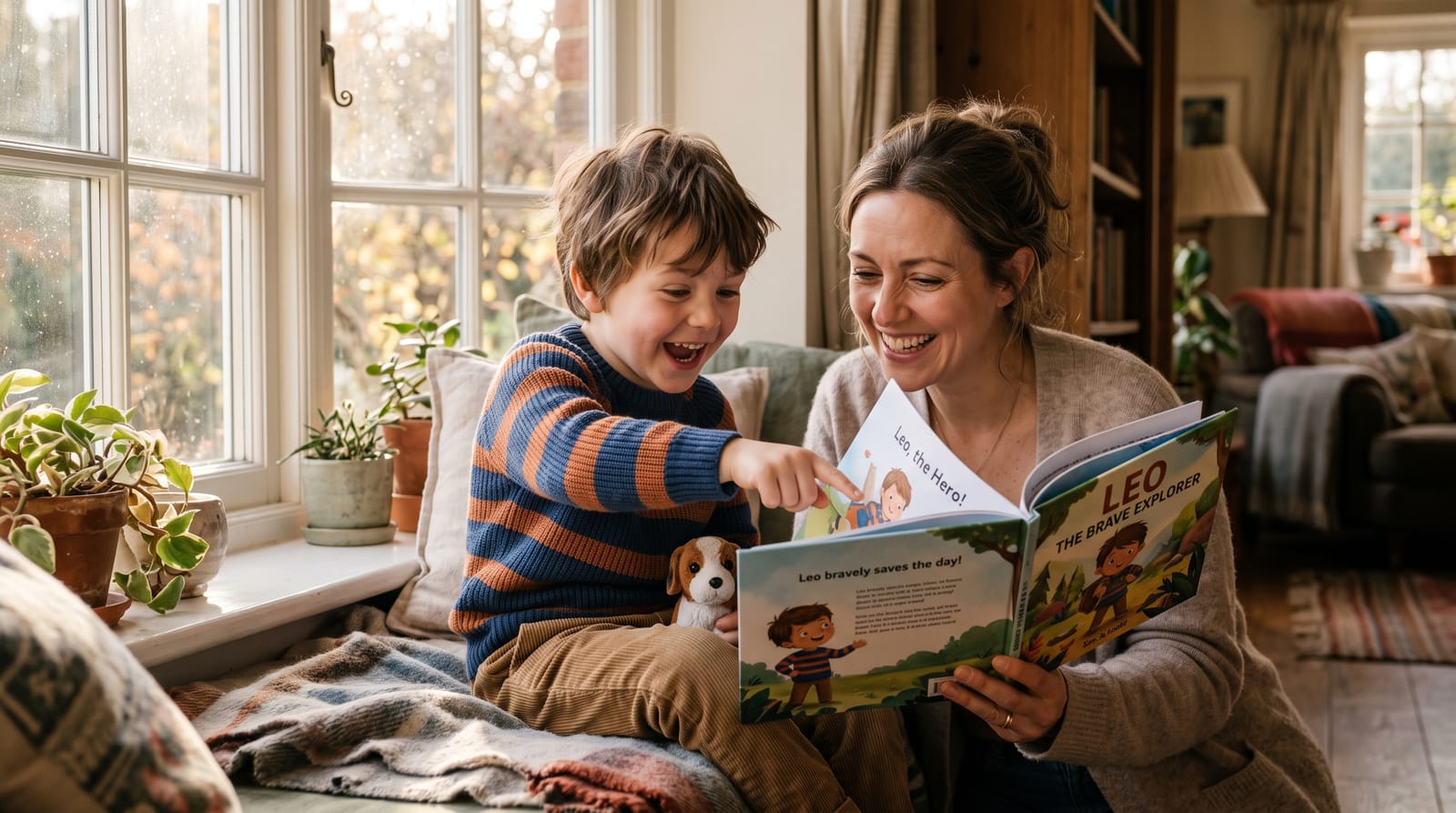
Personalized books bridge the gap between the classic reading experience and the modern desire for involvement. When a child is the "hero" of the quest, they are no longer just an observer. They are the ones making the choices, facing the dragons, and discovering the treasure. This shift from "reading about" to "experiencing as" is the hallmark of the new era of storytelling.
At StorytimeHero, we believe that this evolution makes reading more accessible. For a child who might struggle to engage with a standard text, seeing their own face or name can be the "hook" that turns a reluctant reader into a lifelong book lover. It transforms the book from an object on a shelf into a personal treasure.
The Best-Keep Strategy: Creating Heritage Through Stories
One of the most beautiful aspects of the modern picture book is its longevity as a family heirloom. While many toys are outgrown or discarded, a book that captures a specific moment in a child’s life—their current fears, their favorite things, their unique look—becomes a time capsule.
Personalized books naturally fit into what we call the "best-keep strategy." These aren't books you donate when the child turns ten. These are the volumes you keep in a special box, to be brought out decades later. They document who the child was at a specific point in time, anchored by a narrative that celebrates their potential.
In {YEAR}, as we look for ways to ground our children in an increasingly digital and fast-paced world, these physical anchors of identity are more important than ever. They remind children that they have a place in the world, a family that loves them, and a story that is uniquely theirs to tell.
Conclusion: The Future of the Storyteller
The picture book is not a static medium. It is a living, breathing entity that evolves alongside our understanding of childhood development and cultural identity. By moving toward personalization, we are honoring the core mission of children’s literature: to make every child feel seen, heard, and valued.
Whether it’s by introducing them to the "legends" of the past or by helping them navigate the "allergies" and "growth mindsets" of the present, the goal remains the same. We want to give our children the tools they need to write their own futures. And sometimes, the best way to do that is to give them a book where they’ve already started.
---
FAQ: Common Questions About Personalized Picture Books
Q: Are personalized books only for very young children?
A: While they are incredibly popular for the "picture book" age group (3–8), the benefits of personalization extend into middle grade. For younger children, it’s about identity and engagement. For older children, it’s about seeing themselves as capable protagonists in more complex "quest" narratives.
Q: How do personalized books handle cultural diversity?
A: Unlike traditional publishing, which can sometimes rely on tropes, personalization allows for a "lived mirror" experience. Parents can often customize appearances and names to accurately reflect their child’s specific heritage, making the story feel authentically "theirs" rather than a generalized representation.
Q: Can personalized books really help with behavioral or emotional milestones?
A: Yes! By placing the child in a scenario where they must use a "growth mindset" or solve a problem (like a fear of the dark or a new school), the book acts as a narrative rehearsal. Seeing a version of themselves succeed builds confidence in their real-world ability to do the same.
---
Related Reading
- The Evolution of the Picture Book: Personalization & Meaning
- How Personalization is Humanizing the Picture Book
- The Bridge of Belonging: Personalized Books & Modern Themes
- Modern Family Narratives & Personalized Books
- The Living Protagonist: Modern Picture Book Trends
---
Ready to start your child’s legendary journey? Explore our collection of Personalized Quest Books Where Your Child Is the Hero and see how StorytimeHero can help you create a modern classic for your family library.
Free preview checklist
Get the personalized book gift checklist
Know what photo to use, what to write in the dedication, and what to review before ordering.