Personalized Narratives & Modern Picture Books | StorytimeHero
Upload a photo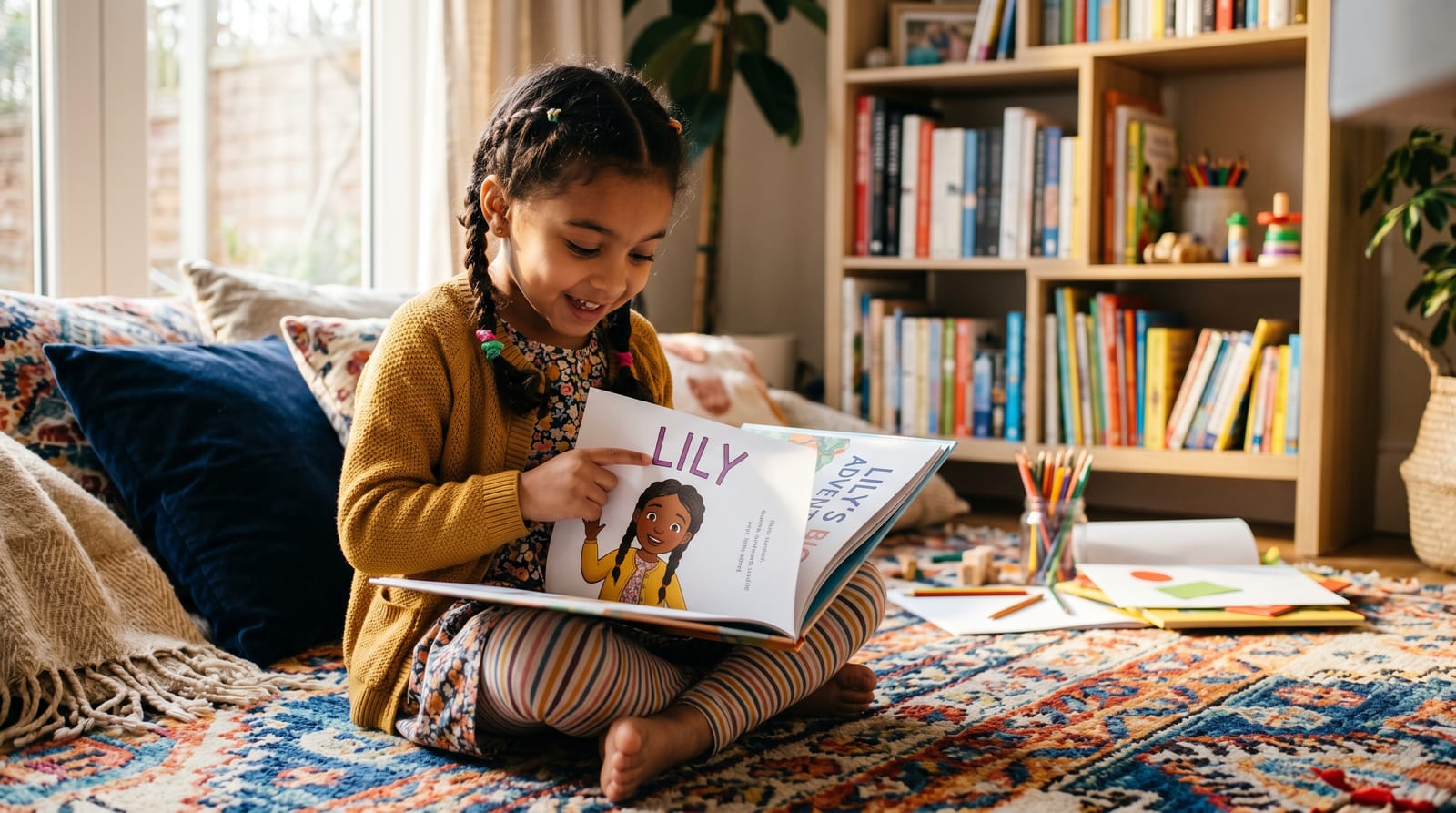
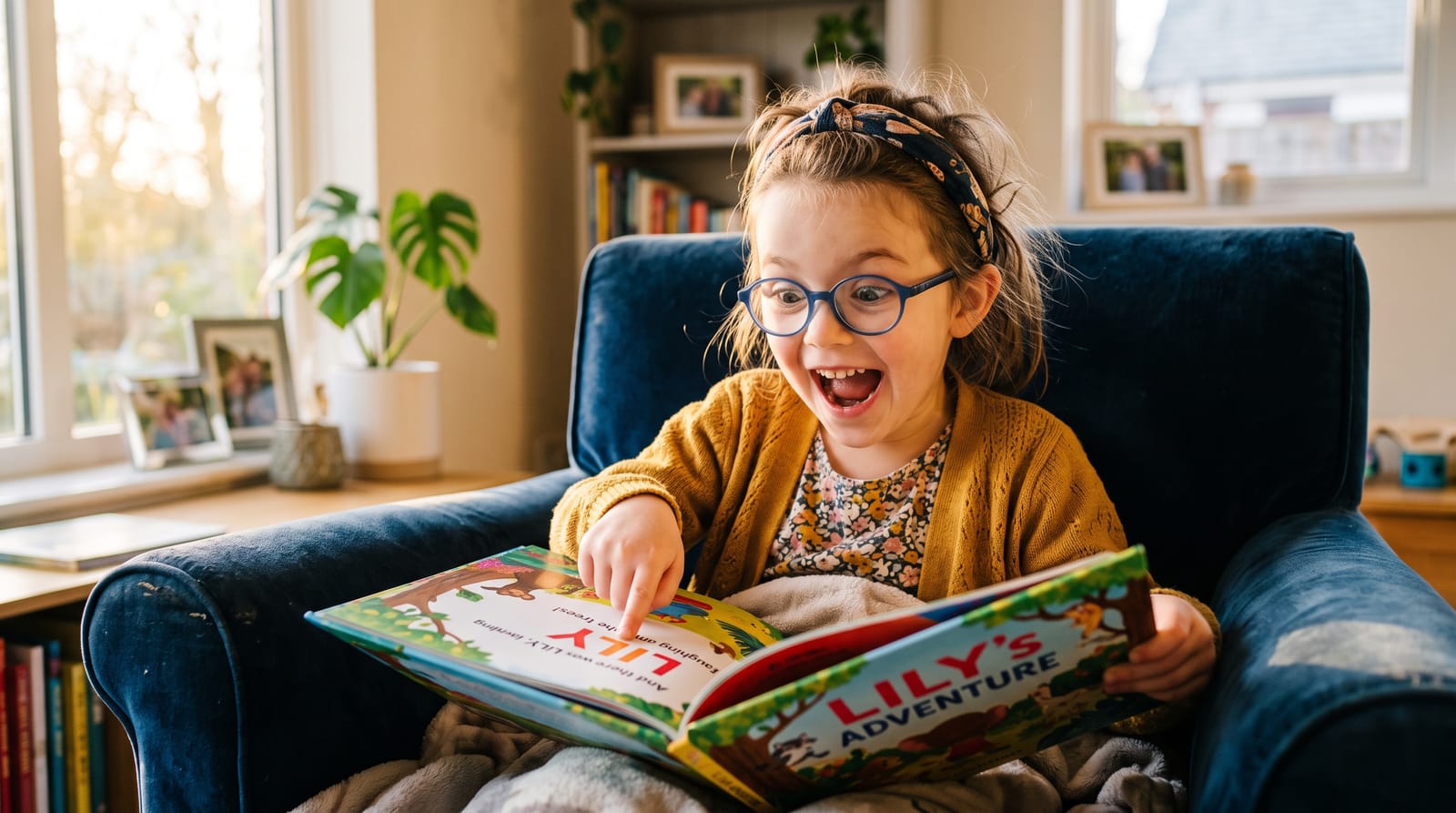
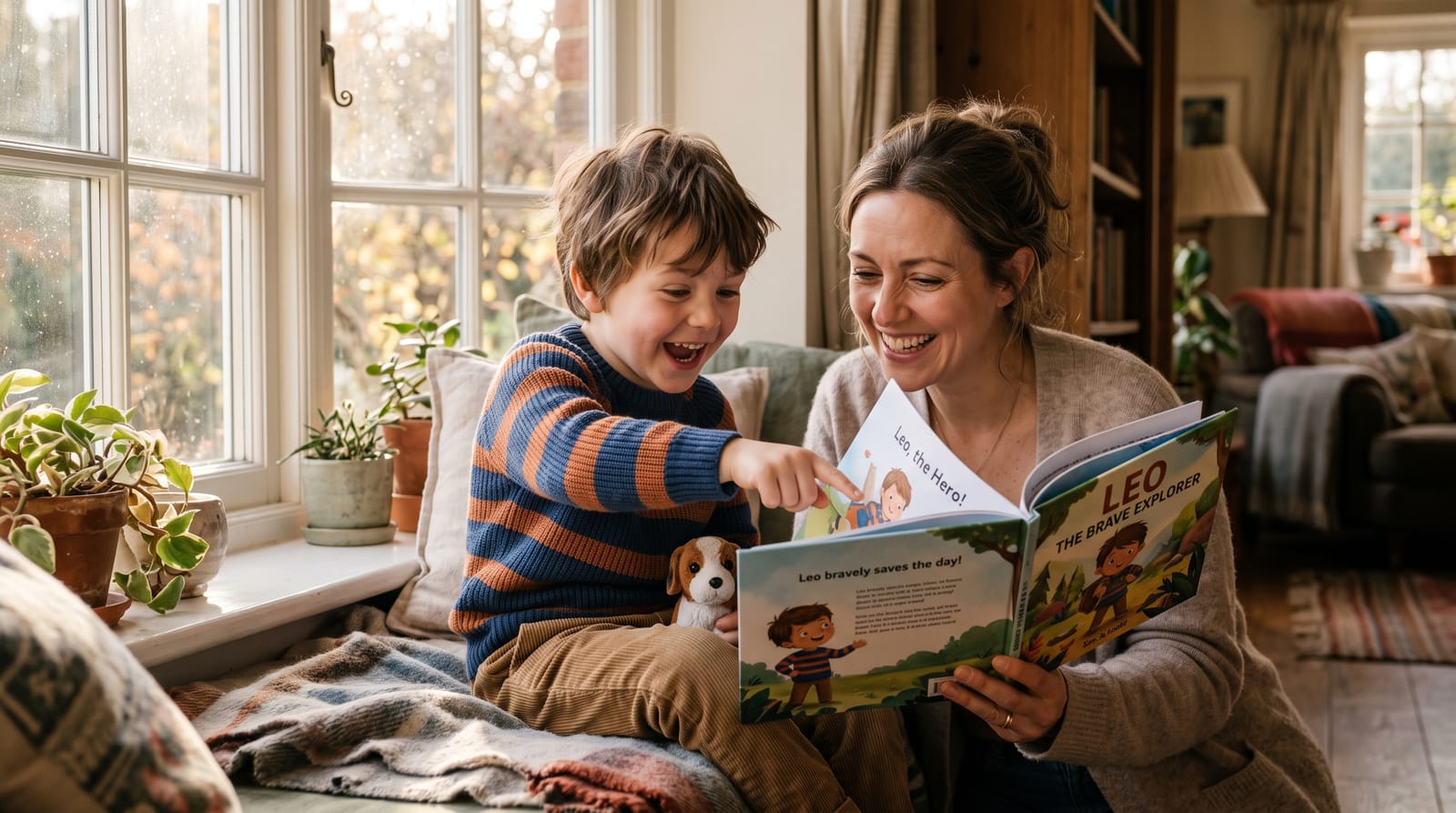
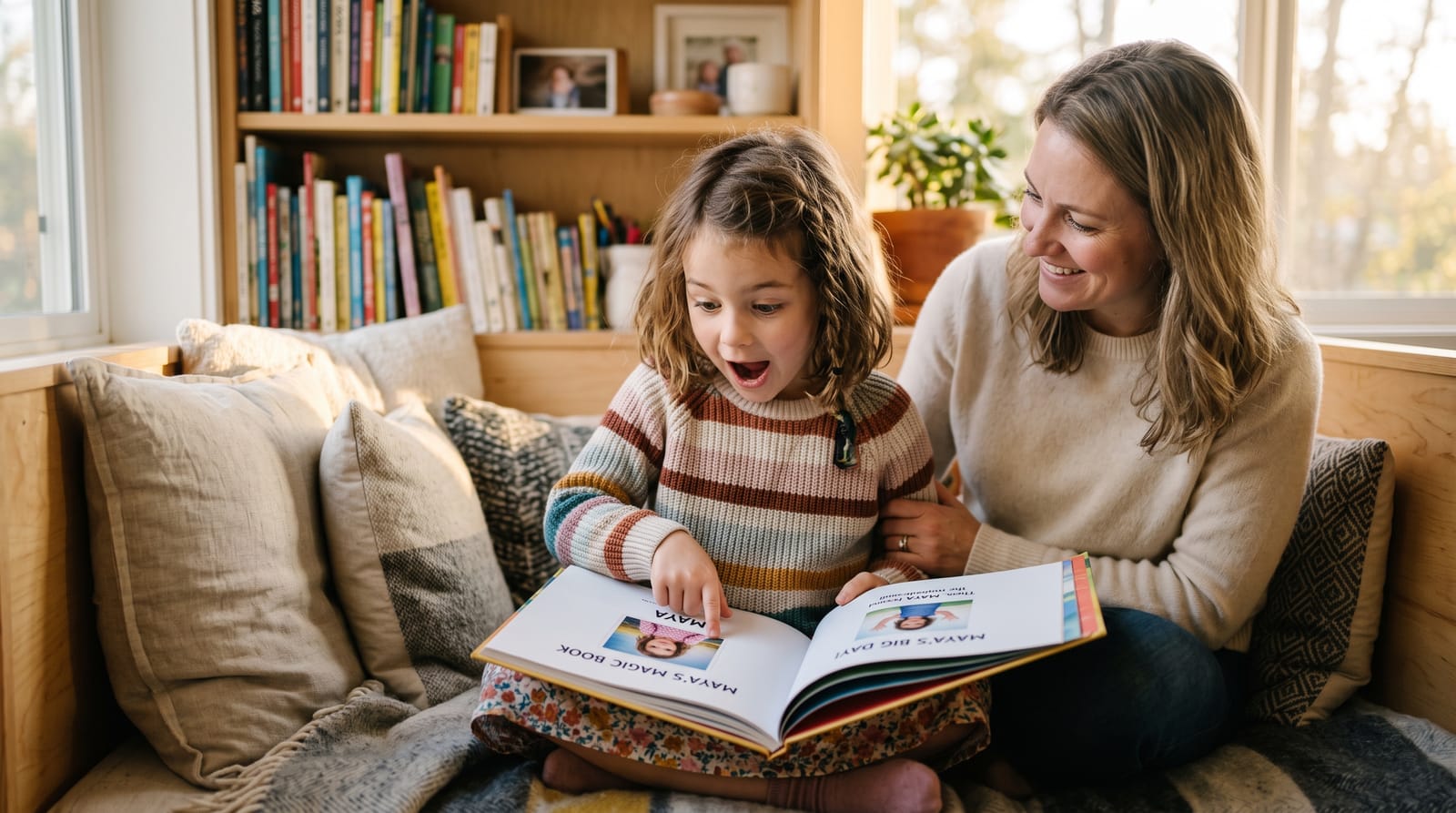
The landscape of the children’s picture book is undergoing a quiet but profound transformation. For decades, the primary role of these books was to provide a window—a glimpse into fantastical worlds, talking animals, or moral fables. However, in {YEAR}, the modern picture book has become more than just a window; it is becoming a mirror.
Today’s most influential children’s literature is moving away from the abstract and toward the specific. We see this in the rise of biographical picture books that celebrate literary giants, stories that explore the nuances of diverse cultural heritage, and narratives that tackle real-world health and emotional challenges. Yet, even as these stories become more representative, a gap remains between "reading about" a hero and "feeling like" a hero. This is where the evolution of the personalized book plays a vital role.
By integrating a child’s own identity into these sophisticated modern themes, personalized books are not just changing how kids read—they are changing how they perceive their own potential within the world.
The Shift from Abstract Heroes to Real-World Icons
One of the most exciting trends in contemporary picture books is the introduction of literary and historical legends to the preschool and elementary set. We are seeing beautifully illustrated biographies of authors like Judy Blume, Virginia Hamilton, or Toni Morrison. These books do more than recount dates and facts; they explore the creative spark and the resilience required to find one’s voice in a complex world.
When we introduce a young child to the life of a writer who overcame censorship or systemic barriers, we are planting the seeds of advocacy and self-expression. However, for a five-year-old, the leap from a "legendary author" to "my own life" can still feel vast.
Personalized books act as the bridge in this equation. When a child sees their own name and likeness navigating a story about the power of words, the lesson shifts from a history lesson to a personal manifesto. It’s no longer just Virginia Hamilton who found magic in her family’s stories; it is the child themselves who realizes that their own family history is a wellspring of "extraordinary magic."
Moving Beyond Categories: The Nuance of Heritage
Source material in the literary world is increasingly pushing back against the "one-size-fits-all" approach to diversity. We are seeing a beautiful influx of stories that celebrate specific experiences—whether it’s the process of dyeing fabric with indigo in a grandfather's studio or a father and son traveling through the rice fields of the Philippines.
The modern picture book is teaching us that "culture" isn't a monolith or an acronym; it is found in the small, tactile moments of life: the smell of a specific dish, the texture of a handmade cloth, or the unique light of a distant homeland.
StorytimeHero believes that personalization is the natural next step in this movement. While a traditional book might introduce a child to a different culture, a personalized narrative allows that child to inhabit the space. For children who rarely see their specific family structures or physical features reflected in mainstream media, personalization breathes life into modern picture books by validating their unique existence. It allows the "everyday" moments of their lives to be treated with the same reverence as the grand adventures of classic literature.
The Growth Mindset: Turning Problems into "Sweet Solutions"
In addition to heritage and history, the modern picture book is becoming a tool for navigating the internal world of a child. We see this in stories that focus on growth mindsets and practical problem-solving. Whether it’s a character learning to navigate the social and physical complexities of food allergies or a child overcoming a fear of the great outdoors, these books provide a roadmap for resilience.
But resilience is a muscle that must be exercised, not just observed. When a child reads about a character named Tova finding a "sweet solution" to a problem, they learn empathy. But when that child is the character navigating the obstacle, they develop self-efficacy.
Personalized books allow parents to ground these lessons in the child's reality. By placing the child at the center of the "growth mindset" narrative, we shift the internal dialogue from "Tova can do it" to "I can do it." This is particularly powerful for children dealing with specific anxieties or health challenges. It transforms the book from a passive bedtime story into an active rehearsal for life’s challenges.
The Artistic Process and the Power of Observation
Many new picture books are focusing on the "how" of the world—the artistic process, the scientific observation of nature, and the curiosity that drives discovery. These stories encourage children to look closer at the world around them, whether they are in a garden or a studio.
This focus on observation is a perfect match for the personalized format. When a child is the protagonist of a story centered on curiosity, they are essentially being given a "license to explore." The evolution of the modern picture book is moving toward these participatory experiences.
If a story describes the vibrant blue of indigo dye and the child sees their own "indigo hands" on the page, the boundary between the book and their own creative potential disappears. They aren't just reading about an artist; they are being invited to be the artist. This sense of agency is one of the greatest gifts a personalized book can offer.
Why Personalization is the "New Era" of the Picture Book
As we look toward the future of children’s literature in {YEAR}, it is clear that the "picture book" is no longer a static medium. It is becoming a dynamic environment where identity, education, and imagination intersect.
The move toward personalization isn't just about the novelty of seeing a name in print. It’s about humanizing the picture book. It’s about ensuring that as the themes of our stories become more diverse, more complex, and more "real," the child isn't left standing on the sidelines.
At StorytimeHero, we see personalized books as a way to anchor these big themes—like legacy, heritage, and resilience—into the small, precious moments of a child's daily life. We are helping families create a "portable heritage" that children can carry with them long after the book is closed.
Strategies for Integrating Personalized Books into Your Home Library
If you’re looking to expand your child’s library with a mix of traditional and personalized books, consider these three approaches:
1. Pair Biographies with Personalized Adventures
If you read a picture book biography about a great scientist or author, follow it up with a personalized quest where your child uses those same skills—curiosity, writing, or bravery—to save the day. This reinforces the idea that the "greats" of history started just like them.
2. Use Personalization for "First-Time" Hurdles
Is your child facing a new experience, like starting school or dealing with a new allergy? A personalized book that mirrors their specific situation can provide a safe space to "practice" their reactions and build confidence.
3. Celebrate the "Un-Categorized" Moments
Look for personalized books that allow for a wide range of physical traits and family types. This supports the modern literary trend of moving away from labels and toward the celebration of the individual.
Frequently Asked Questions
How do personalized books help with a child's development?
Personalized books enhance engagement and reading comprehension. When a child sees themselves in the story, their "self-referential effect" kicks in, making them more likely to remember the story’s lessons and themes. It also builds self-esteem by positioning the child as the hero of their own narrative.
Can personalized books replace traditional picture books?
Not at all! Traditional picture books are essential for building empathy by showing children lives and worlds different from their own. Personalized books serve as a complementary tool that helps the child integrate those lessons into their own identity. Think of traditional books as the "window" and personalized books as the "mirror."
At what age should I start reading personalized books to my child?
Personalized books are effective as soon as a child begins to recognize their own name and face—typically around ages two or three. For older children (ages 6-8), these books are excellent for building reading confidence as they transition into more complex sentence structures.
Related Reading
- Personalization & Modern Picture Books
- How Personalization Reimagines the Picture Book
- Supporting the Away-Story with Personalized Books
- Modern Family Narratives & Personalized Books
By embracing the shift toward more personal, nuanced storytelling, we aren't just teaching our children how to read; we are teaching them that their stories—and their voices—matter just as much as the legends they admire. In the world of the modern picture book, the most important character will always be the child holding the book.
Free preview checklist
Get the personalized book gift checklist
Know what photo to use, what to write in the dedication, and what to review before ordering.