Supporting the Away-Story with Personalized Books | StorytimeHero
See their cover preview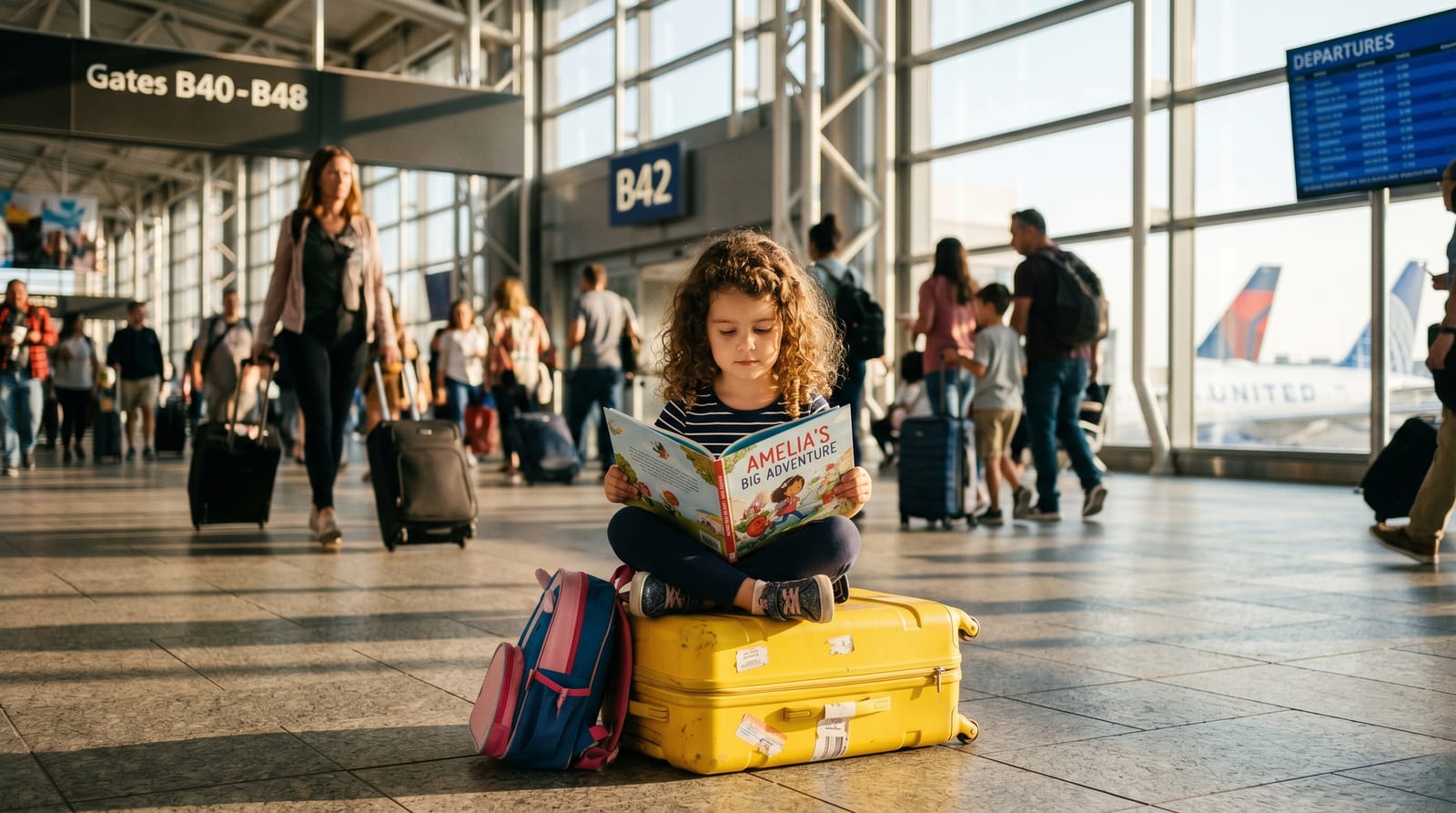
The world is a very big place when you are only three feet tall. For a child, leaving the front door isn't just a change of scenery; it is the beginning of what child psychologists often call an "away-story." This narrative encompasses every moment spent outside the familiar comforts of home—from the first day of preschool to a cross-country flight to visit grandparents.
In recent years, we have seen a surge in "adventure-ready" gear for kids, ranging from high-end luggage collaborations featuring beloved cinematic icons to specialized backpacks designed for tiny explorers. These physical tools serve a purpose: they make the "away" feel intentional and exciting. However, while a bright yellow suitcase or a space-themed backpack provides a vessel for toys and snacks, it doesn't always provide the emotional scaffolding a child needs to navigate the transition.
This is where the power of narrative—specifically the personalized narrative—steps in. At StorytimeHero, we believe that when a child sees themselves as the hero of their own journey, the "away-story" stops being a source of anxiety and starts becoming a landscape of opportunity.
Defining the 'Away-Story' in Modern Childhood
An away-story is more than just a travelogue. It is the emotional arc of departure, exploration, and eventual return. For a young child, the "away" can be daunting because it represents a break in the predictable rhythm of their day. Whether it's a sleepover at a cousin's house or a family vacation, the child is essentially stepping out of their established character as "The Resident of Home" and into a new, untested role.
In {YEAR}, parents are increasingly looking for ways to ground their children during these transitions. We see this in the way families curate travel experiences, choosing gear that feels like a "friend" (like the iconic characters found on modern carry-ons). But the most portable and profound tool a child can carry isn't made of polycarbonate or nylon; it’s a story where they are the protagonist.
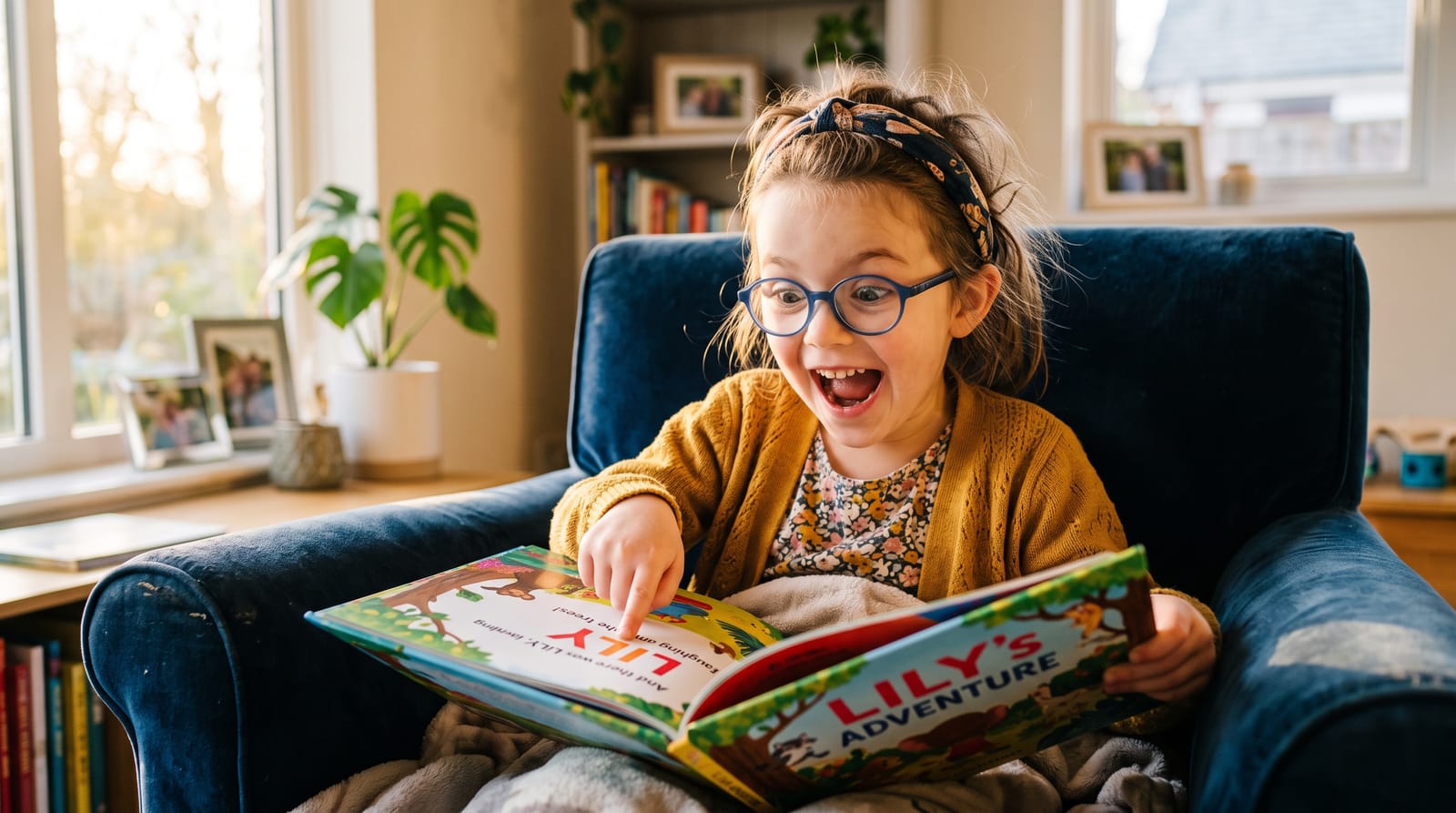
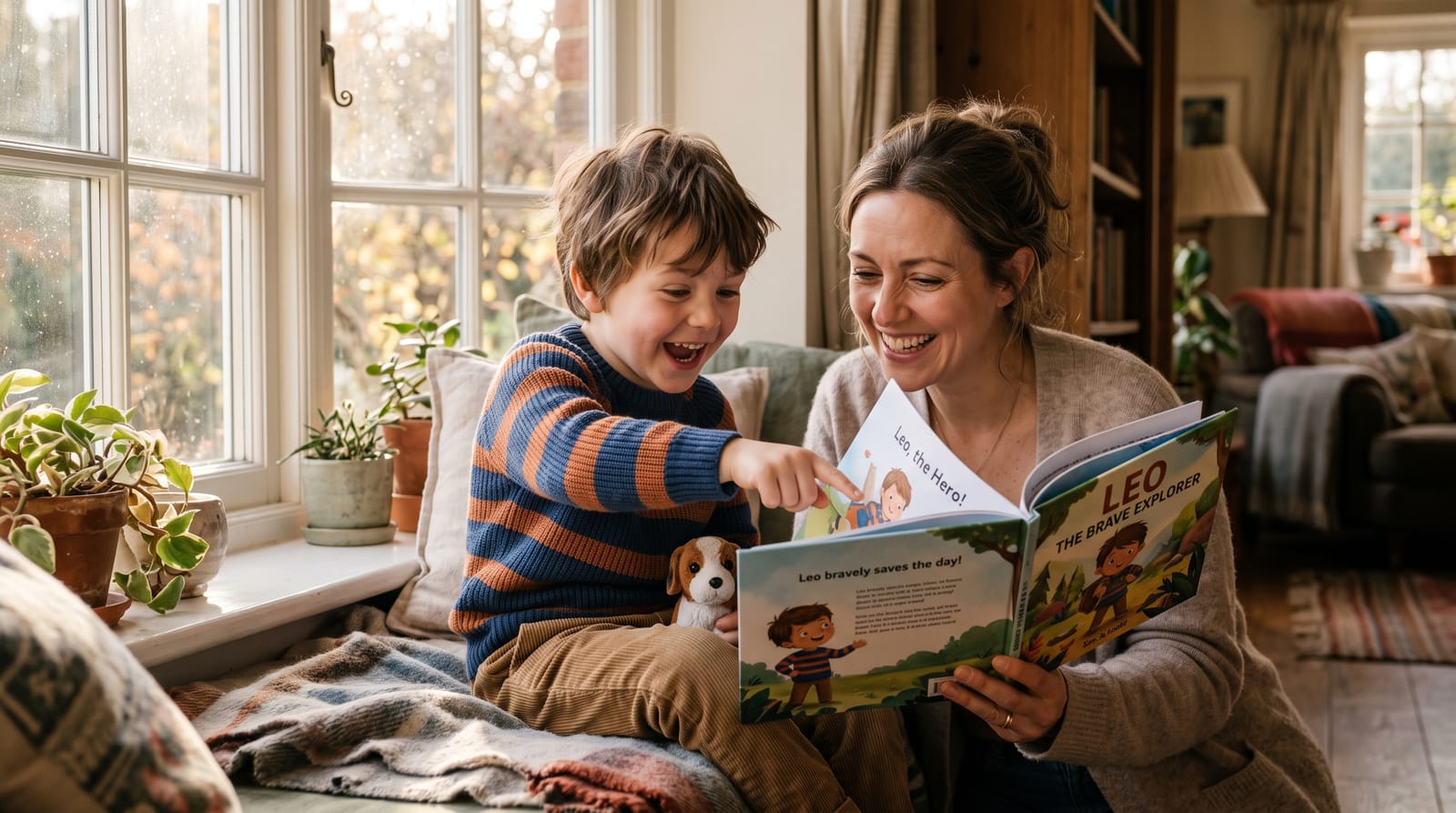
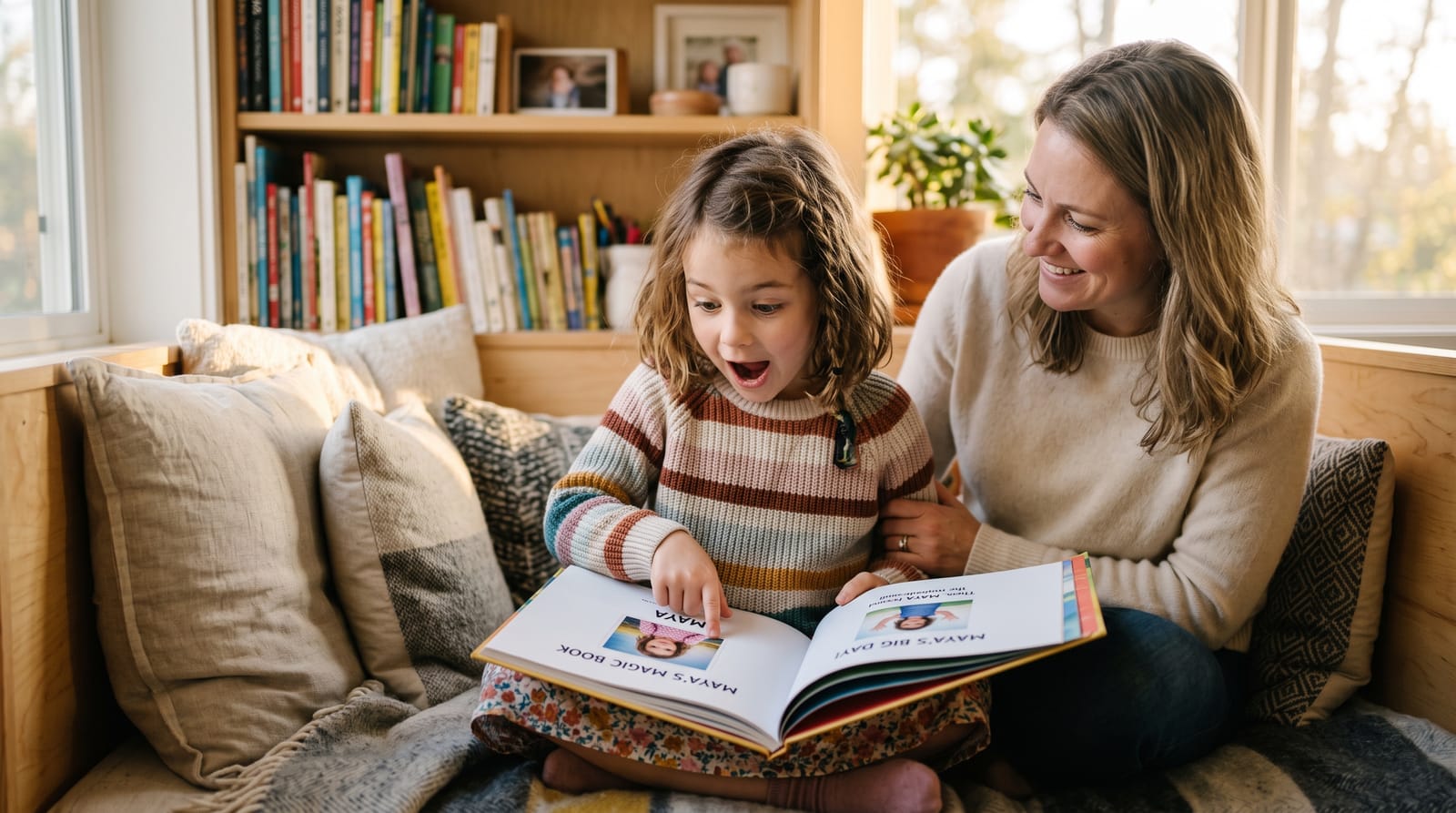
By using personalized books, parents can help children pre-process these "away" moments. When a child reads a story about a character who looks like them and shares their name, and that character successfully navigates a new world, the child builds a mental map for their own real-life adventures.
Why Physical Objects Aren't Enough for Emotional Transitions
There is a reason why children cling to specific items when they head out into the world. Whether it’s a favorite stuffed animal or a specific piece of character-themed luggage, these items act as "transitional objects." They are a bridge between the safety of the known and the mystery of the unknown.
While a suitcase themed after a brave space ranger or a courageous cowgirl offers a sense of "cool," it relies on the child projecting themselves onto an existing IP. Personalized books take this a step further. Instead of the child trying to be like Buzz Lightyear, the story confirms that they are the hero.
When a child is in the middle of an away-story—perhaps sitting in a busy airport or lying in an unfamiliar bed—a personalized book serves as a grounding wire. It reminds them of who they are, where they come from, and the fact that they are capable of handling the "away." It transforms the luggage from just a box of clothes into a treasure chest of identity.
The Science of the Self-Referential Hero
Why does personalization work so effectively during travel and transitions? It comes down to how children process information. Research suggests that children (and adults) exhibit a "self-reference effect," where they remember information more accurately and engage more deeply when it is related to themselves.
In the context of an away-story, this deep engagement is a superpower. If a child is nervous about a long trip, a story that places them in a similar adventure allows them to "practice" the emotions of the journey. They aren't just watching a character go on a trip; they are experiencing a dress rehearsal for their own bravery.
Modern family narratives and personalized books are evolving to meet these needs, moving beyond simple name-swapping to create truly embodied narratives that reflect the child's actual world.
Practical Ways Personalized Books Support the 'Away-Story'
Integrating personalized stories into your family’s "away" routine doesn't have to be complicated. Here are a few ways these books can act as the ultimate travel companion:
1. The "Pre-Trip" Ritual
A week before a big transition, introduce a personalized adventure book. This allows the child to associate their own identity with exploration. By the time the suitcases are packed, the child has already mentally "conquered" the idea of going somewhere new. This is part of shaping modern childhood through personalized narratives.
2. The "Anchor" in the Backpack
Travel can be chaotic. Flights are delayed, car rides are long, and schedules are thrown out the window. In these moments of "narrative flux," a personalized book provides a constant. It is a familiar "place" the child can visit regardless of their physical location. It acts as a narrative anchor that keeps the family identity intact even when far from home.
3. The Bedtime Bridge
The hardest part of any away-story is often the first night in a new place. The shadows are different, the sounds are strange, and the "home-feeling" is thin. Reading a book where the child is the hero helps re-establish a sense of agency and safety. It tells the child: "You are the same hero here as you are in your own bed."
Moving Beyond Travel: The Away-Story of Growing Up
While we often think of away-stories in terms of vacations, they happen every day. A child going to a new playgroup is an away-story. A child staying with a sitter for the first time is an away-story. Even the transition from the "baby room" to the "big kid room" can feel like a departure.
Personalized books help children navigate these micro-transitions by reinforcing their core identity. When the world around them changes, the story of "Me" remains constant. This is a vital component of meaningful micro-moments that build long-term resilience.
StorytimeHero aims to provide more than just a book; we provide a tool for emotional regulation. By putting the child at the center of the narrative, we give them the confidence to step out of the front door and into whatever adventure awaits.
The Future of the Away-Story
As we look toward the rest of {YEAR} and beyond, the trend of personalized, portable comfort will only grow. We see it in the way brands are designing "kid-first" travel gear, and we see it in the way parents are curating their children’s libraries. The goal is no longer just to keep a child entertained; it is to keep them centered.
A personalized book is the ultimate "away-story" companion because it never runs out of batteries, it doesn't require Wi-Fi, and it grows with the child. It is a record of their bravery that they can look back on long after the trip is over and the suitcases are tucked back in the closet.
FAQ: Supporting Your Child’s 'Away-Story'
Q: My child is very anxious about our upcoming move. Can a personalized book help?
A: Absolutely. Moving is one of the most significant "away-stories" a child can experience. A personalized book can help by depicting the child as an explorer who carries their "home" (their family and their courage) with them wherever they go. It helps frame the move as an adventure rather than a loss.
Q: What age is best for using stories to help with transitions?
A: While children of all ages benefit from narrative, the "sweet spot" for personalized books is often between ages 3 and 8. This is when the imagination is most fluid, and the distinction between the "story world" and the "real world" is a place of magic and learning.
Q: We already have character-themed luggage and gear. Is a book really necessary?
A: Think of it this way: the luggage is the how, but the story is the why. Gear helps with the logistics of being away, but a personalized book helps with the emotional processing. They work best in tandem!
Q: How do I choose the right story for a travel transition?
A: Look for stories that emphasize curiosity, resilience, and the idea that "home" is something we carry within us. At StorytimeHero, our adventure-themed books are designed specifically to foster this sense of internal confidence.
Related Reading
- How Personalization is Humanizing the Picture Book
- The Power of the Sneak-Peek in Children's Books
- Building Family Bonds with Personalized Books
- The Portable Heritage: Personalized Books and Family Identity
In the end, every away-story is a chapter in the larger book of growing up. By giving our children the gift of seeing themselves as the hero, we ensure that no matter how far they wander, they always know exactly who they are. Whether they are carrying a Buzz Lightyear suitcase or a simple backpack, the most important thing they bring along is their own sense of wonder—and a StorytimeHero book to remind them of it.
Free preview checklist
Plan their adventure book
Get a short checklist for choosing the photo, story theme, dedication, and preview details.