Small Moments, Big Impact: Family Connection in 2026 | StorytimeHero
Start a cover preview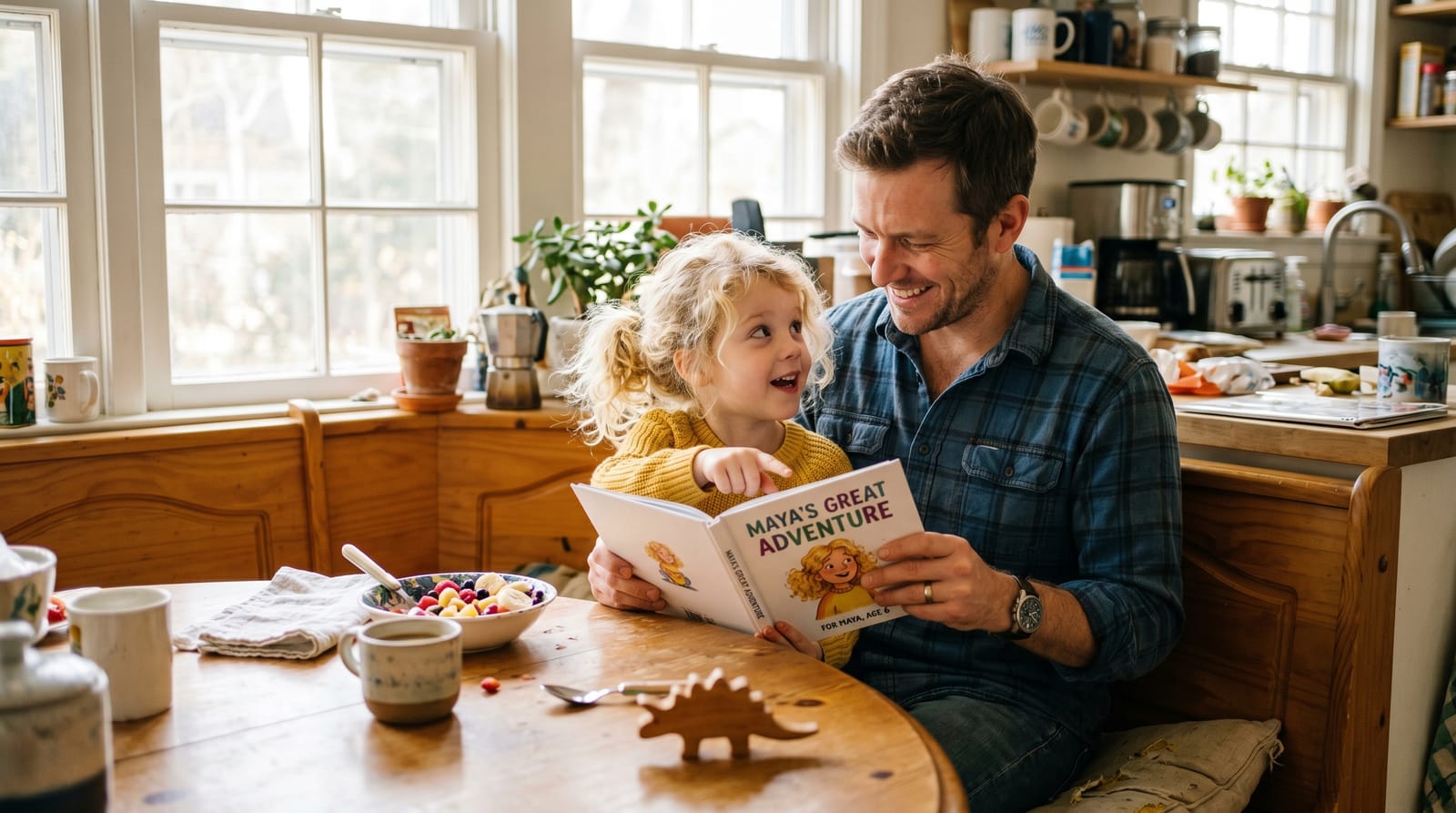
In the modern household, the definition of "quality time" is undergoing a quiet but profound transformation. Gone are the days when family bonding was strictly reserved for the annual two-week summer pilgrimage or the once-a-month formal dinner. In {YEAR}, parents are increasingly finding that the most resilient family bonds are forged in the "micro-moments"—those brief, intentional pockets of time that fit into the cracks of a busy schedule.
Whether it is a spontaneous forty-eight-hour road trip to a neighboring city or the shared anticipation of a new season of a favorite animated series, families are gravitating toward experiences that offer high emotional ROI with lower logistical hurdles. This shift toward the "micro" isn't just about convenience; it’s about a deeper desire for presence over performance. In this landscape, personalized books have emerged as a vital tool for families looking to ground their shared identity in something tangible, intimate, and enduring.
The Rise of the Family "Micro-Moment"
We live in an era of "micro-cations" and "streaming marathons." Recent travel trends suggest that more families are opting for short, high-energy bursts of travel—trips that last only a few days but are packed with shared discovery. These excursions allow families to hit the "reset" button without the financial or emotional exhaustion often associated with long-haul travel.
Similarly, the way we consume media has become a collective family event. When a new season of a beloved show drops on a streaming platform, it becomes a cultural milestone within the home. These shared narratives—whether they involve elemental benders, pocket monsters, or kitchen dramas—provide a common language for parents and children to speak.
However, as wonderful as these digital and travel experiences are, they often lack one crucial element: the child’s personal agency within the story. This is where personalized books bridge the gap. They take the excitement of a new adventure and the immersion of a great story, then place the child—and by extension, the family’s values—at the very center of the narrative.
Why Narrative Identity Matters for Today’s Kids
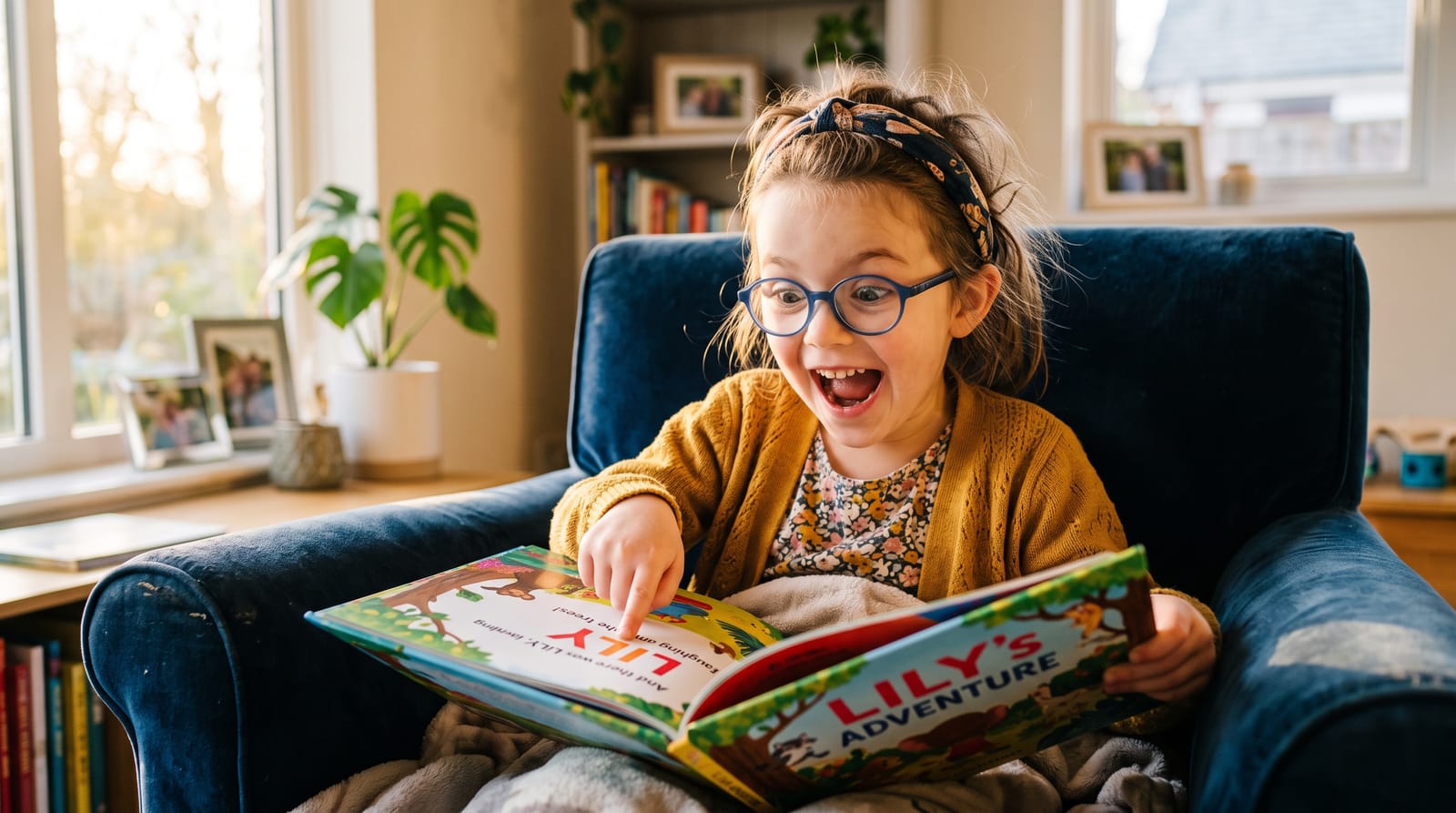
For a child, seeing themselves as the hero of a story isn't just a novelty; it’s a psychological anchor. In a world that feels increasingly fast-paced and digital, a physical book that features their name and likeness provides a sense of "belonging" that a generic story cannot match.
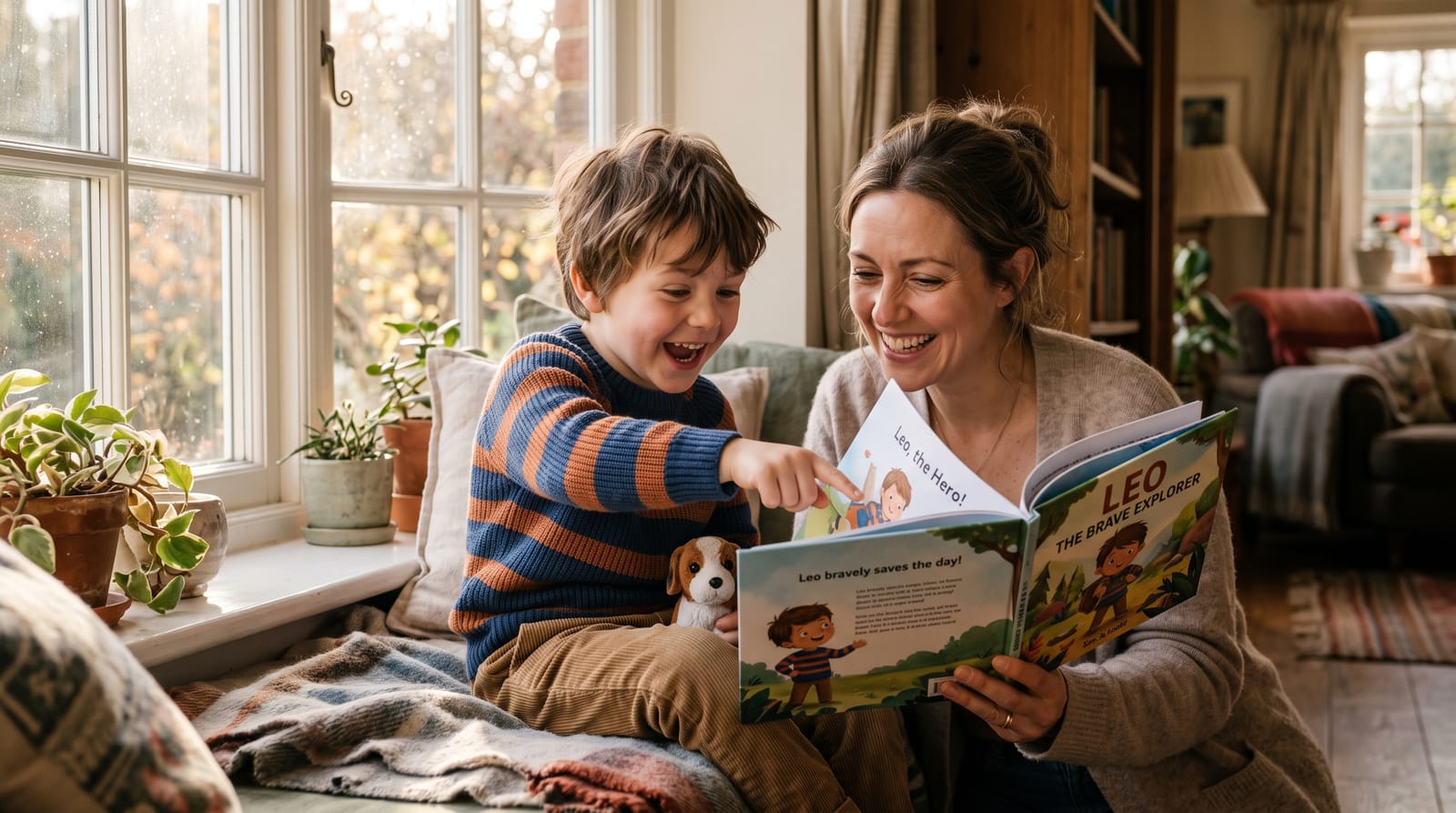
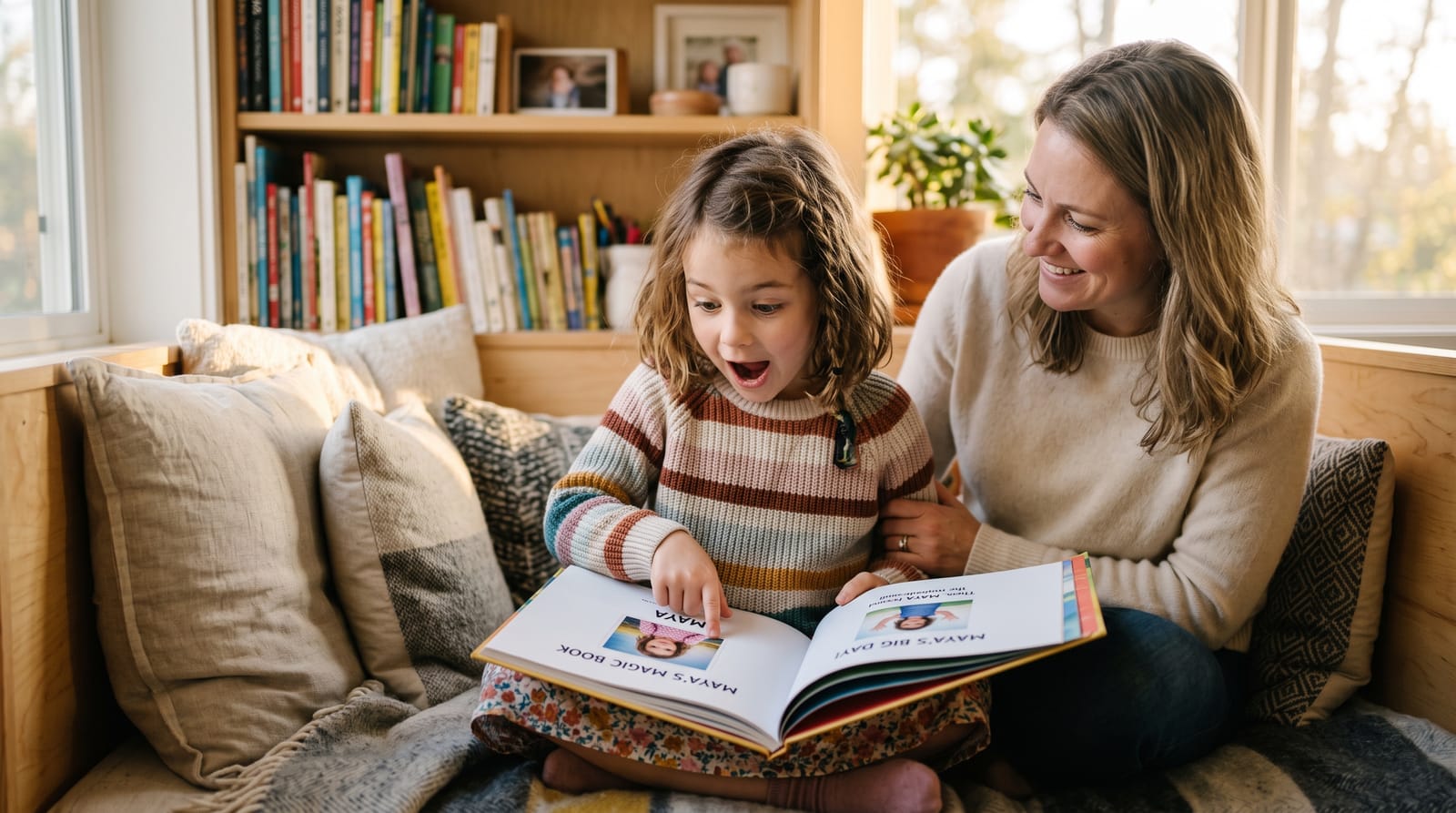
When a family reads a personalized story together, they aren't just consuming content; they are participating in a ritual of validation. They are saying, "You are important enough to be the protagonist. Our family’s journey is worth documenting." This aligns perfectly with the current trend of seeking out "micro-experiences" that prioritize connection. A ten-minute bedtime story becomes a "literary micro-cation," transporting the child to a world where they are capable, brave, and deeply loved.
By integrating these stories into daily life, parents can help their children navigate the complexities of modern picture book themes, turning abstract concepts like courage or kindness into personal attributes the child has already "practiced" on the page.
Personalized Books as a Literary Getaway
If a micro-cation is a physical escape from the mundane, a personalized book is an emotional one. These stories allow families to explore new worlds together from the comfort of a reading nook.
Consider the "spontaneity" that makes short trips so appealing. Personalized books offer a similar sense of surprise. Because the child is the main character, every plot twist feels more personal, and every triumph feels more earned. This level of engagement is exactly what parents are looking for when they tune into the latest family-friendly blockbuster. They want their children to be inspired, but they also want to be part of the inspiration.
Furthermore, these books act as a bridge of belonging, connecting the child’s internal world with the external family unit. In a personalized story, the child isn't just an observer of someone else's family dynamics; they are the heart of their own.
Moving Beyond Passive Consumption
While streaming services provide a wealth of high-quality family entertainment, the experience is largely passive. We sit, we watch, we react. In contrast, reading a book—especially one that is personalized—is an active, participatory event.
When a child sees their name on the cover, their brain switches from "spectator mode" to "participant mode." They begin to ask questions: What would I do in that situation? Why did I choose that path in the story? This encourages the kind of critical thinking and empathy that is often the goal of the best family media.
By choosing personalized books, parents are opting for a participatory revolution in their home library. They are moving away from "one-size-fits-all" storytelling and toward a bespoke experience that mirrors the unique quirks and strengths of their own family.
Building a Family Legacy in Ten Minutes a Day
The beauty of the "micro-moment" philosophy is that it removes the pressure to be perfect. You don't need a month-long itinerary or a massive budget to make a lasting impression on a child. You just need a few minutes of undivided attention and a story that resonates.
StorytimeHero was built on the idea that every child deserves to see themselves as the hero of their own life. By creating stories that are as unique as the children who read them, we help families create a "living legacy." These books aren't just read and discarded; they are kept as mementos of a specific time in a child's development. They become the "keepsakes" of the micro-moment era—tangible evidence of the time parents spent grounding their children in love and imagination.
In {YEAR}, as we continue to balance work, school, and the endless stream of digital distractions, the simple act of opening a personalized book remains one of the most powerful ways to say, "I see you. You matter. We are in this story together."
The Psychological Benefits of Family-Centric Stories
When we talk about "addressing family" in literature, we are talking about more than just mentioning a mom or a dad. We are talking about the "Narrative Anchor." This concept suggests that children who have a strong sense of their family's story—where they come from, what they value, and how they overcome challenges—are more resilient and have higher self-esteem.
Personalized books allow parents to customize these narrative anchors. If a family is going through a transition, such as a move or the arrival of a new sibling, a personalized story can help the child visualize their role in that change. It transforms a scary or uncertain "real world" event into a manageable, heroic quest. This is the evolution of the modern picture book: it is no longer just a window into another world, but a mirror reflecting the child's own potential back at them.
Practical Tips for Integrating "Micro-Narratives" Into Your Routine
If you’re looking to embrace the micro-moment philosophy in your home, here are a few ways to start:
- The "Two-Night" Reading Challenge: Just as families are taking two-night trips, try a two-night deep dive into a single personalized story. On the first night, read for the plot. On the second night, ask your child to "rewrite" the ending or tell you what their character was thinking during a specific scene.
- Narrative Stacking: Pair your media consumption with reading. If you’ve just finished a series about space exploration, follow it up with a personalized book where your child is an astronaut. This reinforces the themes and makes the screen time feel like a springboard for literacy.
- The Spontaneous Story-Walk: You don't need to be at home to "read." Bring your personalized book on your next micro-cation. Reading about your child’s adventures while on a real-life adventure creates a powerful memory "stack" that they won't soon forget.
Conclusion: The Hero is Already Home
The trends in travel and media tell us one thing: families are hungry for connection, but they are short on time. They want stories that reflect their reality and experiences that bring them closer together without the stress of "big" planning.
Personalized books from StorytimeHero offer the perfect solution for the modern family. They provide the immersion of a big-budget movie, the excitement of a weekend getaway, and the intimacy of a private conversation, all bound within the pages of a high-quality book.
In the end, the most important story a child will ever hear is the one that tells them who they are and who they belong to. By making your child the hero, you aren't just giving them a book; you’re giving them a map to their own identity. And in a world that is constantly changing, that is the greatest gift a family can share.
---
FAQ: Common Questions About Personalized Family Books
Q: Can personalized books include other family members?
A: Many personalized stories allow for the inclusion of siblings, parents, or even pets. This helps reinforce the child’s place within the family unit and makes the reading experience feel like a collective celebration of the household.
Q: Are these books suitable for older children who are moving into middle-grade reading?
A: Absolutely. While picture books are the most common format, the concept of personalized middle-grade books is growing. For older kids, the personalization often shifts toward character traits and identity-building, helping them navigate the transition into their tween years.
Q: How do personalized books help with "reluctant readers"?
A: Reluctance often stems from a lack of interest in the subject matter. When a child is the subject matter, their engagement levels skyrocket. This "Protagonist Effect" is a proven way to increase reading stamina and motivation.
Q: Can personalized books be used to explain difficult family changes?
A: Yes. Because you can control the narrative, these books are excellent tools for discussing moves, divorces, or losses in a way that feels safe and centered on the child’s emotional well-being.
---
Related Reading
Free preview checklist
Get the personalized book gift checklist
Know what photo to use, what to write in the dedication, and what to review before ordering.